Introduction to Companion Planting with Beets
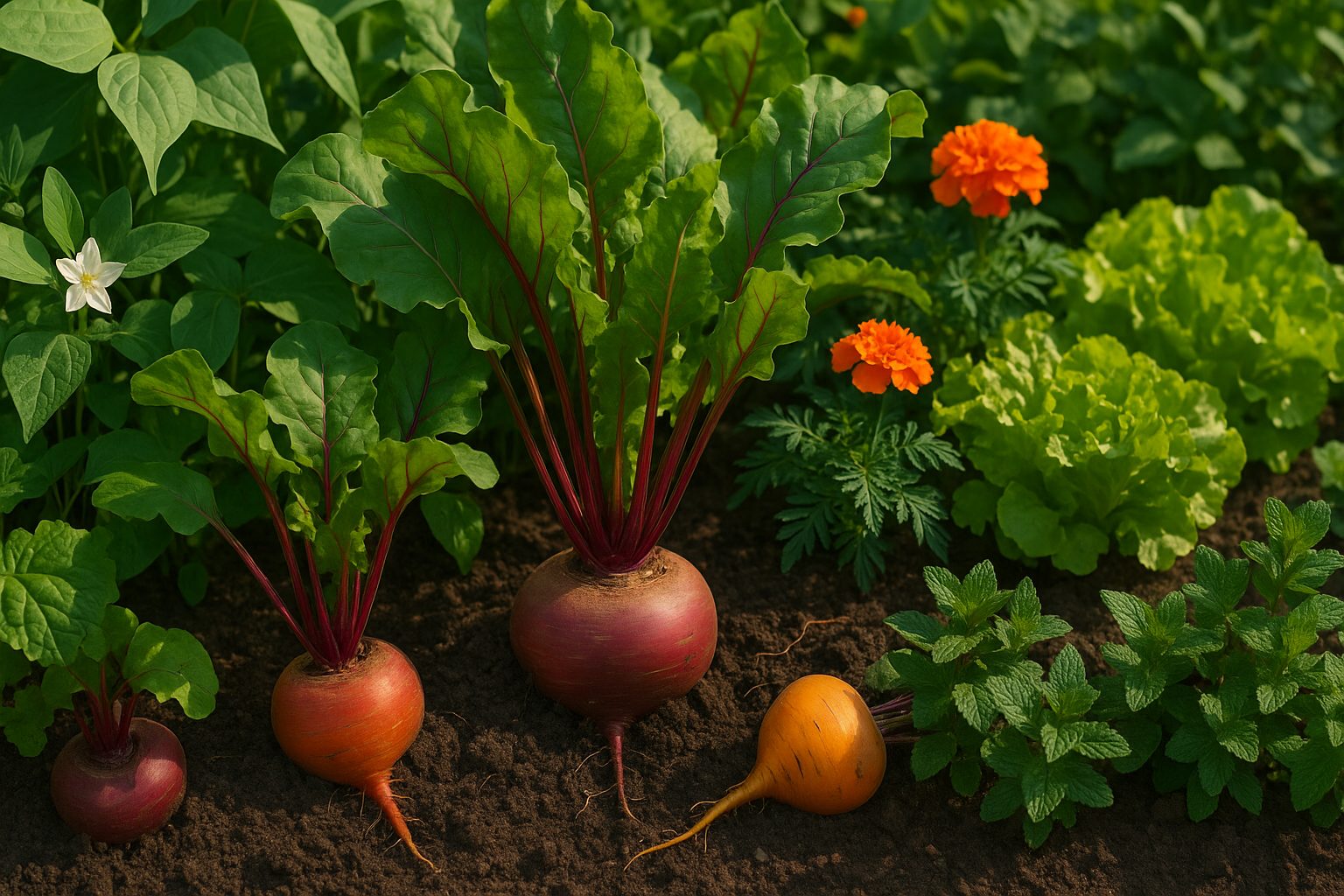
Beet companion plants are a smart choice for gardeners aiming to maximize healthy yields with minimal fuss. Companion planting—the practice of grouping specific plants together—offers a natural way to boost growth, deter pests, and enrich your garden’s soil. Instead of fighting nature, you’re working with it, creating tiny, thriving ecosystems right in your backyard. This technique is especially beneficial for home gardens where space and resources are precious.
When it comes to beets, these root vegetables are prized for their sweet, earthy flavor and vibrant color. Beets thrive in loose, fertile soil with plenty of sun, and their rounded roots and lush, leafy tops make them a versatile addition to both your meals and your garden beds. However, like all plants, beets have their preferences—and their rivals—in the plant world.
In this article, you’ll discover why selecting the right beet companion plants can make all the difference. We’ll cover the best pairings, such as leafy greens that share similar soil and light requirements, as well as herbs and flowers that repel problematic insects or attract pollinators. You’ll also learn which plants to avoid planting near your beets, since some species can inhibit beet growth or compete for vital nutrients. Real-world gardeners have found that strategic combinations—like growing beets near onions to minimize pest problems, or pairing them with bush beans for soil health—can lead to bigger, more resilient harvests.
Whether you have a sprawling vegetable patch or just a few raised beds, understanding the dos and don’ts of companion planting with beets will help boost productivity and resilience throughout the season. Read on to learn how to plan your beet beds for a thriving, bountiful garden.
Why Companion Planting Works for Beets
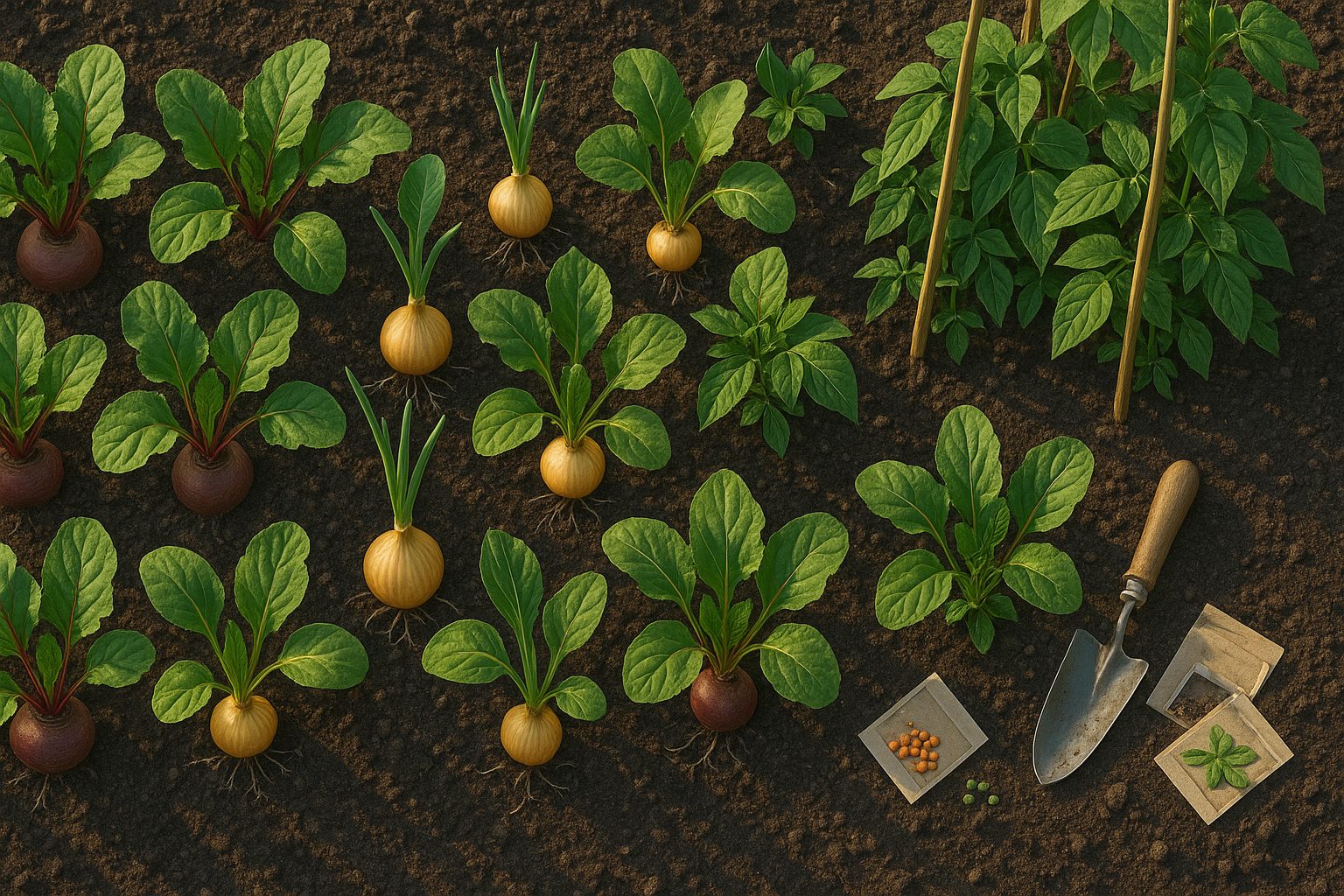
Beets are relatively easy to grow, but they thrive best when given the right conditions. They prefer loose, well-draining soil with plenty of organic matter and a slightly acidic to neutral pH. Sunlight is key—beets need at least six hours of direct sun each day for plump roots, though they can tolerate partial shade.
Consistent, moderate watering is essential so the soil stays moist but not soggy, supporting even growth and preventing woody, split roots. Beets also benefit from proper spacing, with seeds sown about 2 inches apart in rows 12 inches apart to encourage healthy development and easy harvesting.
Companion planting takes beet gardening a step further. Planting beets next to onions can help deter pests like aphids, while bush beans not only save space by filling gaps above or beside beets but also fix nitrogen in the soil, providing a gentle nutrient boost. Leafy greens such as lettuce can grow in the shade of beets, helping to suppress weeds and maximize your garden’s productivity. Some gardeners even find that interplanting beets with herbs like dill can subtly enhance beet flavor.
However, certain mistakes can undo these benefits. Avoid planting beets near aggressive root crops like pole beans, as they can compete for nutrients and stunt each other’s growth. Overcrowding is another common issue; packing plants too tightly can restrict airflow and encourage disease. Finally, using incompatible plants—like adding too many nitrogen-fixing companions—may lead to lush beet tops but tiny, underdeveloped roots.
With mindful companion planting, you can help your beets flourish more naturally and efficiently.
Top Companion Plants for Beets: Vegetables, Herbs & Flowers
Pairing your beets with the right companion plants not only boosts your garden’s productivity but also helps reduce the need for pesticides and fertilizers. Among vegetables, bush beans are a top pick—these legumes fix nitrogen in the soil, providing vital nutrients that beets need without competing for resources. Lettuce is another great neighbor since its shallow roots won’t interfere with beet growth and it helps shade the soil, keeping it cool and moist on hot days. Radishes grow quickly, filling in gaps and loosening soil around beets, which makes it easier for your root veggies to expand. Carrots complement beets well because their roots grow at different depths, minimizing competition for nutrients and space.
Brassicas, including cabbage and kale, are also effective companions. Their shade shelters beet seedlings and helps retain moisture, but be mindful as they can compete for certain nutrients if overcrowded. Onions and kohlrabi can help too—onions repel common beet pests with their pungent scent, while kohlrabi’s unique growth habit ensures it won’t compete directly for soil space or nutrients.
Herbs That Benefit Beets
Herbs offer additional perks for your beet patch. Planting garlic nearby deters soil-borne pests like aphids and improves the overall health of your beets. Sage naturally repels beet pests such as flea beetles and adds an aromatic boost to your garden. Catnip keeps destructive beetles away thanks to its strong fragrance, while mint helps control harmful insects like aphids and beet flies. Just be sure to plant mint in a controlled area or container, as it can spread aggressively.
Flowers That Support Beet Growth
Flowers are a key part of companion planting with beets. Marigolds are especially valuable because they repel nematodes and a variety of beet pests, plus add a bright splash of color to your garden. Nasturtiums are equally beneficial—they attract pollinators to help increase beet yields and act as a “trap crop,” drawing aphids and other pests away from your beets.
When planning your beet patch, mixing in these companion plants will create a more resilient, productive, and visually appealing garden. Remember to leave enough space for each plant to thrive, and consider the growth habits of both beets and their companions for best results. By strategically pairing vegetables, herbs, and flowers, you’ll support healthy beet growth and enjoy a more diverse and sustainable harvest.
Plants to Avoid Near Beets
When planning your beet garden, it’s essential to avoid planting certain crops nearby, as they can harm beet growth and reduce your harvest. Pole beans, for example, are notorious for outcompeting beets for nutrients, especially nitrogen, which both crops need to thrive.
Because pole beans grow quickly and have deep root systems, they tend to pull valuable resources from the soil, leaving beets stunted and less productive. Field mustard is another poor companion—this brassica releases natural chemicals through its roots in a process called allelopathy, which can inhibit beet seed germination and stunt their early growth.
On top of that, field mustard can attract pests that also love feasting on beets, such as certain leafminers. Even Swiss chard, though it seems harmless since it’s closely related to beets, is best kept at a distance. Chard and beets share similar soil and nutrient needs, so growing them side by side means they’ll compete directly for food, often leading to smaller, less flavorful beets and an overall less healthy garden.
To avoid these pitfalls, map out your garden beds with deliberate spacing in mind. Try grouping beets with companions like onions or lettuce, which have different nutrient needs and attract fewer of the same pests. If your space is limited, consider rotating crops each season to prevent nutrient depletion and pest buildup.
Making these mindful choices helps ensure your beets have the best environment to thrive, resulting in a healthier harvest and fewer headaches for you as a gardener.
How to Arrange Beets and Their Companions in the Garden
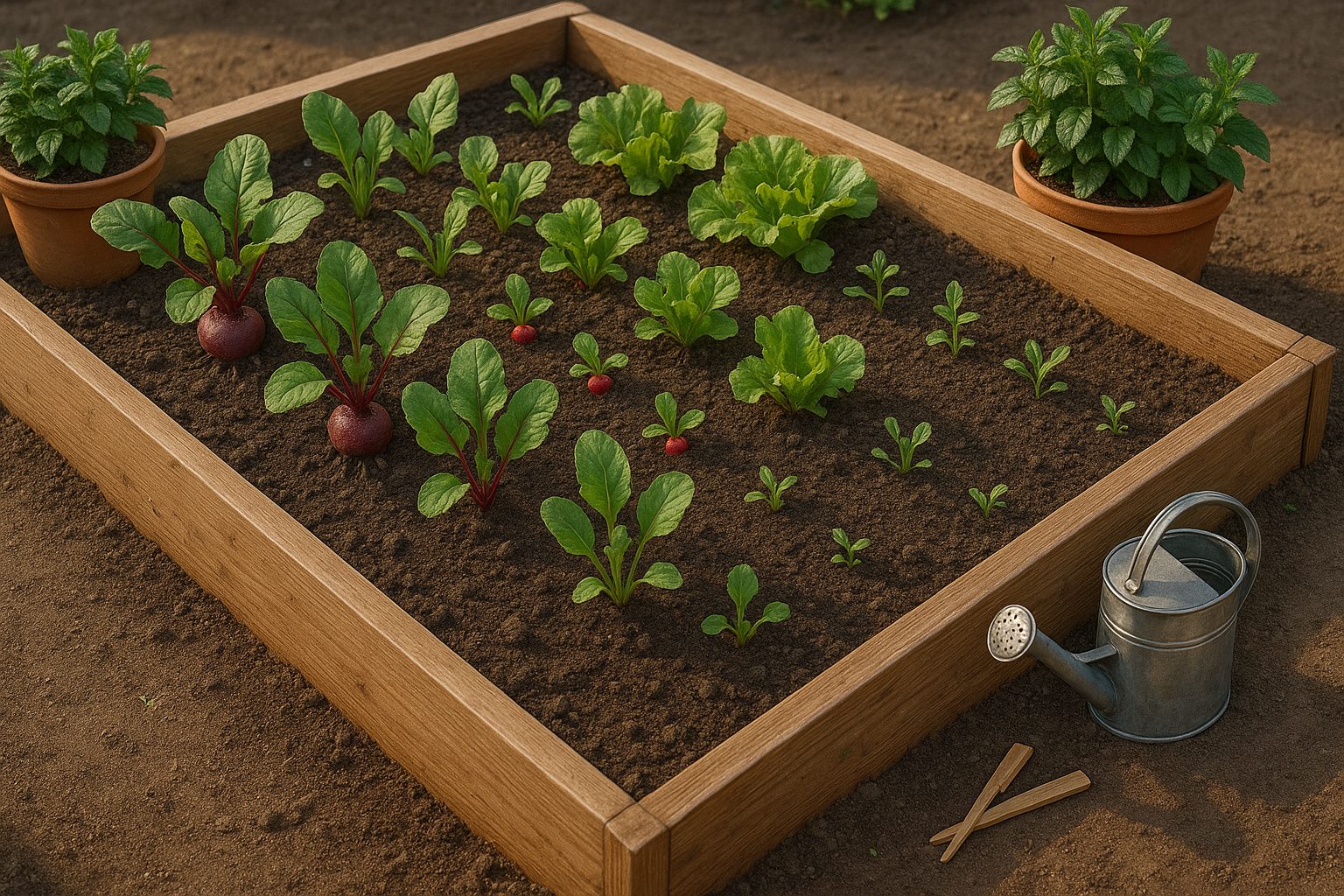
When arranging beets in your garden, start by considering the size of your space. For small gardens or raised beds, plant beets in neat rows or short zigzag groups, leaving about 3-4 inches between each plant to give the roots space to swell and the leaves room to breathe.
If your garden is larger, you can create wider rows or even bed-style blocks, spacing rows about 12-18 inches apart to make weeding and harvesting easier. Remember, beets thrive when their roots don’t have to compete, so thinning seedlings after they sprout is essential—just snip off the extras so only the strongest remain.
Companion planting is another great strategy, as beets get along well with lettuce, onions, or bush beans, which help deter common pests and use different layers of soil for nutrients. Try interplanting fast-growing crops like radishes or leaf lettuce between beet rows; these will mature and be harvested before the beets need the extra space, maximizing every inch of your garden.
For an ongoing harvest, practice succession planting: sow a new patch of beets every two to three weeks during the cool season. This keeps your kitchen stocked and reduces pest pressure, since not all your plants will be at the same stage of vulnerability at once.
Whether you’re working with a small plot or a sprawling garden, mindful spacing, strategic companions, and staggered plantings go a long way to ensure a bountiful and healthy beet harvest.
Common Beet Companion Planting Problems & Solutions
Companion planting with beets can be highly rewarding, but several common issues often arise that can hinder your harvest.
Overcrowding is a frequent problem, where beet roots and their companions compete for limited space, sunlight, and soil nutrients. This not only stunts beet growth but also weakens the surrounding plants. To avoid overcrowding, be sure to follow spacing guidelines and thin out seedlings early, allowing each plant ample room to thrive.
Nutrient competition is another challenge; some companions, like spinach or lettuce, need similar nutrients as beets and can quickly deplete the soil, leaving your crop pale or slow-growing. Combat this by amending your soil with compost before planting, and consider rotating crops each season to replenish essential nutrients.
Pest outbreaks—especially from aphids, leaf miners, or flea beetles—can spread rapidly when beets are clustered with susceptible partners. Employ integrated pest management by interspersing deterrent herbs like mint or marigold, encouraging beneficial insects, and inspecting leaves regularly for early signs of trouble. If a pest problem is spotted, remove affected leaves and use organic solutions like neem oil or insecticidal soap before infestations escalate.
Lastly, stay vigilant as the season progresses. Monitor your garden weekly for shifts in plant health or soil conditions, adjusting watering or fertilization as needed. Be mindful of changing temperatures and daylight, since beets favor cooler weather; you may need to offer shade or extra mulch during heat waves. By staying attentive and proactive with these strategies, you’ll help your beets and their companions flourish side by side.
Frequently Asked Questions About Beet Companion Planting
Many gardeners wonder which vegetables pair well with beets in the garden. Can you plant beets with tomatoes? While beets and tomatoes don’t actively harm each other, they compete for nutrients. It’s better to plant beets alongside beans, lettuce, or onions, which are less competitive and can actually improve beet growth (see our “Best Beet Companions” section for more options).
How much space should you leave between beets and companion herbs like dill or mint? A good rule is at least 8–12 inches apart, giving roots plenty of room to develop and avoiding overly aggressive herbs. Dill works well, but mint’s invasiveness means it’s better grown in containers nearby (refer to “Herbs That Boost Beets” above).
Are there beneficial flowers for beet beds? Absolutely! Marigolds, nasturtiums, and calendula not only attract helpful pollinators but also deter pests like aphids and flea beetles (check “Flowers That Protect Beets” for more details).
What should you never plant next to beets? Avoid planting beets with pole beans or members of the Brassica family (such as broccoli or cabbage), since they can stunt beet growth or draw out valuable nutrients.
Lastly, can beets be planted in partial shade? Beets tolerate light shade but thrive best with at least 6 hours of sunlight. If your only garden spot gets less, consider a raised bed in the sunniest patch (“Tips for Healthy Beets” shares more on light needs).
Rotate crops each year for healthier beets and companions, and you’ll enjoy vibrant, productive beds all season.
Final Tips and Resources for Beet Companion Planting Success
Successful beet companion planting comes down to a few key principles: choose companions that benefit beets, avoid those that compete or attract pests, and pay attention to your garden’s specific conditions. Lettuce, onions, and bush beans make great neighbors for beets, boosting growth and reducing pest problems, while crops like pole beans and field mustard should be planted elsewhere.
Remember, companion planting isn’t a strict formula—what works in one region or soil type might not in another. Have fun experimenting each season; keep a simple garden journal to track which plant combinations thrive and which underperform in your unique climate. Don’t hesitate to try new companion pairings or adjust your layout based on what you observe.
For deeper learning, check out books like Carrots Love Tomatoes by Louise Riotte or explore university extension resources for research-based advice tailored to your region. Online gardening communities—such as the r/gardening subreddit or specialty forums—are also valuable spaces to exchange tips and experiences with other growers.
By staying curious and open to seasonal adjustments, you’ll find the perfect companions to help your beets flourish year after year.