Understanding Yellowing Arugula Leaves
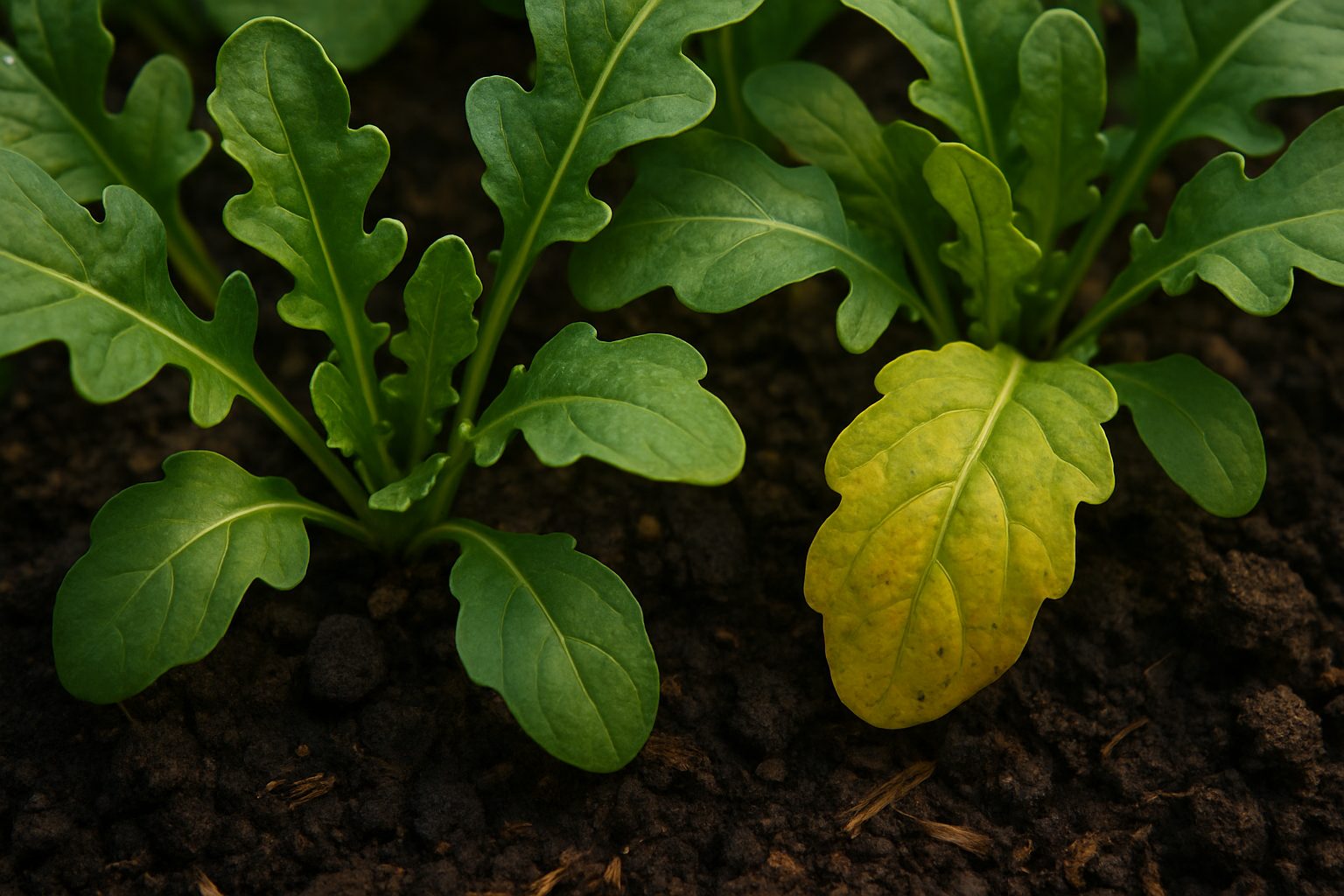
If you’ve noticed yellow arugula leaves cropping up in your garden, you’re not alone—this change in color is a common signal that your plant is experiencing stress or an underlying problem. Healthy arugula leaves are normally vibrant green, so when they begin to turn yellow, it usually means something isn’t quite right beneath the surface.
Common issues can range from overwatering and poor drainage to nutrient deficiencies or even pests. Catching yellowing early is essential for restoring your plants to health; letting these symptoms go unchecked can lead to more severe problems, including stunted growth or plant loss.
Luckily, yellow arugula leaves typically serve as an early-warning system, allowing gardeners to step in and correct the issue before it becomes serious. For example, a quick soil check can tell you if you’ve watered too much, and adding compost can resolve many nutrient shortfalls.
The best part? With prompt attention and a bit of troubleshooting, most cases of yellow arugula leaves are completely reversible, and you’ll soon have your patch glowing green once again. Keep an eye out for these changes—it’s one of the simplest ways to ensure a healthy, thriving arugula crop.
Watering Issues: Overwatering and Underwatering
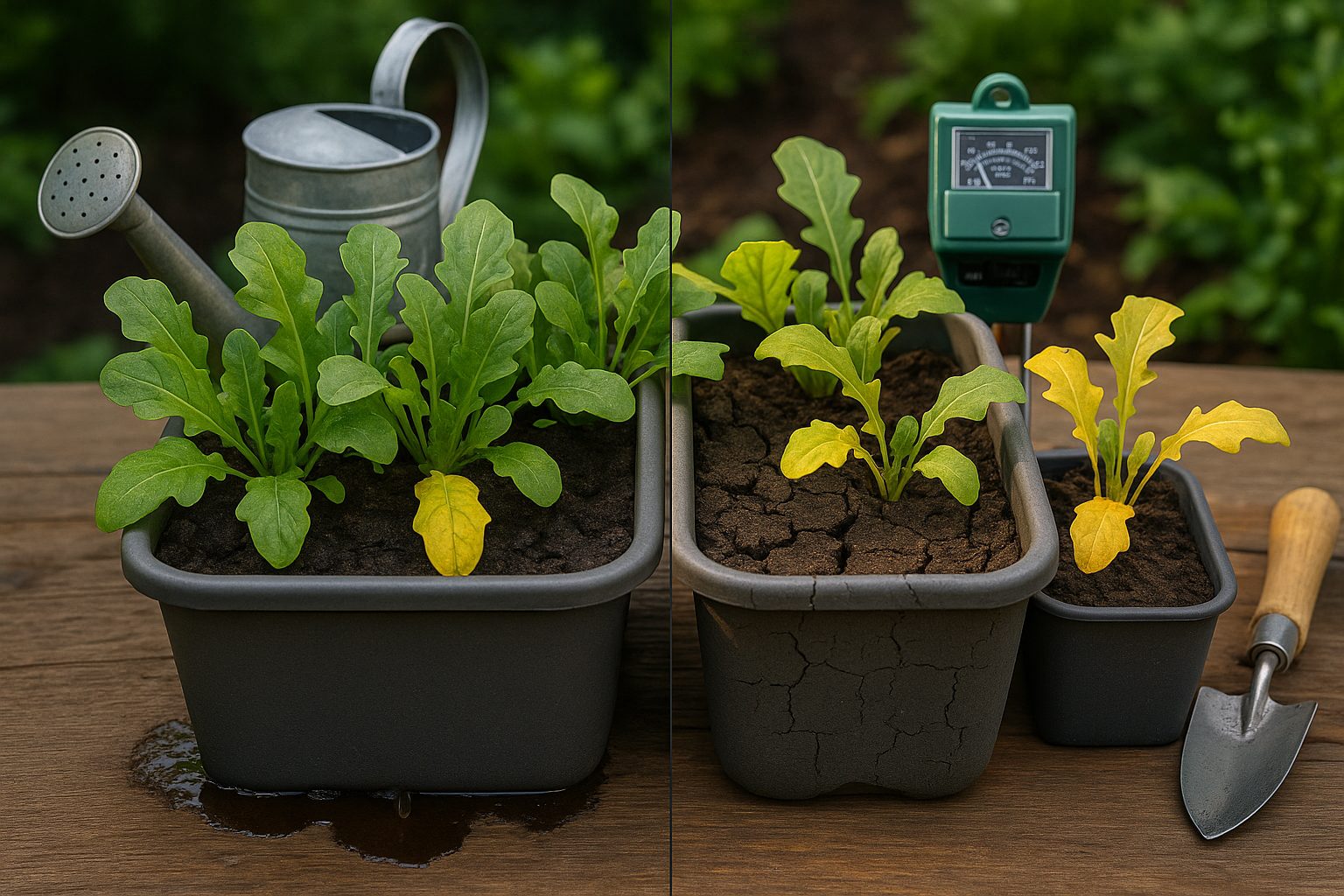
Both overwatering and underwatering can stress arugula plants, causing their leaves to turn yellow—but for very different reasons. Arugula needs consistent moisture, yet when its roots sit in waterlogged soil, they can’t access the oxygen needed for healthy growth. This leads to symptoms like wilting, soggy or mushy soil, foul-smelling roots (root rot), and yellow leaves with a mushy texture.
In contrast, underwatering deprives the plant of necessary hydration, resulting in wilted, crisp or papery leaves, dry soil that pulls away from the pot edges, and overall stunted growth with yellowing due to moisture stress. Well-drained soil is the key balance here—it should feel slightly moist but never saturated.
Creating the Ideal Soil Mix
A good arugula soil mix is loose, crumbly, contains plenty of compost, and drains quickly after watering. Test drainage by watering and checking if water disappears in under 30 seconds or by squeezing a handful of soil (it should clump but not ooze water).
Proper Watering Routine
- Water deeply when the top inch of soil feels dry to the touch.
- Let excess water drain away completely.
- In hot weather or containers, check moisture daily.
- In cooler garden beds, watering less frequently may suffice.
- Use mulch to help retain even moisture.
By paying close attention to your soil’s feel and your plant’s appearance, you’ll quickly spot whether over- or underwatering is the culprit—allowing you to adjust and keep your arugula thriving.
Light, Temperature, and Planting Conditions
Arugula thrives best when it receives full sun for about 4 to 6 hours daily, although it can tolerate partial shade—especially in hot climates. Not enough sunlight will cause the leaves to become pale and thin, while too much intense sun can scorch the foliage, leading to yellow or brown patches. For best results, aim to plant arugula where it can get gentle morning sun and protection from the intense afternoon heat.
Temperature is equally important: arugula grows vigorously in cool conditions, ideally between 45°F and 65°F (7°C to 18°C). When temperatures climb above 75°F (24°C), arugula may bolt (go to flower prematurely), and its leaves can turn yellow, wilt, or develop a bitter taste. Conversely, exposure to frost or chilly winds can darken or stunt the leaves.
Soil nutrition plays a significant role in leaf health. Arugula prefers well-draining, fertile soil enriched with compost or a balanced fertilizer. Nutrient-poor soil often results in slow growth and yellowing leaves. Proper spacing—around 4 to 6 inches apart—ensures each plant has enough airflow and room to develop strong roots. Overcrowding not only stifles growth but also increases the risk of fungal diseases and leaf discoloration due to excess moisture and limited light.
Whether you’re growing arugula in containers or garden beds, paying attention to these light, temperature, and soil factors can make a big difference in keeping your plants green and healthy.
Common Pests and Diseases Affecting Arugula
Arugula is a favorite among home gardeners, but it can fall victim to several pests and diseases that cause unsightly yellowing leaves.
aphids are tiny, sap-sucking insects that cluster on the undersides of leaves, draining moisture and nutrients, which causes the leaves to curl, yellow, and weaken. Flea beetles—shiny, jumping pests—chew small, round holes in the leaves, and heavy infestations can lead to overall yellowing and stunted growth.
Alongside pests, arugula is vulnerable to diseases like downy mildew, which appears as yellow patches on the upper leaf surfaces with grayish, fuzzy mold underneath. Leaf spot disease causes small, yellow-to-brown spots that can merge, leading to larger blotches and eventual leaf drop. White rust, another common fungal disease, creates white blister-like pustules on leaves and stems, often surrounded by patches of pale yellow.
To protect your arugula, prioritize prevention with proper spacing for good airflow, as crowded plants are more likely to stay damp and develop fungal problems. Water at the base of plants in the morning to keep leaves dry, and remove any affected leaves right away to prevent the spread of disease.
For pests like aphids, a strong spray of water can knock them off, while insecticidal soap is safe and effective for persistent issues. If flea beetles are a problem, use floating row covers to keep them out and apply diatomaceous earth around the base of plants as a natural deterrent.
By staying vigilant and using these simple strategies, you can keep your arugula healthy, green, and harvest-ready throughout the season.
Environmental Stresses and How to Prevent Them
Environmental stresses can quickly affect the health of your arugula plants, causing problems like leaf yellowing or stunted growth. Common stress factors include extreme weather conditions such as sudden heat waves or unexpected frosts, which can shock the plants and slow their development. Poor drainage is another frequent issue, leading to waterlogged roots that are starved of oxygen—bad news for any leafy green. Transplant shock, which occurs when seedlings are abruptly moved outdoors, can also leave arugula vulnerable.
To protect your crop, try these proactive strategies:
- Apply a layer of organic mulch to insulate roots from temperature swings and conserve soil moisture.
- Use shade cloth or lightweight row covers to shield plants from harsh sun and wind.
- When transplanting seedlings, ease them into their new environment over 5–7 days by placing them outside for progressively longer periods. This gradual acclimatization helps toughen them up for garden life.
Don’t underestimate the value of consistent care—by paying close attention to drainage, protecting young plants from the elements, and fostering a gentle transition after transplanting, you can minimize environmental stressors and keep your arugula thriving, green, and healthy.
Best Practices for Healthy Green Arugula
Growing vibrant, healthy green arugula starts with a little daily attention and good gardening habits. Begin by spacing your arugula plants about 6 inches apart—this gives them room to breathe, reducing the risk of fungal issues and allowing each plant to soak up plenty of sunlight.
Make a habit of inspecting your plants every few days for pests, wilting, or any yellowing leaves. Spotting problems early, like aphids or mildew, lets you act fast—removing affected leaves or gently hosing off bugs before they spread.
Feed your arugula organically with compost or a mild, nitrogen-rich fertilizer every few weeks to keep growth strong and flavors fresh. Rotating your crops each season is another smart move, helping prevent soil-borne diseases and discouraging pests from calling your garden home year after year.
If you’ve had trouble with disease in the past, look for arugula varieties labeled “disease-resistant”—these can save you time and stress. Consistent care, quick action at the first sign of yellowing, and these proactive practices will reward you with lush, peppery greens all season long.