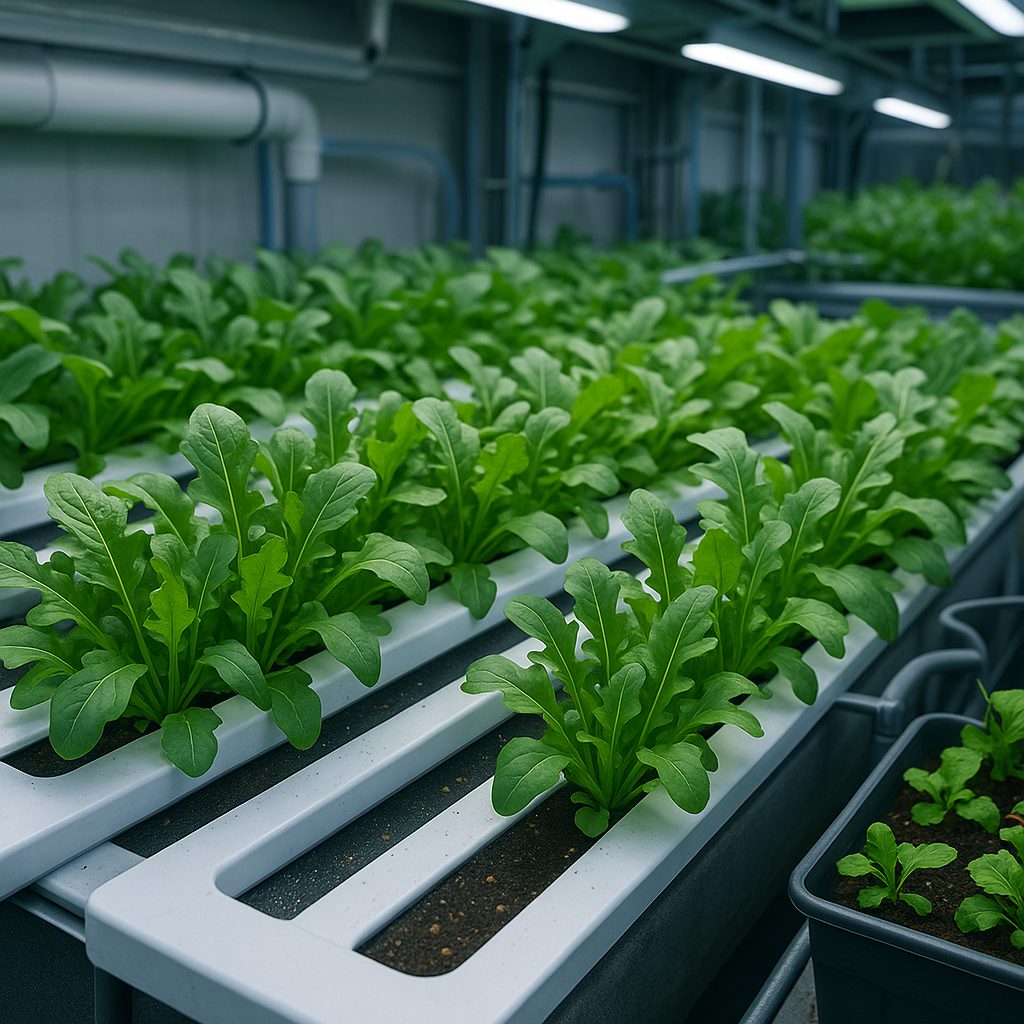
Introduction to Hydroponic Arugula
Hydroponic arugula is quickly gaining popularity among gardeners and chefs alike—and for good reason. Hydroponics, a method of growing plants without soil using nutrient-rich water, has become the go-to option for anyone looking to cultivate fresh, healthy greens year-round.
Leafy greens, especially arugula, thrive in these controlled environments. Arugula stands out for its peppery bite and bright, complex flavor—a favorite in salads, wraps, and garnishes. Not only does arugula add a flavorful punch, but it’s also loaded with essential vitamins, antioxidants, and minerals that support a healthy diet.
Growing arugula hydroponically means you can enjoy this supergreen regardless of the weather or garden space at home. Compared to traditional soil cultivation, hydroponic systems use less water, reduce the risk of pests, and often yield faster, more consistent harvests. Many hydroponic growers find that their arugula stays clean, tender, and free from soil-borne diseases.
Whether you’re a beginner or an experienced gardener, hydroponic arugula offers a practical and rewarding way to keep your plate—and your nutrition—full of fresh greens all year long.
Understanding Hydroponics and Why Arugula Thrives
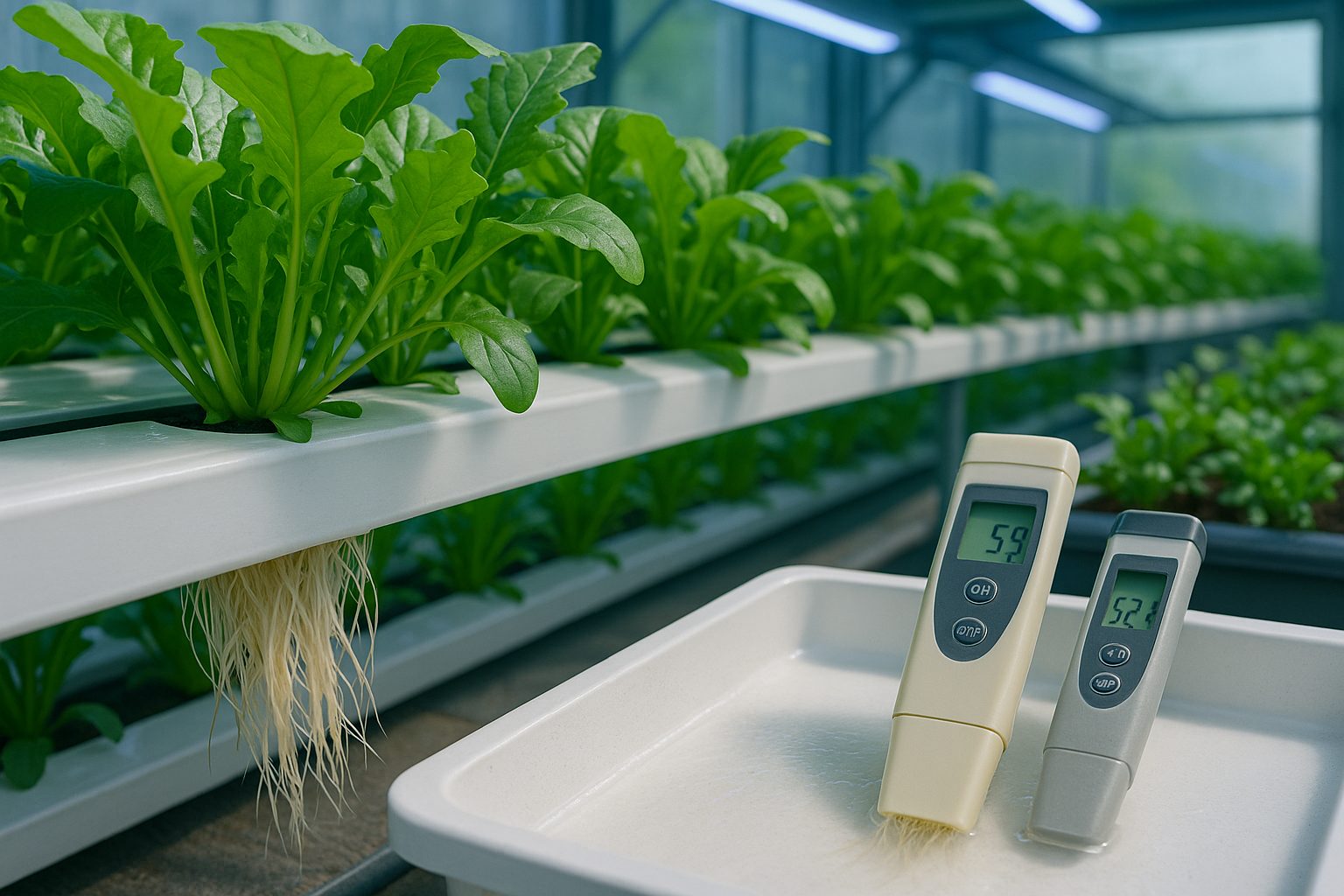
Hydroponics is a method of growing plants without soil, using a nutrient-rich water solution to deliver everything roots need directly and efficiently. For home gardeners, this means setting up systems like deep water culture or nutrient film technique, typically in a small space with controlled lighting and temperature.
Hydroponics can speed up growth, reduce pests, and minimize water usage compared to traditional gardening. Arugula, in particular, is an excellent candidate for hydroponic cultivation because it has a shallow root system, grows rapidly—often ready to harvest in as little as 3–4 weeks—and flourishes in a range of temperatures (ideally between 55–70°F).
Its peppery leaves don’t demand intense light or heat, making it a forgiving choice for beginners. However, arugula is sensitive to imbalances in nutrient concentration and water temperature, which can cause bitter flavors or stunted growth. Keeping water clean and monitoring for algae buildup or root rot is essential.
Gardeners may also notice rapid bolting (flowering too soon) if the temperature spikes, leading to tough, less tasty leaves. Regular monitoring, frequent harvesting, and maintaining steady conditions will help arugula thrive, making hydroponics both rewarding and manageable for home growers.
Best Growing Mediums and Setup Tips
Choosing the right growing medium is key for healthy arugula in hydroponic systems. Rockwool is a top choice for many growers because it retains moisture well and provides excellent support for seedling roots, but it can be tricky to manage if it gets too wet. Coco coir is another fantastic option, made from coconut husks, offering great water retention and a more eco-friendly profile. Plus, it’s easy to handle and works well for beginners. Clay pellets, also known as hydroton, are lightweight and reusable, with superb drainage, making them ideal for preventing root rot. However, they dry out faster, so keep an eye on irrigation.
When it comes to system selection, arugula thrives in nutrient film technique (NFT) setups, which allow roots to access a thin film of flowing nutrient solution—maximizing oxygen and nutrient uptake for rapid growth. Deep water culture (DWC) is another solid pick, where plants sit in oxygen-rich nutrient baths, supporting fast-growing, leafy greens like arugula with minimal fuss.
Whichever hydroponic method and medium you choose, pay close attention to essentials like lighting—LED grow lights offer efficient, customizable options that mimic sunlight. Maintain temperatures between 60–68°F (15–20°C) for optimal growth, and always monitor water pH (keep it around 6.0–6.5) and cleanliness to prevent algae or root disease. Investing in a basic water quality tester and watching for any nutrient imbalances will go a long way toward a lush, healthy arugula harvest.
Step-by-Step Guide to Growing Hydroponic Arugula
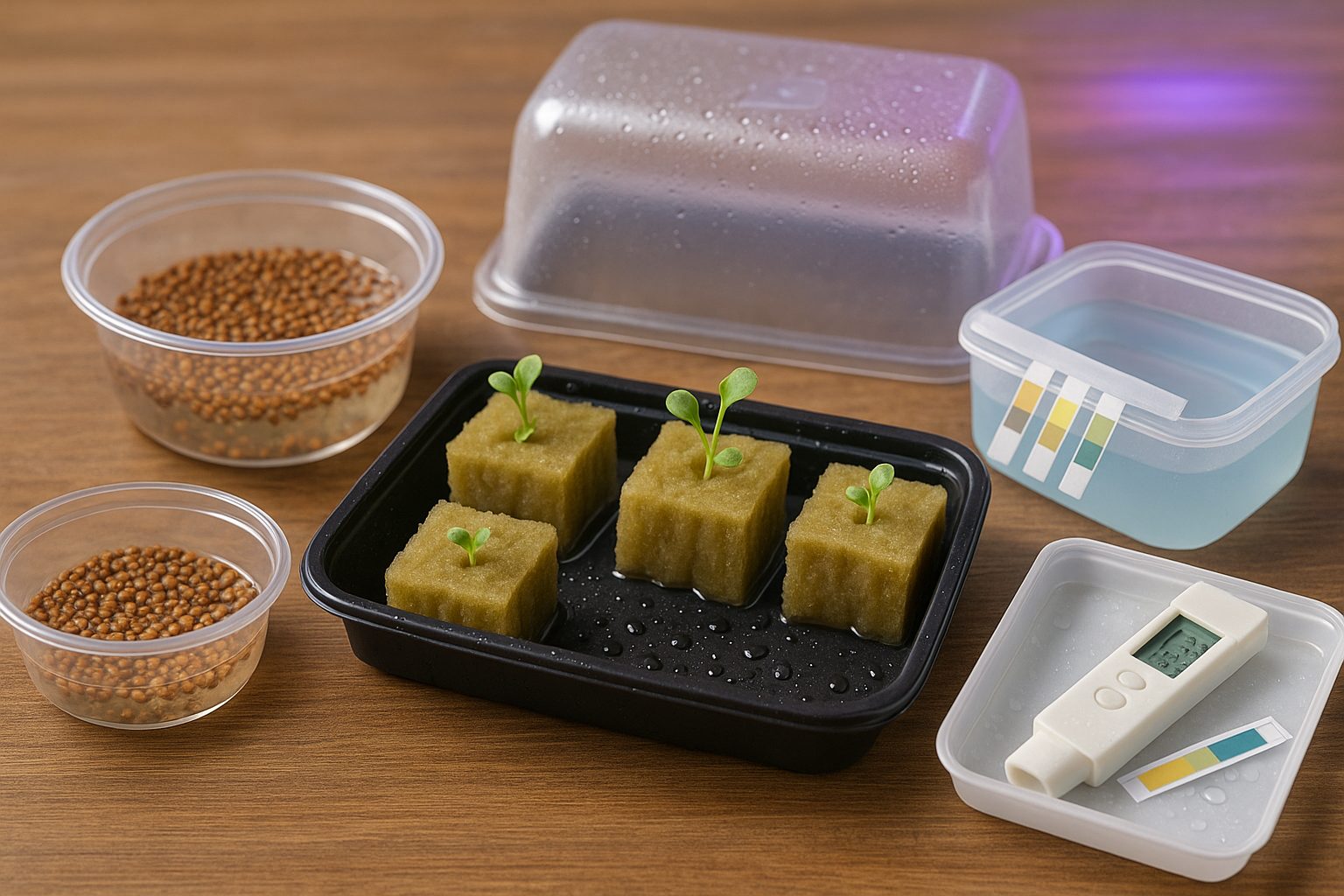
Growing hydroponic arugula is rewarding and surprisingly simple when you follow a structured process. Start by soaking arugula seeds in clean water for a few hours to encourage quick germination. Place the seeds in a moistened, sterile seed-starting medium—rockwool cubes work perfectly—and keep them in a warm (70–75°F), humid environment with indirect light.
Within three to five days, seedlings will sprout; at this stage, a gentle humidity dome and consistent misting prevent them from drying out. After about one week, once seedlings show two true leaves, carefully transfer each one to your hydroponic system, such as a deep water culture or nutrient film technique setup. Ensure the young plants’ roots are just touching the nutrient solution, which should be kept at a mild EC of 1.0–1.2 and a pH around 6.0–6.5. Arugula loves bright, indirect light; aim for 12–16 hours per day using full-spectrum grow lights.
Weeks Two to Four: Rapid Growth
During weeks two to four, arugula plants enter rapid growth. Check daily for robust, deep green leaves and crisp stems—signs of good health. Adjust nutrient strength to EC 1.5–1.8 as plants mature, always ensuring roots stay white and free from slime, which can indicate potential root rot.
Maintain air movement and keep temperatures between 65–72°F to avoid bolting (premature flowering), especially in warmer seasons. By week three, arugula should develop a dense cluster of leaves about 4–6 inches tall; thinning weaker plants at this stage gives the remaining ones more room to thrive. Always check for pests like aphids or fungal spots, catching them early with organic sprays.
Week Four to Five: Harvest Time
By week four to five, your arugula will be lush, peppery, and ready to harvest—snip outer leaves so the plant can keep producing. This method guarantees fresh, homegrown greens in just a month.
Troubleshooting and Common Mistakes
When growing plants, spotting common problems early can save your crop from disappointment. Nutrient deficiencies often show as yellowing leaves or stunted growth. For example, a pale color might signal a lack of nitrogen, while brown leaf edges could indicate a potassium shortage. To prevent these issues, use a balanced fertilizer and ensure your soil pH is in the right range for your plant type.
Pest infestations are another frequent problem, often starting with tiny holes in leaves, sticky residue, or visible bugs like aphids or spider mites. Inspect plants regularly, treat with insecticidal soap if needed, and use companion planting to naturally deter pests.
Root health is equally important; wilting or slow growth might point to overwatering or poor drainage, which can lead to root rot. Make sure your containers have drainage holes, never let plants sit in soggy soil, and use a potting mix suitable for your crop.
Early intervention is key, so always check plants weekly for subtle changes. Catching issues quickly will help you maintain healthy, productive crops throughout the season.
Harvesting and Using Your Hydroponic Arugula
Knowing when to harvest hydroponic arugula is key to enjoying its signature peppery bite and lush texture. For peak flavor, snip leaves when they’re about 3–4 inches long—usually three to four weeks after planting. Use clean scissors to trim the outer leaves first, allowing the inner ones to keep growing for several harvests.
Harvest early in the morning for crisp, hydrated greens, and avoid letting the plants bolt, as this makes the leaves bitter. Once picked, rinse arugula gently in cold water, pat dry, and store loosely wrapped in a paper towel inside a sealed container in the fridge; this helps keep it fresh for up to a week.
Arugula shines in salads, pestos, or as a zesty pizza topping—try tossing it over warm pasta for an instant flavor boost.
Nutritional Benefits
Nutritionally, arugula is packed with vitamin K, vitamin C, and folate, while being low in calories yet high in antioxidants. Regularly including fresh arugula in your meals can support bone health, boost your immune system, and add a nutrient-dense punch to everyday dishes.