What Are Flea Beetles?
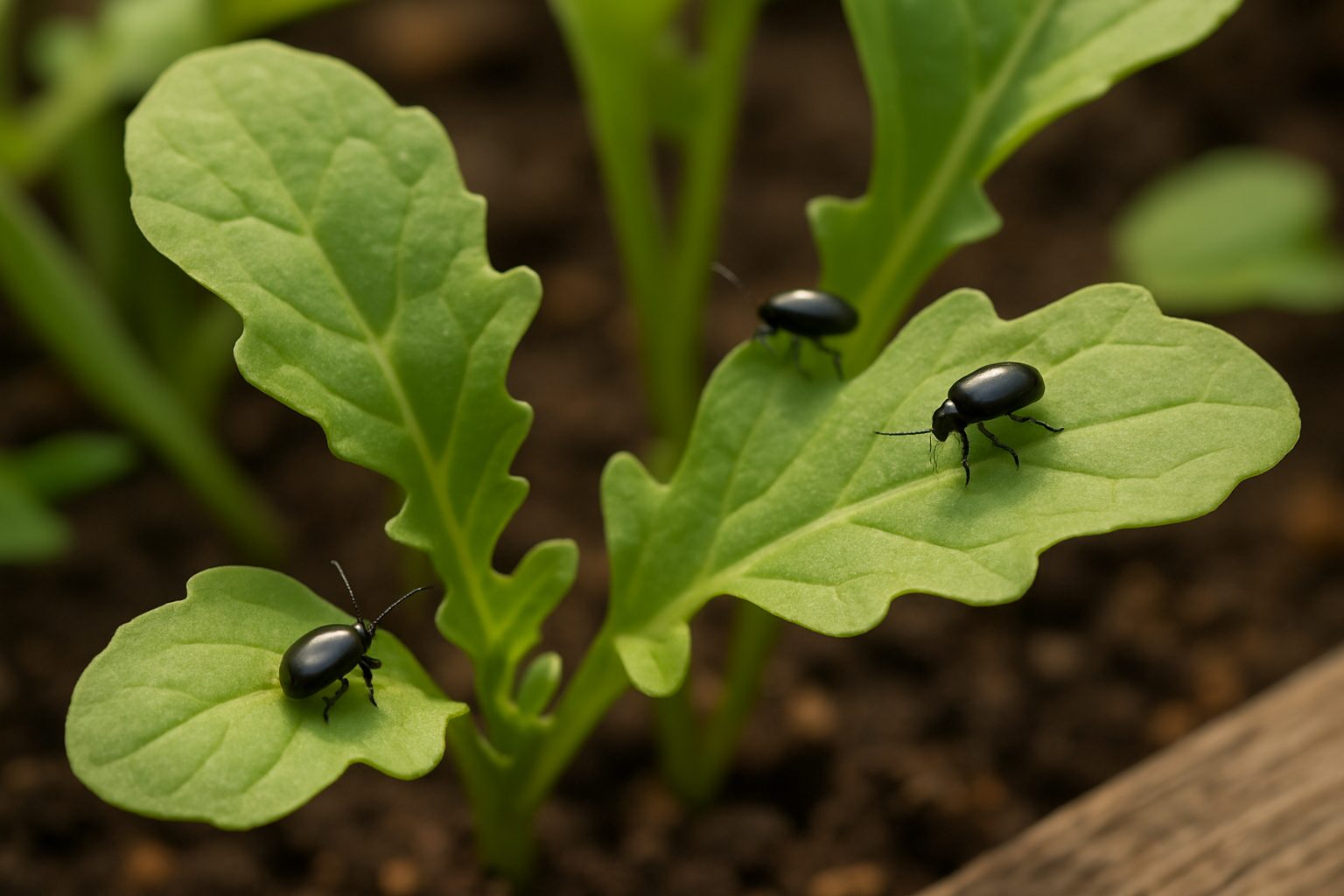
If you’ve noticed tiny holes riddling your leafy greens, you might be dealing with flea beetles on arugula—a common frustration for gardeners and small-scale farmers. Flea beetles are small, jumping insects that can cause serious damage to a variety of crops, especially tender plants like arugula, radishes, and eggplants.
Their presence is significant in gardening and agriculture because even a small population can quickly render crops unmarketable, impacting yields and profits. Flea beetles are typically dark, shiny, and measure only about 1-3mm long, making them easy to overlook until you see their work. They often have enlarged hind legs, enabling them to leap away like fleas when disturbed—hence their name.
Several species invade gardens, with the crucifer flea beetle (Phyllotreta cruciferae) being particularly notorious on arugula and other brassicas. These pests have a rapid lifecycle: eggs are laid near the base of plants, larvae feed on roots and underground stems, and adults emerge to nibble on leaves within three to four weeks.
Flea beetles are most active in spring and early summer, especially during warm, dry weather—just when arugula is establishing itself. Spotting and understanding these pests early can help you protect your precious greens with the right organic techniques.
Recognizing Flea Beetle Damage
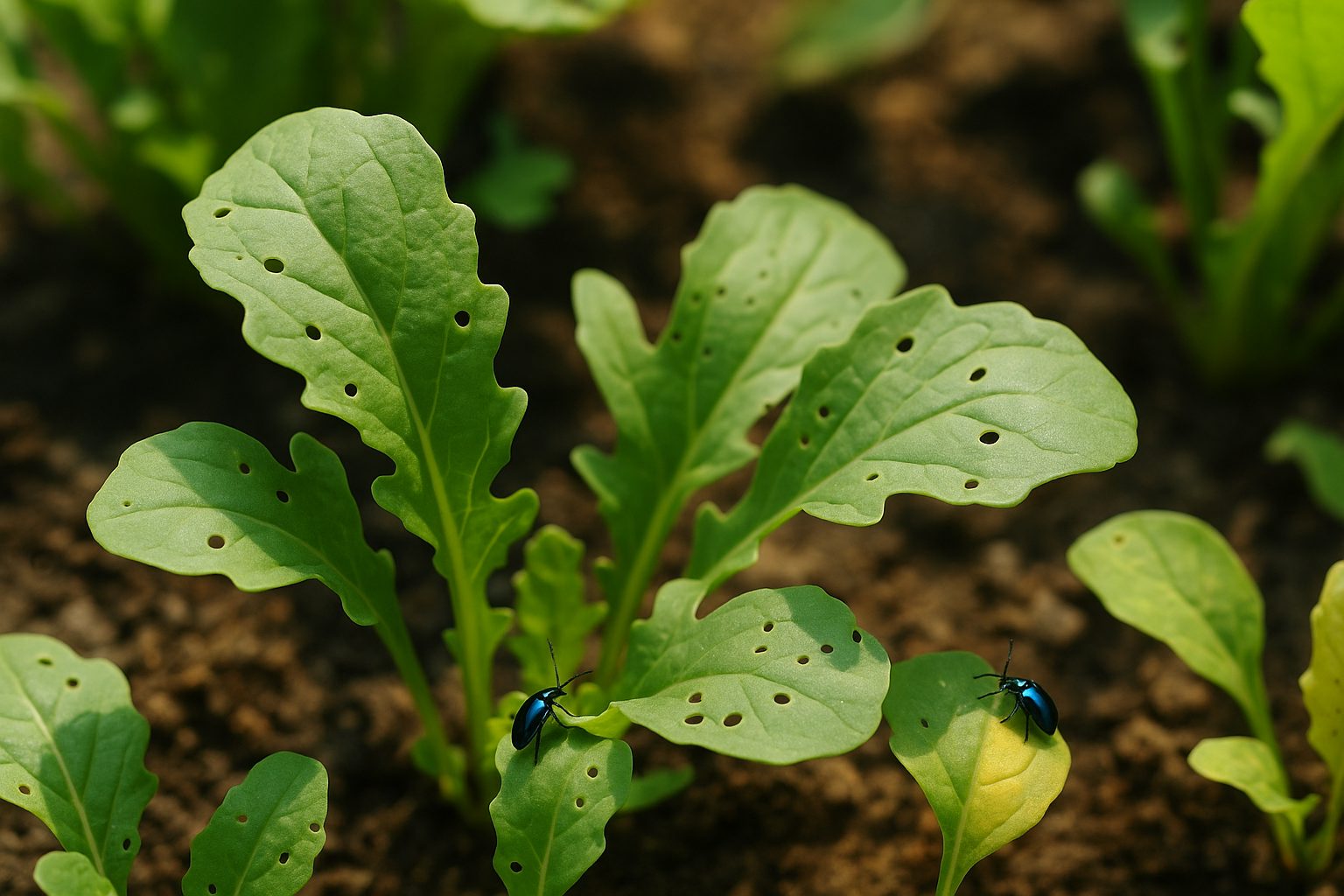
Flea beetle damage is easy to spot once you know what to look for. The most telltale sign is tiny, round holes scattered across young leaves, creating a “shotgun” pattern. These small punctures typically appear early in the growing season when seedlings are most vulnerable.
You might also notice leaves taking on a ragged appearance or even wilting in severe infestations. Flea beetles have clear favorites, often targeting crops like eggplant, tomatoes, radishes, arugula, and other brassicas such as cabbage and broccoli. If you’re growing young seedlings of these plants and spot the characteristic holes, flea beetles are likely the culprits.
To distinguish their damage from that of other pests, look at the size and shape of the holes—flea beetles make pinhead-sized, perfectly round marks, while caterpillars or slugs tend to chew larger, irregular-shaped holes or even consume whole sections of leaf edges.
Another telltale hint: flea beetles are quick jumpers and may leap away when disturbed. A close inspection can often catch them in the act or leave you seeing tiny black or metallic beetles fleeing from the leaves.
Consistent monitoring in the spring and early summer boosts your chances of catching an infestation early.
How Flea Beetles Affect Your Garden
Flea beetles are tiny but notorious pests that can cause major problems in the garden, especially for seedlings and young plants. These insects feed by chewing small, round holes in leaves, creating a distinctive “shot hole” appearance that can quickly turn a healthy, leafy plant into a skeletonized version of itself. While older plants may survive some leaf damage, seedlings and young transplants are much more vulnerable. Severe feeding can stunt growth, delay crop development, or even kill the plant outright.
The risk doesn’t stop with direct feeding damage. Flea beetles can also spread plant diseases like bacterial wilt and viral infections as they move from plant to plant, increasing the threat to your future yields. Crops such as eggplants, radishes, and leafy greens are especially susceptible, often suffering a double blow of chewed leaves and disease pressure.
How to Minimize Flea Beetle Problems
To reduce flea beetle issues, try the following strategies:
- Keep rows covered with floating row covers.
- Practice crop rotation.
- Promptly remove weeds, which can harbor these pests.
Early action is key. Monitoring your garden and intervening at the first signs of flea beetle feeding gives your seedlings the best chance to outgrow the damage and produce a healthy harvest.
How to Get Rid of Flea Beetles
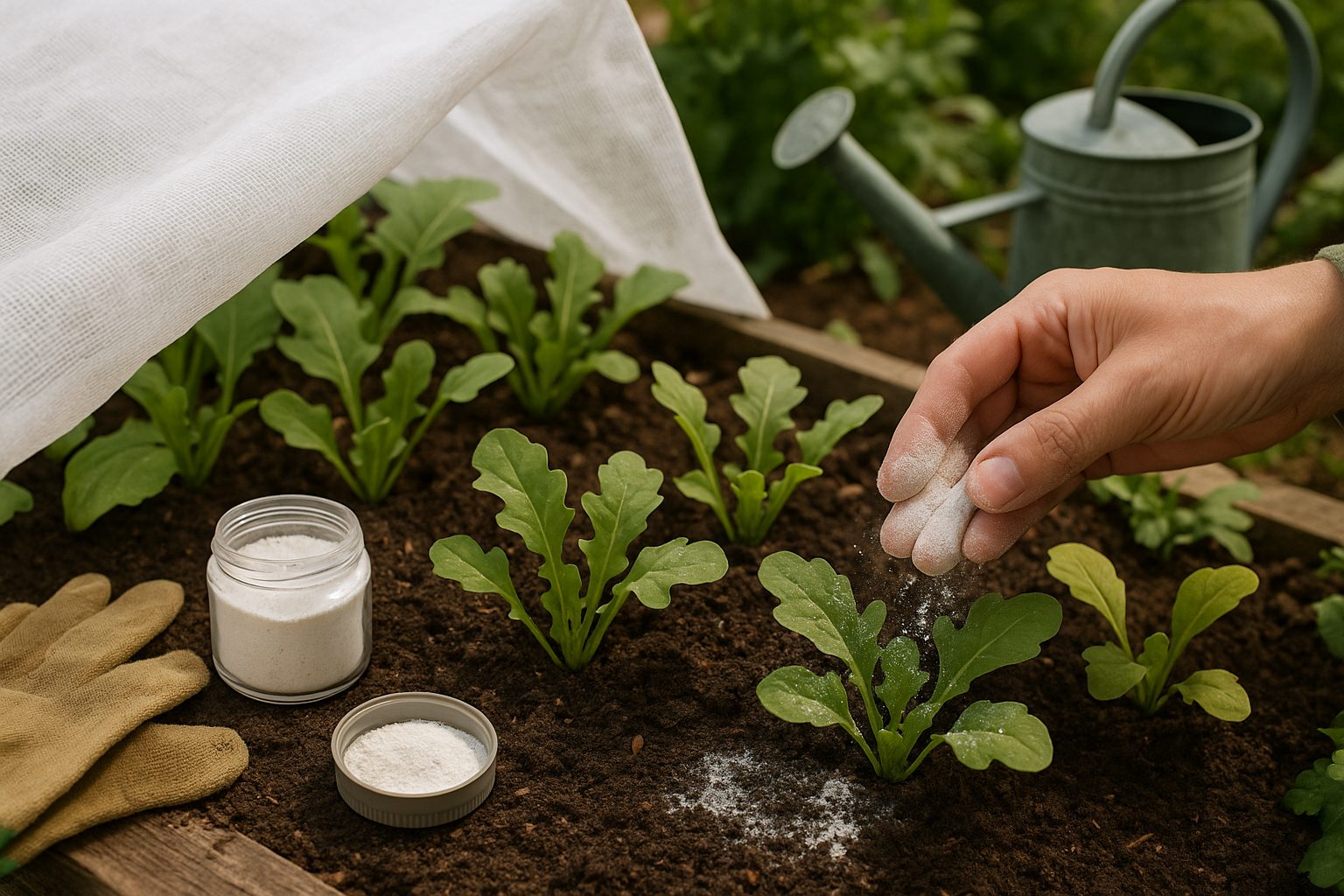
Dealing with flea beetles in your garden requires a blend of strategies to be truly effective. Start with organic controls by covering young plants with floating row covers to create a physical barrier, or dust leaves with food-grade diatomaceous earth as a natural deterrent.
Introducing beneficial insects like ladybugs or lacewings can also help, as they prey on flea beetle eggs and larvae. For those considering chemical means, select targeted insecticides like spinosad or pyrethrin, applying them during early morning or late evening to avoid harming pollinators—always follow label instructions for dosage and safety.
Timing treatments right is important: act early in the growing season, just as seedlings emerge and beetles become active, since young plants are most vulnerable.
Incorporate integrated pest management (IPM) by rotating crops each year to disrupt the flea beetle lifecycle and removing plant debris after harvest to eliminate overwintering spots. You can also interplant repellant species like basil or marigolds among vulnerable crops to naturally confuse and deter pests.
By combining these cultural, biological, and chemical controls, you’ll reduce flea beetle populations more sustainably and keep your plants thriving without needing extreme measures.
Preventing Flea Beetle Infestations
Preventing flea beetle infestations starts with smart garden practices and vigilant monitoring. Rotate your crops each year, especially if you grow plants from the brassica or nightshade families, since flea beetles often overwinter in the soil near past infestations.
Using floating row covers can physically block these tiny pests from accessing your young seedlings, a critical window when plants are most vulnerable. Choose resistant plant varieties whenever possible; many seed catalogs note which cultivars stand up to flea beetles better than others.
Keep your beds clean by removing plant debris and weeds, as flea beetles love to hide in cluttered garden spaces. Good sanitation removes their hiding spots and disrupts their life cycle. Companion planting can also help; try interplanting strong-smelling herbs like basil, mint, or catnip, which naturally repel flea beetles and create a less appealing environment for them.
Finally, make a habit of regular scouting—walk your garden often in the early mornings, checking the undersides of leaves for adult beetles or signs of their characteristic shot-hole feeding. Catching an infestation early gives you the best chance to protect your crops without resorting to chemical controls, letting your garden thrive with minimal disruption.
FAQ: Common Questions About Flea Beetles
Flea beetles are small, jumping insects that can wreak havoc on vegetable gardens, but they aren’t dangerous to people or pets. Their biggest threat is to plants like eggplants, tomatoes, and leafy greens, as they chew tiny holes in leaves and can quickly damage young crops in just a few days.
If you notice clusters of small holes or see beetles leaping away when you disturb foliage, it’s a sign you might have an infestation.
Although flea beetles multiply fast, you can manage them by:
- Using row covers in early spring to protect seedlings
- Rotating crops each season to confuse pests
- Removing weeds that give beetles a place to live
For recurring problems, consider introducing beneficial insects like ladybugs or using organic neem oil sprays, which target beetles without harming pollinators. Regularly monitoring your plants can help catch infestations early before they cause severe damage.
Summary and Next Steps
Flea beetles can cause significant damage to garden and crop plants, often leaving tiny holes in leaves and stunting growth. Early identification—recognizing small, shiny beetles that jump when disturbed—is essential to prevent widespread infestations.
Regularly inspect your plants, especially during warm weather, and consider using controls such as:
- Row covers
- Trap crops
- Targeted insecticides
Combining these strategies increases effectiveness and reduces reliance on any single method. Stay proactive with frequent monitoring, and if you face persistent problems, consult your local extension service or trusted gardening websites for detailed advice tailored to your area on managing flea beetles.