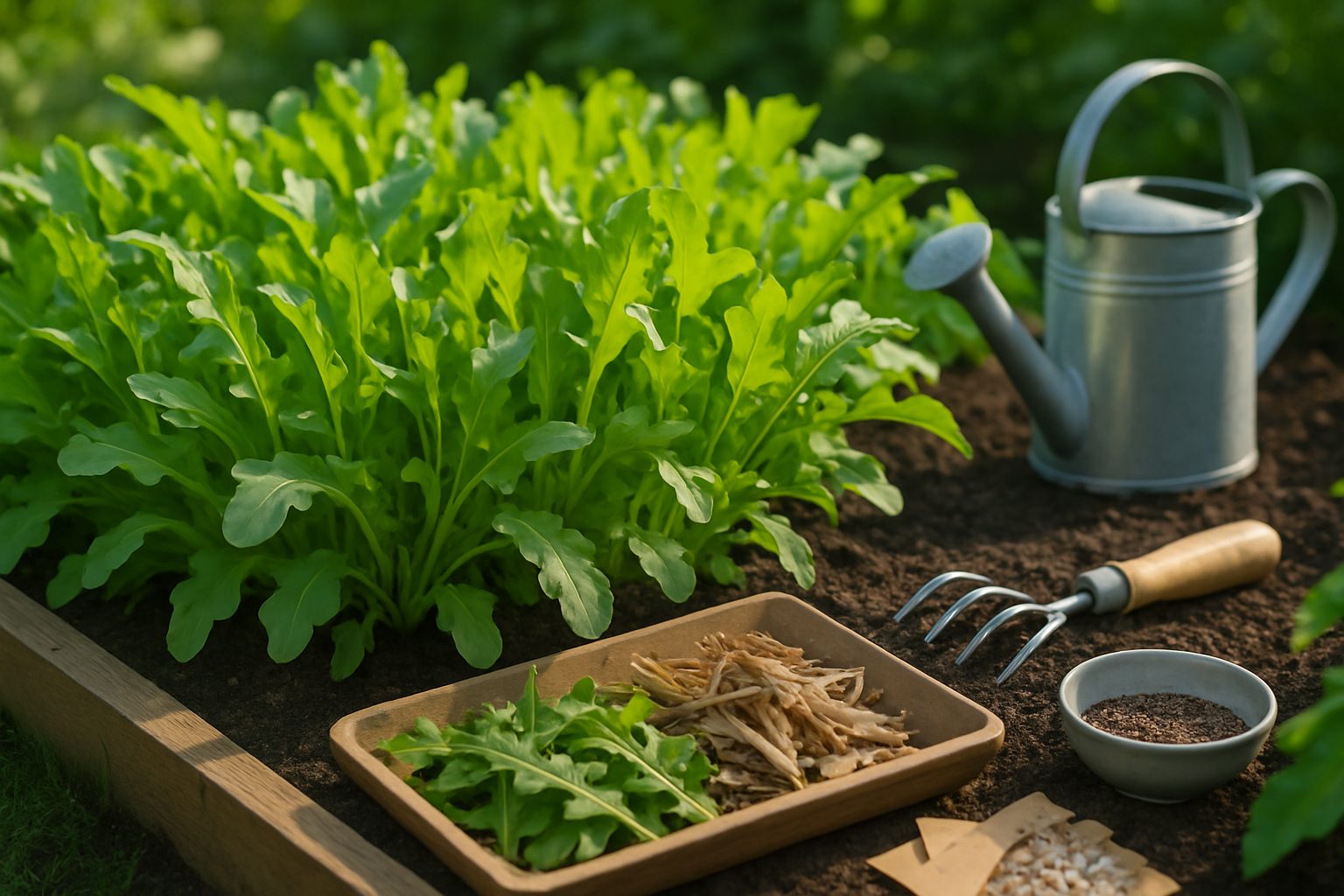
Introduction to Arugula
If you’ve been curious about whether cold weather arugula can thrive in frosty gardens, you’re not alone. Arugula, with its distinctive peppery flavor, has taken kitchens and home gardens by storm—especially among gardeners looking for a fast-growing, flavorful green.
Unlike some leafy vegetables that bolt or struggle in cooler temperatures, arugula actually prefers brisk weather, making it a top pick for those living in cold climates or managing early spring and autumn plantings. Even beginner gardeners find arugula rewarding; its quick germination time (often sprouting in under a week) means you can enjoy fresh greens in as little as 25-40 days after planting. This resilience is paired with low maintenance—arugula is forgiving, requiring only moderate sunlight and consistently moist soil for optimal growth.
Beyond its ease of cultivation, arugula offers remarkable nutritional benefits. Packed with calcium, potassium, vitamins A, C, and K, and rich in antioxidants, this leafy green is a powerhouse addition to any diet. Its bold, spicy profile elevates everything from salads and sandwiches to pizzas and pastas. You can even use arugula as a peppery pesto base or add a handful to your morning omelet for a fresh flavor kick.
For gardeners who want to experiment with cold weather arugula, the journey from seed to plate is quick and fruitful, delivering health, convenience, and a welcome burst of taste to everyday meals.
When and Where to Plant Arugula

Arugula thrives in cool weather, so the best time to plant it is in early spring or late summer when temperatures consistently range between 45°F and 65°F. If you live in an area with mild winters, you can even enjoy arugula through the fall and into early winter.
Outdoors, choose a spot that receives at least four to six hours of sunlight daily. Although arugula can tolerate partial shade, it grows bushier and tastes milder with bright, indirect sun. The ideal soil is well-draining, rich in organic matter, and slightly acidic to neutral, with a pH between 6.0 and 7.0.
Raised beds are perfect for keeping soil loose and drainage optimal, while containers let you move your arugula to avoid summer heat or frost. Indoors, a sunny windowsill or a spot with grow lights will keep your arugula happy.
When planting, you can direct-sow seeds into the ground or containers about a quarter-inch deep. This method is often easiest and helps prevent transplant shock. However, if you want a head start, transplanting seedlings is possible—just handle the delicate roots with care and gradually acclimate them to outdoor conditions.
For continuous harvest, try succession planting every two to three weeks, ensuring a fresh supply of tender leaves throughout the season.
How to Plant Arugula: Seeds, Soil, and Spacing
Planting arugula is a simple, rewarding process, even for beginners. Start by choosing a sunny spot with well-draining soil—arugula thrives in loose, fertile earth, ideally enriched with compost to boost nutrients and improve moisture retention.
Use a rake to break up clumps and mix in a couple of inches of compost before sowing. Scatter arugula seeds directly onto the soil, covering them with a thin layer (about ¼ inch deep); there’s no need to dig deep, as arugula germinates quickly with light coverage.
Aim to space seeds roughly one inch apart to encourage plenty of airflow and avoid overcrowding, which can lead to disease. As soon as the seedlings are a couple of inches tall, thin them so each plant is about four to six inches apart—snip the extras at soil level rather than pulling to avoid disturbing roots.
Water regularly, keeping the soil evenly moist but not soggy; arugula prefers consistent moisture, so consider spreading a thin layer of organic mulch like straw or shredded leaves around the base. This helps lock in moisture, reduces weed growth, and keeps roots cool.
Arugula is a cool-season crop and grows best when temperatures are between 45–65°F (7–18°C), so aim to plant in early spring or late summer. With a little attention to soil prep, spacing, and watering, you’ll be harvesting peppery arugula leaves in just a few weeks.
Caring for Your Arugula Plants
Caring for your arugula plants doesn’t have to be complicated, but a few simple habits can make a big difference in their health and flavor.
Water arugula regularly to keep the soil evenly moist—aim for about an inch per week—but avoid letting the soil become soggy, which can lead to root rot and disease. A good test is to stick your finger into the soil; if the top inch feels dry, it’s time to water.
Arugula is a fast-growing leafy green and appreciates a boost, so feed with a balanced, all-purpose fertilizer once at planting and again about halfway through the growing season. Use a gentle, slow-release formula or diluted liquid fertilizer to avoid burning tender leaves.
Keep your planting area weed-free so arugula doesn’t have to compete for nutrients or moisture; a quick hand-pull of weeds every few days works wonders, especially in raised beds or containers. Remove any yellowing or damaged outer leaves to keep your plants tidy and encourage new, healthy growth.
If you’re growing arugula in containers or small spaces, check soil moisture more frequently, as pots dry out faster—watering every other day might be needed in hot weather. Also, choose a container with good drainage and refresh the potting mix each season to prevent nutrient depletion.
A little attentive care goes a long way, and with these simple steps, even beginner gardeners can enjoy a steady harvest of peppery, delicious arugula.
Types of Arugula and Indoor Growing Tips
Arugula comes in several varieties, each with unique flavors and growth habits, ideal for different tastes and growing conditions.
Common arugula, sometimes called salad or wild rocket, offers a peppery, nutty flavor and grows rapidly, making it a favorite for quick harvests. Wild arugula (Diplotaxis), on the other hand, has more serrated leaves and a spicier kick but is slower to mature and more cold-tolerant—perfect if you prefer a bold taste and are patient for harvest.
Growing Arugula Indoors
When growing arugula indoors, ensure you provide plenty of bright, indirect sunlight—ideally, place containers near a south-facing window or supplement with LED grow lights for 10–14 hours daily.
Choose shallow but wide containers with good drainage, as arugula roots spread horizontally. Water regularly so the soil stays moist but never soggy.
Hydroponic Growing
For hydroponics, use a simple system like a Kratky setup, which suspends plants above a nutrient solution, allowing for easy, soil-free indoor gardening.
Choosing the Right Variety
If you’re short on space or new to gardening, opt for compact varieties like ‘Astro’ or ‘Apollo,’ which are well suited for containers and offer milder flavors. For more adventurous palates, ‘Sylvetta’ or ‘Wasabi’ arugula offer complex flavors and thrive in both soil and hydroponic systems indoors.
No matter your preference, starting with high-quality seeds and maintaining consistent light, moisture, and airflow will set you up for a steady harvest of fresh, flavorful arugula right from your kitchen.
Handling Common Pests, Diseases, and Winter Challenges
Dealing with pests and diseases in your garden doesn’t have to mean reaching for harsh chemicals—organic methods can be just as effective and much safer for beneficial insects and your produce. For example, flea beetles and aphids are notorious troublemakers, but you can deter them by introducing ladybugs, using floating row covers, or regularly spraying plants with a mild solution of water and a few drops of dish soap. Neem oil and diatomaceous earth are also excellent organic options for keeping these pests at bay.
When it comes to diseases like downy mildew or leaf spot, prevention is key: avoid overhead watering, space your plants well for good airflow, and promptly remove any infected leaves to stop the spread. Crop rotation each year also helps minimize lingering pathogens in the soil.
As winter approaches, protect your garden by applying mulch around the base of plants to insulate roots from frost, and cover crops with frost cloths or low tunnels when hard freezes are expected. For overwintering leafy greens or root crops, consider using cold frames or even recycled plastic bottles with the bottoms removed as miniature cloches.
In milder climates, you can often keep harvesting hardy crops like kale or carrots well into the winter by mulching heavily and harvesting on warmer days. With a little planning, your garden can stay productive and healthy year-round, no matter what nature throws your way.
How and When to Harvest Arugula
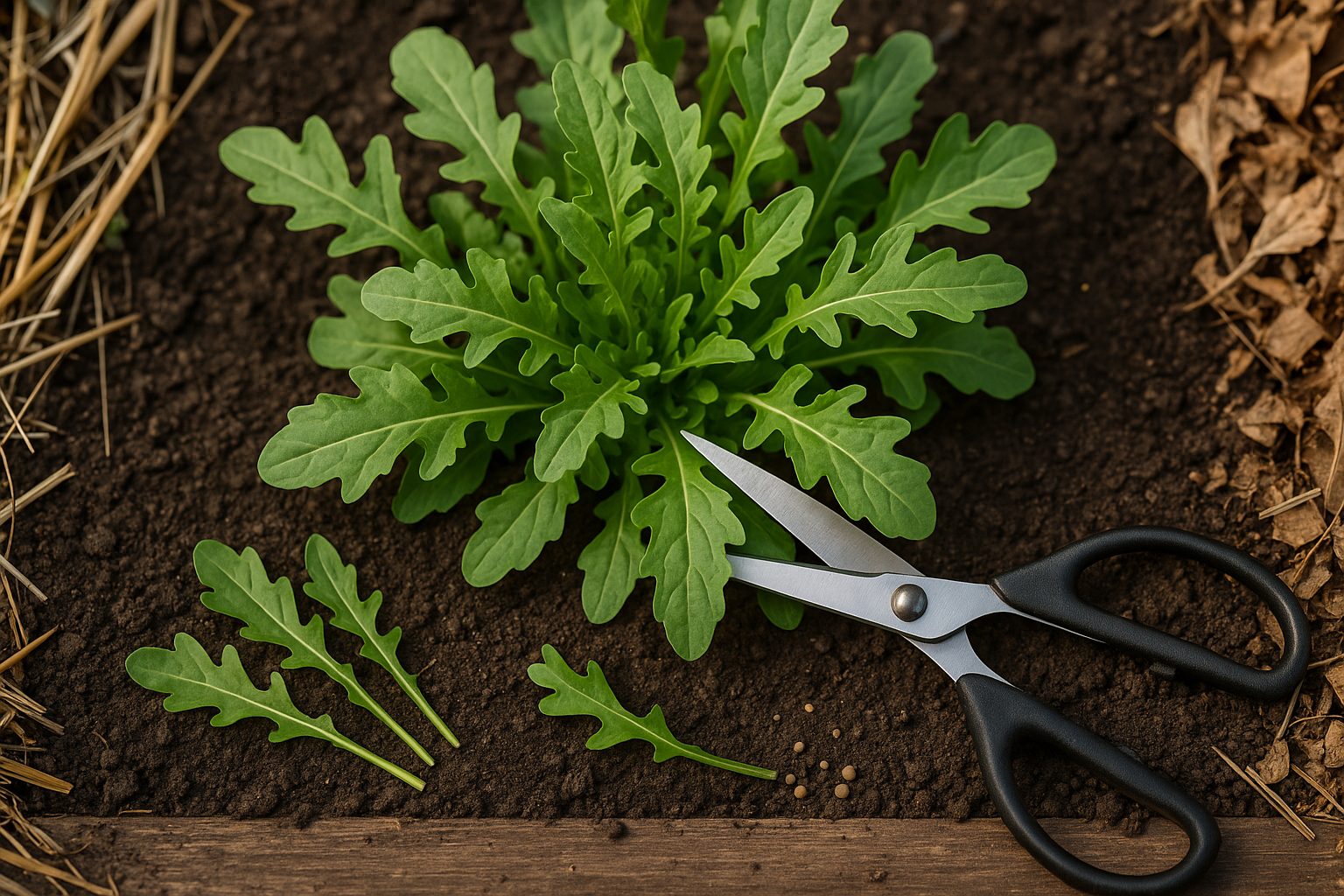
Arugula is at its most flavorful when the leaves are young and tender—usually when they reach about 3 to 4 inches long, or roughly a month after sowing. Look for lush, vibrant green leaves that feel crisp to the touch. If the weather heats up and the plant starts to bolt (produce a flower stalk), the flavor will become much sharper and more peppery.
For prolonged harvests, try the “cut-and-come-again” method: use scissors or garden shears to snip the outer leaves about an inch above the soil, being careful not to disturb the central growth. This encourages the plant to keep producing new foliage for several more weeks, giving you multiple salads from one planting.
After harvesting, store arugula loosely wrapped in a paper towel inside a plastic or reusable bag in the refrigerator. The paper towel helps absorb excess moisture and keeps the leaves crisper for up to a week.
To make the most of its fresh, zesty kick, toss arugula into salads, pile it onto pizzas just out of the oven, or blend it into pestos and sauces. Use it promptly for peak flavor, as arugula can wilt or spoil quickly once picked.