Introduction
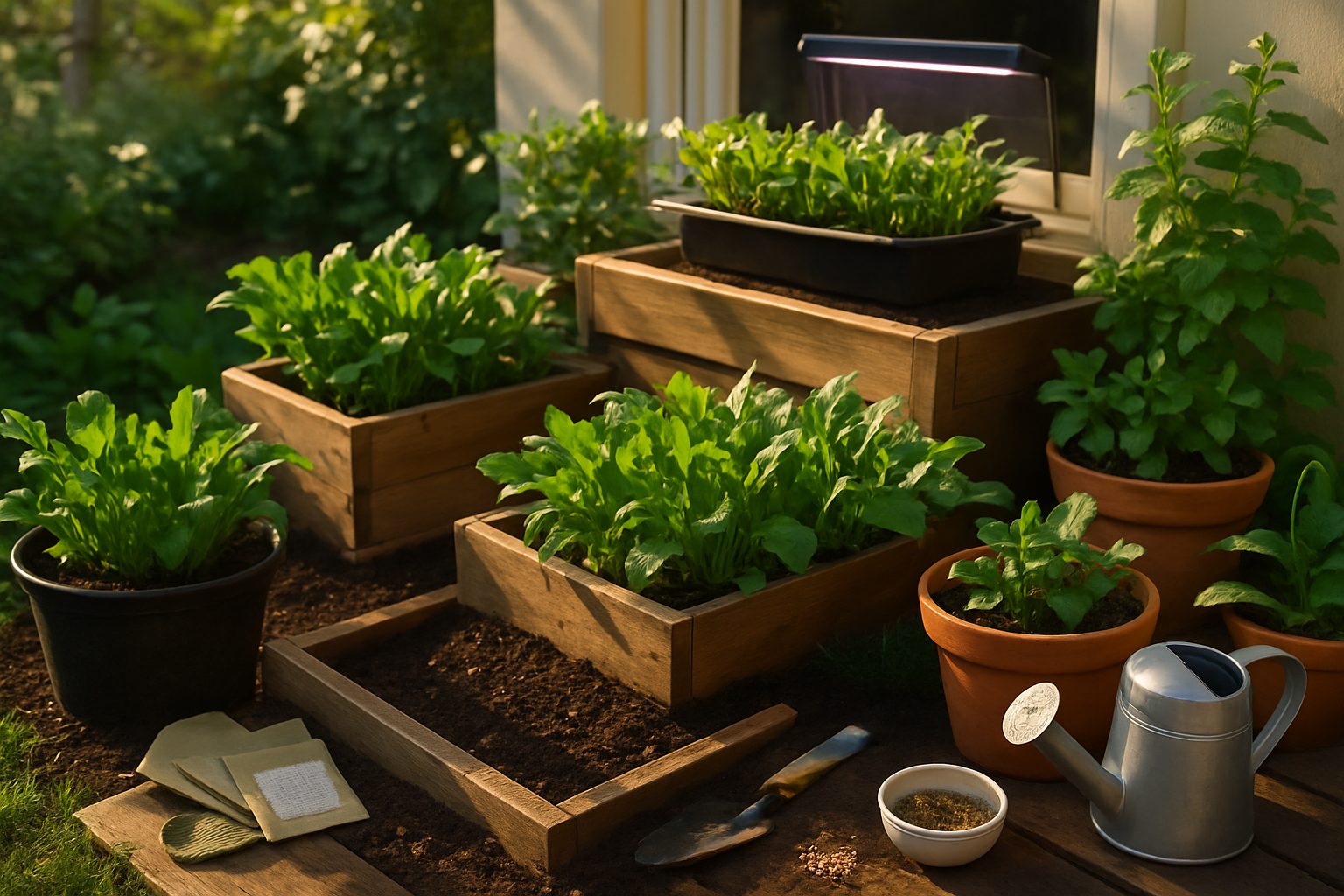
Arugula is a favorite leafy green among home gardeners and kitchen enthusiasts, thanks to its peppery flavor and versatility in salads, sandwiches, and more. One key to successfully growing this tasty green is understanding arugula sunlight needs. If you’ve ever wondered whether arugula prefers full sun or would do better in shade, you’re not alone—getting this right can mean the difference between a lush, flavorful harvest and a disappointing crop. Knowing how much light your arugula requires will help you avoid common issues like bitter leaves, stunted growth, or early bolting. In this post, we’ll break down exactly how much sun and shade arugula needs at different growth stages, offer practical tips for selecting the best spot in your garden, and share real-life examples from experienced growers. Whether you have a backyard plot or a sunny windowsill, understanding your arugula’s sunlight preferences will help you enjoy a steady supply of tender, delicious leaves all season long.
Understanding Arugula’s Natural Habitat
Arugula, also known as rocket or Eruca sativa, originally comes from the Mediterranean region, where wild varieties thrive on rocky, sun-drenched hillsides and temperate coastlines. In its native environment, arugula enjoys mild, warm days and cool nights, basking in abundant sunlight that is rarely too intense. The Mediterranean climate features moderate temperatures, consistent but not overwhelming sunlight, and well-drained soils—conditions that help arugula develop its distinctive peppery flavor and tender leaves.
Because arugula evolved in these sunlit, temperate surroundings, its arugula sunlight needs reflect this heritage: it grows best in full sun to light shade, ideally receiving at least 4-6 hours of direct sunlight daily. Mimicking these natural conditions in your garden or balcony can greatly improve your arugula’s growth and flavor. Too little sunlight, such as heavy shade, can cause leggy, weak plants with reduced taste, while intense midday sun in very hot climates may stress the plant and trigger premature bolting (flowering).
To strike the right balance, gardeners in hotter areas might provide some afternoon shade to protect arugula during peak summer heat, while those in cooler climates can safely choose a sunnier location. By understanding and replicating arugula’s Mediterranean sunlight needs, you’ll set yourself up for lush, flavorful harvests that capture the vibrancy of the plant’s natural home.
Full Sun vs. Partial Shade: What’s Ideal for Arugula?
In gardening, “full sun” means a spot gets at least six hours of direct sunlight daily, while “partial shade” refers to areas receiving about three to six hours of sun or where light is dappled or indirect in the afternoon. Understanding arugula sunlight needs is key to growing healthy, flavorful greens.
When grown in full sun, arugula tends to grow faster and produce more leaves, making it great for quick harvests. Sun-grown arugula often has a more peppery, assertive flavor and develops that classic robust texture. However, full sun can also speed up bolting—when the plant flowers and goes to seed—especially in hotter months, causing the leaves to become bitter and tough sooner than you’d like.
On the other hand, growing arugula in partial shade slows its growth, which can be beneficial during the summer heat. Partial shade helps keep temperatures down, delaying bolting and extending the harvest window with tender, mild-flavored leaves. While growth may be slower and yields slightly lower, many home gardeners find the longer “salad window” worth it.
For optimal arugula growth, aim for about four to six hours of direct sun per day. Morning sunlight combined with afternoon shade often strikes the perfect balance. In cooler spring or fall seasons, a bit more sun helps, while in summer, shielding arugula from harsh afternoon rays preserves leaf quality. By adjusting arugula’s sunlight needs to fit your local climate and season, you’ll enjoy steady harvests of flavorful, tender greens.
Effects of Too Much Sun on Arugula
When arugula plants receive too much sunlight, especially in hot climates or during peak summer, they can quickly start to struggle. One of the most noticeable effects of excessive sun is bolting, which happens when the plant shifts its energy from leaf production to rapid flowering and seed development. Bolting makes arugula leaves taste much more bitter, making them less enjoyable for salads or sandwiches.
You’ll also notice changes in leaf texture—edges may become tougher, and overall growth can appear stunted or sparse. Other signs of too much sun include leaves wilting during mid-day, yellowing or browning leaf tips, and a visible droopiness by afternoon. If you see skinny stems shooting up with flower buds earlier than expected, that’s another indication that your arugula is reacting to excessive heat and sunlight.
To reduce sun stress, try providing temporary shade during the hottest parts of the day using lightweight garden fabric, row covers, or even an old bedsheet draped above your plants. If your arugula is growing in containers, move them to a spot that receives morning sunlight but is protected from harsh afternoon rays. mulching around the base of the plants can also help keep roots cool and retain soil moisture, offering extra relief during heat waves.
Regularly harvesting leaves can further slow bolting, allowing you to enjoy your arugula longer even as temperatures rise. With a few simple adjustments, you can help your arugula thrive despite its sunlight needs.
Situations When Shade is Beneficial
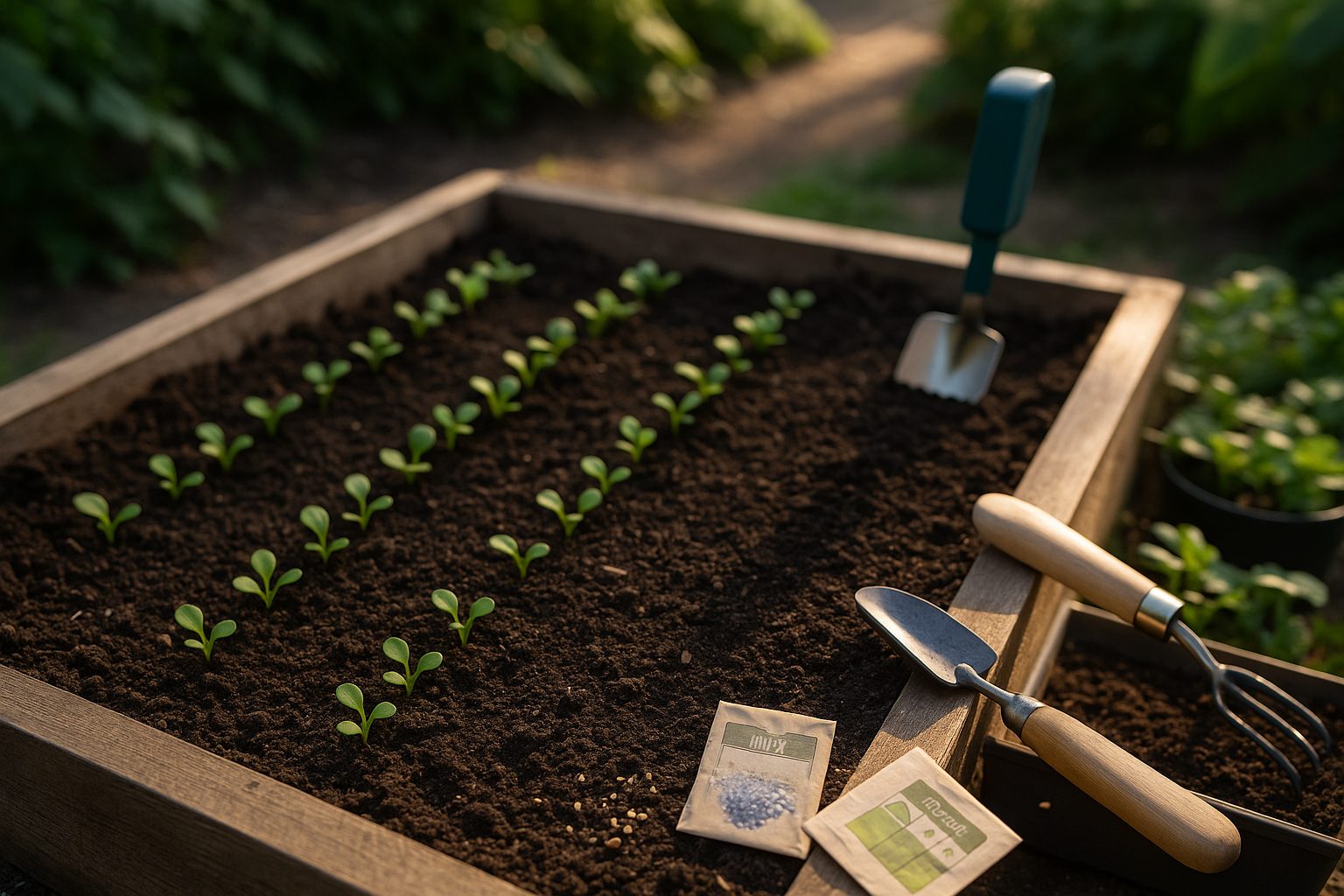
While arugula thrives with plenty of sunshine, there are several situations where providing shade actually benefits its growth and flavor. In hot climates or during the peak of summer, intense sunlight can stress arugula plants, causing them to bolt quickly—that is, to flower and set seed much sooner than desired. This not only shortens your harvest window but also makes the leaves tougher and significantly more bitter.
To avoid these issues, gardeners often use shade to keep arugula productive for longer periods. For example, if your area regularly experiences afternoon temperatures above 80°F (27°C), giving your arugula some relief from the hottest rays can make a noticeable difference. Simple solutions include draping shade cloth over a lightweight frame during midday hours or using taller companion plants like tomatoes, beans, or sunflowers to provide dappled shade naturally.
Some gardeners get creative by planting arugula in spots that receive morning sun but are shaded by fences or walls in the afternoon. This small adjustment helps slow down bolting and keeps leaves tender and milder in taste—a big plus for salads. Extending the growing season by introducing shade can give you several extra weeks of harvest, turning arugula from a cool-season treat into a more resilient garden staple, even when temperatures climb.
In summary, understanding your garden’s microclimate and your arugula sunlight needs lets you use shade strategically for a continuous, flavorful crop.
Tips for Growing Arugula in Different Climates
Successfully growing arugula depends on understanding its arugula sunlight needs across various climates and adjusting your approach for different planting methods. In cool climates, arugula thrives with full sun exposure—about 6 hours or more per day—because the light encourages healthy leaf growth without causing overheating. For in-ground or raised bed planting, choose an open spot that receives maximum sun. Container gardeners can easily move pots to sunnier patios to take advantage of mobility.
In temperate areas, where the weather is milder, pay close attention to seasonal changes. Full sun is ideal during cooler months, but as late spring and summer heat up, consider providing dappled sunlight or afternoon shade. Planting near taller crops or using mesh shade cloth can help filter intense midday rays, especially for arugula grown in raised beds or in-ground plots. For container growers, place pots in areas that receive morning sun but are shielded during the hottest part of the day to prevent rapid bolting and bitter leaves.
Hot climates present the biggest challenge, as arugula bolts quickly in relentless heat. Here, early spring and late autumn are the best planting windows. Aim for morning sun and afternoon shade by situating beds along the east side of a fence or building, or by placing containers under a tree that provides filtered light. Mulching and regular watering help cool the roots and reduce heat stress, no matter your growing method.
Whenever the season changes, keep a close eye on temperature swings—move containers if needed and add row covers for insulation during fluctuating weather. With these flexible strategies, you can successfully meet arugula sunlight needs almost anywhere and enjoy fresh, peppery greens all season long.
Conclusion & Key Takeaways
In summary, understanding arugula sunlight needs is essential for growing healthy, flavorful plants. Arugula thrives best with full sun exposure—typically six or more hours per day—which promotes rapid growth and a robust, spicy flavor. However, this leafy green is impressively adaptable. In hot climates or during peak summer, arugula benefits from some afternoon shade to prevent bolting (premature flowering) and overly bitter leaves.
For gardeners in cooler regions or those growing arugula in spring or fall, providing ample sunlight will help the plants flourish and produce tender leaves. The key is to assess your garden’s unique conditions—observe how much sunlight the planting area receives and consider factors like nearby trees, buildings, or seasonal changes.
If you’re growing arugula in containers, try moving them to different spots throughout the season to find the best light exposure. Don’t hesitate to experiment with various sun and shade combinations; every garden is different, and small adjustments can lead to a noticeably better harvest.
By paying attention to how your arugula responds to its environment and being open to tweaking your approach, you’ll ensure a consistently thriving crop tailored to your local conditions.