Introduction
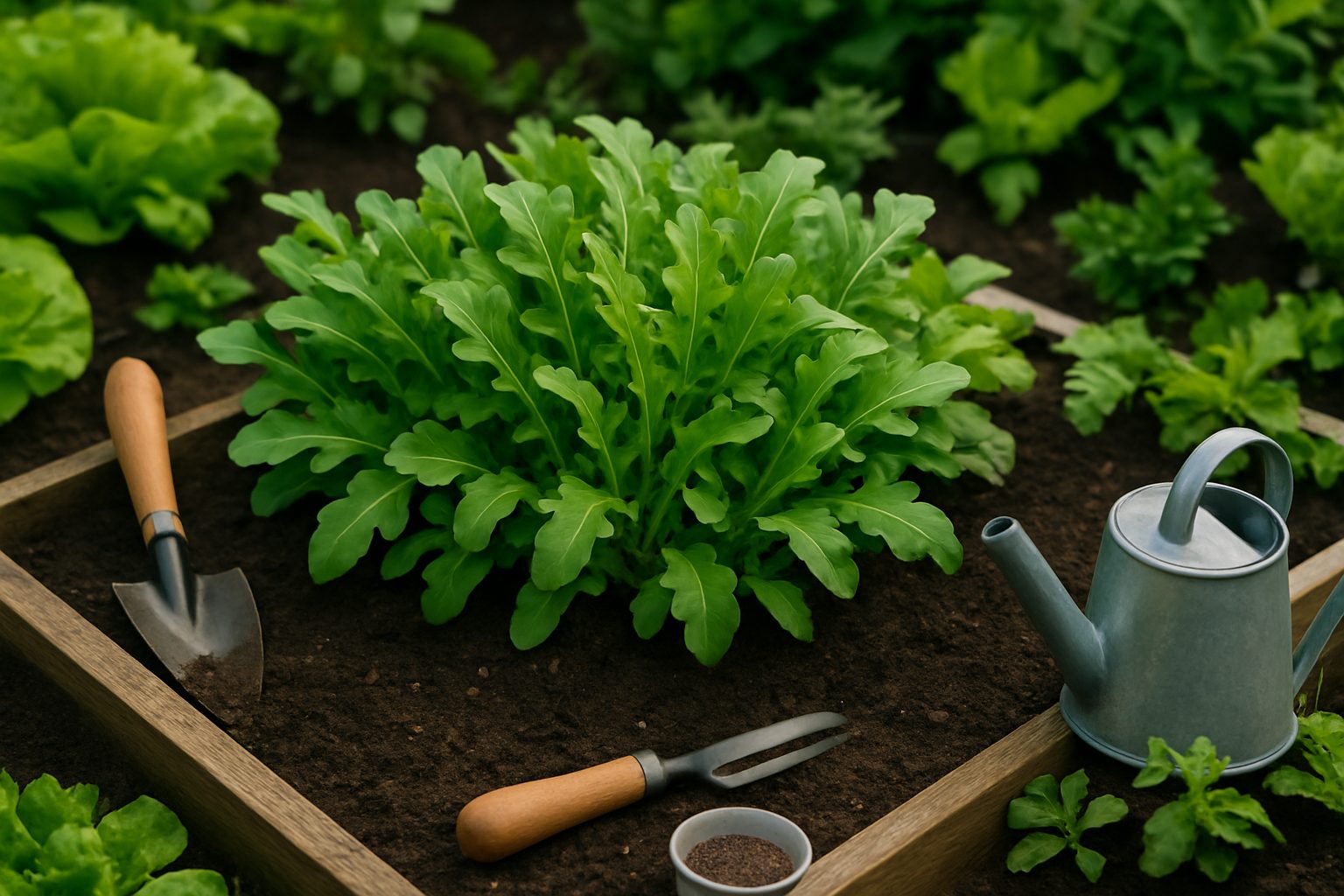
Arugula crop rotation is an essential topic for anyone who enjoys growing this peppery, nutrient-rich green in their garden beds. Known for its fast growth and flavorful leaves, arugula has quickly become popular among home gardeners and small-scale farmers looking to diversify their harvests and try new, healthy crops. After a rewarding season of arugula, many growers wonder what to plant next and how to maintain soil health for years to come. That’s where understanding crop rotation comes in.
Rotating your crops—especially after growing arugula—can help prevent soil nutrient depletion, break pest and disease cycles, and ultimately promote healthier plants and larger harvests. In this article, we’ll explore practical strategies for what to plant after arugula, and how to design a crop rotation system that suits your garden size and goals. Whether you’re managing a small backyard plot or several raised beds, a few thoughtful rotation choices can make a big difference in both your short-term and long-term gardening success.
Why Rotate Crops After Growing Arugula?
Rotating crops after growing arugula is more than just a good gardening habit—it’s essential for maintaining healthy, productive soil and minimizing problems in future seasons. One of the biggest benefits of arugula crop rotation is disease prevention. Arugula belongs to the brassica family, which includes broccoli, cabbage, and kale. These crops are susceptible to similar soil-borne diseases, such as clubroot and downy mildew. Planting the same family repeatedly in the same spot allows these diseases to build up, which can seriously hinder your garden’s success.
Crop rotation also plays a major role in pest management. For example, arugula is highly attractive to flea beetles—tiny, fast-moving pests that can devastate young leaves. Planting another brassica right after arugula encourages these pests to stay and multiply. Introducing plants from different families breaks the life cycle of these persistent insects.
Soil health is another important reason to rotate. Arugula grows quickly and pulls significant nutrients from the soil, especially nitrogen. This can lead to nutrient depletion if it’s followed by another heavy feeder. A smart rotation plan includes planting legumes after arugula, as they naturally fix nitrogen back into the soil.
Overall, because of arugula’s brassica ties, it’s best to wait at least two to three years before planting another brassica in the same spot. This practice keeps plants healthier and can lead to better yields and tastier harvests season after season.
Understanding Arugula’s Place in Crop Families
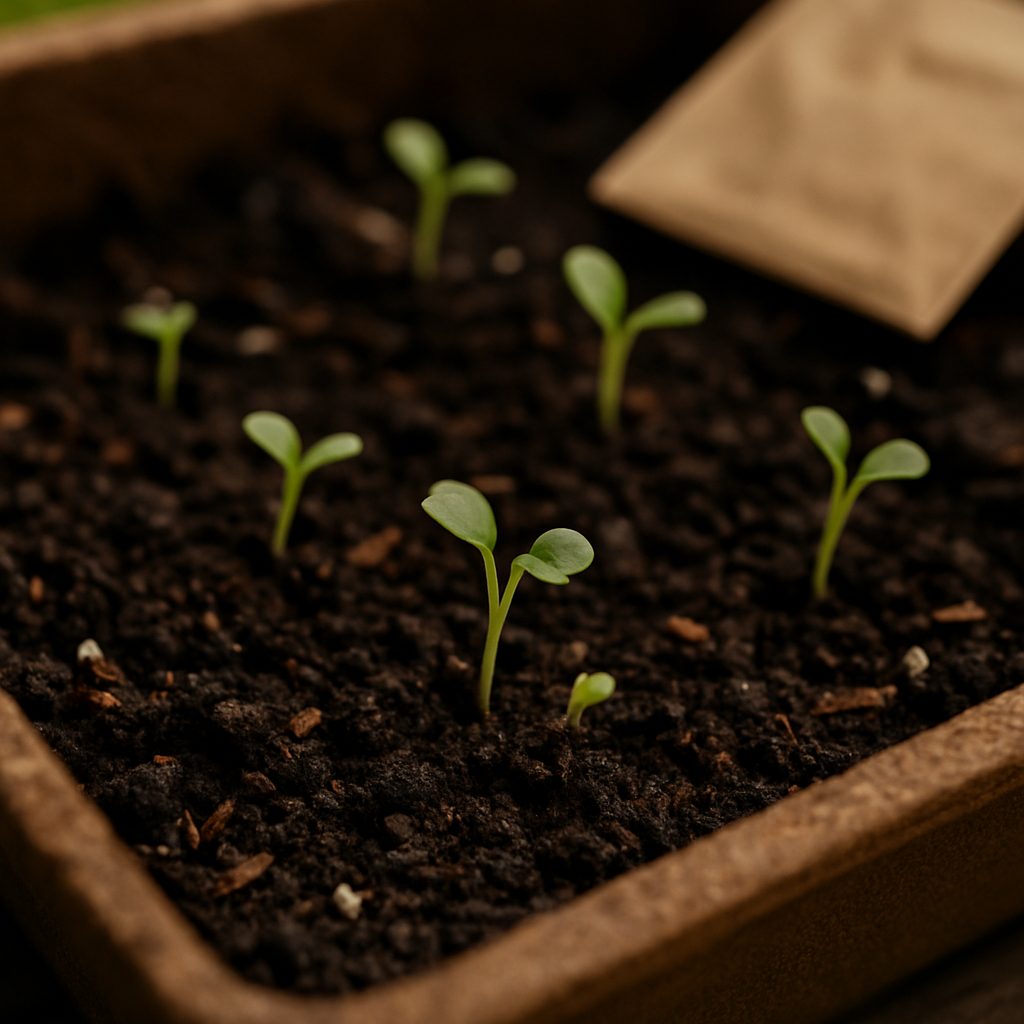
Arugula, known for its peppery bite and quick growth, belongs to the Brassicaceae family—also called the mustard or cruciferous family. This group includes familiar vegetables like cabbage, broccoli, cauliflower, kale, Brussels sprouts, bok choy, turnips, and mustard greens. Because they share family ties, these crops have similar nutritional needs and growing conditions, but they’re also vulnerable to many of the same pests and diseases, such as clubroot and flea beetles.
This is why practicing smart arugula crop rotation is so important. Planting another brassica, like broccoli or cabbage, immediately after harvesting arugula can let harmful pathogens and insects linger and multiply in the soil, which can hurt your future harvests. To prevent this, gardeners and farmers should rotate crop families each season. For example, after growing a Brassicaceae crop like arugula, follow it with a vegetable from a different family—such as tomatoes (Solanaceae), beans (Fabaceae), or carrots (Apiaceae).
This rotation method works because different plant families attract different pests and have distinct nutrient needs. Switching families helps soil recover and breaks pest and disease cycles. Even without being a plant taxonomy expert, simply grouping your crops by family and rotating them in your garden beds leads to healthier plants and better yields over time. Keeping a simple chart or garden journal to track what’s planted where will help you maintain a smooth rotation plan year after year.
Best Crops to Plant After Arugula
After harvesting arugula, planning your next crops is essential for maintaining soil health and preventing pests and diseases. An effective arugula crop rotation involves planting crops from different families to break pest and disease cycles.
Legumes, such as beans and peas, are excellent follow-up choices. They enrich the soil by fixing atmospheric nitrogen through their root nodules, replenishing nutrients that arugula and other leafy greens heavily use. For a smooth transition, sow bush beans or snap peas about two weeks after clearing your arugula bed. This allows any leftover debris to decompose and gives time to remove weed seeds with light hoeing.
Root vegetables like carrots and beets also do well after arugula. Their deeper roots help improve soil structure while reducing the risk of leaf-specific pests and diseases common to brassicas. Direct seed carrots or beets as soon as the soil is workable, usually in late spring or early summer.
Fruiting vegetables such as tomatoes and peppers make another strong follow-up. These belong to the Solanaceae family, which differs from arugula’s brassica family, helping to break disease cycles like clubroot or flea beetles. Be sure to amend the soil with compost or organic matter before planting. Start tomato or pepper transplants indoors and move them outdoors once the soil has fully warmed, typically 3–4 weeks after harvesting arugula.
As a general rule, always clear arugula residue thoroughly and allow a 1–2 week gap before replanting. This rest period helps the soil recover and leads to healthier yields over time. Following these crop rotation tips will not only improve your garden’s productivity but also ensure long-term resilience.
Restoring Soil Health After Arugula
Arugula is a fast-growing leafy green that heavily draws on soil nutrients—especially nitrogen—to support its rapid growth. Over time, continuous arugula cultivation can deplete nitrogen levels and reduce organic matter in the soil, leaving it less fertile for future crops. After harvesting arugula, it’s important to give your soil some TLC to restore its health.
Start by mixing in a generous layer of finished compost; this replenishes organic matter, improves soil structure, and gradually releases essential nutrients back into the earth. For an extra nitrogen boost, consider planting a green manure crop such as clover or hairy vetch. These legumes fix atmospheric nitrogen, naturally enriching the soil as they grow.
Alternatively, sowing a cover crop like oats or rye can protect the soil surface, reduce erosion, and add valuable organic material when turned under. If you’re short on time between crops, even a thick layer of shredded leaves or grass clippings used as mulch can help.
Before your next planting—especially if you’re practicing arugula crop rotation with nutrient-hungry vegetables like tomatoes or peppers—use a simple at-home soil test to check nitrogen levels. Adjust fertility with an all-purpose organic fertilizer if needed, and always aim for diverse rotation whenever possible. With these straightforward steps, you’ll restore the energy your soil needs, setting your next crop up for success.
Common Mistakes to Avoid in Post-Arugula Rotation
One of the most common mistakes with arugula crop rotation is replanting members of the same plant family—like broccoli, cabbage, or kale—in the same bed too soon. All brassicas, including arugula, are vulnerable to similar pests and diseases, so back-to-back plantings can quickly worsen these problems. Ideally, wait at least two to three years before returning brassicas to the same spot.
Another pitfall is neglecting soil health after arugula. Since arugula can deplete certain nutrients, especially with heavy harvesting, it’s important to amend the soil with well-rotted compost or balanced organic fertilizers once the crop is harvested.
Overlooking proper spacing and timing for your next planting can also lead to overcrowded or stressed plants. Be sure to give each new crop enough room to grow and plan a short resting period between plantings whenever possible.
Finally, many gardeners forget to keep detailed records of what was planted where and when. Maintaining a simple garden journal or map can help you avoid repeating mistakes and design smarter crop rotations in future seasons, preventing pest buildup and supporting stronger, healthier plants.
Conclusion & Simple Crop Rotation Plan Example
Practicing smart arugula crop rotation is an easy and effective way to keep your garden soil healthy, reduce pest problems, and improve yields over time. Since arugula belongs to the Brassica family, it’s susceptible to diseases like clubroot and pests such as flea beetles. After growing arugula, avoid planting brassicas like cabbage, broccoli, or kale in the same spot for at least two to three years. Instead, rotate with unrelated vegetable families.
For example, after harvesting arugula, you might plant beans or peas, which add nitrogen to the soil and help rebalance nutrients. The following season, switch to tomatoes, peppers, or root crops like carrots. Here’s a simple rotation plan:
- Year 1 — arugula
- Year 2 — bush beans
- Year 3 — carrots or beets
- Year 4 — brassicas such as radish or leafy greens
You can customize this template based on your favorite crops and available space. Keeping track of your rotations in a notebook or garden app helps avoid confusion. For more ideas on rotation, pest control, and downloadable planning tools, check out the resource links below and start building a healthier, more productive garden today.