Why Does Cauliflower Turn Purple?
If you’ve ever sliced into a head of cauliflower and noticed vibrant purple streaks or patches, you might be wondering about the causes of purple cauliflower and whether your veggie is safe to eat. This unexpected color change often leaves gardeners and cooks puzzled.
Let’s unravel the curiosity: the primary reason cauliflower sometimes develops a purple hue is due to anthocyanins—a group of naturally occurring pigments responsible for red, blue, and purple colors in many fruits and vegetables. These pigments are harmless and, in fact, anthocyanins have antioxidant properties, meaning your purple-streaked cauliflower might offer a slight nutritional boost.
Genetics and Varieties
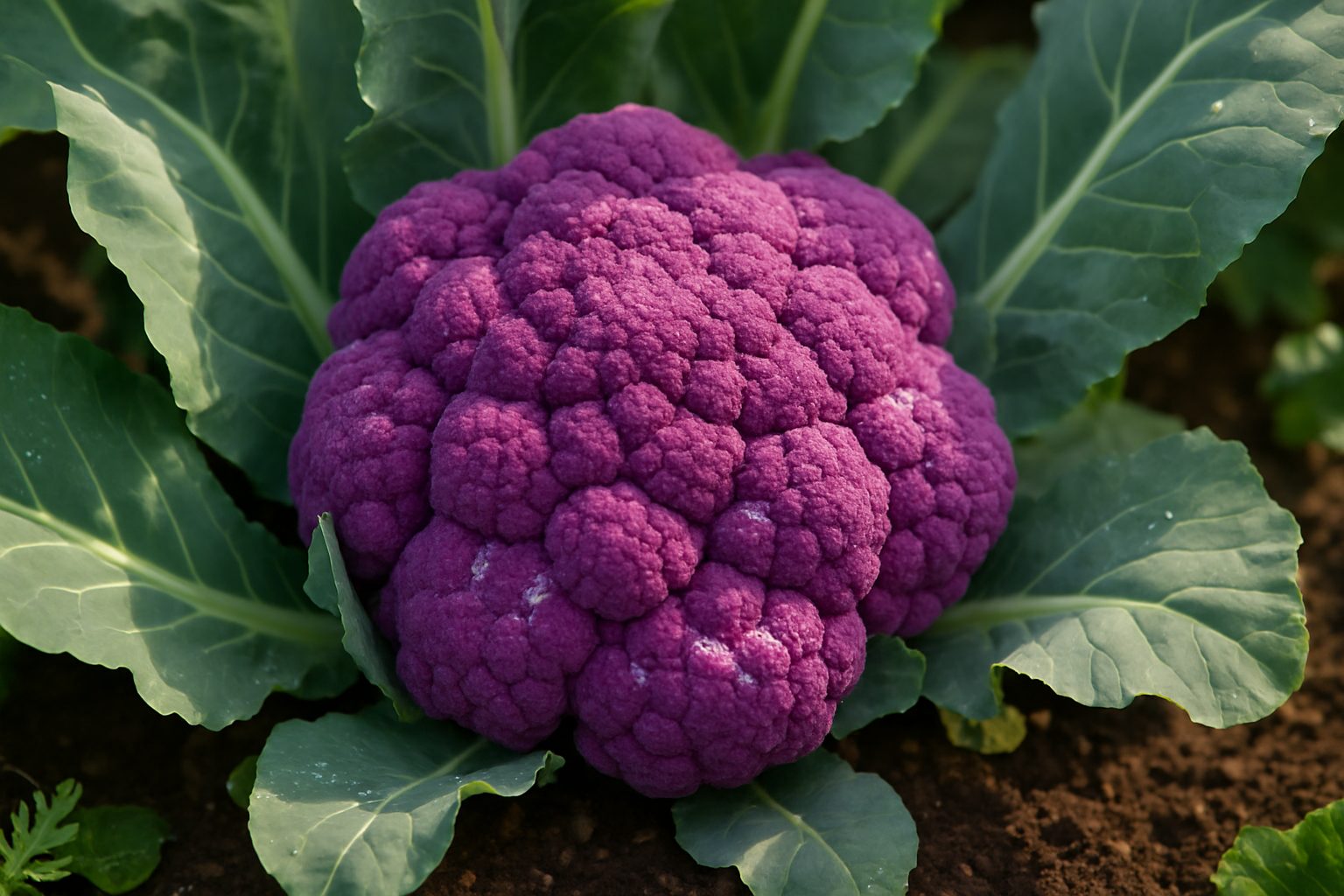
Genetics also play a role. Some cauliflower varieties are naturally bred to be purple—these are known as purple cauliflower and carry genes that produce anthocyanins consistently, resulting in a uniform, deep purple shade throughout the curd.
However, the more common scenario is seeing patches of purple on what should be a white cauliflower. Here, external factors come into play.
Environmental Factors
Excess exposure to sunlight, especially when cauliflower heads are not adequately shielded by their leaves, can trigger the plant to produce anthocyanins as a protective response, leading to purple discoloration. Similarly, dramatic swings in temperature—such as very cool nights followed by sunny days—can stimulate this pigment production, particularly as the plant nears maturity.
How to Identify and Handle Purple Cauliflower
To tell whether your cauliflower was meant to be purple, inspect the overall color consistency: naturally purple varieties will be evenly colored, while stress-induced purple tinges often appear as patches or streaks on white cauliflower.
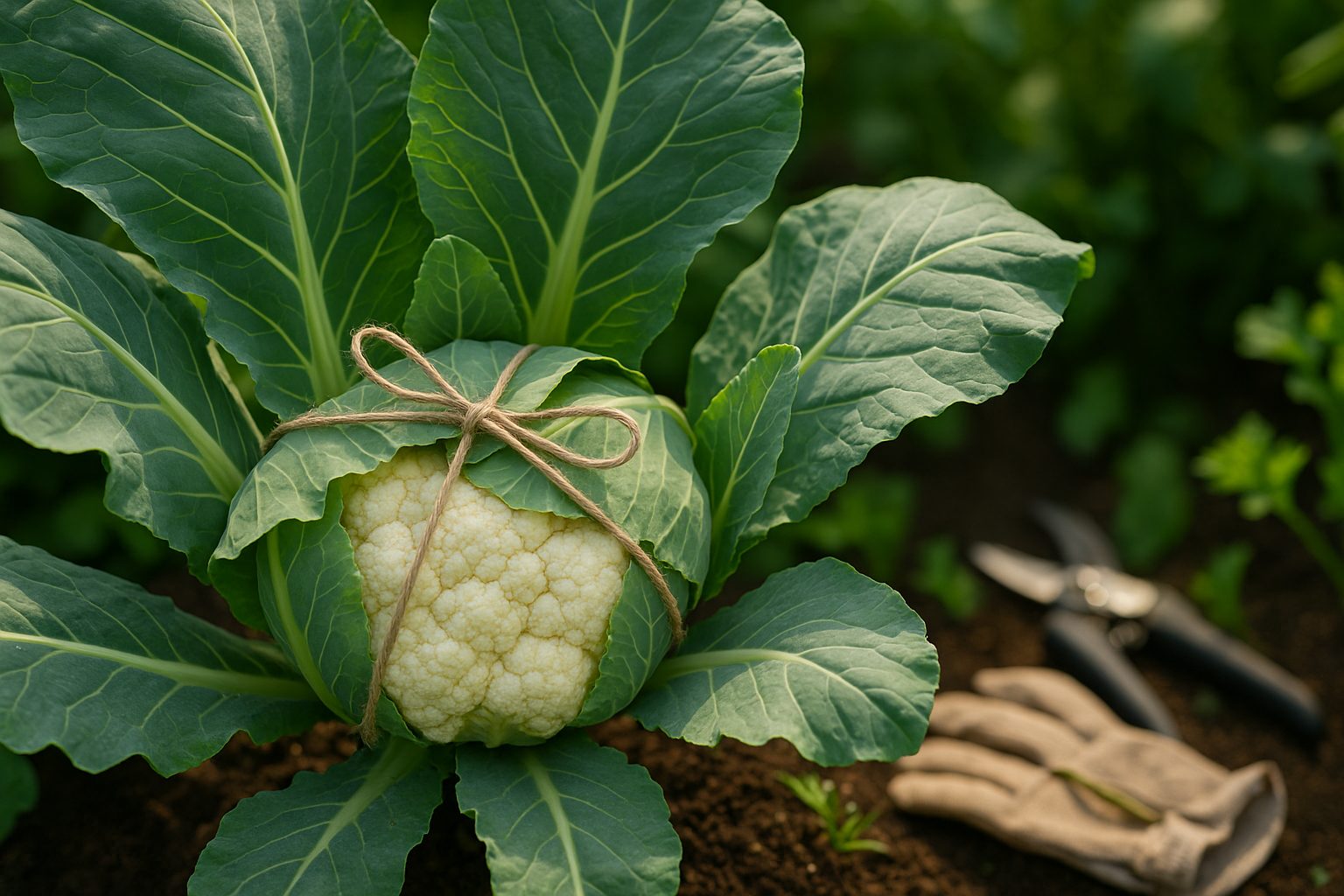
In either case, there’s no need for concern. Both types are perfectly edible and safe, though you can minimize unwanted color by loosely tying leaves over the developing head or harvesting before extreme weather changes.
So, next time you spot a bit of purple, you’ll know it’s simply nature at work!
Is It Safe to Eat Purple Cauliflower?
If you’ve spotted vibrant purple florets on your cauliflower, there’s no need to worry—purple cauliflower is perfectly safe to eat. The striking color comes from naturally occurring antioxidants called anthocyanins, the same compounds that give blueberries and red cabbage their hues.
According to food safety authorities like the USDA, this pigmentation is not a sign of spoilage or chemical treatment, but rather a genetic trait or a reaction to growing conditions, such as exposure to sunlight. Unlike white cauliflower, whose curds remain covered and protected from the sun, purple varieties are bred to showcase these bold shades.
In terms of taste and texture, purple cauliflower tends to offer the same mild, nutty flavor and crisp bite as its classic white counterpart, though some people notice a slightly sweeter, earthier note. You can use purple cauliflower in all the same ways—raw on a veggie platter, roasted, steamed, or mashed—with the added bonus of visual appeal.
Just be sure to inspect for the usual signs of spoilage, like sliminess, brown spots, or an off smell, rather than judging by color alone. So next time you find a purple head at the store or in your garden, feel free to enjoy it—knowing it’s not only beautiful but fully edible and packed with extra antioxidants.
How to Prevent Cauliflower from Turning Purple
To keep your cauliflower heads crisp white instead of turning purple, start by focusing on blanching—this means covering the developing heads to shield them from direct sunlight. Once the curds are about the size of an egg, gently tie the outer leaves over the head with twine or soft plant tape. This natural “tent” helps prevent the purple pigments caused by sun exposure and temperature swings.
Timing also plays a huge role: plant cauliflower early enough in spring or late summer so the heads mature during cooler weather, as heat or unexpected cold can trigger purpling. Make sure to harvest promptly when the heads are tight and the size fits your preference, because waiting too long in the garden can deepen color changes.
If you’re starting from seed, look for varieties like ‘Snowball’ or ‘White Cloud’ which are bred for resistance to purple discoloration.
Combining these steps—selecting the right variety, shading the curds, and harvesting on time—will help ensure your cauliflower stays picture-perfect and delicious.
Buying and Storing Purple Cauliflower
When shopping for purple cauliflower, look for heads with vibrant, deep violet coloring—dull or brownish spots mean the vegetable is past its prime. The florets should be tightly packed and firm to the touch, not loose or mushy. Compared to white cauliflower, purple varieties sometimes have slightly smaller heads and a milder flavor, but they shouldn’t show any yellowing, which signals age. Fresh green leaves at the base are another sign of quality.
To store your cauliflower and keep its eye-catching purple hue intact, wrap the unwashed head in a dry paper towel and place it inside a perforated plastic bag in your refrigerator’s crisper drawer. Keep it whole until you’re ready to use it—chopping it up early can shorten its shelf life and dull the color.
Purple cauliflower tends to retain its color better than white when cooked, especially if you steam or roast it gently instead of boiling. Generally, purple cauliflower has a similar shelf life to the white kind, staying fresh for about a week, but be aware that any excess moisture will accelerate spoilage. Always check for soft spots or an unpleasant odor before use.
For the best flavor and appearance, try to use your purple cauliflower within five to seven days of purchase.
Preparing and Cooking with Purple Cauliflower
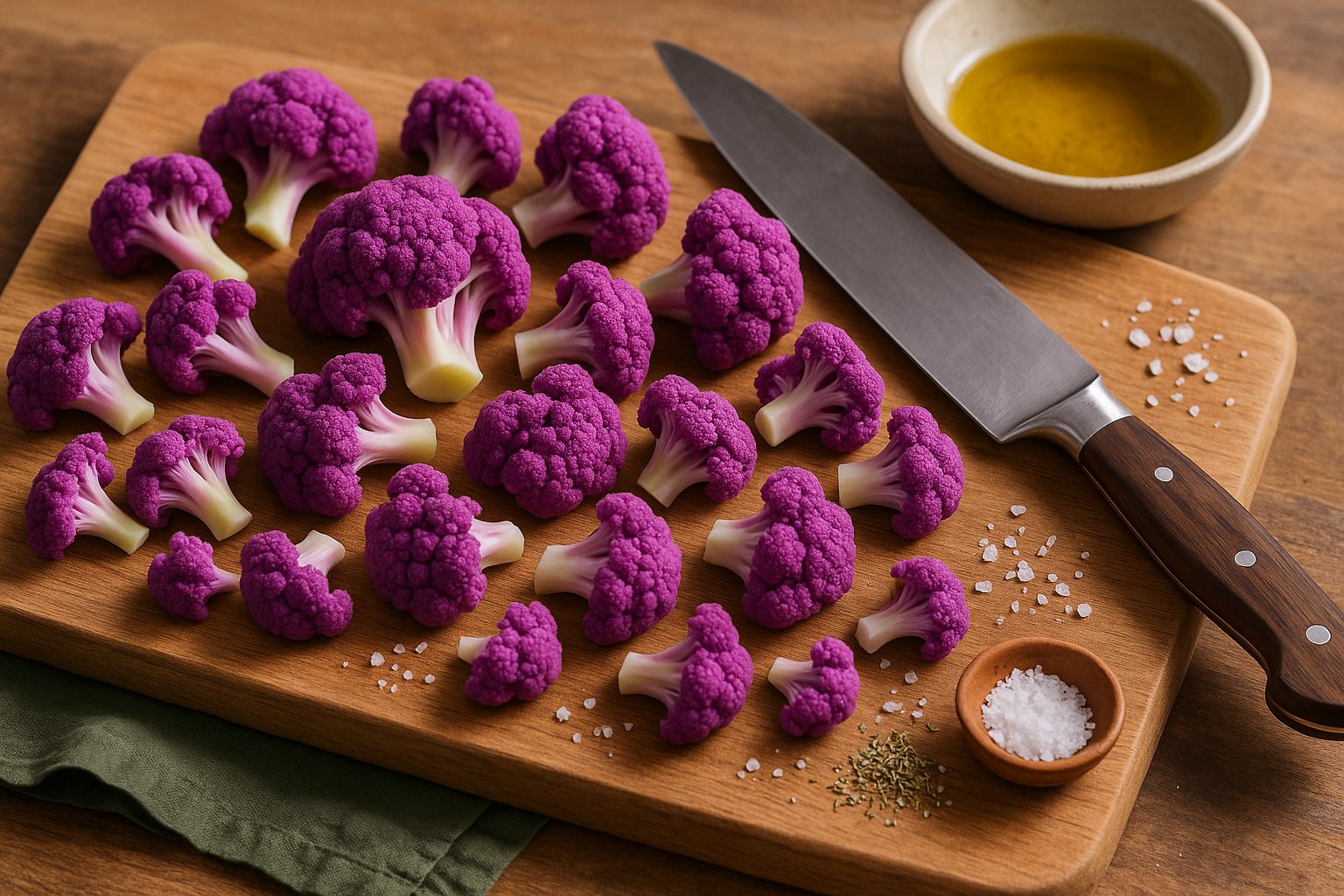
Getting started with purple cauliflower is easy, whether your head is a bold violet or just tinged around the edges. Simply rinse it under cool running water to remove dirt, then trim the leaves and cut out the core, just like you would with regular white cauliflower.
For smaller, even florets, slice lengthwise from the base; for steaks, cut thick cross-sections. Keep in mind, the vibrant purple pigment (anthocyanin) can be sensitive to heat: steaming or microwaving briefly will keep the color bright, but boiling for too long can cause the shade to fade to gray or greenish tones.
Roasting brings out nutty flavors and generally helps the purple hue hold up, so toss florets in olive oil, sprinkle with sea salt, and bake at 425°F until caramelized. This method is perfect for a show-stopping side dish or a warm salad with feta and roasted nuts.
If you want to keep the color intact for cold salads or veggie platters, blanch the florets for just a minute or two and shock them in ice water.
For something different, try quick-pickling thinly sliced cauliflower in vinegar, sugar, and spices. The jar will glow with jewel-like color and adds a tangy crunch to sandwiches or tacos.
Whether you’re preparing naturally deep purple heads or those with just a hint of lavender, these prep and cooking tips will let you serve up cauliflower that’s as stunning as it is delicious.
Why Choose Purple Cauliflower?
Purple cauliflower isn’t just a feast for the eyes—it’s also packed with nutritional benefits that make it a fantastic addition to your plate. What sets it apart from white cauliflower is the presence of anthocyanins, the same powerful antioxidants found in blueberries and red cabbage. These anthocyanins help neutralize free radicals in the body, potentially reducing inflammation and lowering the risk of chronic illnesses like heart disease.
Beyond its health benefits, purple cauliflower makes a bold statement in any dish. Its vivid color instantly elevates salads, crudité platters, and roasted vegetable medleys, making meals look as good as they taste. This Instagram-worthy vegetable has become a favorite among chefs and home cooks eager to experiment with colorful, healthy ingredients.
If you’re into gardening or want to try something new in the kitchen, consider varieties like ‘Graffiti’, known for its intense purple hue, or ‘Purple Cape’, prized for its sweet, mild flavor and cold tolerance. For a fun twist, try swapping purple cauliflower into recipes where you’d typically use the white version—like cauliflower rice or creamy soups. The color holds up well even after cooking, giving everyday dishes a vibrant makeover.
Whether you’re motivated by nutrition, aesthetics, or culinary adventure, purple cauliflower is a small change that delivers big results on your table and in your well-being.