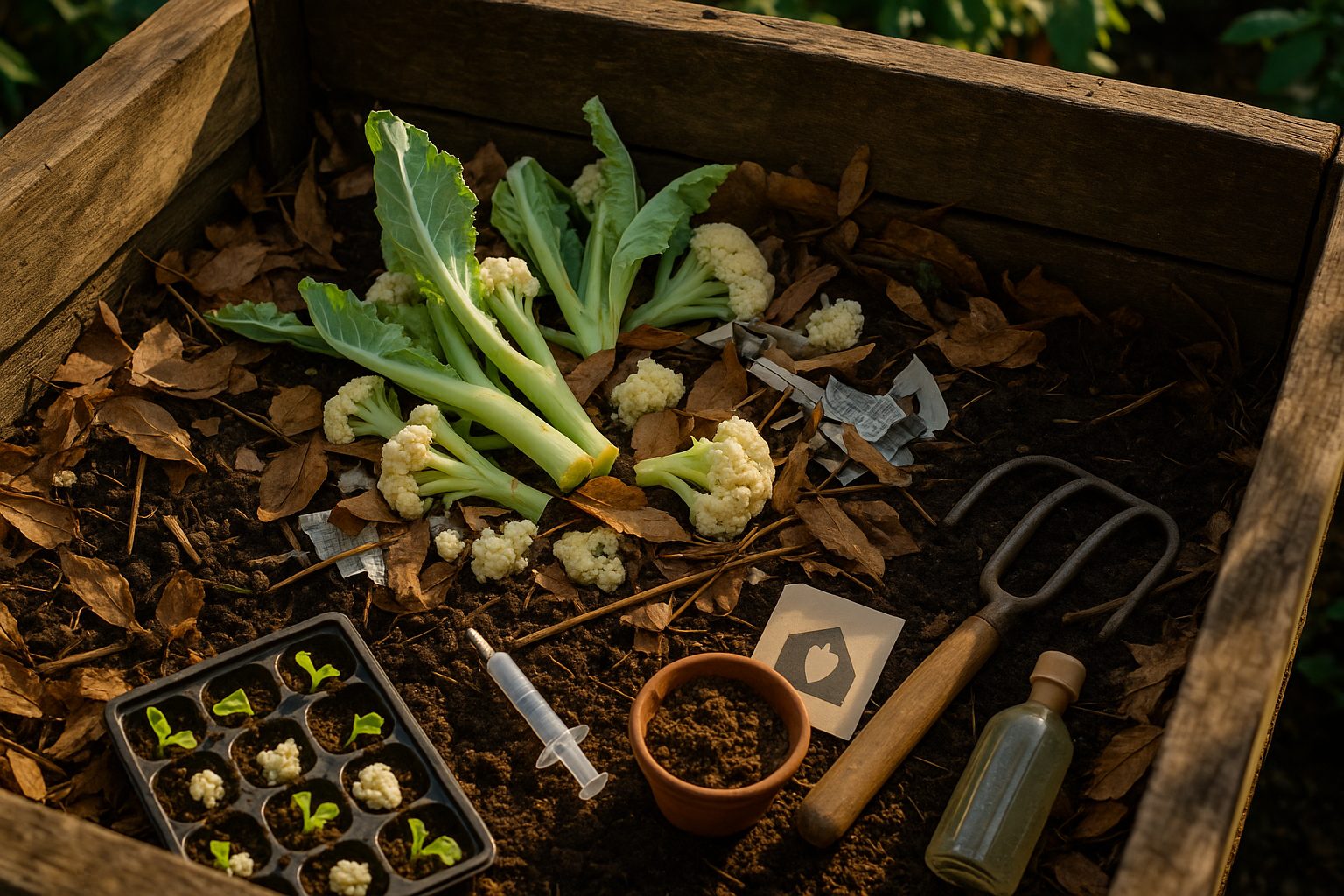
Why Compost Cauliflower Scraps?
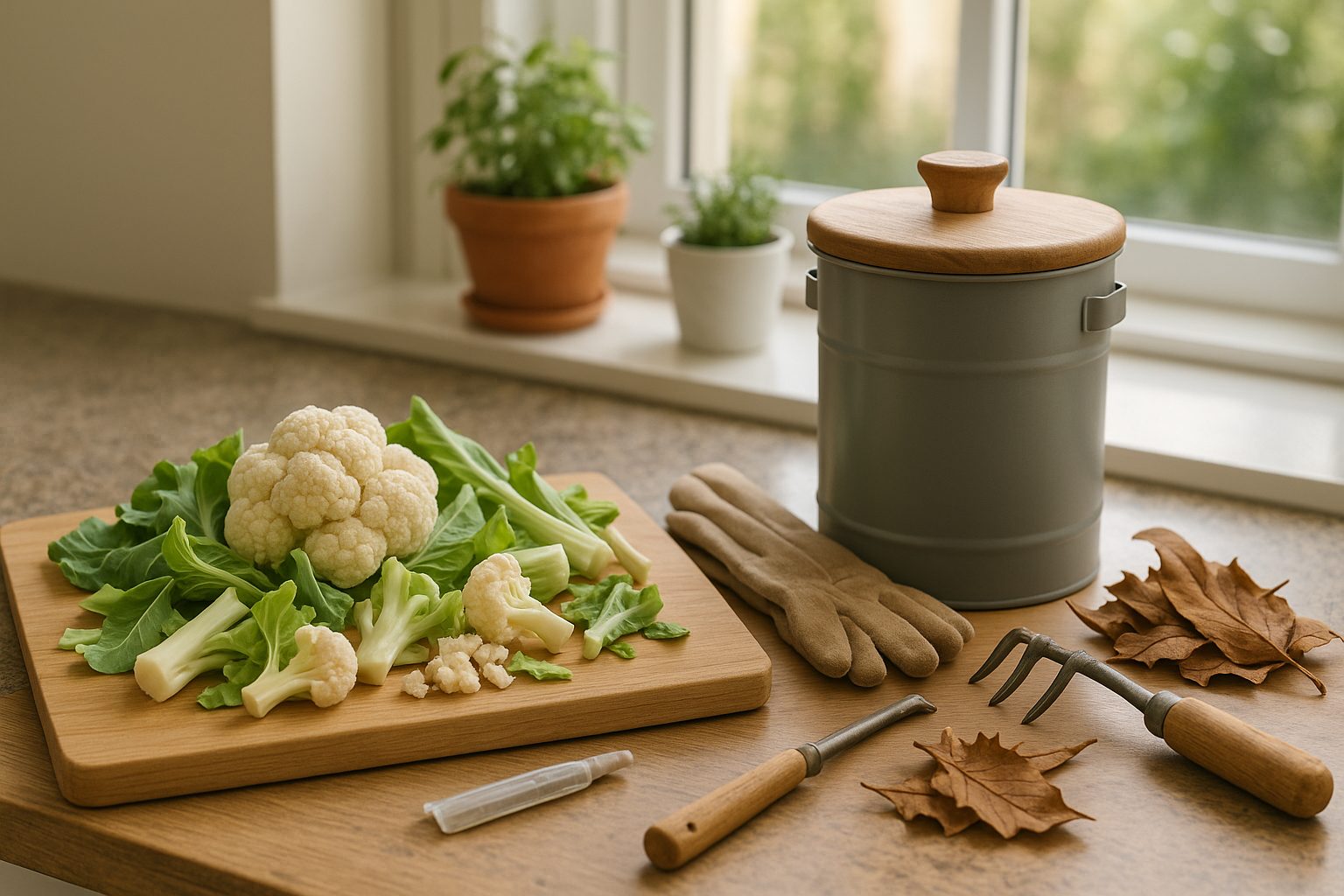
Composting cauliflower can make a real difference for both your garden and the planet. Instead of tossing cauliflower stems and scraps in the trash, consider adding them to your compost pile. When you compost cauliflower scraps, you’re not just keeping food waste out of landfills—you’re also reducing methane emissions, which is a big win for the environment. Landfilled food scraps break down anaerobically, producing harmful greenhouse gases, but in a compost heap, those same scraps transform into nutrient-rich soil, supporting healthier plants and reducing the need for synthetic fertilizers.
Cauliflower stems, leaves, and cores may seem like kitchen waste, but they actually play an important role in creating balanced compost. Rich in fiber and nutrients like potassium, calcium, and vitamin C, they add key minerals that boost the quality of your finished compost. By integrating these veggie leftovers into your compost system, you help create fertile, living soil for future crops—supporting a truly sustainable gardening cycle.
On a practical level, composting cauliflower scraps is easy and requires little extra effort. Just chop larger pieces to help them break down faster and mix them with other green and brown materials. Whether you have a backyard compost pile or use a countertop bin, this simple habit keeps valuable nutrients in your garden instead of buried in a landfill. Over time, you’ll notice the difference in your plants and the satisfaction of knowing you’re making a positive environmental impact, one cauliflower stem at a time.
Composting Cauliflower for Zero Waste
Nearly every part of a cauliflower is compostable, making it one of the easiest vegetables to use fully and reduce waste in your kitchen.
The core, stems, leaves, and florets can all go straight into your compost pile. The outer leaves, which people often discard, are rich in nutrients and break down well. Although the thick core and stems are tough, they will decompose over time—chopping them into smaller pieces can speed up the process and help prevent clumping.
Both raw and cooked cauliflower scraps are technically compostable, but it’s best to avoid composting cauliflower that has been roasted, fried, or mixed with oils, butter, or heavy seasoning, as these can attract pests and upset the balance of your compost bin.
If you have a lot of cauliflower scraps, mix them with other brown materials like dry leaves, shredded newspaper, or cardboard to balance the “green” (nitrogen-rich) content and avoid a soggy pile. Turning the compost regularly will also keep air flowing and speed up decomposition.
By handling each part of your cauliflower thoughtfully, you’ll get richer compost and waste less food in the process.
How to Prepare Cauliflower Scraps for Composting
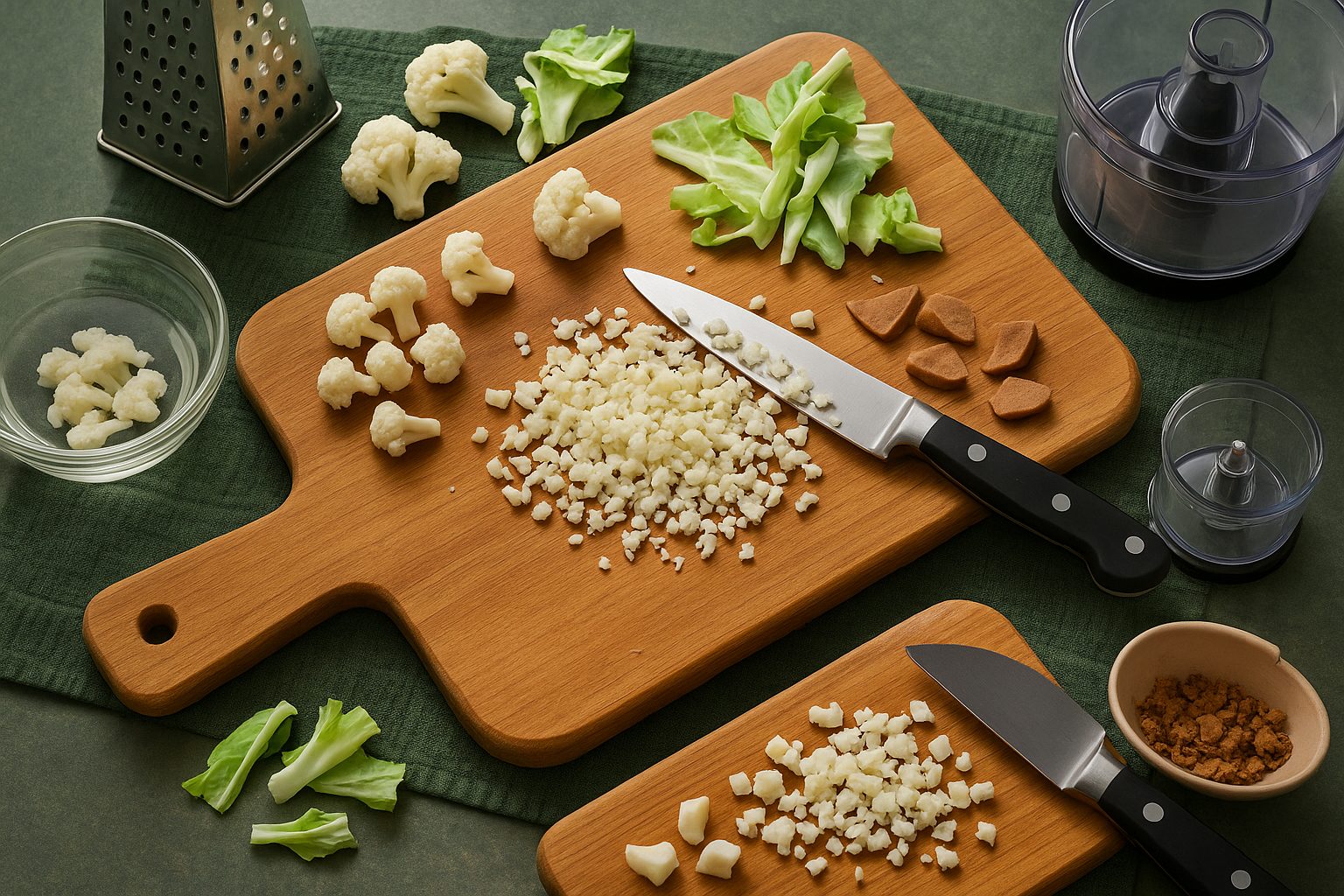
Chopping or shredding your cauliflower scraps before tossing them into the compost pile is a simple trick that can make a big difference in how quickly they break down. Smaller pieces provide more surface area for microbes to work, speeding up decomposition and helping prevent unpleasant odors from slow-rotting chunks.
For kitchen leftovers like stems, leaves, or cores, just grab a kitchen knife and cut them into bite-sized pieces. If you’re dealing with a big batch—maybe after meal prepping or harvesting from a large garden—you can use a food processor, box grater, or even a garden shredder to make quick work of the job.
Remember, it’s crucial to check for any stickers, plastic tags, or packaging residue before composting, since these items don’t break down and can contaminate your compost. Give your scraps a quick rinse if needed, and always toss out any non-compostable bits.
A little effort during prep pays off later with a healthier, more efficient compost heap that’s free of plastics and ready to nourish your plants.
Balancing Your Compost
Balancing your compost means getting the mix of “greens” and “browns” just right, which is key for fast decomposition and keeping smells away. “Greens” are materials rich in nitrogen—think food scraps, grass clippings, coffee grounds, and vegetable peels. For example, when you toss cauliflower scraps into your compost, you’re adding a valuable green.
On the flip side, “browns” are carbon-rich items that help aerate your pile and soak up moisture. These include things like dried leaves, shredded newspaper, cardboard, straw, or even small wood chips.
The general guideline is to aim for about three parts brown to every one part green. This means if you’re adding a bowl of cauliflower stems and leaves, top it off with three bowls of dry browns like autumn leaves or torn-up cardboard.
If you notice your compost getting wet or smelly, it’s likely you have too many greens and not enough browns—just add extra dry leaves or paper to balance it out. But if your pile is slow to break down or looks too dry, introduce a bit more water and some fresh green scraps.
Cauliflower scraps can be particularly moist, so pairing them with plenty of dry, absorbent browns helps prevent a slimy mess and encourages the good microbes that break everything down.
By following this simple ratio and keeping an eye on what you add, your compost will thrive, turn out crumbly and odor-free, and be ready to feed your garden.
“`html
Keeping Your Compost Pile Healthy
Maintaining a healthy compost pile is all about balance—moisture and airflow are key. Aim for your compost to be as damp as a wrung-out sponge; too dry, and decomposition slows, but too wet, and it starts to smell.
If your pile looks dry, lightly sprinkle it with water as you turn it. In rainy weather, cover the heap with a tarp to keep it from getting soggy.
Turning the pile every one or two weeks with a pitchfork or shovel introduces oxygen, speeding up the breakdown process and keeping odors at bay.
You’ll know your compost is ready when it looks dark and crumbly, smells earthy (not stinky), and you can’t recognize most of the original materials. Some gardeners use a simple “bag test”: seal a handful of compost in a zip-top bag for a few days—if it smells sweet or neutral when you open it, it’s good to use.
Benefits of Finished Compost
Finished compost is a powerhouse for your garden, working wonders for soil structure by improving drainage and water retention. It’s rich in nutrients, helping your plants grow stronger and healthier, with fewer pests and diseases.
Here are some ways to use your compost:
- Mix a layer into garden beds.
- Spread it around established plants.
- Use it as a top-dressing for lawns.
These methods give your entire yard a natural, chemical-free boost.
“`
How to Compost Cauliflower Scraps Successfully
Composting cauliflower scraps is a great way to reduce food waste, but new composters often face a few hurdles. A common issue is bad odors, which usually happen if there’s too much moisture or not enough “browns” like dried leaves, paper, or cardboard.
To fix this, mix your pile regularly and add more browns to balance out the wet cauliflower pieces.
Pests are another concern, especially if food scraps are left exposed. Bury your cauliflower scraps in the center of your pile and cover them with soil or browns to deter rodents and insects.
Slow decomposition can also be frustrating; this often means the pile needs more air or smaller pieces. Try chopping cauliflower scraps into smaller chunks and turning the compost every week to speed things up.
Remember, patience is key—composting is a natural process, and minor tweaks go a long way toward creating rich, healthy compost for your garden.
If you’re ever unsure, a quick look or sniff at your pile can tell you what’s wrong: too wet, too dry, too smelly, or just right!