Smart Gardening
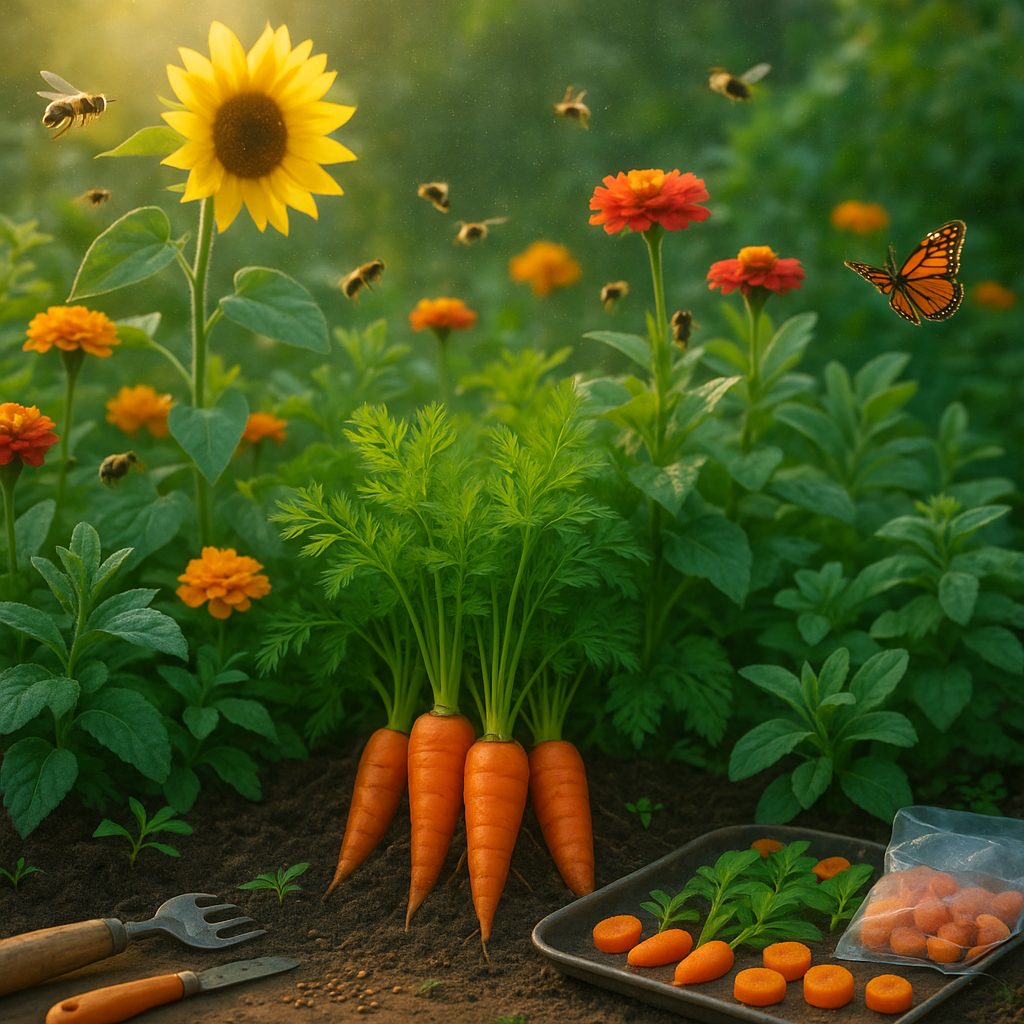
When it comes to growing your own vegetables and fruit, understanding the relationship between carrots and pollinators is key to unlocking healthy yields in your garden. While some plants, like tomatoes or berries, absolutely need pollinators for fruit production, vegetables such as carrots rely on them for seed production and overall plant vitality.
Good pollination not only boosts your harvest but also leads to stronger, more resilient plants. Whether you’re tending a backyard plot or a community garden, knowing how pollinators impact your crops can make all the difference.
Let’s explore simple pollination tips every smart gardener can use for a thriving, productive garden.
How Pollination Works in the Garden
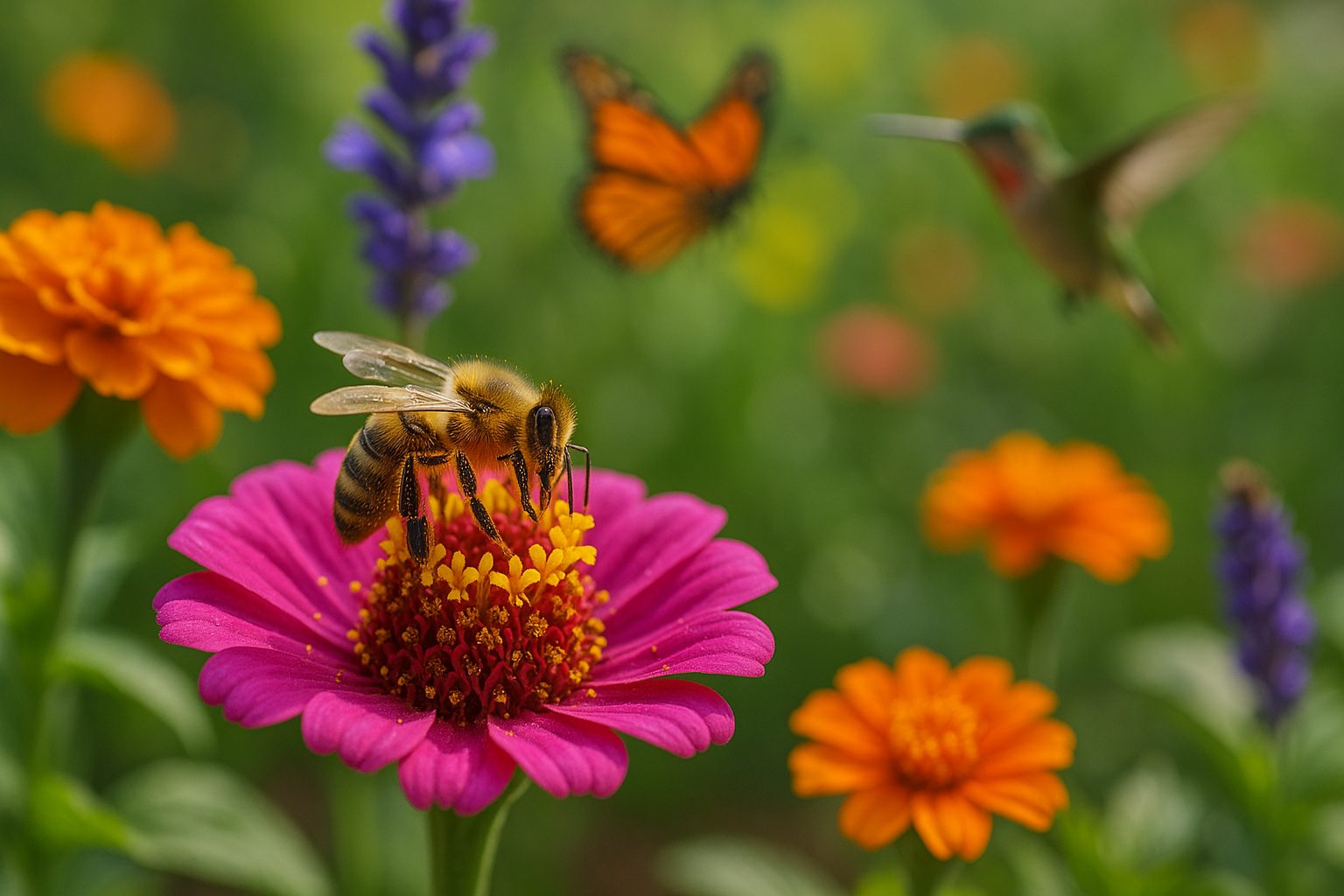
Pollination in the garden begins when pollen—a fine powder produced by flowers—moves from the male part (anther) to the female part (stigma) of a flower. This transfer can happen in several ways.
Wind carries pollen between plants like grasses, corn, or birch trees. Animals do a lot of the heavy lifting, too—bees and butterflies collect nectar and, in the process, transport pollen from one blossom to another.
Tomatoes and cucumbers rely mainly on bees, while butterflies help pollinate zinnias and marigolds. Even hummingbirds join in, especially with trumpet-shaped blooms like salvia.
Encouraging a mix of pollinators by planting a variety of flowers helps your garden thrive, resulting in more fruits, vegetables, and vibrant blooms throughout the growing season.
Identifying and Supporting Key Pollinators
Honey bees, bumblebees, native solitary bees, and butterflies are some of the most important pollinators you’ll find in your garden. Honey bees have golden, striped bodies and tend to move in social swarms. Bumblebees are plumper, fuzzier, and often move slowly between flowers. Solitary native bees, like mason bees, are usually small with metallic or dark bodies. Butterflies stand out with their broad, colorful wings and delicate fluttering.
To support these pollinators, plant a variety of native flowering plants that bloom at different times throughout the season, providing a continuous food source. Avoid using chemical pesticides, as they can harm beneficial insects. Adding water sources, such as shallow dishes filled with pebbles, can also help.
Leaving some bare patches of soil or installing bee hotels offers crucial nesting spots for solitary bees, boosting pollinator activity in your garden.
Common Pollination Challenges and Solutions
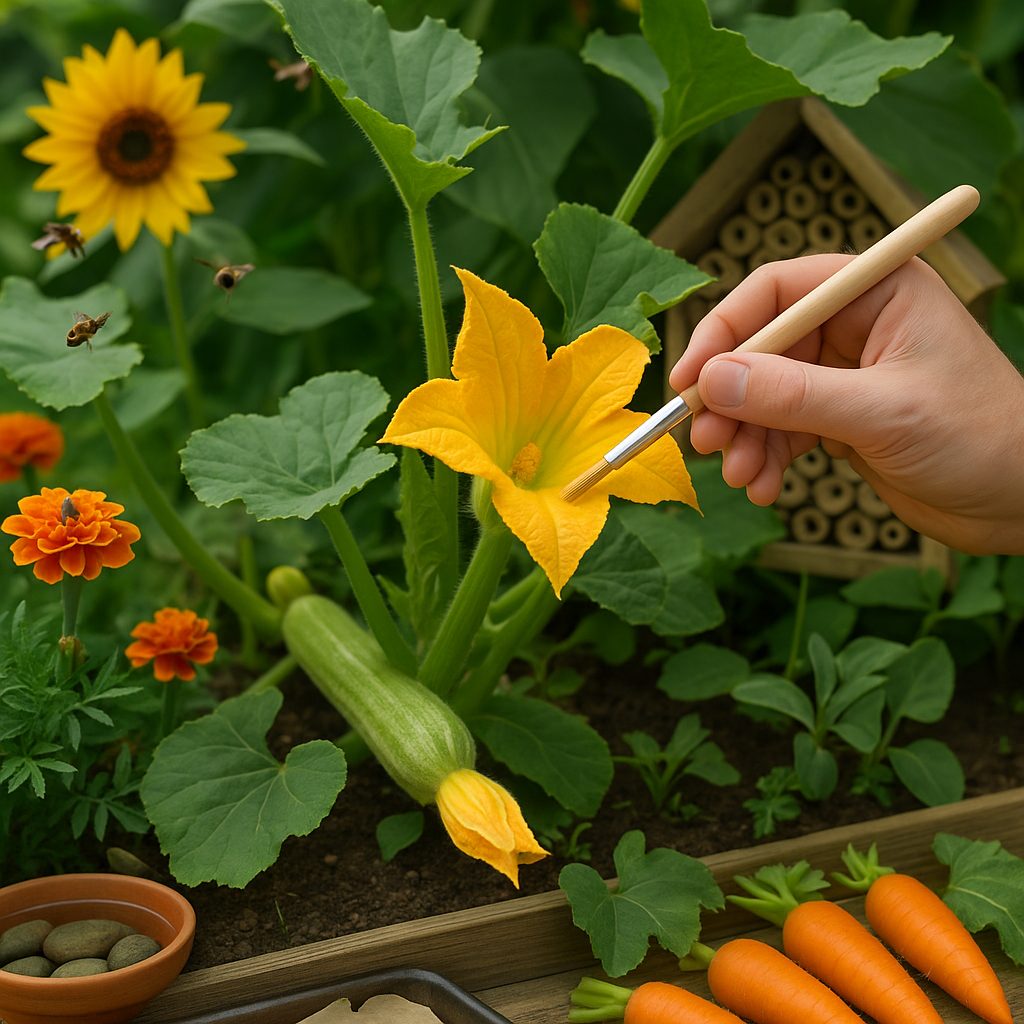
Many gardeners experience poor fruit set or oddly shaped produce due to inadequate pollination, especially with crops like squash and tomatoes that rely on frequent visits from pollinators. If you notice low yields or unusually formed vegetables, try hand pollinating by gently brushing pollen from flower to flower using a small paintbrush.
Planting flowers like marigolds or sunflowers nearby can attract bees and butterflies, boosting natural pollination. You can also create a pollinator-friendly habitat by leaving some wild areas or adding a bee house. These simple steps can lead to healthier plants and noticeably better harvests.
Saving and Sharing Seeds in Your Garden
Pollination plays a key role in seed quality because it determines how healthy and true-to-type your future plants will be. If your vegetables cross-pollinate with nearby varieties, the seeds might not produce what you expect next season.
To save seeds, start by choosing healthy, disease-free plants. Then, let fruits or pods mature fully before harvesting. For vegetables like tomatoes or cucumbers, scoop out the seeds and rinse them clean. For beans or peas, allow the pods to dry before collecting the seeds.
Storing seeds in labeled envelopes in a cool, dry place helps preserve their viability. Sharing your saved seeds with friends and neighbors not only boosts biodiversity but also creates a more resilient local garden community.
Easy Resources and Next Steps for Gardeners
For gardeners eager to learn more about pollination and gardening, excellent resources are just a click away. Books like Bringing Nature Home by Douglas Tallamy and The Pollinator Victory Garden by Kim Eierman offer practical guidance, while websites like the Xerces Society and Garden.org are packed with expert advice and tips.
Check your local community center or cooperative extension for gardening workshops and pollinator-friendly programs. Joining groups like community gardens or seed exchanges can connect you with experienced gardeners and fresh ideas.
Keep experimenting in your own space—every season brings new lessons, and the learning never really stops.