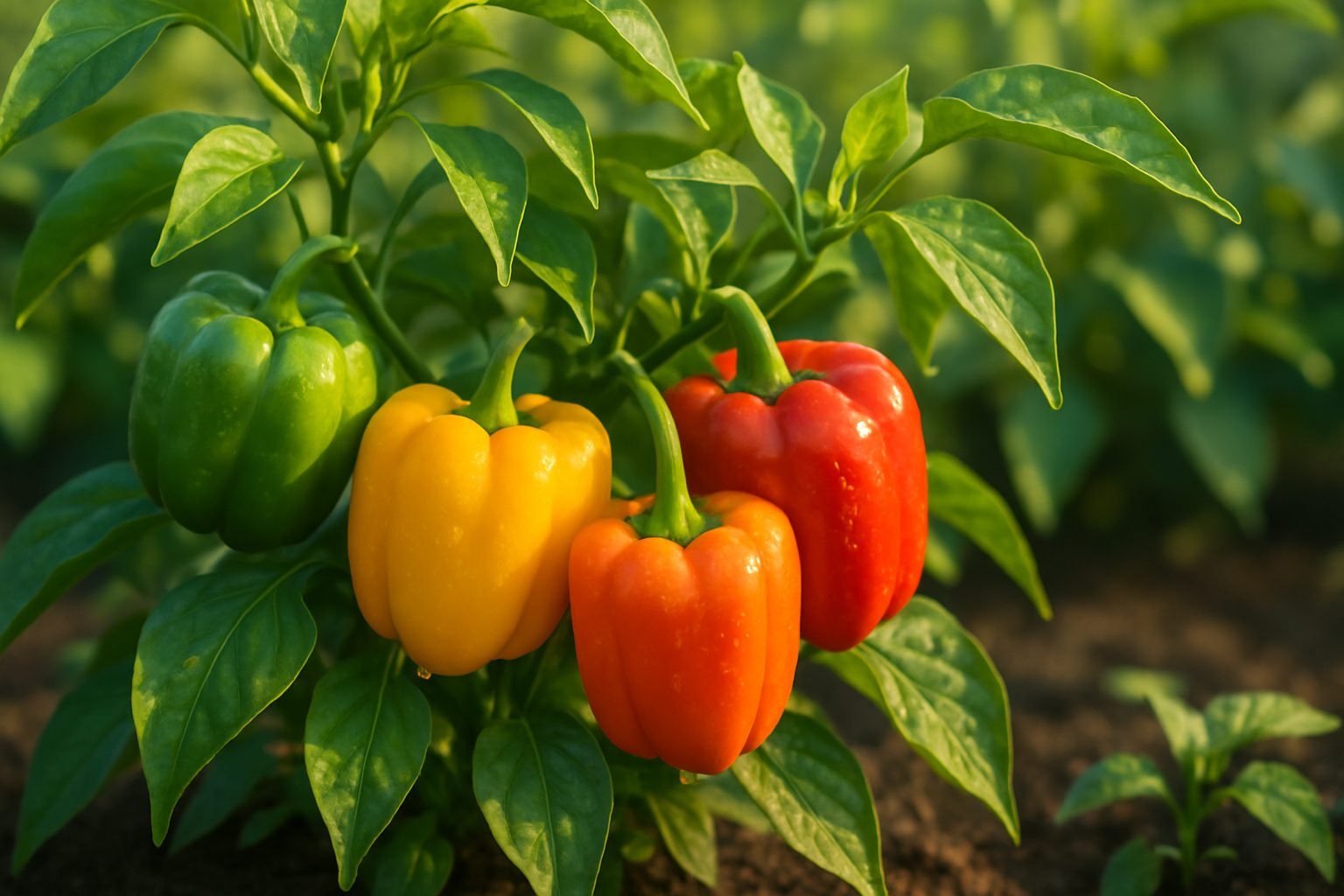
Understanding Bell Pepper Ripening Stages
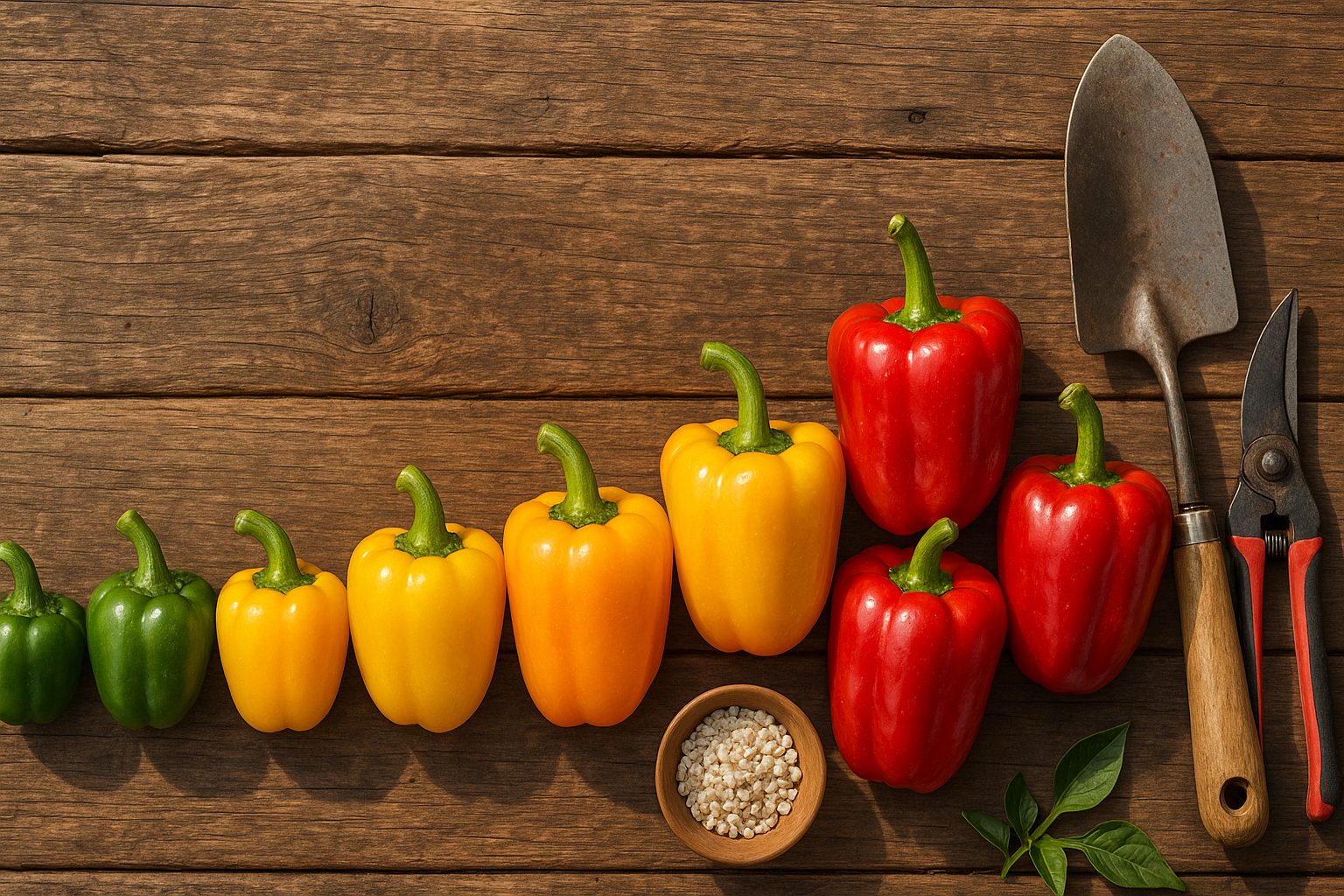
If you’re growing bell peppers and feeling frustrated because they aren’t turning red, you’re not alone—this is a common concern among home gardeners. The journey of a bell pepper from its initial green stage to the much-coveted vibrant red is a fascinating process that’s both natural and nuanced.
Most bell peppers start off green, which is actually the immature stage of the fruit. As they ripen, some varieties transition to yellow, then orange, and eventually reach that deep red hue. This color transformation isn’t just about looks—it’s driven by internal changes as sugars accumulate and chlorophyll breaks down, revealing new pigments like carotenoids.
The final stage, turning red, is triggered by a mix of genetics, environmental factors, and time on the plant. Some popular varieties skip the yellow or orange phase, going straight from green to red, but this can take several additional weeks after the pepper reaches its full size. Warm days and cool nights help promote ripening, as do consistent watering and fertilization. It’s important to resist the urge to pick peppers too early; they need time and patience.
One common misconception is that all green bell peppers will eventually turn red—but that’s not always the case. Some types are bred to stay green, while others may not ripen fully if exposed to stress, irregular watering, or if harvested prematurely.
If you’re eager for those red peppers, make sure your plants are healthy, get enough sun, and stay patient. Sometimes garden conditions or the specific pepper variety mean you might only get green or yellow fruit. By watching your peppers each week, you’ll notice the subtle color changes that mark their progress.
Remember, with a bit of care and the right expectations, those bell peppers not turning red might just need more time—or simply be embracing their inherent color.
Key Signs Your Red Bell Peppers Are Ready to Pick
Knowing when your red bell peppers are ready to pick makes a big difference in both flavor and nutrition. The clearest sign is the pepper’s color—ripe red bell peppers should display a rich, uniform red across the entire fruit. If you still see green streaks or blotchy patches, it means the pepper needs more time on the plant. Be patient, as full ripening brings out the sweetest, richest taste.
Size is another giveaway: mature bell peppers typically reach around four inches in length and appear plump and well-rounded. Resist the urge to harvest too early; undersized peppers may taste bitter and lack crunch.
Gently cup the pepper with your hand and press lightly. The skin should feel firm and have a taut, glossy finish, not wrinkled or soft. A ripe pepper’s surface will also feel smooth and unblemished, which is a sign of good health and peak readiness.
If you notice the fruits meet these visual and tactile criteria—and perhaps give just a subtle snap when you twist them off the plant—it’s prime time to harvest. Picking at the right stage is key not only for taste but for better storage, too. If possible, harvest your peppers in the morning when they’re cool and hydrated, which helps preserve their freshness longer.
By focusing on color, size, and texture, you can enjoy bell peppers at their best—whether you’re snacking on them fresh or adding them to your favorite recipes.
Factors That Affect Bell Pepper Ripening
Bell pepper ripening is heavily influenced by environmental factors, and understanding these can make the difference between harvesting crisp green peppers or enjoying sweet red ones.
Sunlight is a top priority—bell peppers need at least six to eight hours of direct sun each day for the best color and flavor development. Temperature also plays a critical role; peppers ripen best in consistently warm weather, between 70°F and 85°F. If nighttime temperatures drop below 55°F or if a sudden frost hits, peppers may stall ripening or develop thin, bitter walls.
Soil quality can affect ripening, too—a rich, well-draining soil with plenty of organic matter and balanced nutrients provides the steady support peppers need. However, even when conditions seem ideal, some peppers never turn red. This can be due to plant variety, as certain types are bred only to ripen to green or yellow, while others require a longer time to reach a red hue.
Sometimes, stress from pests, diseases, or erratic watering disrupts the ripening process, leaving peppers stuck between colors. To encourage full ripening, leave peppers on the plant as long as possible, even after they reach full size—many varieties will slowly transition from green to yellow, orange, and finally red if the weather stays warm enough.
Try protecting plants from unexpected cold by using row covers or moving potted peppers indoors during chilly nights. Mulching around the base can help regulate soil temperature and moisture. In areas with a short growing season, consider starting seeds early indoors or choosing quick-maturing pepper varieties.
With a bit of attention to these factors, you’ll boost your chances of picking beautifully ripened red peppers straight from the garden.
When (and How) to Pick Peppers for Best Flavor and Nutrition
The ideal time to pick peppers depends on the flavor and nutritional experience you’re aiming for, as peppers change significantly as they ripen. Green peppers are harvested early, offering a crisp texture and a slightly bitter taste—perfect for stir-fries or salads. They contain fewer sugars and slightly less vitamin C compared to fully mature peppers.
If you leave peppers on the plant, they’ll usually turn yellow, orange, and ultimately red. As they ripen, their flavor becomes sweeter and their nutritional content—especially antioxidants like vitamins A and C—increases. For the richest flavor and highest nutrition, let your peppers reach full color. Keep in mind, though, that not all varieties change color, so check your seed packet for guidance.
How to Harvest Peppers
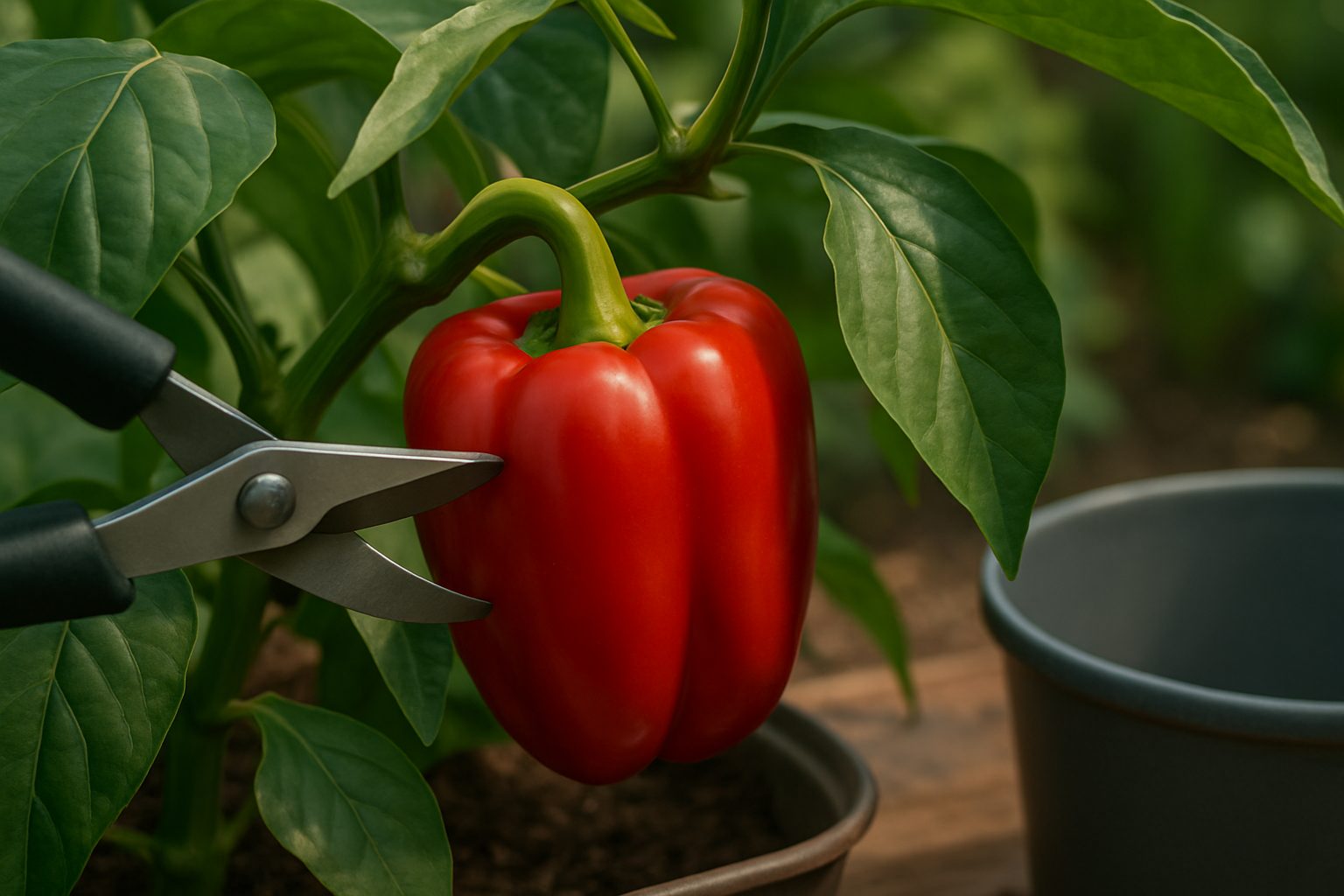
When harvesting, use clean, sharp pruning shears or scissors to cut the pepper from the stem, leaving a small bit of stem attached. This reduces stress to the plant and prevents accidental tearing, which can invite disease. Hand-picking can work in a pinch, but be gentle—twisting or pulling too roughly can break branches.
Important Timing Tips
It’s crucial to harvest all your peppers before the first frost, even if they haven’t fully changed color, because cold temperatures can damage the fruit and halt ripening altogether. If you must pick early, you can let partially ripened peppers finish coloring indoors on a sunny windowsill.
Timely and careful picking not only improves the taste and nutrition of your peppers but also encourages the plant to produce more fruit throughout the season, maximizing your harvest and enjoyment.
After the Harvest: Storage and Keeping Peppers Fresh
Keeping peppers fresh after the harvest doesn’t have to be a challenge when you use the right storage techniques.
For whole peppers, keep them dry and place them in the vegetable crisper drawer of your refrigerator inside a breathable bag or loosely wrapped in paper towels—this allows for airflow and prevents moisture buildup, which can lead to mold. Avoid washing peppers before storing, as excess moisture speeds up spoilage; rinse them just before use instead.
If you’ve chopped your peppers, store them in an airtight container lined with paper towels to absorb any excess moisture, and use them within a few days for the best texture and flavor.
To maximize shelf life, freeze peppers by slicing or chopping them and placing the pieces in a single layer on a baking sheet until solid, then transfer them to freezer bags. Their texture will change, but their flavor and color stay strong—perfect for cooking later.
If you notice peppers shriveling, it means they’re losing moisture. Check that your fridge isn’t too cold or dry, and avoid storing peppers near ethylene-producing fruits like apples. Moldy spots indicate too much humidity or poor airflow—discard affected peppers and clean storage containers thoroughly.
By taking these simple steps, you can keep your harvest fresher, longer.
What to Do with a Large Pepper Harvest
When you’re faced with a bumper crop of peppers, there are plenty of tasty and practical ways to make the most of your harvest.
Start by enjoying peppers fresh: toss sliced bell or sweet peppers into salads, grill them for sandwiches, or whip up a quick garden-fresh pico de gallo using diced peppers, tomatoes, onions, cilantro, and a splash of lime juice.
For heartier meals, try making stuffed bell peppers—simply fill halved peppers with a mix of cooked rice, ground meat or beans, onions, and your favorite seasonings, then bake until everything is tender.
If you can’t eat all your peppers while they’re fresh, freezing is an easy option: just slice them, spread them on a baking sheet to freeze individually, then transfer to zip-top bags for later use in cooked dishes.
Pickling is another fantastic way to preserve peppers; quick-pickled jalapeños or banana peppers add zing to sandwiches, tacos, and salads and last up to several months in the fridge.
Homemade salsa is another classic—blend ripe tomatoes, onions, peppers, garlic, and a splash of vinegar or lemon juice to create a salsa that’s customizable based on how hot or sweet your peppers are.
If you still have more peppers than you can handle, consider gifting a jar of fresh salsa or a bundle of homegrown peppers to neighbors, or donating extras to a local food pantry or community kitchen.
By using a mix of fresh recipes, preserving techniques, and sharing, you’ll not only enjoy your pepper harvest all year round but also help reduce waste in your community.
Useful Tips and FAQs for Home Gardeners
Bell peppers are a favorite among home gardeners, but even seasoned growers have questions. One common issue is poor fruit set—this is often resolved by ensuring your peppers receive plenty of sun (at least 6-8 hours daily) and consistent moisture.
If you notice yellowing leaves or stunted growth, check for pests like aphids. You can use insecticidal soap or encourage ladybugs as a natural solution.
To boost your yield, try spacing plants about 18 inches apart for better air circulation and mulching with straw to retain soil moisture. Raised beds or large containers can help in cooler climates by keeping warmth around the roots.
Using a simple stake or tomato cage prevents branches from snapping under heavy fruit. Harvest peppers when they’re firm and glossy, snipping them off with sharp pruners rather than twisting to avoid damaging the plant.
For easy reference, the Farmer’s Almanac (almanac.com), local extension offices, and resources like the National Gardening Association (garden.org) offer detailed guides and variety comparisons.
Try tracking your harvest times and yields in a gardening journal to notice patterns and improve each year. With a little care and the right information, anyone can enjoy a bumper crop of sweet, crunchy peppers at home.