Introduction
If you’ve spotted leaf curl in bell peppers growing in your garden, you’re not alone—and it’s a problem that can leave even the most attentive gardeners scratching their heads. Leaf curling isn’t just a cosmetic issue; it can signal deeper problems affecting growth and fruit production, meaning your hard work is at risk unless you act quickly.
But there’s good news: this issue is manageable, and understanding the underlying causes is the first step toward healthier plants. In this post, you’ll discover why leaf curl in bell peppers occurs—whether it’s stress from weather, pests like aphids and thrips, or tricky nutrient imbalances.
We’ll walk through practical remedies you can use right now, from adjusting your watering routine to spotting early signs of infestations. You’ll also pick up prevention strategies, such as soil improvement and regular plant check-ups, to keep your pepper plants thriving all season long.
Whether you grow peppers in containers on your balcony or have a sprawling backyard patch, the right knowledge makes all the difference. With a few easy tweaks and some keen observation, you can turn curled leaves into a distant memory—so let’s get your peppers back on the path to robust health!
Understanding Leaf Curling in Pepper Plants
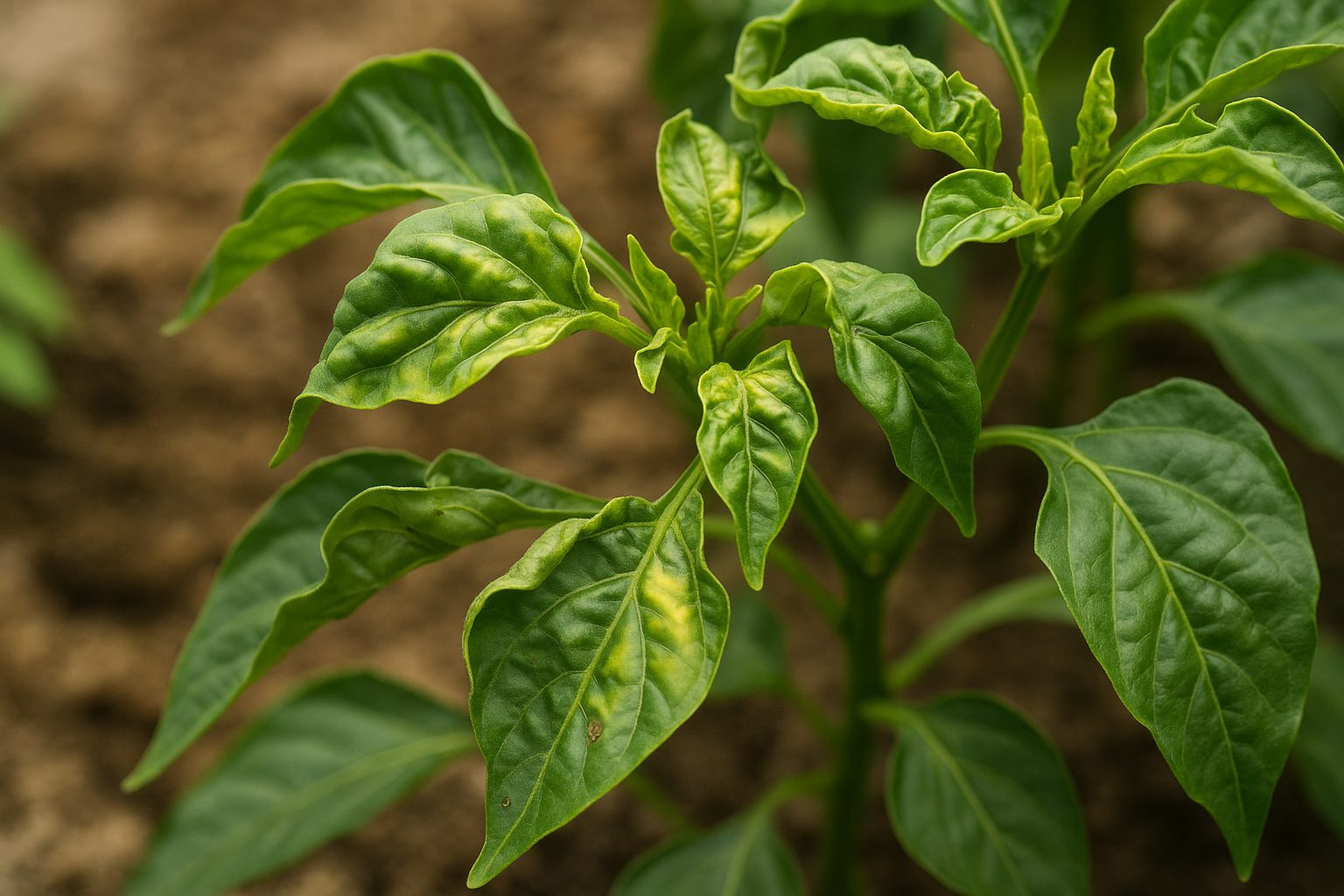
Leaf curling in pepper plants is a common issue where the leaves twist, fold, or cup inward or outward, giving them a wrinkled or misshapen appearance. It often begins subtly, with the edges of newer leaves curling upward or downward, then spreads to older foliage if the underlying cause isn’t addressed.
Visual signs include distorted leaves, puckered surfaces, or uneven coloring, such as pale patches or yellowing along the curled areas. Sometimes, affected leaves become stunted or feel thicker than normal. Leaf curling may appear on just a few leaves at the top or spread across much of the plant, depending on the severity and duration of the problem.
Early detection of leaf curling is vital for maintaining healthy pepper plants and ensuring good yields. If left unchecked, the issue can weaken the plant, reduce flowering, or even cause fruit drop. Spotting curling early lets gardeners investigate possible causes before the condition worsens, making interventions more effective and preventing long-term stress.
It’s important to realize that leaf curling rarely has a single cause. Instead, it can result from various factors, such as pests like aphids or thrips, viral infections, nutritional imbalances (too much or too little fertilizer), irregular watering, or sudden changes in weather conditions. For example, one gardener might notice curling after heavy rains followed by a heatwave, while another could see it after switching fertilizers or spotting tiny bugs on the undersides of leaves.
Because these factors can overlap, addressing leaf curl in peppers requires a comprehensive approach—checking for pests, reviewing care routines, and observing environmental changes—to help your plants recover and thrive.
Common Causes of Pepper Plant Leaf Curling
Pepper plant leaf curling is a common frustration for gardeners, and pinpointing the cause is key to fixing it. Overwatering often makes leaves look swollen, soft, and droopy, while underwatering causes leaves to curl tightly and turn crisp or dry at the edges.
Pests like aphids and thrips are major culprits—check the undersides of leaves for sticky residue, tiny moving insects, or black specks. Pest damage tends to cause leaves to curl unevenly and sometimes become distorted or yellow.
Nutrient deficiencies, especially in calcium or magnesium, usually show up as leaves curling alongside yellowing between veins or the appearance of “blistered” spots.
Environmental stresses are also common: excessive heat can make leaves cup downward or curl to conserve moisture, while strong winds or intense sunlight might cause curling combined with leaf edges that look burned or bleached.
If none of these seems to fit, consider less frequent causes like viral or fungal diseases, which often come with mottled yellow patterns or spots in addition to curling. Herbicide drift from a neighboring yard or farm can also cause strange twisting and curling, usually on new growth, and is worth considering if all other factors have been ruled out.
By carefully observing the symptoms and environmental conditions, gardeners can often identify the root cause and take the right steps to restore their pepper plants’ health.
How to Fix Curling Leaves on Pepper Plants
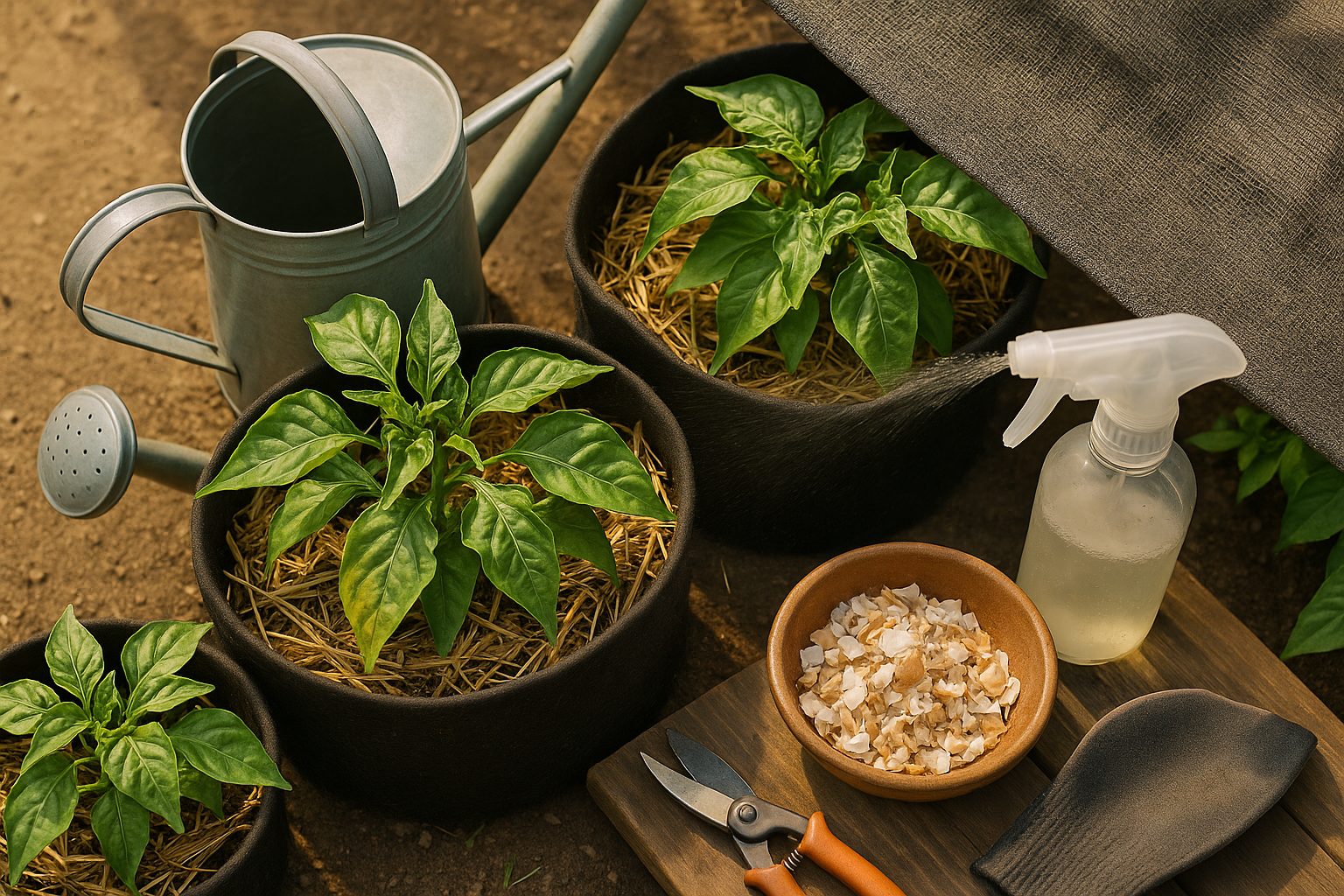
Curling leaves on pepper plants can be frustrating, but fixing the problem is doable with some targeted steps. First, check your watering habits; both too much and too little water can cause leaf curl. Aim to water deeply but only when the top inch of soil feels dry. Use mulch like straw or shredded leaves around your plants to help the soil retain moisture and prevent quick evaporation, especially during heatwaves.
Next, inspect the undersides of leaves for tiny pests such as aphids or spider mites, which often cause curling by feeding on the sap. If you spot these critters, spray the plants with a gentle solution of water and mild dish soap, or introduce natural predators like ladybugs to the garden. For persistent infestations, neem oil is a safe, organic pesticide option.
Sometimes, nutrient imbalances—especially calcium or magnesium deficiencies—can lead to leaf curl. Feed your peppers with a balanced fertilizer or sprinkle crushed eggshells around the base to add calcium. Always avoid over-fertilizing, as too much nitrogen can worsen the problem.
Strong sun or wind can also stress peppers, so in the hottest part of the day, use a lightweight shade cloth to give your plants a break.
After making these adjustments, keep an eye on your plants over the coming weeks. Check for new leaf growth and watch whether the curling improves, so you can tweak your care routine if needed. By responding quickly to signs of trouble and sticking with safe, simple remedies, you’ll help your pepper plants bounce back to their healthy, productive selves.
Prevention: Keeping Pepper Plant Leaves Healthy
Healthy pepper plant leaves are best achieved through smart, proactive care—starting with the basics. Water your plants consistently to avoid stress from dryness or waterlogging. Using a moisture meter takes the guesswork out, letting you know exactly when your peppers are thirsty or when the soil is saturated enough. Always water at the base rather than overhead to keep leaves dry and less prone to disease.
Consistent monitoring is another crucial habit. Set a reminder to check your plants every few days for any changes in color, spots, or curling. Early detection of problems like pests or nutrient deficiencies means you can step in quickly and potentially save your crop from bigger issues.
Balanced fertilization also plays a major role. Feed your peppers with a well-rounded fertilizer suited for vegetables, and keep a gardening journal to track feeding schedules and observe any reactions your plants might have—overfeeding can be just as harmful as neglecting nutrients.
Proper plant spacing is another preventive step. By allowing adequate room for airflow between pepper plants, you’ll reduce humidity and the likelihood of fungal diseases. If pests have been a problem in the past, try companion planting—growing basil or marigolds nearby can naturally deter unwanted bugs and boost overall plant health.
Lastly, protect your peppers from unpredictable weather by using garden fabric, cloches, or moving potted plants under shelter during storms or extreme heat. These simple tools and consistent habits, when practiced together, create a preventative routine that helps keep pepper leaves vibrant and trouble-free all season long.
Frequently Asked Questions About Leaf Curling
Leaf curling is a common concern among gardeners, and many wonder if their plants can bounce back. The good news is that with timely care—like adjusting watering habits, checking for pests, or improving soil drainage—most plants can recover from mild to moderate leaf curling.
Another frequent question is whether it’s safe to eat fruits or vegetables from affected plants, such as those with curled pepper leaves. In most cases, the fruit itself remains safe to eat as long as there are no visible signs of rot or mold. Just wash produce thoroughly before consumption and avoid any fruits that look diseased.
For indoor plant parents, leaf curling often results from overwatering, lack of humidity, or pest infestations like spider mites. Try moving plants to brighter, but not directly sunny, spots and gently wipe leaves to remove dust or pests.
Regularly inspecting both indoor and outdoor plants helps catch issues early, making it easier to restore your plants’ health and vibrancy. Remember, most causes of leaf curling are treatable, so stay observant and patient for the best results.
Conclusion and Further Resources
In summary, tackling pepper leaf curl starts with spotting common causes like pests, inconsistent watering, or nutrient deficiencies. Simple fixes—such as maintaining steady moisture, checking for insects, and using quality fertilizer—can make a big difference. Regularly inspecting your plants helps you catch issues early, and staying consistent with your care routine keeps problems at bay.
Remember, healthy pepper plants thrive with attention and quick action when something looks off. For more tips, helpful guides, and in-depth tutorials, check out trusted gardening websites like the Old Farmer’s Almanac or university extension programs. Staying curious and informed not only prevents leaf curl but also ensures you enjoy a bountiful pepper harvest season after season.