Introduction
If you’re looking to make the most of your garden, a bell pepper yield calculator can be an invaluable tool for estimating how many delicious peppers you’ll harvest from each plant, pot, or square meter. “Vegetable yield” refers to the amount of produce you can expect from your gardening efforts. Knowing this number isn’t just a matter of curiosity—it’s a game-changer for home gardeners aiming for self-sufficiency, effective meal planning, or simply reducing food waste.
Imagine being able to plan your weekly meals confidently, avoid surplus that ends up in the compost, or even scale your growing space to match your household’s pepper cravings! In this guide, you’ll discover practical ways to estimate bell pepper yields, from individual container plants all the way to full planting beds.
We’ll introduce real-world examples, share easy-to-use calculation methods, and help you adjust for factors like plant variety, local climate, and growing techniques. Whether you’re planting your first starter pot or fine-tuning a thriving backyard garden, you’ll leave with a clear strategy for predicting your harvests—and getting the most from every square meter you tend.
Understanding Vegetable Yield Basics
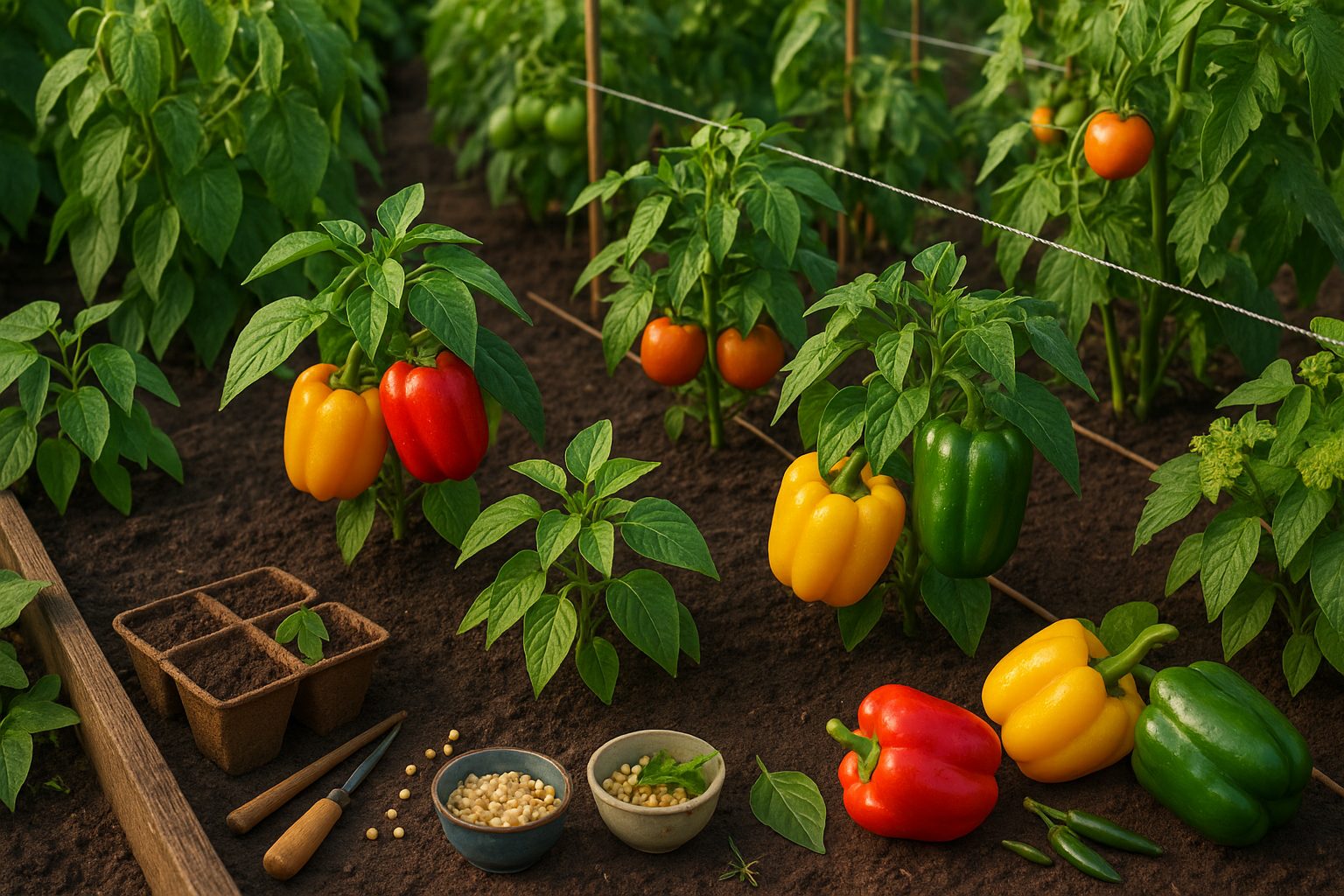
When it comes to growing vegetables, understanding yield is essential for garden planning and maximizing your harvests. “Yield” simply means the amount of produce you get from a plant, a specific row, or a given land area over a season.
If you see references to “per-plant yield,” this tells you how much one plant typically produces—think of a tomato plant giving you 10 to 20 pounds of fruit each summer. “Per-row yield” describes production along a standard garden row, which is useful for home gardeners planting in beds. In larger gardens or farms, “per-acre yield” is most important, often measured in thousands of pounds.
Several factors impact your results:
- Plant variety: Some types are bred for higher productivity.
- Climate: Certain crops thrive better in cooler or warmer conditions.
- Soil quality: Fertility and drainage dramatically affect yield potential.
- Spacing: Correct plant spacing prevents competition for light and nutrients.
- Overall care: Consistent watering, feeding, and prompt pest control keep productivity high.
Most gardeners track yield in pounds, quarts, or bushels. For example, you might note that a single zucchini plant produces about 6 pounds of squash, or your 10-foot row of beans yields 3 pounds in a season. By recording these measurements and observing what influences your results, you’ll become a more efficient and successful grower, able to plan better each year and truly enjoy the fruits of your labor.
Calculating How Much to Grow
Estimating how much to grow in your vegetable garden starts with gauging your household’s actual needs and eating habits. Begin by looking at how your family consumes vegetables each week—do you eat salad daily, or just occasionally? Are you likely to preserve or freeze extra veggies, or do you only want enough for fresh eating?
For a rough baseline, the average adult eats around 20-30 pounds of tomatoes, 8-10 pounds of carrots, 10-12 pounds of green beans, and 10-12 pounds of lettuce per year. For a family of four that loves salads and stir-fries, multiply those numbers accordingly.
Once you know your yearly totals, you can break them down into how many plants to grow. For instance, a healthy tomato plant can yield about 10-15 pounds in a season, so plan for two to three plants per person if tomatoes are a staple. For carrots, plant about 30 seeds per person to meet annual needs. For green beans, one 10-foot row generally yields four to five pounds, so a couple of rows may be enough for a small family.
Remember, your climate and garden space affect yields, so start with these estimates and adjust as you gain experience. Keeping good records each season of what you harvest and how much your family actually eats will make it easier to fine-tune your planting plans year after year.
And don’t forget to allow for occasional losses from pests or weather—planting a bit extra gives you a buffer, so you’re never left short.
Space and Planting Requirements
Before you start planting, take a good look at your available garden space—measure the area, note how much sunlight it receives, and observe any spots with shade or drainage issues. Once you know what you’re working with, choose crops that thrive in your conditions and match your gardening goals. For example, leafy greens like lettuce and spinach do well in partial shade and are compact, while tomatoes and zucchinis need full sun and more room.
To get the best yields without crowding your plants, stick to standard spacing guidelines:
- Tomatoes: 18–24 inches between plants
- Peppers: 12–18 inches apart
- Carrots or radishes: 2–3 inches apart
- Beans: about 4 inches apart
- Broccoli: 18 inches of space around bushy plants
In terms of yield, expect one tomato plant to produce 8–10 pounds of fruit, while a square foot of carrots can yield 1–2 pounds. If your space is limited, try raised beds or containers, which offer better soil control and allow for tighter spacing. For instance, the square-foot gardening method lets you plant in 12″ x 12″ blocks instead of long rows.
Intensive planting—like mixing quick-growing greens with slower crops—can maximize productivity. Succession sowing (planting new seeds right after a crop is harvested) keeps beds in constant use. Use trellises or vertical supports for vining crops like cucumbers and pole beans to free up ground space. By planning carefully and making smart choices, even a modest garden plot can yield a surprising amount of fresh produce.
Practical Yield Calculation Methods
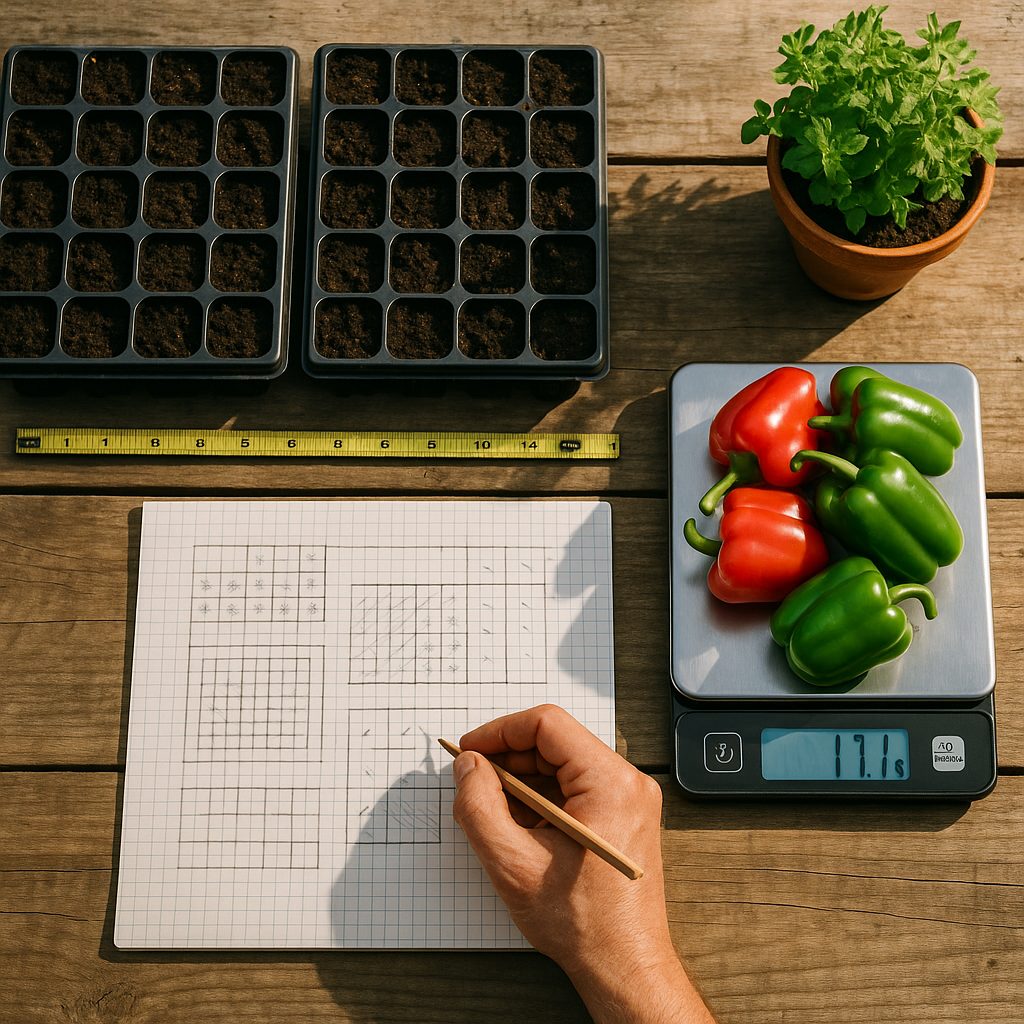
Calculating your garden’s yield doesn’t have to be complicated. For most home gardeners, a straightforward way to estimate yield is using this basic formula: Yield = Number of Plants × Average Yield per Plant.
You can often find average yield data for common vegetables in seed catalogs or extension service guides. For example, bush beans typically yield about 1 pound per 10-foot row. Suppose you plant a 20-foot row with good spacing—simply double the number: 2 pounds expected from that row.
Another handy approach is to use yield charts provided by university extension programs, which offer valuable averages for a wide range of vegetables.
Let’s try a quick calculation with tomatoes, a popular garden staple. If you plant 5 indeterminate tomato plants and expect each to yield about 10 pounds over the season, you’ll calculate:
- 5 plants × 10 pounds = 50 pounds of tomatoes for your harvest.
Remember, these are estimates, and actual outcomes can be influenced by factors like weather, soil, and care.
If you prefer digital help, many websites offer interactive yield calculators—like the Old Farmer’s Almanac Garden Planner or various cooperative extension services—where you enter your crop and planting data to get custom projections.
Using these methods helps you plan your garden wisely, avoid over- or under-planting, and enjoy a more productive harvest tailored to your needs.
Challenges Affecting Self-Sufficiency and Yield
Achieving self-sufficiency from your garden or homestead often comes with hurdles that can impact your yield, especially in the early years. Pests and diseases are constant threats—an unexpected aphid infestation or a sudden outbreak of mildew can wipe out weeks of effort. Unpredictable weather, like late frosts or extended drought, can stunt plant growth or ruin entire crop sections. Soil problems such as poor fertility or drainage issues can further limit what you’re able to grow.
To tackle these challenges, it’s smart to plan for losses by planting a little more than you think you’ll need and choosing resilient crop varieties. Incorporating practices like crop rotation and companion planting can help break pest and disease cycles, keeping the soil healthier over time. Have a few “backup” crops—fast-growing greens or hardy root vegetables—that can fill gaps if the main harvest falls short.
Don’t forget, even experienced growers sometimes lose crops, so avoid discouragement if your yield isn’t perfect in your first season. Set realistic expectations and view each season as a chance to learn and improve. By planning ahead and adapting as you go, you’ll raise your odds of success and move closer to true self-sufficiency with each passing year.
Tips for Boosting Vegetable Harvests
If you’re hoping to get more from your vegetable garden, a few practical strategies can make a big difference. Start by enriching your soil with compost or well-rotted manure—healthy soil grows healthy, productive plants.
Try companion planting: for example, growing basil near tomatoes not only deters pests but can also improve yields, while beans naturally fix nitrogen in the soil, helping leafy greens thrive.
Consistent watering and regular weeding prevent stress and let your crops focus on producing food. Heavy-yielding crops like cherry tomatoes, bush beans, zucchini, spinach, and radishes are great picks for beginners; they grow quickly and tend to produce lots even in small spaces.
For long-term improvement, keep a simple garden journal to track your planting dates, harvest amounts, and any problems or successes. Over time, this record helps you spot patterns—maybe certain crops thrive more with extra mulch, or perhaps you notice better results when you stagger plantings. Making these observations season after season lets you refine your approach and boost your harvest even more.
Conclusion
Understanding expected yields is key to making the most of your garden. It helps you plan space, choose crops, and set realistic harvest goals. By experimenting with different plants and techniques, tracking your results over time, and learning from both successes and setbacks, you can steadily increase your garden’s productivity and enjoyment.
Don’t be afraid to try new things—gardening is as much about discovery as it is about the harvest. For more in-depth guidance, check out local extension services, gardening blogs, and online communities where experienced growers share tips and advice tailored to your region. Happy growing!