Choosing the Right Pepper Varieties
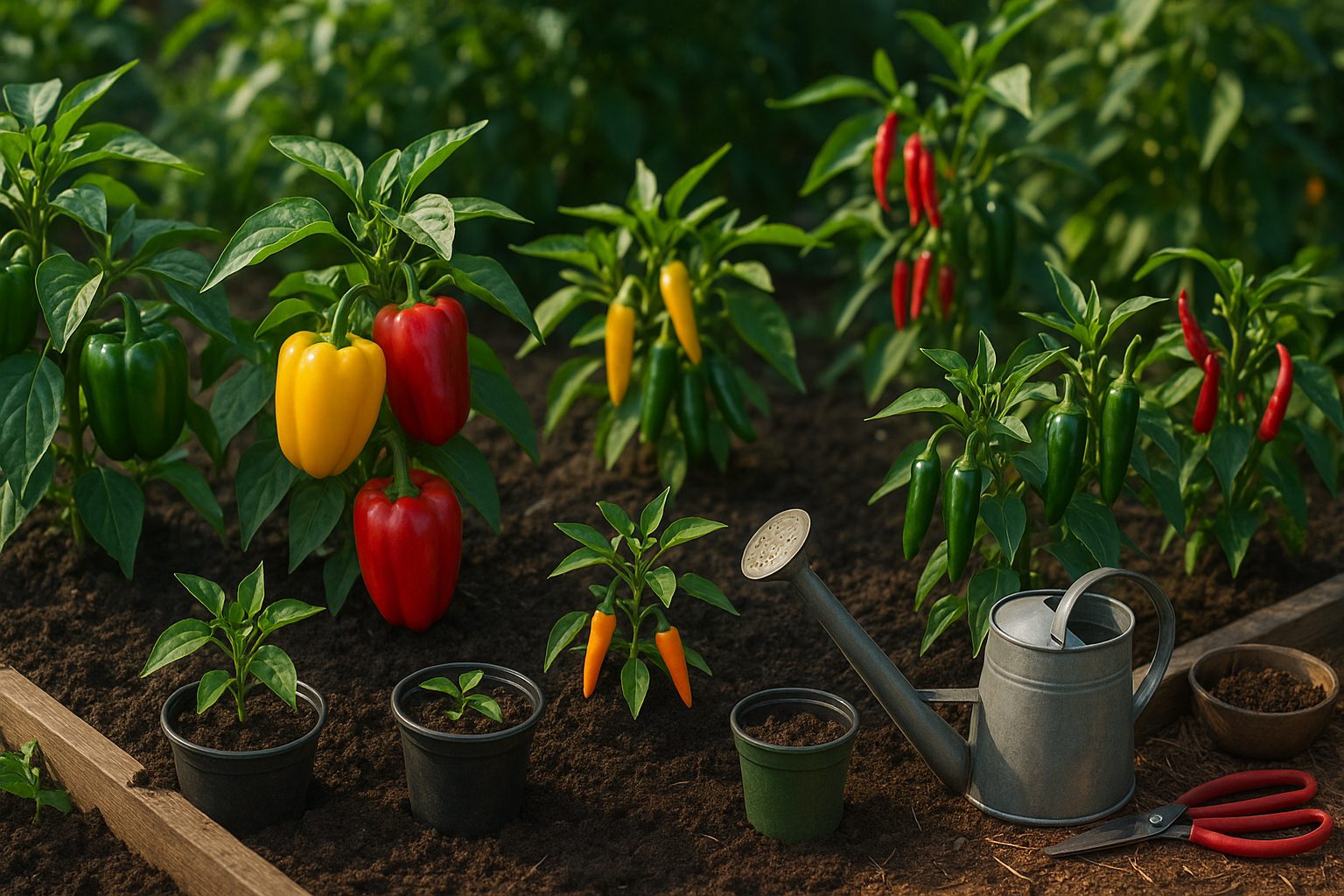
Understanding bell pepper sunlight needs is essential before selecting which pepper varieties to grow in your garden. Bell peppers, along with their hot, sweet, and specialty relatives, thrive when given the right environment—sunlight being a key ingredient for healthy plants and a great harvest. But not all peppers are created equal, and choosing the right variety can make all the difference.
Bell peppers are favorites for their crisp texture and mellow flavor, perfect for salads, stuffing, or roasting. Hot peppers, such as jalapeños and cayennes, pack both heat and bold flavor, ideal for spicy dishes and salsas. Sweet varieties like banana and cubanelle peppers offer milder flavors and are excellent for grilling or pickling. Specialty peppers—think shishito or padrón—bring unique flavors and culinary excitement to any kitchen.
If you’re just starting out, beginner-friendly varieties like California Wonder or King of the North (for bell peppers) and Anaheim or Hungarian Wax (for mild heat) are reliable producers with manageable care requirements. Also, pay attention to climate: short-season peppers like Early Jalapeño are well-suited for cooler regions, while varieties bred for heat tolerance thrive in warmer climates.
Ultimately, your best pepper choices will fit your local growing conditions and your personal taste—whether that’s a juicy bell for garden-fresh snacking or a fiery serrano to spice up your meals. Consider your space, sun exposure, and palate before heading to the seed rack, and you’ll be well on your way to a productive and flavorful pepper harvest.
Starting Peppers: Seeds, Seedlings & Early Care
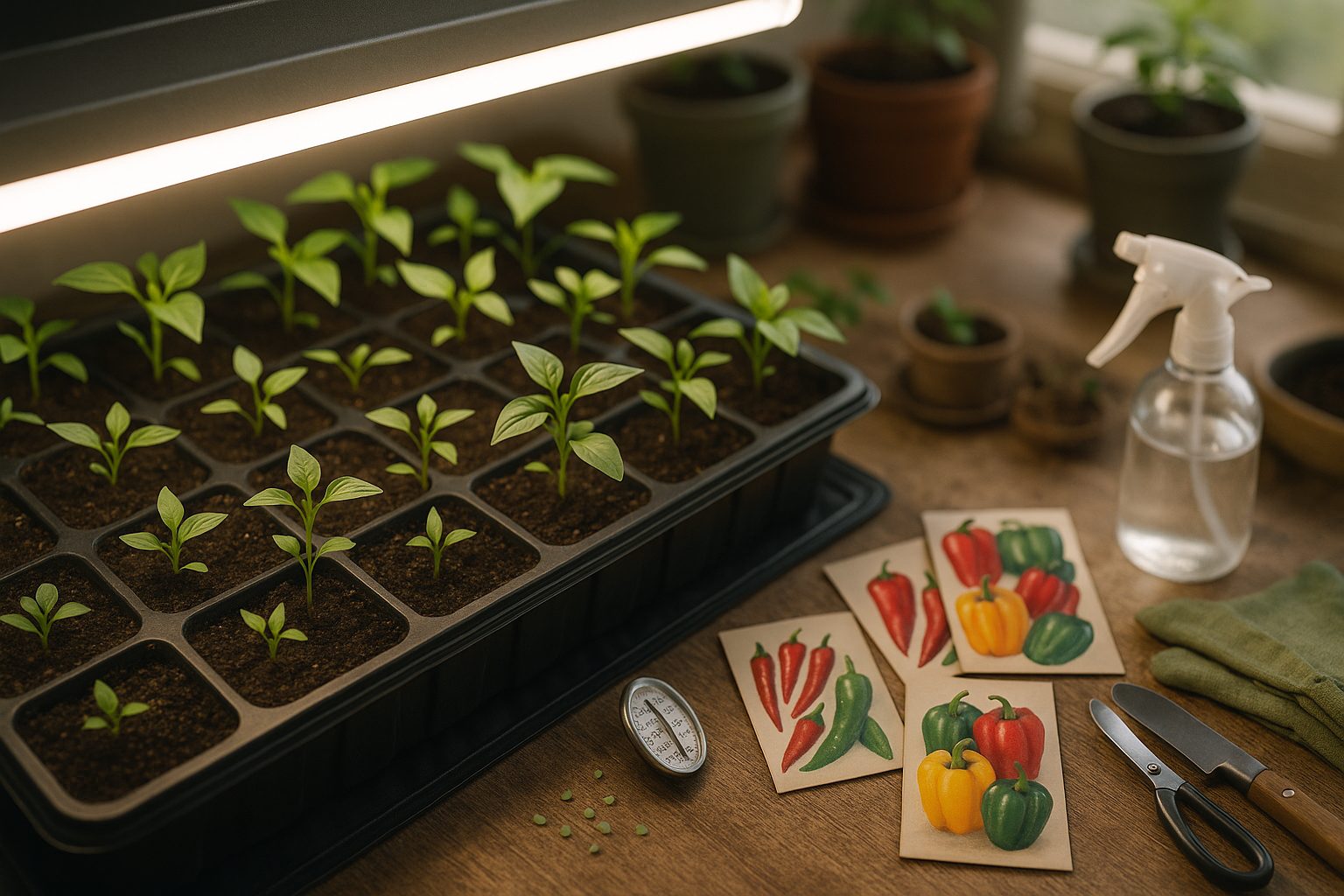
When deciding whether to grow peppers from seeds or buy ready-made seedlings, consider your level of experience and the varieties you want to cultivate. Starting peppers from seeds can be rewarding, offering a wider selection of unique and heirloom varieties that garden centers may not stock. However, it requires more time and attention since pepper seeds are slow to germinate and need a consistent environment for success.
Buying seedlings is more convenient, letting you skip the early and sometimes tricky stages, but your choices may be limited to common types.
If you choose to grow from seed, start 8-10 weeks before your last expected frost date. Use a high-quality seed-starting mix and sow seeds just a quarter-inch deep. Warmth is key: keep the soil temperature between 75-85°F, which often means placing trays on a heat mat.
Light is equally crucial. Provide 14-16 hours of bright, indirect light daily using a grow light or a south-facing window. Keep the mix lightly moist but never soggy.
Once seedlings develop two sets of true leaves, thin them to the strongest plants, then transplant into larger pots as they grow.
Before moving peppers outside, it’s vital to harden them off—gradually introduce seedlings to outdoor conditions over 7-10 days. Start with a few hours in the shade, slowly increasing sunlight, exposure to wind, and cooler temperatures. This toughens the plants, reducing transplant shock and boosting their survival outdoors.
Aim to transplant peppers outside a week or two after your last frost, when night temperatures consistently stay above 55°F.
By following these steps, you’ll give your pepper plants the best start—whether you sow seeds yourself or let a nursery handle the earliest stages.
Planting Location, Soil, and Sunlight Requirements
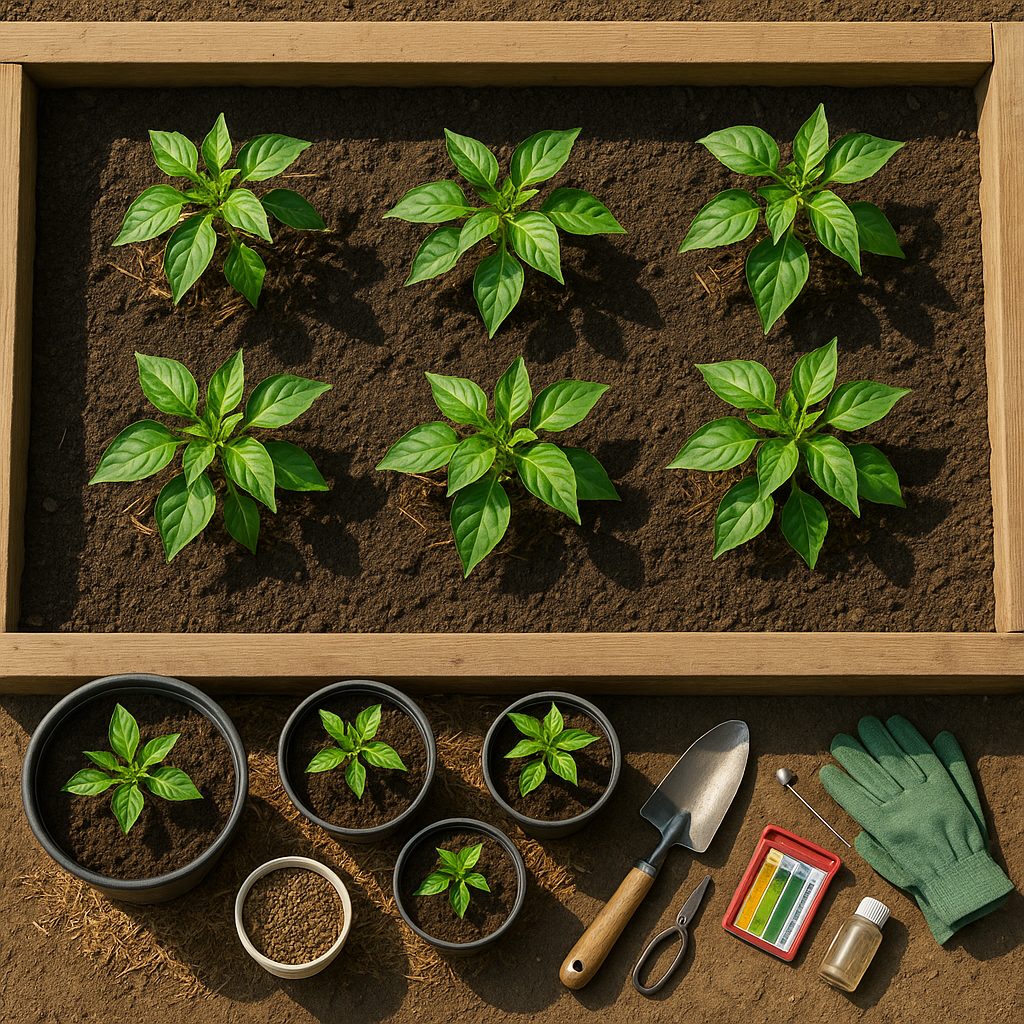
Peppers thrive best when planted in well-draining soil that’s rich in organic matter and nutrients, giving their roots room to breathe and helping prevent issues like root rot. Aim for a slightly acidic to neutral pH level between 6.0 and 7.0—if you’re unsure, a simple soil test kit from most garden stores will quickly let you know where you stand. Mixing in compost or aged manure can boost nutrient levels and improve soil structure, ensuring steady growth and plentiful fruit.
Peppers are sun-loving plants and need at least six to eight hours of direct sunlight each day to produce strong stems and abundant peppers. While they can tolerate partial shade, especially during the hottest part of the afternoon, yields and fruit quality generally decrease with less sun exposure.
When choosing a spot, make sure to avoid areas prone to waterlogging, and consider elevating your peppers in raised beds or containers if your native soil holds too much moisture. Raised beds are a great option for controlling drainage and soil quality, while containers let you move plants to the sunniest spots or protect them from extreme weather.
In a traditional garden bed, loosen the soil at least a foot deep to encourage healthy root spread, and mulch around plants to reduce weeds and maintain even moisture. By giving peppers the right start with ideal soil, lots of sunshine, and a well-thought-out location, you’ll set them up for success all season long.
Caring for Your Pepper Plants
Consistent care is key to healthy, productive pepper plants. Water deeply but infrequently, aiming for about one to two inches per week, and always check the soil before watering—overwatering can lead to root rot, while underwatering stunts growth.
Early in the season, apply mulch like straw or shredded leaves around each plant to lock in soil moisture, suppress weeds, and stabilize root temperatures. Fertilize every few weeks with a balanced, slow-release formula, but avoid high-nitrogen fertilizers, which encourage leafy growth at the expense of fruit production.
Sunscald is a common problem where fruits develop pale, sunken patches from direct sunlight; this often happens if plants are over-pruned or sparsely leafed. To prevent it, leave enough foliage to shade peppers and consider using shade cloth during heat waves.
Staking pepper plants or using tomato cages supports weak stems and keeps fruits off the ground, while gentle pruning of lower branches improves airflow and reduces disease risk. Good spacing is crucial—set plants 18–24 inches apart so air can move freely and leaves dry quickly after rain.
If a cold snap or heatwave threatens, use floating row covers or shade cloths to protect your crop. Windy weather can stress plants, so secure them well and use windbreaks if necessary.
Monitor for leaf curling, wilting, or spotting, which might signal stress or disease, and act quickly to adjust care routines when you notice changes. By combining these practical strategies, you’ll give your pepper plants the best chance to thrive, resist problems, and reward you with a hearty harvest.
Pests, Diseases, and Troubleshooting
Dealing with pests and diseases is a regular part of growing peppers, but a little vigilance can go a long way. Two common pepper pests are aphids—tiny, green or black insects that cluster on leaves—and hornworms, large caterpillars that chew through foliage.
Knock aphids off with a strong spray of water or introduce helpful insects like ladybugs to keep them in check. For hornworms, handpicking is most effective; check both sides of leaves in the early morning or evening.
When it comes to diseases, blight and powdery mildew are frequent culprits. To prevent these issues, space your plants well for good air circulation, avoid overhead watering, and remove any infected leaves immediately.
Inspect your plants weekly for yellowing leaves, white powdery patches, or brown spots, as catching these symptoms early keeps things manageable.
If you notice yellow leaves, it might signal overwatering, underfeeding, or root issues—try adjusting watering habits or feeding with compost tea.
Poor fruit set often means flowers aren’t being pollinated, so encourage bees by planting nearby flowers, or gently shake plants to help pollen move.
Stunted growth may point to crowded roots or nutrient deficiencies—check if your peppers need a bigger pot or try an organic fertilizer boost.
Staying observant and addressing problems quickly ensures your pepper plants stay healthy and productive all season.
Harvesting and Storing Peppers
Knowing when to harvest your peppers is key to enjoying their best flavor and texture. Look for signs like vibrant color—the shade should match the pepper variety’s mature hue, whether it’s red, yellow, green, or purple. The skin should be glossy and firm when you gently squeeze it, and the fruit should be about the typical size for its type.
To pick peppers without harming your plant, use a clean pair of garden scissors or pruners to snip the fruit off, leaving a short stem attached. Avoid pulling or twisting, as this can damage the fragile branches.
For short-term storage, refrigerate fresh peppers unwashed in a produce bag to help lock in moisture and keep them crispy for up to two weeks. To preserve peppers long-term, try drying slices in a food dehydrator or oven on low heat, then store them in airtight containers.
For freezing, wash, core, and slice the peppers. Spread the pieces on a baking sheet to freeze individually, then transfer them to freezer bags—this prevents the pieces from sticking together and lets you grab exactly what you need for recipes later.
Safety Tips: Handling and Enjoying Hot Peppers
When handling hot peppers, it’s smart to always wear gloves—capsaicin, the compound that gives peppers their heat, can irritate your skin or linger on your hands, causing a painful surprise if you touch your eyes or face later.
If you ever forget gloves, wash your hands thoroughly afterward with soap and cool water, scrubbing under your fingernails. Try rubbing your hands with a little cooking oil first, then wash again to help lift away the capsaicin. For extra safety, avoid touching your face until you’re sure your hands are clean.
Once you’ve safely handled your harvest, get creative in the kitchen! Hot peppers add a kick to homemade salsas, spicy pickles, or even infused oils and vinegars.
If you have a bounty, bundle some up in little mason jars with a handwritten label—spicy pepper jelly or homemade hot sauce makes a thoughtful, fiery gift for friends who love bold flavors.