Introduction
If you’ve ever watched your thriving pepper plants suddenly become a buffet for tiny invaders, you know the struggle is real—finding an effective DIY pest spray for bell peppers can make all the difference. Whether it’s stubborn aphids clustering under leaf edges or spider mites weaving delicate webs, pests can sneak in and wreak havoc on your garden dreams.
As more gardeners turn to organic pest control to avoid harsh chemicals, interest in natural solutions is booming. This article dives into proven organic sprays that target common garden pests, shares easy DIY recipes you can whip up at home with household ingredients, and offers practical tips to help you apply them safely and successfully.
Say goodbye to guesswork—learn which homemade sprays actually work and how you can protect your bell peppers naturally, so you can enjoy a healthier, more abundant harvest all season long.
Common Garden Pests and Their Damage
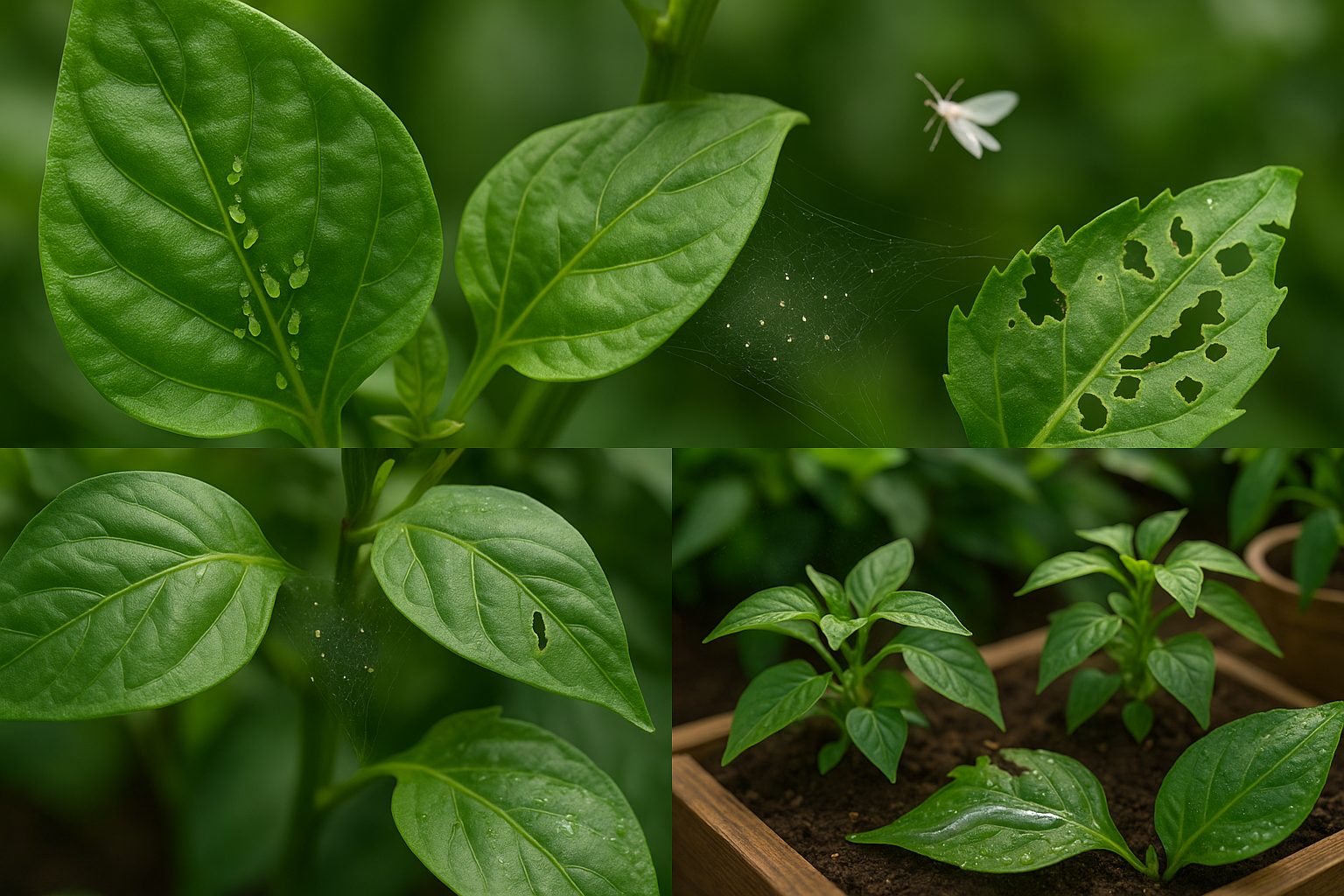
Garden pests like aphids, spider mites, and caterpillars are notorious for causing damage that can quickly overwhelm your plants if left unchecked.
Aphids are tiny, pear-shaped insects that cluster on new growth, often in shades of green, black, or white. They suck the sap from leaves and stems, causing curling, yellowing, and stunted growth. You might also notice a sticky residue called honeydew, which can lead to sooty mold.
Spider mites, almost microscopic, prefer hot, dry conditions and congregate on the undersides of leaves, leaving behind fine webbing and causing speckled yellow or bronze discoloration. If you tap a leaf over a white piece of paper and see tiny moving dots, you likely have spider mites.
Caterpillars, like those from moths and butterflies, chew noticeable holes in leaves and may even eat entire seedlings down to the ground. Look for ragged edges or green droppings beneath your plants as telltale signs.
Whiteflies, tiny white-winged insects, flutter up in clouds when you disturb infested plants and can weaken growth by sucking sap. Slugs and snails leave slimy trails and irregular holes in leaves, especially overnight.
Early detection is crucial—walking your garden daily lets you spot subtle signs before pests multiply. At the first sign of infestation, try these methods:
- Gently spray aphids and mites off with water
- Handpick larger pests like caterpillars
- Apply eco-friendly solutions like insecticidal soap
- Remove heavily infested leaves
- Keep your garden healthy with good airflow to discourage pests
Quick action can prevent minor issues from becoming plant-threatening outbreaks, saving you time and frustration in the long run.
Why Choose Organic Pest Control Sprays?
Choosing organic pest control sprays offers a safer, more sustainable way to manage garden pests. Unlike conventional pesticides, which often contain harsh chemicals that can linger on plants, leach into the soil, and harm non-target creatures, organic sprays use natural ingredients like neem oil, garlic extract, or insecticidal soap.
This means your family, pets, and helpful pollinators such as bees and butterflies are less likely to be exposed to potentially dangerous residues. For example, while a synthetic pesticide might eliminate pests quickly, it can also wipe out beneficial insects that help pollinate plants or naturally control outbreaks, disrupting your garden’s ecosystem.
Organic alternatives are designed to break down more rapidly, reducing the chance of chemical build-up in the soil that can stunt plant growth or disturb long-term soil health. Gardeners often notice richer, more productive soil after switching to organic treatments, as earthworms and microbes thrive in these conditions.
To make the most of organic sprays, apply them early in the morning or late in the evening when pollinators are less active, and always follow the label instructions to avoid over-application. With organic solutions, you’re not just protecting your plants from pests—you’re also supporting a healthier, more balanced environment for years to come.
Top Homemade Organic Sprays and Recipes

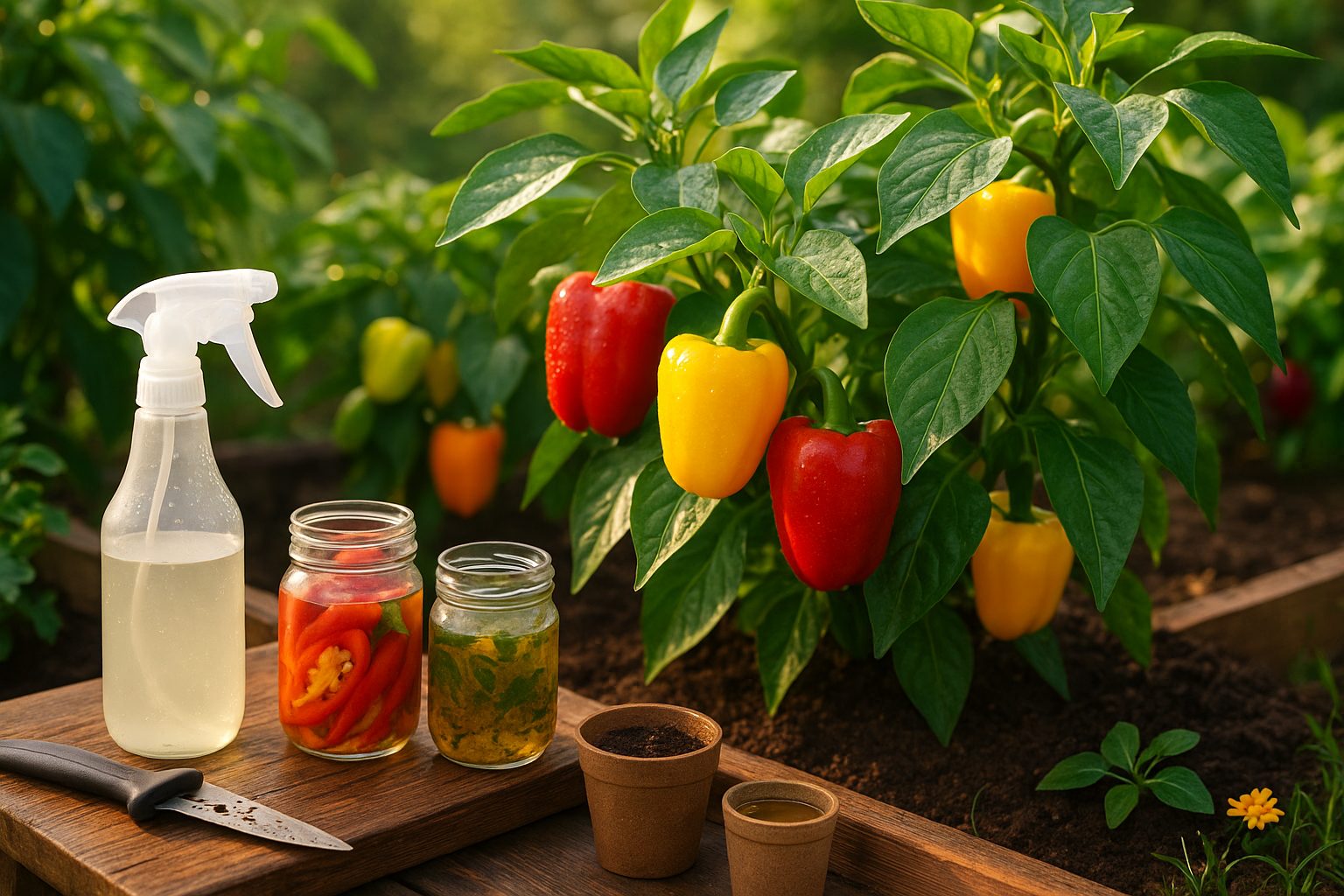
Homemade organic sprays are becoming popular among gardeners looking for eco-friendly ways to tackle pests while keeping their plants and produce safe. Two favorite DIY options are pepper spray and horticultural soap spray—both easy to make using simple kitchen staples.
Pepper Spray for Aphids, Spider Mites, and Beetles
To create an effective pepper spray, blend two tablespoons of hot chili powder or crushed red pepper flakes with one quart of water. Add a few drops of mild liquid dish soap, then let the mixture sit for 12 hours. Strain it well, and fill a spray bottle.
Always test a small patch of leaves first, as chili spray can burn sensitive plants. Spray in the early morning or late afternoon to avoid scorching.
Horticultural Soap Spray for Soft-Bodied Pests
For pests like aphids and mealybugs, horticultural soap spray is a tried-and-true remedy. Mix one tablespoon of mild liquid soap (avoid degreasing or antibacterial types) with one quart of water, shaking gently to combine.
Spray directly on pests, coating both sides of the leaves. Soap sprays work by suffocating pests but break down quickly, so reapply after rain.
Tips for Using Homemade Sprays
- Always use fresh mixtures and apply sparingly.
- Avoid spraying during high heat or when beneficial insects are present.
- Watch plants closely after the first application and adjust as needed—overuse can cause plant stress.
These homemade solutions are budget-friendly and chemical-free, empowering you to manage pests without harming pollinators or the environment.
How to Use Organic Sprays for Maximum Effectiveness
Getting the most out of organic sprays starts with timing—apply them in the early morning or late afternoon when temperatures are milder and beneficial insects like bees are less active. This minimizes stress on plants and helps sprays stick better, reducing evaporation.
Frequency matters too; follow product guidelines, but generally, spray every 7 to 10 days or after heavy rain washes residue away.
When spraying, aim for thorough but targeted coverage: coat the undersides of leaves where pests often hide, but avoid soaking the entire plant, which can promote fungal issues.
To protect helpful pollinators and predators, avoid spraying open flowers and only treat areas where pest activity is actually present. Using spot treatments rather than broad, blanket applications can make a big difference.
Regularly scout your plants—check leaves for pest eggs, larvae, or signs of disease, and look for insects like ladybugs or lacewings that naturally keep pest numbers in check. If beneficial bugs are present, consider delaying or reducing sprays, or switching to gentler options like insecticidal soaps.
Keep detailed notes of what you observe and how your plants respond, adjusting your application schedule or techniques as needed throughout the season. Staying observant and flexible will help you protect your garden’s ecosystem while still managing pests effectively.
Additional Strategies to Prevent Pest Problems
While sprays can help control pests, proactive cultural and physical methods are often the most sustainable way to protect your plants. Start with crop rotation—by changing where you plant specific crops each year, you disrupt the life cycles of pests that specialize in particular vegetables or flowers.
For example, if you planted tomatoes in a spot last year, switch to beans or lettuce this season to reduce tomato hornworm buildup.
Companion planting is another powerful, natural tool; pairing basil with tomatoes or marigolds with squash can naturally repel certain insects and boost plant resilience.
Hand removal may sound old-fashioned, but regularly inspecting leaves and simply picking off caterpillars, beetles, or egg clusters can prevent infestations from taking hold.
Get into the habit of walking your garden every few days, especially early in the morning when pests are more active. Early detection is key—look for chewed leaves, sticky residue, or curling stems, and address any issues right away to prevent them from spreading.
By focusing on these foundational prevention strategies, you strengthen your garden’s defenses and rely much less on chemical sprays, creating a healthier environment for both your plants and beneficial insects.
Conclusion & Final Tips
Organic pest control offers many benefits for both your garden and the environment. It reduces reliance on harsh chemicals while helping to nurture healthy plants, soil, and local wildlife. By choosing natural methods and homemade sprays—like a simple mix of water, mild soap, and cayenne—you can target common pests without harming pollinators or beneficial insects.
Remember, observation is key. Every garden is unique, so what works for one may need tweaking for another. Monitor your plants regularly, make small adjustments as you go, and keep notes on what you find effective.
Don’t be afraid to experiment, as adapting methods to your own garden is part of the fun. Share your experiences and results in the comments or with fellow gardeners so everyone can learn together. After all, the journey to a thriving, eco-friendly garden is always better when we support and inspire each other along the way.