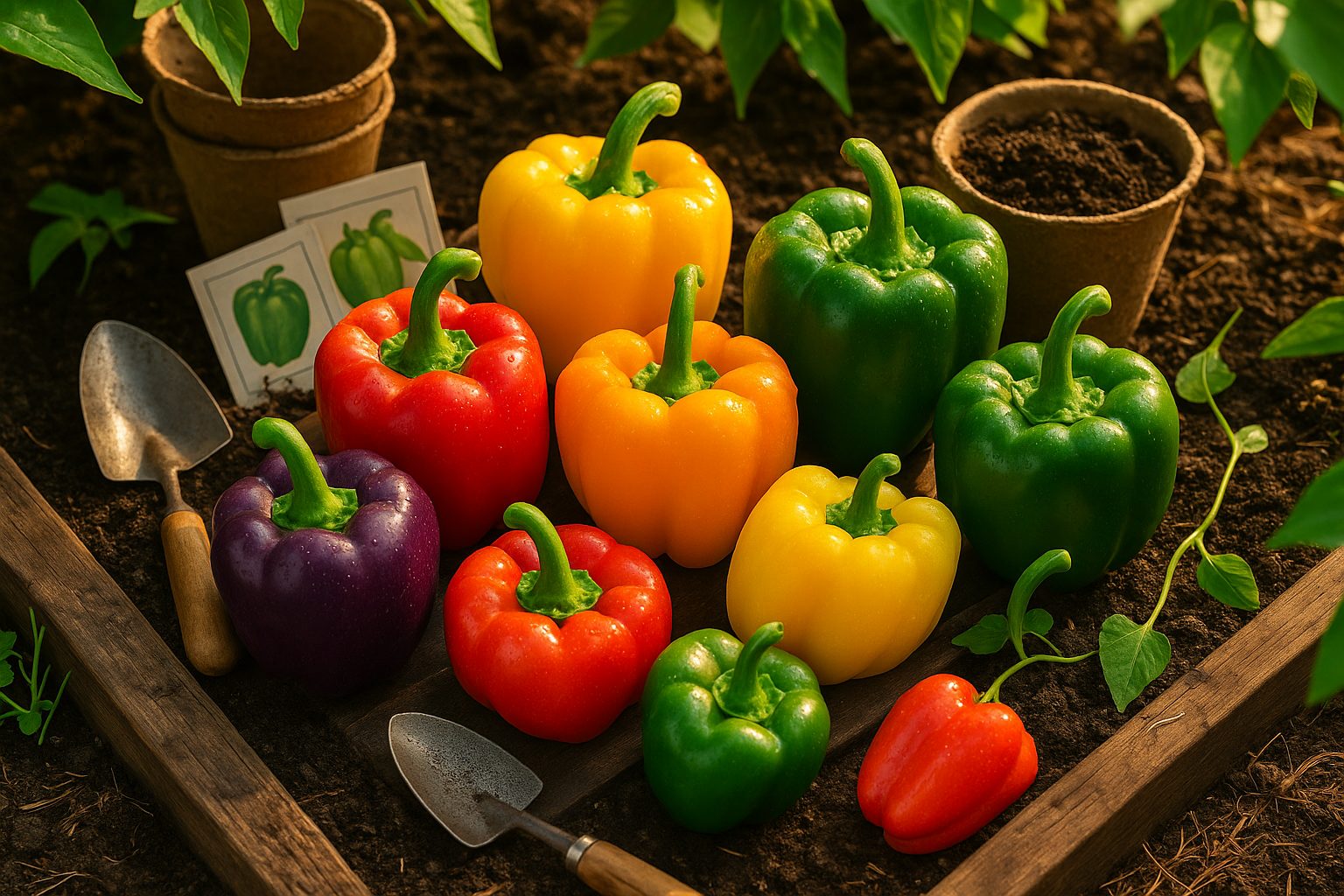
Choosing the Best Pepper Varieties for Your Garden
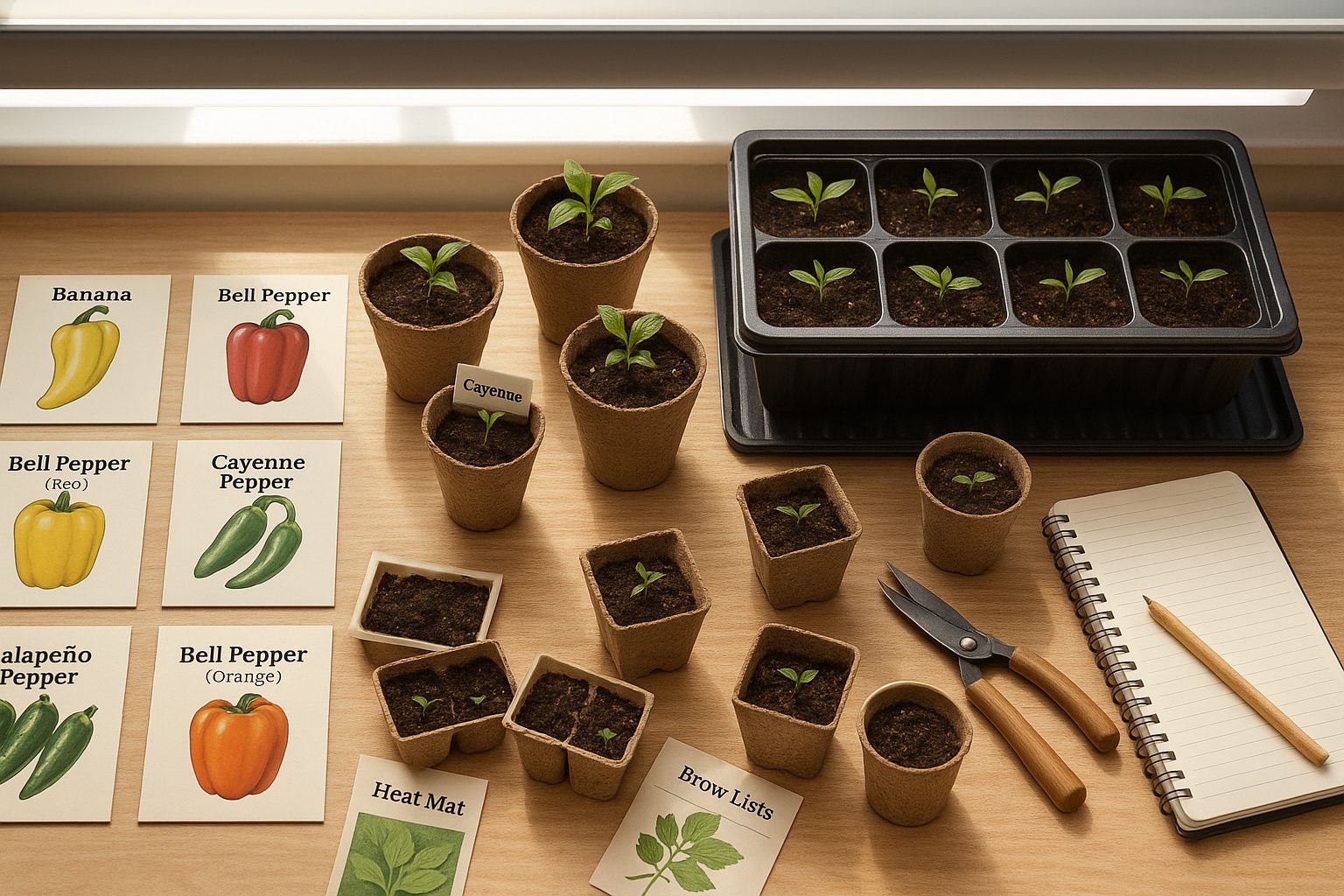
If you’re just starting out on your gardening journey and want a harvest that’s as rewarding as it is vibrant, you’re probably searching for the best bell peppers for beginners. With so many varieties available, it’s important to know the difference between sweet and hot peppers before you dig in. Bell peppers fall into the “sweet” category, meaning they have no heat and are perfect for salads, stir-fries, and snacking. For newcomers, sweet bell peppers such as ‘California Wonder’, ‘Sweet Banana’, and ‘King of the North’ are great picks—they thrive in a wide range of climates, deliver high yields, and are known for their forgiving nature.
When choosing the best pepper varieties for your garden, think about your local growing season. If you have a shorter summer, opt for varieties with fewer days to maturity—‘Ace’ and ‘Gypsy’ bell peppers, for example, can offer tasty results in as little as 60-70 days. Climate matters too: those in cooler regions should look for compact, early-maturing types, while gardeners in warmer areas can experiment with larger-fruited or colored varieties. Consider plant size if you’re working with limited space or raised beds; some peppers, like ‘Jingle Bells’ or ‘Mini Bell’, stay petite and yield plenty even in containers.
Color and yield are also worth factoring in. Do you crave a rainbow of reds, yellows, and purples, or are you happy with classic green? Varieties like ‘Big Bertha’ and ‘Orange Sun’ offer eye-catching colors and reliable harvests, while ‘Yolo Wonder’ is a time-tested favorite for consistent results, no matter your experience level. With a little planning and a focus on the best bell peppers for beginners, you’ll enjoy crisp, homegrown peppers that fit your taste—whether you’re a first-timer or a seasoned pro looking to streamline your garden efforts.
Understanding Pepper Growing Conditions
Peppers thrive when given just the right combination of warmth, sunlight, and soil. They prefer well-draining, nutrient-rich soil with a pH between 6.0 and 6.8; adding compost or aged manure before planting can set your peppers up for success.
Since peppers are warm-season crops, they require full sun—at least 6 to 8 hours of direct sunlight daily—to produce strong plants and bountiful fruit.
The ideal temperature range for growing peppers is between 70°F and 85°F (21°C to 29°C) during the day, and above 55°F (13°C) at night. If you plant too early in cool soil or expose seedlings to chilly nights, growth can stall or plants may even die, so always wait to transplant outdoors until after the last frost date.
In regions with long, hot summers, sow seeds indoors 8-10 weeks before your last frost and move sturdy seedlings outside once it’s reliably warm. For colder or short-summer zones, early indoor seed starting is essential—grow your seedlings under grow lights, then gradually harden them off before transplanting.
To stretch your growing season, use black plastic mulch to warm soil faster, and consider hoop houses, cloches, or row covers to trap heat on cool nights. Container gardening is another smart strategy: potted peppers can be moved to the warmest, sunniest spots around your home or even brought indoors for protection.
By tailoring your approach to your climate, even gardeners in challenging northern zones can enjoy sweet and spicy homegrown peppers.
Planting and Starting Peppers from Seed
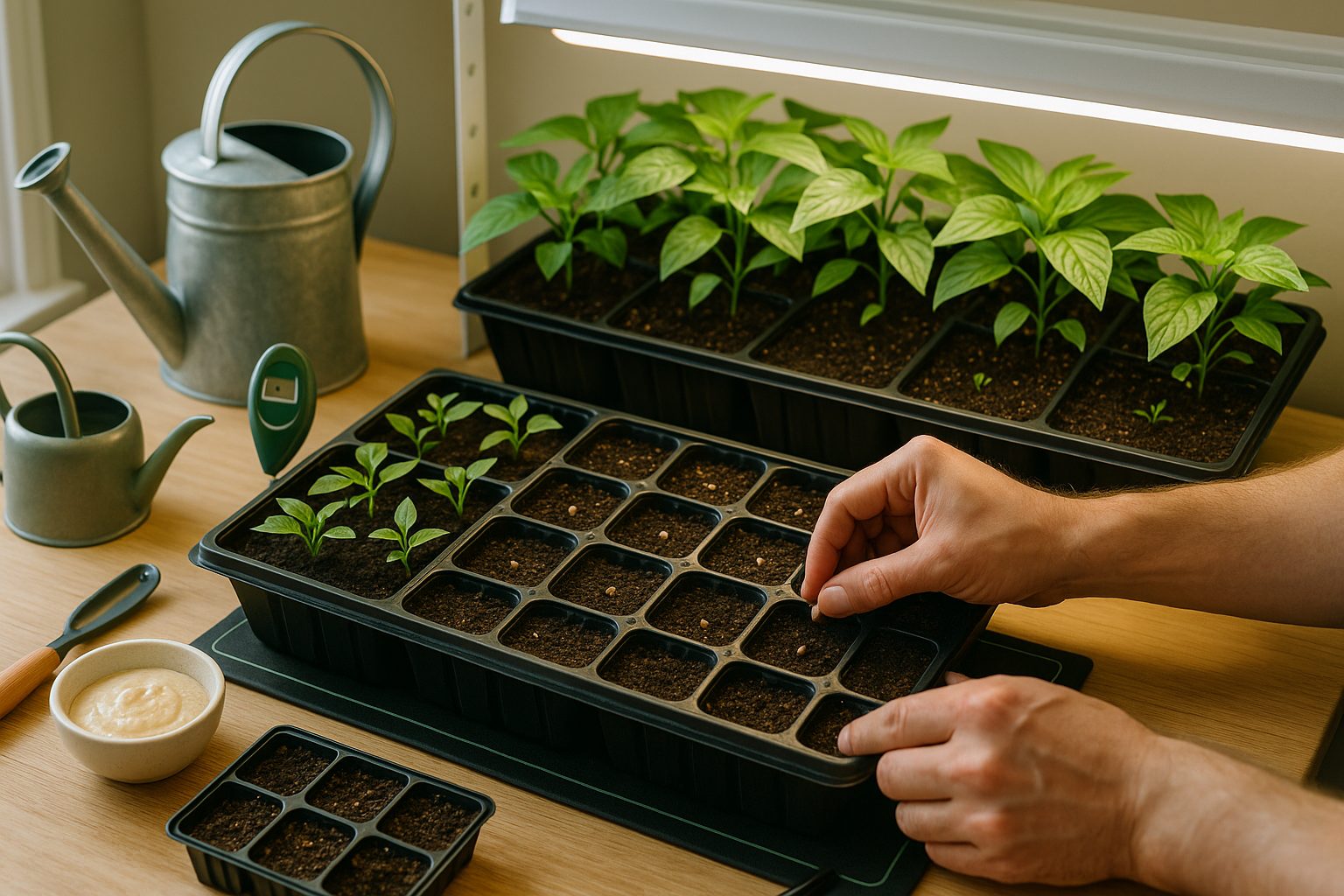
Starting peppers from seed indoors gives you a jump on the growing season and a wider choice of varieties. Begin about 8–10 weeks before your last expected frost; this timing allows your seedlings to mature enough for transplanting.
Use clean seed trays or small pots filled with seed-starting mix, which is lighter and drains better than garden soil. Plant pepper seeds about 1/4 inch deep—any deeper, and they may struggle to emerge.
Keep the soil moist but not soggy, and provide warmth: pepper seeds germinate best at 75–85°F, so use a heat mat or place trays in a warm spot. As seedlings appear, ensure they get plenty of light—ideally from grow lights positioned a few inches above the plants to prevent leggy growth.
Water when the soil surface starts to dry, avoiding overwatering to reduce the risk of damping-off, a fungal disease that kills young seedlings. Good airflow and sterile pots can help prevent this.
Hardening Off Seedlings
When your seedlings develop a few sets of true leaves and nighttime temperatures stay above 55°F, start hardening them off by placing them outdoors for a few hours each day, gradually increasing exposure over a week. This step helps avoid transplant shock caused by sudden changes in light and temperature.
Transplanting Outdoors
When planting outside, space peppers about 18–24 inches apart in a sunny, well-drained location. Always water seedlings well just after transplanting and consider mulching to conserve moisture.
A common challenge at this stage is transplant shock, which can stunt growth—help prevent it by watering thoroughly and avoiding fertilizing right after transplanting.
Dealing with Common Issues
If you notice wilting or fungal fuzz at soil level in your indoor trays, act quickly: remove affected seedlings and improve ventilation to keep the rest healthy.
With a little planning and care, you’ll soon have thriving pepper plants ready for a rewarding harvest.
Nurturing Your Pepper Plants: Care and Maintenance
Proper care and maintenance are key to growing healthy, productive pepper plants. Start by watering deeply and consistently—peppers prefer soil that’s moist but never soggy. Water at the base of the plants early in the day to prevent fungal issues and discourage pests.
Mulching is a smart move; a two- to three-inch layer of straw or shredded leaves helps retain soil moisture, suppress weeds, and keep roots cool in hot weather. For feeding, opt for a balanced organic fertilizer or compost tea every three to four weeks, but avoid over-fertilizing with nitrogen, which can lead to lush foliage but few fruits.
Stay vigilant for pests like aphids, which cluster on new growth; a quick spray with a hose or insecticidal soap can clear them out. Cutworms can be deterred by placing collars around seedlings’ stems. Diseases such as blossom end rot often stem from inconsistent watering or calcium deficiency, so keep soil moisture steady and consider adding a source of calcium like crushed eggshells to the soil.
If you notice dark, water-soaked spots on leaves—a sign of bacterial spot—remove affected foliage and avoid overhead watering. For optimal growth, prune away any lower leaves touching the soil and pinch out early blooms to focus the plant’s energy on root development.
As the plants grow taller and start to bear heavy fruit, provide support with stakes or small cages to prevent stems from snapping in the wind. By building these routine practices into your care regimen, your pepper plants will reward you with a robust harvest and fewer garden headaches.
Harvesting Peppers for Peak Flavor
Knowing when to harvest peppers is key to unlocking their best flavor and spice. Start by watching the color—peppers often begin green and change shades as they mature, turning red, yellow, orange, or even purple depending on the variety. While you can pick many types at the green stage, waiting for their final color usually brings out sweeter or hotter notes.
Give the peppers a gentle squeeze; they should feel firm and glossy, not soft or wrinkled. For the most flavor and heat, especially with hot varieties like jalapeños or habaneros, harvest when the pepper’s full color is reached—this is when capsaicin, the compound responsible for heat, peaks.
To avoid harming your plant and keep it producing, use sharp scissors or pruners to snip peppers cleanly from the stem, leaving a small stalk attached. Pulling by hand can break branches or encourage disease.
After harvesting, wash and dry your peppers thoroughly. For short-term storage, refrigerate them in a paper or mesh bag to let air circulate—this can keep them fresh for up to two weeks.
If you want to enjoy your harvest year-round, try preserving methods like:
- Freezing whole or sliced peppers
- Drying them for use in seasoning blends
- Pickling to add zing to your meals
Roasting and blending into salsas or sauces is another delicious way to make the most of your pepper bounty, ensuring none goes to waste and every bite bursts with garden-fresh flavor.
Troubleshooting Common Pepper Growing Problems
Pepper plants are generally hardy, but even experienced gardeners encounter a few common issues along the way. Poor fruit set, for example, often results from fluctuating temperatures or inconsistent watering. Make sure you water deeply during dry spells and try to plant peppers after the last frost, when the soil has warmed up.
If your plants’ leaves are turning yellow, this may indicate overwatering, soil nutrient deficiencies, or compacted roots. Address this by checking your watering routine, ensuring good drainage, and supplementing with a balanced fertilizer as needed.
Sunscald, visible as pale, soft patches on developing peppers, happens when fruits are overexposed after foliage loss or aggressive pruning. Try to leave enough leaves on your plants to shade the fruit and avoid heavy trimming during hot spells.
Stunted growth can be caused by cold temperatures, nutrient-poor soil, or root crowding. Waiting until nighttime lows are consistently above 55°F before transplanting, using quality compost, and spacing plants 18–24 inches apart are quick fixes that make a big difference.
To keep problems at bay, inspect your plants every few days for pests, signs of disease, or wilting. Regularly remove damaged leaves and rotate your pepper crop each year to reduce soil-borne issues. Simple steps like mulching to retain moisture and gently staking plants as they grow can boost plant health and resilience.
By being proactive—catching and correcting issues early—you’ll set yourself up for a season full of vibrant, healthy peppers with minimal fuss.
Conclusion and Bonus Tips for a Bumper Pepper Harvest
Growing vibrant, high-yield pepper plants starts with healthy seedlings, plenty of sunlight, and soil that is consistently moist but not soggy. Use a balanced fertilizer, harvest regularly to encourage more fruit, and keep an eye out for pests and diseases.
For an even bigger harvest, try gently shaking flower clusters to improve pollination or apply mulch to retain moisture and suppress weeds. Don’t hesitate to experiment with lesser-known varieties like shishito or chocolate bell peppers—these can add excitement and unique flavors to your garden bounty.
Next season, challenge yourself to grow at least one new type for a spicier, more colorful harvest!