Introduction
Raw beets are perfectly safe to eat straight from your garden and are becoming increasingly popular among health-conscious eaters and home gardeners alike. These vibrant root vegetables add color, crunch, and an earthy sweetness to salads, juices, and snacks. But if you’ve just dug up a bunch of beets from your backyard, you might be wondering about their safety and the best ways to enjoy them raw.
In this post, we’ll take a closer look at the nutrition and health benefits of beets, clear up any risks you should be aware of, and share practical tips for preparing raw beets to maximize both safety and flavor. You’ll learn how to select, clean, and slice them for raw recipes, discover creative ways to include them in your meals—think slaws, smoothies, and even raw beet carpaccio—and get expert advice on minimizing any potential downsides.
Whether you’re a beet enthusiast or just curious about using beets fresh from the ground, you’ll finish with the knowledge and inspiration you need to safely enjoy raw beets and add more color and nutrients to your diet.
The Nutritional Profile of Raw Beets
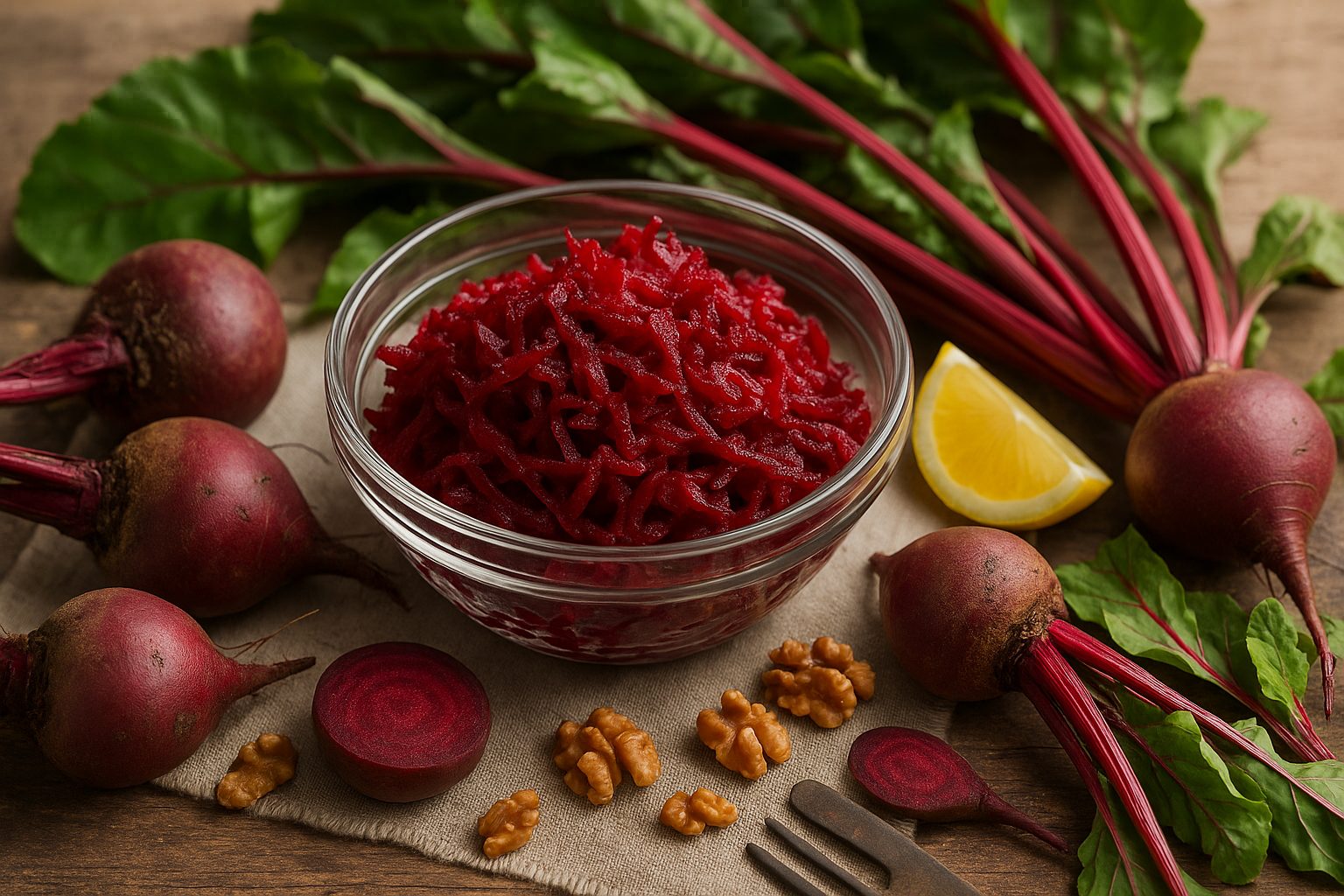
Raw beets are a nutritional powerhouse, offering a blend of essential nutrients in every crunchy bite. They’re an excellent source of dietary fiber, which aids digestion and helps you feel full longer—a helpful bonus if you’re aiming to manage your weight.
One of their standout nutrients is folate, a B-vitamin crucial for DNA synthesis and cell health, making beets especially valuable for pregnant women. Raw beets also deliver a healthy dose of vitamin C, supporting immune function and skin vitality, while potassium contributes to balanced blood pressure and proper muscle function.
But what really sets raw beets apart is their abundance of antioxidants, especially betalains—the plant pigments responsible for their vibrant color. Antioxidants help fight free radicals, reducing inflammation and potentially lowering the risk of chronic diseases.
Raw beets are naturally low in calories, so adding them to your diet is a smart move if you’re looking to eat healthily without extra calories. It’s important to note that while both raw and cooked beets are good for you, cooking can reduce certain nutrients—especially vitamin C and the heat-sensitive betalains, as they can break down in high temperatures.
By enjoying beets raw—think grated into salads or blended into smoothies—you preserve more of these delicate nutrients. For the best of both worlds, try mixing raw and cooked beets in your meals to balance flavor, texture, and nutrition.
Top Health Benefits of Eating Raw Beets
Eating raw beets offers a surprising array of science-backed health benefits that go far beyond their vibrant color and earthy taste. One standout advantage is their ability to help regulate blood pressure, thanks to natural dietary nitrates found in beets. When eaten raw, these nitrates are converted in the body into nitric oxide, which relaxes blood vessels and can lower blood pressure levels—a simple, natural strategy that doctors often recommend alongside other lifestyle changes.
For athletes and anyone interested in better performance, raw beets are gaining traction as a secret weapon. Studies show that the nitrates in beets may improve athletic endurance by enhancing oxygen efficiency, allowing both weekend joggers and competitive runners to exercise longer and recover faster.
Beyond the nitrates, raw beets are packed with betalains, colorful plant compounds that function as powerful antioxidants and anti-inflammatories. These compounds help your body combat cellular stress and inflammation. This property is particularly beneficial for busy people or those with chronic inflammation issues, and emerging research even suggests betalains could help fight certain cancers, though more studies are needed.
Adding raw beets to salads, smoothies, or snacks also delivers a digestive boost due to their high fiber content, supporting regularity and gut health in a way that’s easy to incorporate into daily meals.
Finally, raw beets may benefit the brain, as some early research links beet consumption to improved blood flow to the brain and better cognitive performance in older adults. So, whether you’re an athlete seeking a performance edge or just aiming for a healthier lifestyle, raw beets offer an easy, affordable addition with benefits that touch your heart, muscles, gut, and mind.
Are There Any Risks or Side Effects to Eating Raw Beets?
While raw beets are packed with nutrients, there are a few important risks and side effects to consider before making them a regular part of your diet, especially for certain groups.
- Kidney Stones: People prone to kidney stones—particularly those with a history of calcium oxalate stones—should be cautious, as beets are high in oxalates, which can increase the risk of stone formation.
- Allergies: Those with a beet allergy need to avoid them entirely due to possible allergic reactions ranging from rash to more serious symptoms.
- Digestive Discomfort: Raw beets can be tough for sensitive stomachs; some people may experience gas, bloating, or cramps, especially if they’re not used to high-fiber foods.
- Beeturia: Another harmless but surprising side effect is beeturia—that pink or reddish tint in your urine or stools after eating beets, which can be alarming but isn’t dangerous.
To enjoy the benefits without overdoing it, stick to moderate servings—generally about half a cup to one cup of raw, grated beet per meal is a safe range for most adults. Start with small amounts to see how your body responds, and if you notice any discomfort or unusual symptoms, it’s wise to scale back or consult your doctor. This careful approach helps you get the nutrition beets offer while minimizing any unwanted effects.
How to Eat Raw Beets: Preparation Tips & Tasty Ideas
Raw beets are packed with nutrients and offer a naturally sweet, earthy crunch that can brighten up many dishes—if you know how to prep them. Start by trimming off the beet greens (save them for sautéing!) and rinsing the beets thoroughly under cold water.
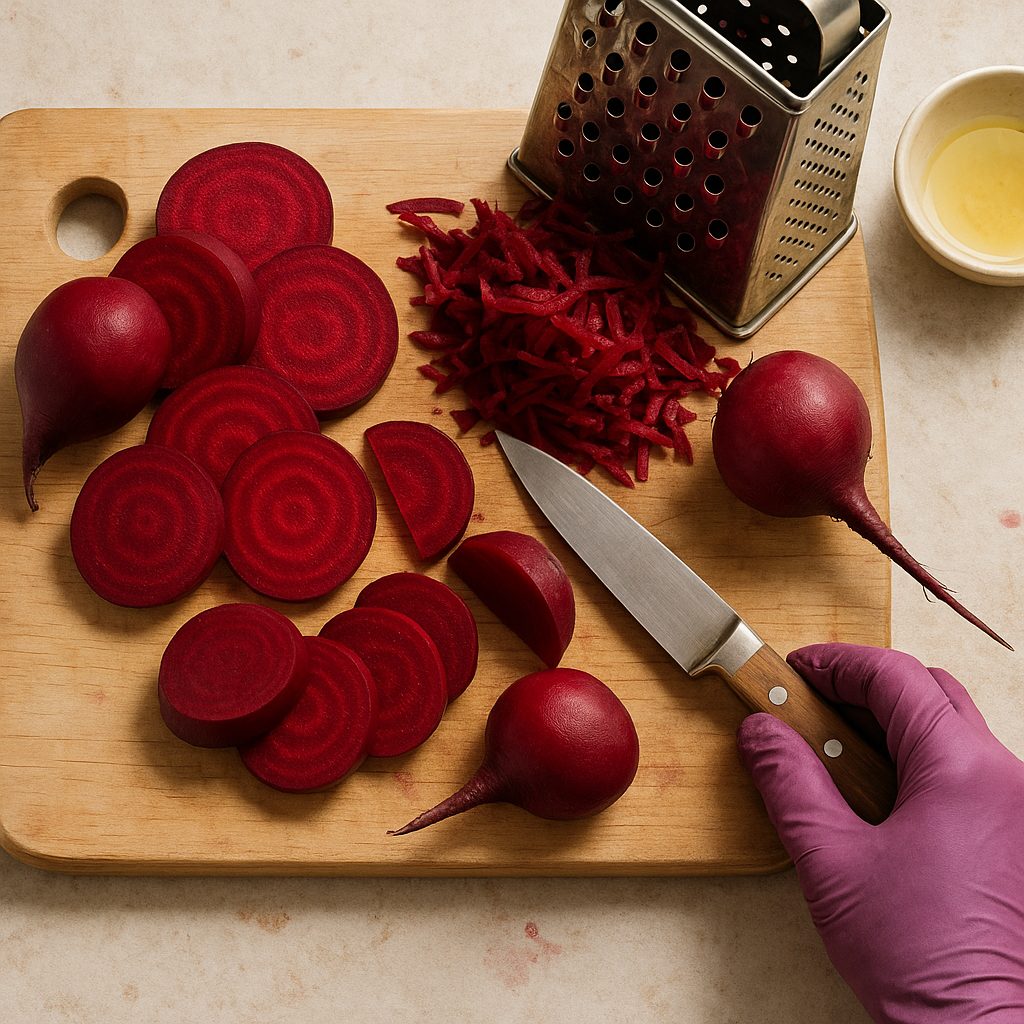
You can peel beets to reduce bitterness and remove any dirt left on the skin, but if yours are young and tender, just scrub well and leave the peel on—it adds extra fiber and vibrant color. To avoid staining your hands or countertop, use gloves and a plastic cutting board. After handling beets, try rubbing your hands with lemon juice to help lift any leftover pigment.
Cut off the root and top, then slice, dice, spiralize, or shred using a box grater or food processor, depending on your recipe.
Raw Beet Preparation Ideas
- Salads: Shredded beets add a jewel-like color and crunch, pairing beautifully with bright citrus segments, crisp apples, crumbled goat cheese, and toasted walnuts or pecans.
- Veggie “Noodles”: Spiralized beets make vibrant raw pasta salads—toss with a zesty vinaigrette, orange slices, and fresh chives for a refreshing lunch.
- Smoothies: Add raw beet chunks to smoothies with berries and orange juice for a delicious nutrient boost.
- Juices: Blend beets with carrots and ginger for a flavorful homemade juice.
- Summer Slaws: Combine shredded beets with cabbage, carrots, tangy yogurt dressing, and sliced almonds for a crunchy, colorful slaw.
Mixing beets with complementary flavors—like sweet fruit, tart vinegar, creamy cheese, and crunchy nuts—not only enhances their taste but also makes them more inviting to raw beet skeptics. With just a little prep and the right pairings, raw beets can be the star of your next healthy meal.
Delicious Raw Beet Recipes to Try
Raw beets are a crunchy, colorful way to boost your meals, and you don’t need fancy skills to try these fresh recipes.
Classic Raw Beet Salad
Peel and grate two medium beets. Toss with a handful of chopped parsley, the juice of half a lemon, olive oil, and a pinch of salt. For extra flavor, add crumbled feta or walnuts.
Refreshing Raw Beet Smoothie
Blend one small peeled beet with an apple, half a banana, a squeeze of orange juice, and a cup of water or coconut water until smooth. The natural sweetness of the fruit balances the earthy beet taste.
Simple Beet and Apple Slaw
Combine grated beet and green apple with a drizzle of honey, a dash of apple cider vinegar, and a sprinkle of pumpkin seeds. Let it chill for a few minutes so the flavors can meld.
Quick Beet Poke Bowl
Dice raw beets into cubes and toss with cubed avocado, shredded carrot, sesame seeds, and a splash of soy sauce or tamari. Serve over rice or greens for a satisfying, vibrant meal.
Tips for Experimenting
- Swap in what you have on hand—carrots, pears, nuts, fresh herbs, or seeds all work great.
- These raw beet dishes are versatile, so experiment with different combinations to find your favorite balance of sweet, tangy, and savory.
The Bottom Line: Should You Add Raw Beets to Your Diet?
Raw beets can be a smart addition to your diet thanks to their standout health benefits—they’re loaded with fiber for digestion, nitrates that may support healthy blood pressure, and pigments called betalains known for their antioxidant properties. However, eating raw beets isn’t for everyone; some people might notice red or pink urine (beeturia), and high oxalate content could be a concern for those prone to kidney stones.
If you’re curious about adding raw beets, start small: grate them into salads, blend into smoothies for a sweet, earthy boost, or slice thinly for a crunchy sandwich topping. The flavor pairs well with citrus, fresh herbs, and soft cheeses, making them easy to try in various dishes without overwhelming your palate.
If you’re new to beets or have existing health concerns—especially kidney or digestive issues—check with your healthcare provider first. Introducing raw beets gradually can also help your digestive system adjust and let you monitor for any unusual reactions. With a little creativity and a cautious approach, you may find raw beets become a delicious, nutritious staple in your meals.