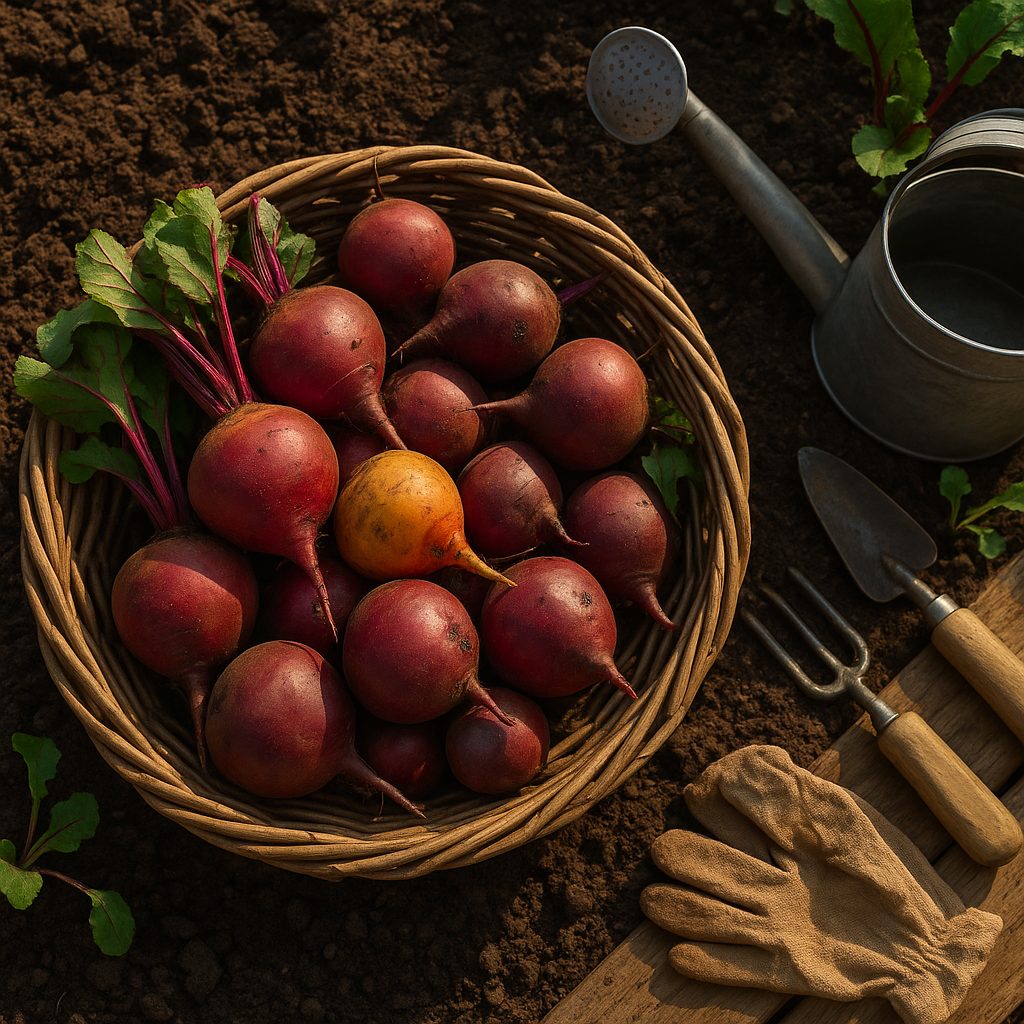
Understanding Beets
Deformed beets can be frustrating for gardeners who eagerly await a harvest of perfectly round, vibrant roots. Beets are a versatile crop, loved for both their sweet, earthy roots and their nutrient-rich greens, making them a favorite among home gardeners. But when beets emerge from the soil misshapen or forked, it’s important to understand why this happens.
A healthy, normally shaped beet root is typically uniform—smooth, unblemished, and globe-like, with a bright, consistent color and a firm texture. To achieve this, beets require a steady, uncomplicated growth cycle: after sowing seeds directly into loose, well-drained soil, seedlings quickly develop taproots that swell underground as the plant matures. Consistent moisture, good soil structure, and proper thinning are key during this process.
If conditions are right, the roots grow plump and uniform while the leafy tops flourish aboveground, offering a double harvest of greens and roots. The success of the root is crucial, not only for the pleasure of pulling up ideal beets at harvest time, but also because vigorous roots support lush greens—packed with vitamins and minerals—above the soil.
Neglecting root health can mean not only odd-shaped vegetables but also smaller, less nutritious beet tops. Understanding the growth basics and identifying what a healthy beet looks like is the first step toward avoiding deformities and enjoying both tasty roots and greens from your garden.
Common Reasons for Small or Deformed Beets
Small or deformed beets can be frustrating to find in your garden, but understanding their causes can help you grow better crops next season. One common culprit is poor soil preparation—beets thrive in loose, well-draining soil free of rocks and heavy clay. When roots hit obstacles, they twist and contort, leading to warped or undersized bulbs.
Overcrowding is another issue; when seeds are sown too closely, beets compete for nutrients and space, resulting in stunted or oddly shaped roots. Consistent watering is important as well. Irregular moisture—whether drought or waterlogged conditions—can cause beets to split, crack, or fail to fill out properly.
Watch out for nutrient deficiencies, especially a lack of phosphorus or potassium, which leads to slow growth and small, pale beets with weak flavor. Temperature also plays a critical role: beets grow best in cool weather, ideally between 50-70°F (10-21°C). Hot spells can stunt or prematurely mature beets, while early cold exposure may inhibit development altogether.
Beets are sensitive to day length, too. If planted out of season, they may bolt (go to seed) before forming full bulbs. Typical symptoms of trouble include beets that are small, lopsided, split, or riddled with fine roots. You might also notice beet greens yellowing or wilting, signaling underlying soil or moisture problems.
To avoid these issues:
- Thin your seedlings so each beet has a few inches of space to expand.
- Use mulch to retain soil moisture.
- Feed your plants with balanced, organic fertilizer.
Taking time to prepare your soil, monitor watering, and plant at the right time can make all the difference in growing plump, healthy beets.
Soil, Spacing, and Watering Tips for Healthy Roots
Beets thrive best in loose, well-draining soil with a light, crumbly texture that allows roots to expand easily—think sandy loam rather than heavy clay. For the healthiest roots, aim for a soil pH between 6.0 and 7.0; this neutral to slightly acidic range helps beets absorb nutrients efficiently. If your soil tends to be compacted or rocky, consider working in some compost or aged manure before planting to boost organic matter and create a fluffier bed.
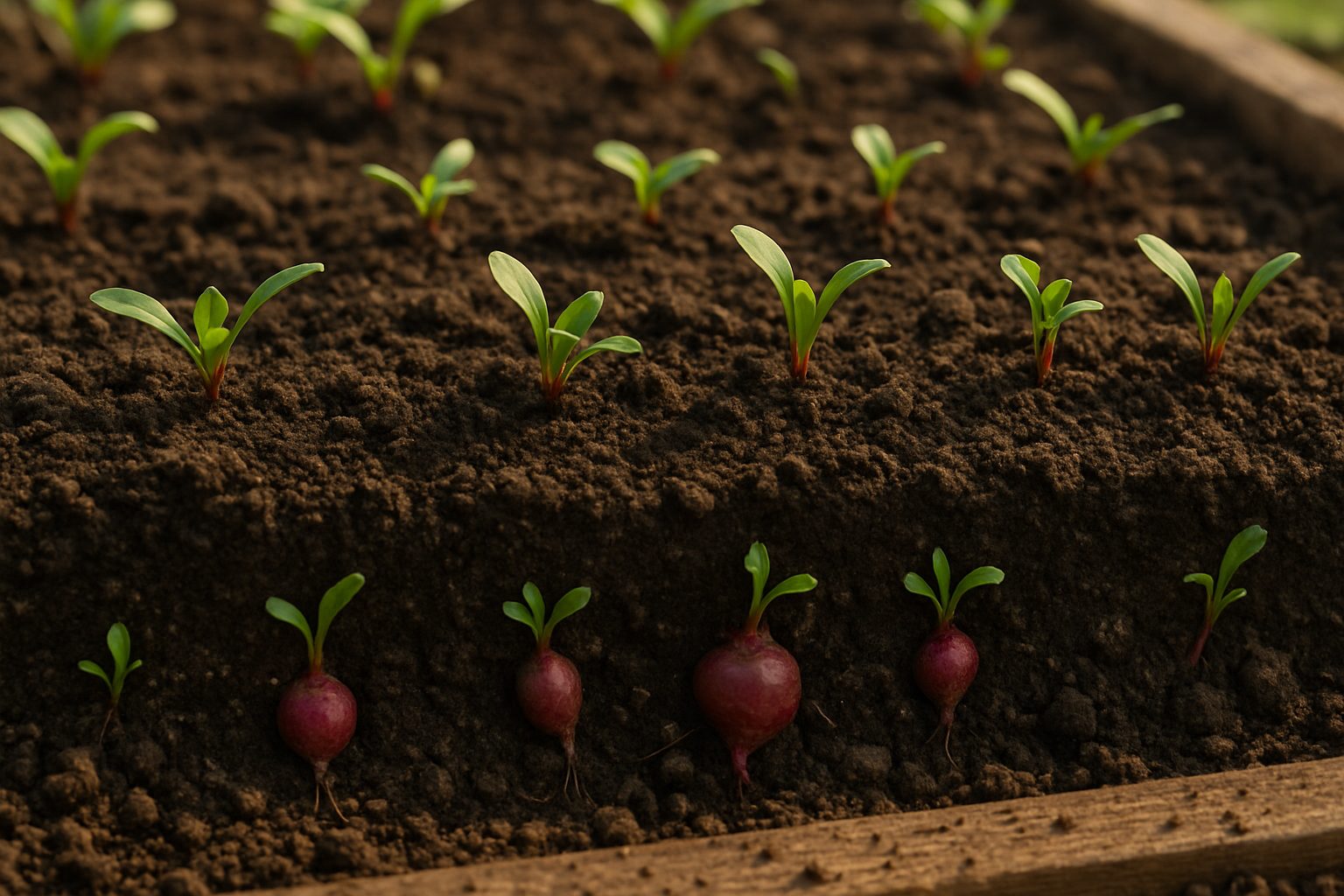
When sowing beet seeds, plant them about half an inch deep, maintaining a space of 2–3 inches between each seed. This prevents overcrowding, ensuring each beet has room to grow plump and round instead of becoming stunted or misshapen. Rows should be spaced roughly 12 inches apart, which makes it easier to weed, water, and monitor the plants as they mature.
Good spacing is key because beets grown too closely together often develop deformed roots or produce more leafy tops than edible bulbs.
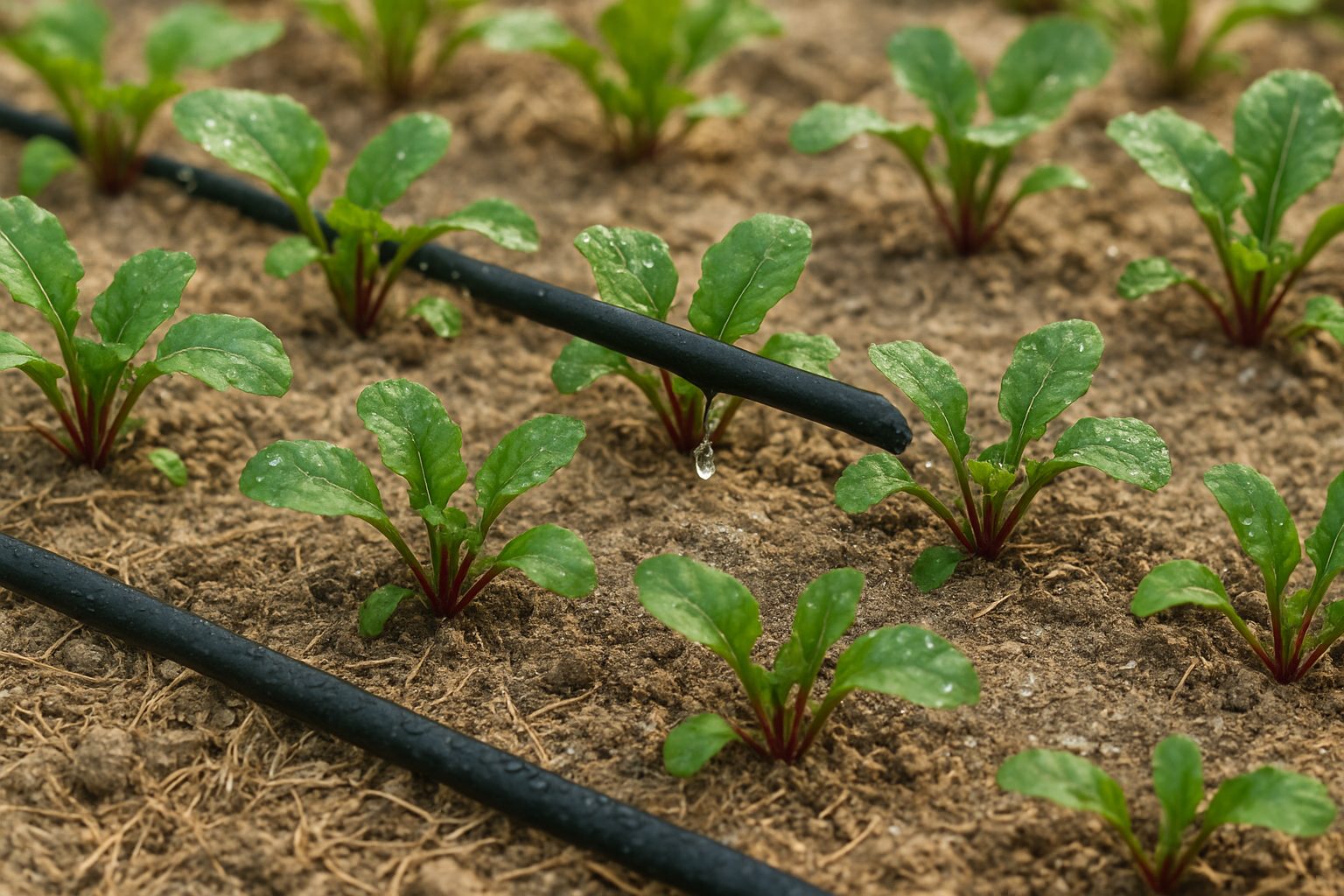
Watering is just as crucial—strive for steady, even moisture. A general rule of thumb is to provide about an inch of water per week, either from rainfall or supplemental watering. Avoid overhead watering that can encourage fungal diseases; use a drip system or water at the base to keep leaves dry. Be mindful not to let the soil dry out entirely, especially as roots are forming—erratic moisture can cause beets to split. On the other hand, soggy soil leads to rot, so only water when the top inch of soil feels dry to the touch.
By focusing on these soil, spacing, and watering essentials, you’ll give your beets an ideal environment to develop delicious, healthy roots.
Tackling Pests, Diseases, and Environmental Stress
Beet crops are vulnerable to a handful of pests and diseases that can compromise both root size and quality. Common pests include armyworms, leaf miners, and aphids—armyworms chew holes in the leaves, miners create winding trails, and aphids cluster, causing curling or yellowing of foliage.
Diseases like Cercospora leaf spot and powdery mildew are also typical, appearing as dark spots with halos or white powdery patches, respectively, on leaves. It’s important to differentiate: pest damage usually shows as missing leaf tissue or visible insects, while disease symptoms tend to involve discoloration, spots, or lesions without physical chewing.
Preventive measures start with rotating beet crops each year to avoid building up pathogens in the soil, and spacing plants to allow good airflow. Mulching helps regulate soil moisture and temperature, making conditions less favorable for many diseases.
Inspect plants regularly for early signs of trouble—catching an issue early limits spread. For organic control, introduce beneficial insects like ladybugs to tackle aphids or use neem oil as a safe pesticide against both pests and some fungal diseases. Hand-picking larger pests or affected leaves can prevent an outbreak; just remember to destroy any removed material away from your garden.
With a few simple habits and vigilance, you can keep beet roots healthy and thriving while minimizing chemicals and disruptions to the environment.
Harvesting and Storing Beets for Best Results
To get the best harvest from your beets, wait to pull them until the roots reach about 1.5 to 3 inches in diameter—any larger and they can become woody, while smaller beets are tender but yield less. Loosen the soil around each beet gently with a garden fork to avoid slicing into the roots, which can cause bruising or splitting. Then, grasp the base of the greens and ease the beet from the ground.
Timing is key—don’t let beets linger in wet soil for too long since this can lead to cracking or disease. Once harvested, cut the greens about one inch above the root to prevent the beets from “bleeding” moisture and spoiling faster.
Store the roots unwashed in a breathable bag in the fridge or a cool, dark root cellar, where they’ll stay crisp for weeks. Beet greens are best used fresh but can be wrapped in a damp towel and kept in the crisper for several days.
Avoid rough handling as damaged beets won’t store well and may rot quickly. By following these steps, you can keep both roots and greens at their freshest and enjoy your homegrown bounty for longer.
Maximizing Beet Productivity and Sweetness
To get the best yield and sweetest flavor from your beets, start with smart crop rotation—avoid planting beets where you’ve recently grown other root crops to reduce disease risk and soil pest buildup. Opt for well-drained, loose soil rich in organic matter, and apply a balanced fertilizer (such as 10-10-10) before planting to give roots the nutrients they need.
For sweeter beets, aim for consistent moisture throughout the season and try planting in cooler weather; temperatures between 50°F and 70°F help beets develop natural sugars, leading to a better taste. An occasional side-dressing of compost mid-season can also boost sweetness by supplying additional micronutrients.
When thinning seedlings, leave 3–4 inches between plants so roots have room to expand, which encourages larger bulbs.
If you want reliably large and tasty beets, look for varieties like ‘Detroit Dark Red’ (classic and dependable), ‘Chioggia’ (striking with a mild, sweet flavor), ‘Cylindra’ (great for slicing), and ‘Red Ace’ (quick-growing with excellent sweetness). These types are known for producing robust roots and vibrant flavor, making them favorites among home gardeners for both yield and taste.
Troubleshooting at a Glance: Quick FAQs
Curious if deformed beets are safe to eat? In most cases, they absolutely are—unusual shapes often result from crowded conditions or rocky soil, not disease. Just trim off any tough or woody parts and enjoy as usual.
Gardeners frequently ask about the benefits of mid-season thinning. This simple step gives your beets room to develop larger, more uniform roots and can prevent stunted growth, so don’t be afraid to pull a few out when they crowd each other.
If you’re noticing persistent issues like small or misshapen beets, double-check your watering routine (beets like steady, moderate moisture), test your soil for nutrient balance, and make sure you’re not planting too close together next time.
Remember, every garden is unique, and what works for one plot might need tweaking in another. Keep notes on what you observe and try small changes each season—sometimes even a slight shift in planting depth or spacing makes a big difference. By staying curious and attentive, you’ll find your beet harvest improves year after year.