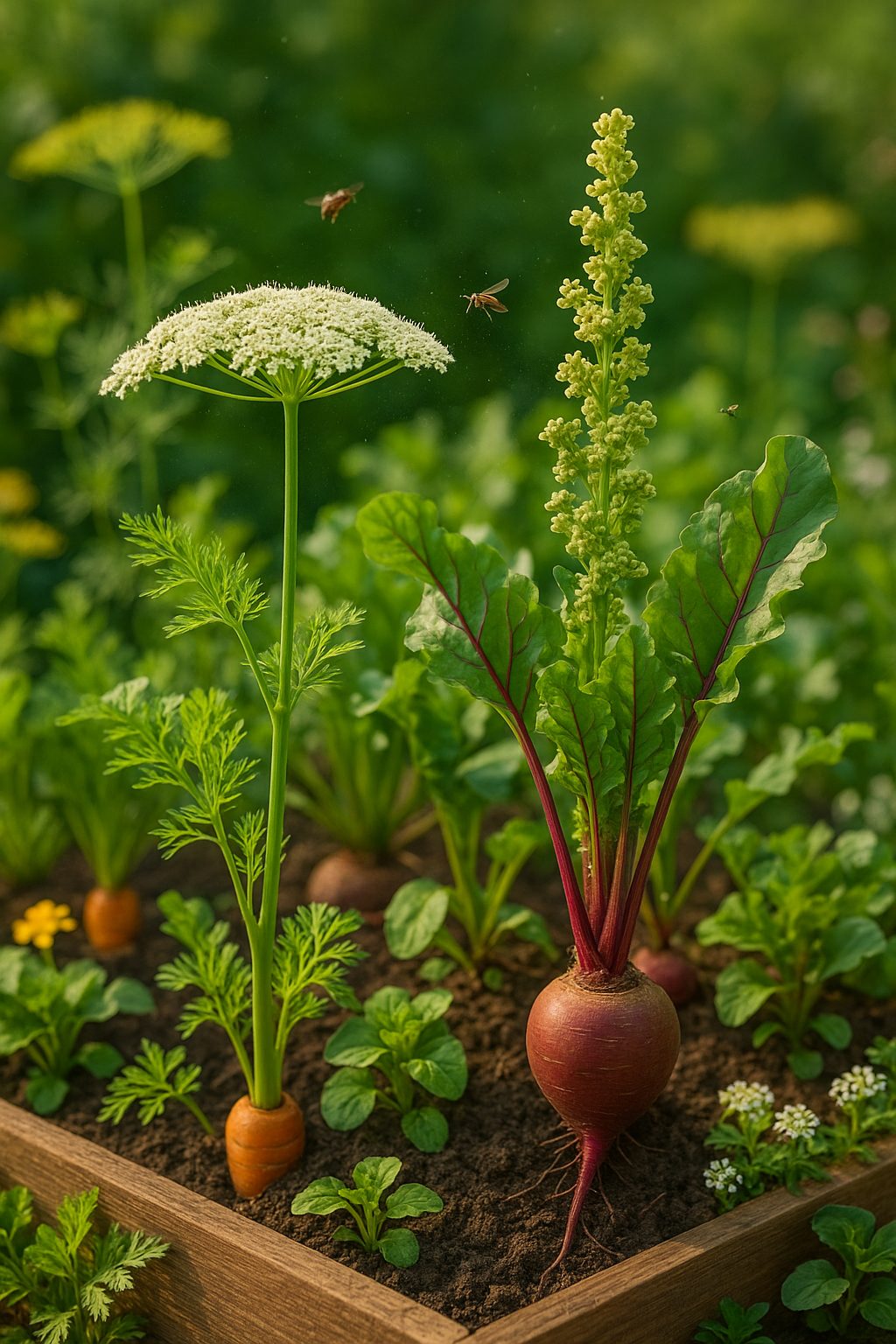
Introduction to Pollination in Carrots and Beets
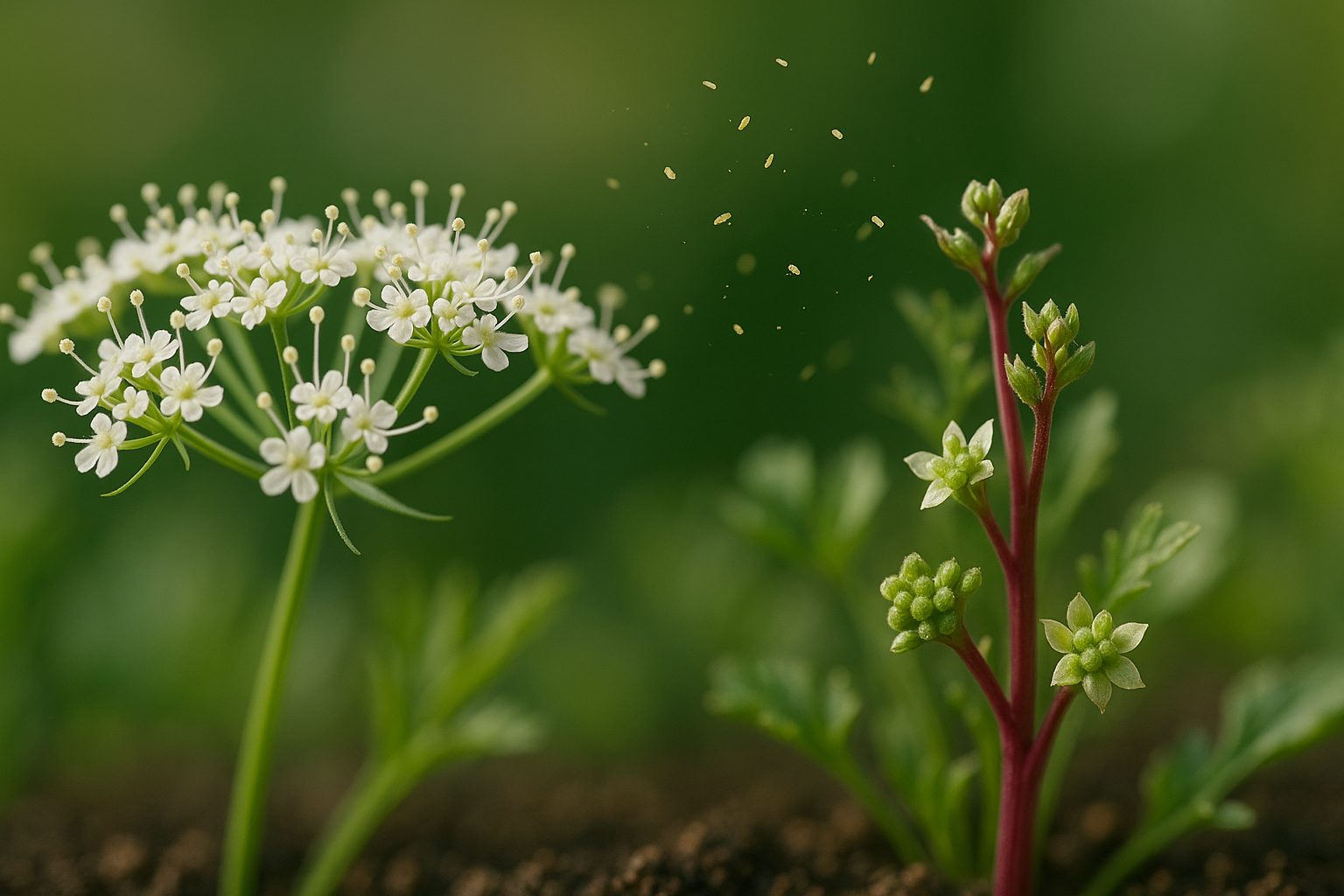
Beet pollination plays a crucial role in the successful seed formation of root crops like carrots and beets. While we often focus on growing these vegetables for their delicious roots, it’s easy to overlook how vital pollination is to their life cycle—especially if you’re hoping to save seeds or help them multiply naturally in your garden.
Both carrots and beets reproduce through flowering, with flowers forming only once the plant reaches maturity, typically in their second year as biennials. This means that producing seeds requires both patience and the right conditions, since the plants need to survive winter and bloom in their second season.
Gardeners frequently encounter challenges with beet and carrot pollination. For one, since these plants are biennial, you must protect them from harsh weather or hungry critters for an entire year before they even try to flower.
Even then, pollinator presence isn’t guaranteed—carrots are typically pollinated by insects like bees and flies, while beets rely largely on wind to transfer their pollen. If pollinator numbers are low or the weather is uncooperative, you might end up with few viable seeds.
Understanding these reproductive quirks helps gardeners set realistic expectations and take steps—like providing shelter or hand-pollinating when needed—to support a successful seed crop.
Understanding Flower Structures
Carrots and beets may seem similar in the garden, but their flowers reveal key differences that impact pollination. Carrot flowers form distinct, umbrella-like clusters known as umbels, which are made up of many tiny white or pale pink blooms grouped on radiating stalks. This open structure makes it easy for a variety of pollinators—like bees, flies, and beetles—to land and move between flowers, spreading pollen efficiently.
In contrast, beets produce much smaller, more compact flower clusters called glomerules, where the tightly packed blossoms grow close to the stem. This denser arrangement is less attractive to larger pollinators and tends to rely more on wind or self-pollination.
Both types of flowers are composed of basic floral parts like stamens and pistils, but their distinctive formations create different challenges and opportunities for pollen transfer.
Knowing these structural traits is valuable for gardeners and seed savers:
- If you want carrots to produce true seed, for instance, you may need to encourage insect activity by planting pollinator-friendly flowers nearby.
- For beets, focusing on plant spacing to increase air circulation can improve pollen movement.
Understanding these floral details helps ensure a healthy seed crop and better yields, even in a home garden setting.
The Pollination Process Explained
For carrots and beets, successful pollination depends on a precise sequence and the unique demands of their biennial lifecycle. Both crops require two growing seasons: in the first year, they focus on root growth, storing energy to prepare for flowering. Only after experiencing a cold period—called vernalization—do the plants reach maturity and send up flowering stalks in the second year.
Once flowers appear, pollen is produced in the anthers (the male parts) of each floret. Carrots are mainly pollinated by insects like bees and flies, which transfer pollen from the anthers to the stigmas (the female parts) of other flowers as they forage for nectar. Beets, on the other hand, are mostly wind-pollinated; their lightweight pollen is carried through the air to reach nearby plants.
After pollen lands on a receptive stigma, it germinates and sends a tube down to fertilize the ovule, sparking seed development. Timing is crucial: flowers must be at peak bloom to ensure viable pollen and receptive stigmas. Having multiple flowering plants also increases genetic diversity and pollination rates.
Because both carrots and beets can cross-pollinate with wild relatives—especially when grown close together—isolation or timed planting helps maintain seed purity. Once fertilization occurs, seeds develop over the summer, maturing as the stalks dry.
For home gardeners or seed savers, it’s important to wait until seed heads are fully dry before harvesting to ensure high germination rates for the next cycle.
Natural Pollination: Helpers in the Garden
When growing carrots and beets, natural pollinators like bees—especially honeybees and bumblebees—play a crucial role in ensuring successful seed formation. Flies, particularly hoverflies, are also significant helpers, often stepping in when bees are scarce.
To boost pollination in your garden, focus on creating an environment that welcomes these insects. Mild, sunny days with little wind are best for pollinator activity, as harsh weather can keep them at bay. Sheltering your garden from strong winds with hedgerows or tall plants can help, as can maintaining a water source like a shallow dish with stones for safe sipping.
To attract more pollinators, plant a variety of native flowering herbs such as dill, cilantro, and alyssum around your carrot and beet beds. These flowers offer nectar and pollen that draw in helpful insects.
Avoid using pesticides, or opt for organic solutions, and always apply them in the evening when pollinators are less active. Allow some of your carrots and beets to bolt and flower—these blossoms are irresistible to both bees and hoverflies, supporting not only your crops but also the wider ecosystem in your backyard.
With just a few small changes, you can make your garden a magnet for nature’s best helpers and enjoy healthier, more productive plants.
Hand Pollination Techniques
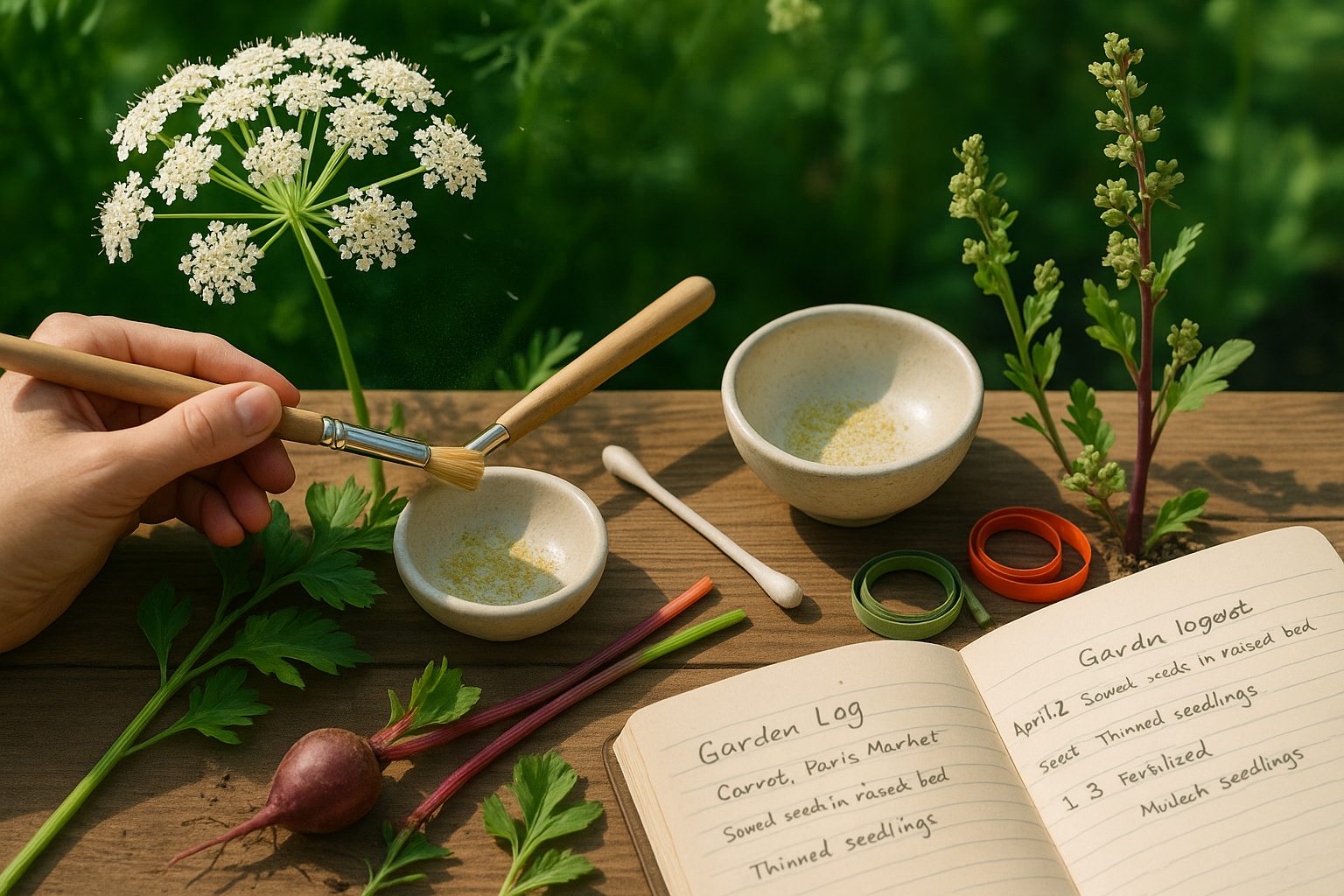
Hand pollination is especially useful when natural pollinators like bees are scarce, weather conditions limit insect activity, or you want to control which plants cross for selective breeding. For carrots and beets, which both rely on insects for pollination, hand pollination can ensure successful seed set and protect genetic purity.
To begin, identify flowers at just the right stage—open but not faded. In carrots, use a small, soft paintbrush or a cotton swab to gently collect pollen from a fresh, open umbel (a cluster of tiny flowers), then transfer it to the receptive stigmas of another plant’s flower clusters.
For beets, which have small, often self-pollinating flowers, you can improve yield and control by gently shaking loose pollen from the male parts and dabbing it onto other flowers. It’s helpful to pollinate early in the morning when flowers are most receptive.
Mark hand-pollinated flowers with colored garden tape or string so you can track them easily and prevent repeat pollination. To maximize seed yield, visit the same flowers over several days, as not all florets may be in peak condition during one visit.
Keep a simple garden log noting which plants you’ve pollinated and the dates—this not only helps with tracking but can also improve your results season over season. With a little patience and these simple tools, you’ll boost your seed production and maintain control over your plant genetics.
Supporting Pollination Success
Supporting healthy pollinator populations starts with planting a diverse array of flowering plants that bloom at different times throughout the season. This ensures bees, butterflies, and other pollinators always have access to nectar and pollen. Choose native plant varieties whenever possible, as local pollinators often rely on these for survival.
Avoiding pesticides, especially during flowering, is crucial—many chemicals can harm pollinators directly or disrupt their sensitive habitats. Proper plant spacing also promotes pollination by giving pollinators enough room to navigate between blooms while reducing the spread of disease.
Try staggering your planting schedule so something is always in bloom, providing pollinators with a continuous food source. Regular garden maintenance—such as deadheading spent flowers and removing invasive weeds—keeps your garden healthy and more inviting to pollinators.
To track pollination success, observe your plants closely for signs like the presence of bees and butterflies, the development of fruits or seeds, and the formation of seed pods on flowers. If you notice blossoms fading without fruiting or a lack of pollinator activity, it may be time to reassess your gardening strategies or plant selection.
These practical steps can make your garden a thriving habitat for pollinators and increase the chances of fruitful harvests year after year.
Overcoming Pollination Challenges
Pollination is crucial for healthy yields, but gardeners and farmers often face hurdles like adverse weather, a shortage of pollinators, and plant stress. Unexpected cold snaps, heavy rain, or intense heat can disrupt blooming and deter bees and butterflies essential for pollination.
One practical solution is to plant a mix of early, mid, and late-blooming varieties to spread the risk across the growing season. If your garden lacks natural pollinators, attract them by adding native flowering plants, reducing pesticide use, and installing bee habitats or water sources nearby.
During periods of low insect activity or for self-pollinating crops, consider hand-pollination using a soft brush or by gently shaking flowers. To minimize plant stress, ensure consistent watering, provide mulch to regulate soil temperature, and use row covers during extreme weather.
If you’re facing recurring or severe pollination problems, reach out to local extension services or gardening clubs, which often offer advice tailored to your area’s climate and flora. Online resources like university agriculture websites or pollinator advocacy groups can also provide deeper insight and support, helping you overcome even the most stubborn pollination obstacles.
Conclusion and Next Steps
Successfully pollinating carrots and beets involves understanding their flowering times, attracting pollinators like bees, and ensuring proper spacing between varieties to avoid cross-pollination. For the best results, observe your plants closely as they bloom, and don’t hesitate to gently shake the stems to help release pollen if natural pollinators are scarce.
Experiment with different planting setups to see what works best in your garden. As you gain confidence, try collecting and saving seeds from your healthiest plants for next year. Joining local gardening groups can provide support, inspiration, and access to advanced techniques, helping you refine your pollination skills and deepen your gardening knowledge.