Understanding Beets
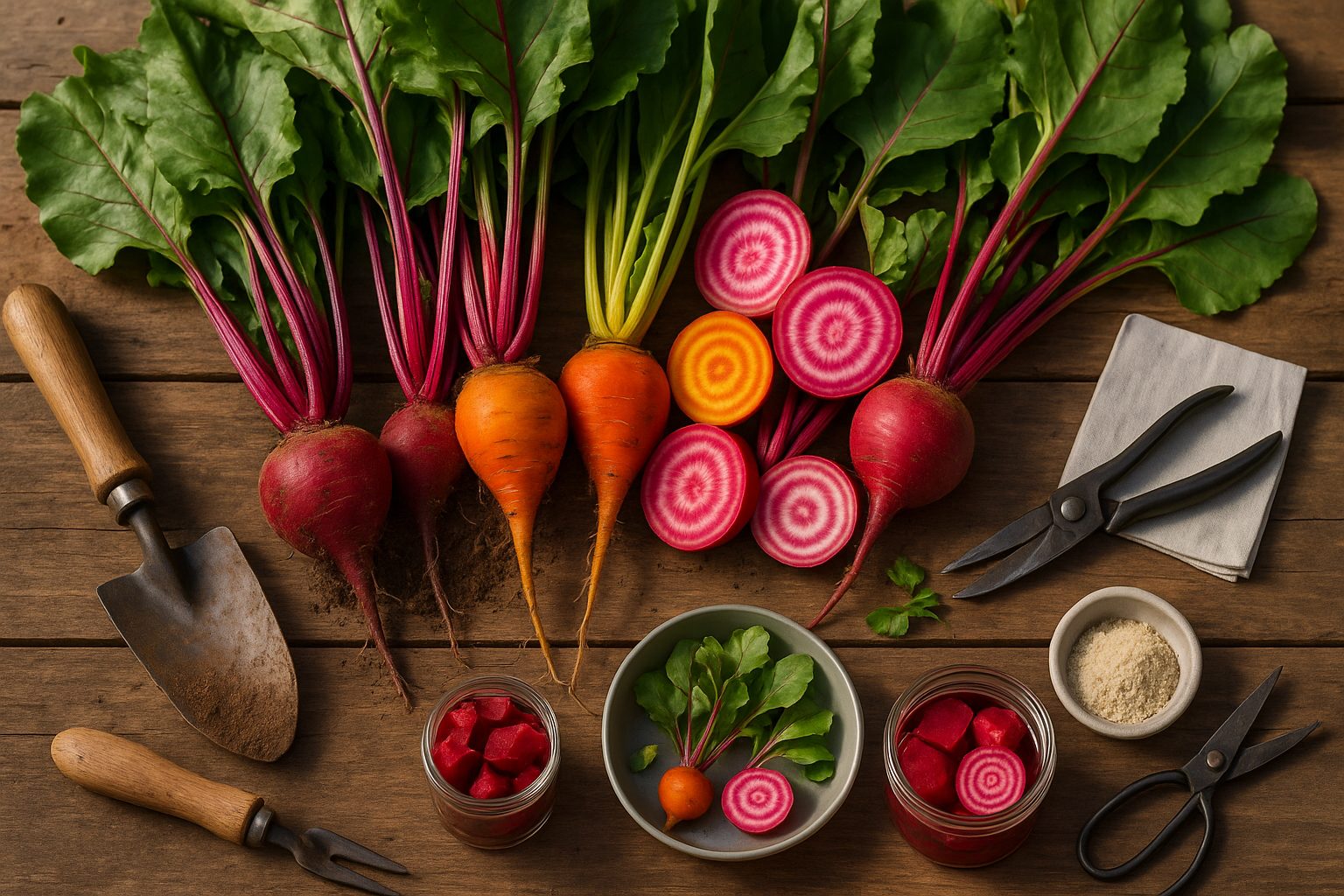
If you’re wondering how to harvest beets, you’re not alone—these vibrant root vegetables have gained popularity in kitchens and gardens everywhere for their earthy flavor, striking colors, and impressive versatility. Beets thrive in cool weather, require well-drained, fertile soil, and appreciate consistent moisture to grow plump, tender roots. Whether you’re a beginner or a seasoned gardener, understanding the different beet varieties will help you master their harvest: classic round “table” beets, petite baby beets, sunny golden beets, and the striking pink-and-white Chioggia, each with its own ideal harvest window.
For example, baby beets mature quickly and are perfect for early-season snacks, while golden and Chioggia types often take a few extra days in the ground to reach peak sweetness and size.
Beet Plant Structure and Growth
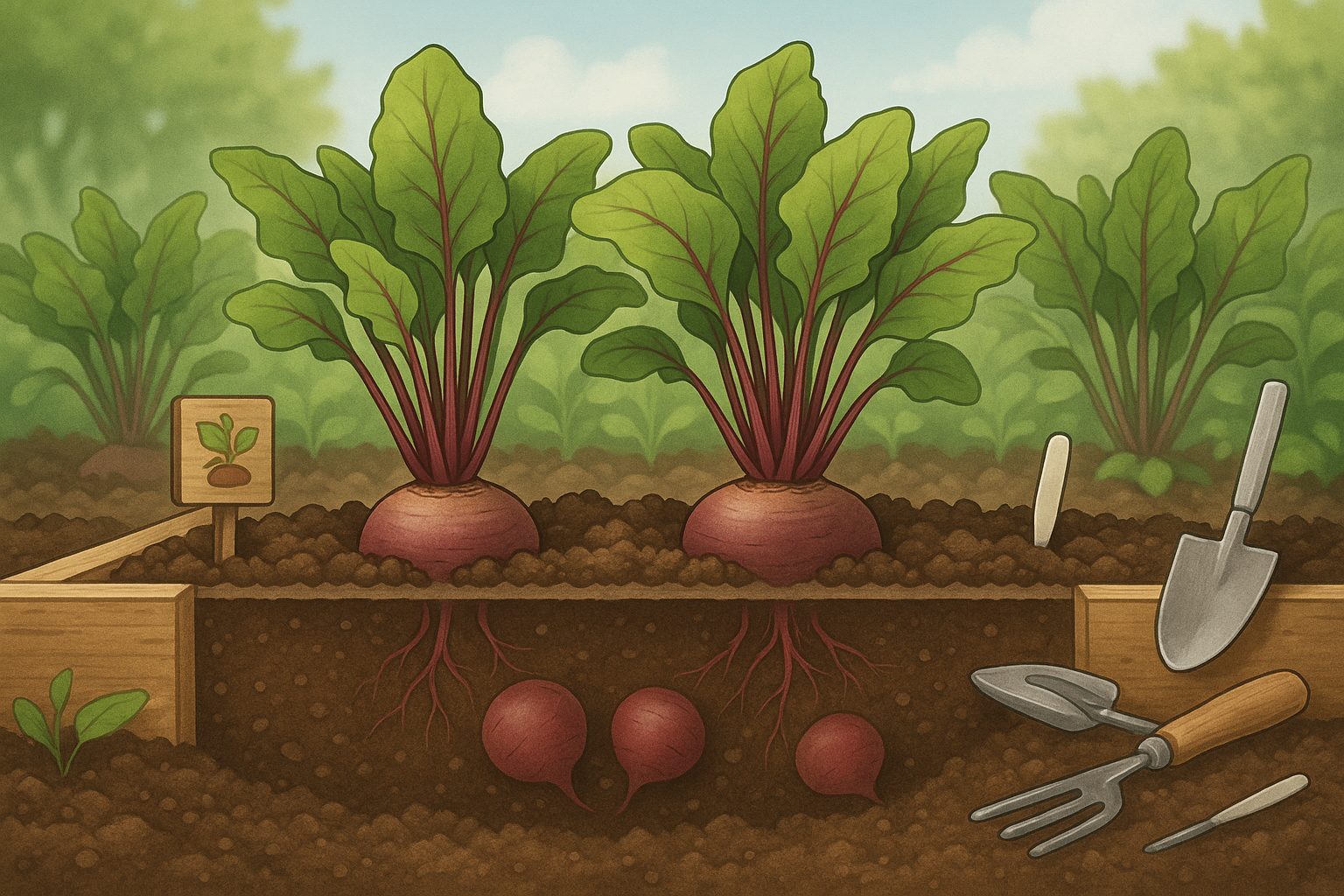
Beet plants develop a single, fleshy taproot beneath a leafy green crown. These tops aren’t just for show—beet greens are delicious and nutritious, making beets a crop with two edible harvests. Most table beet varieties reach harvestable size in 50 to 70 days, but this timeline can vary: baby beets are ready in as little as 40 days, while larger roots or specialty varieties might need up to 80 days for full flavor and color.
Keep an eye on the diameter of the root—usually 1 to 3 inches is the sweet spot—and the health of the leaves, especially if you’re hoping to enjoy both greens and roots.
Timing Your Harvest
Harvesting goals shape your timing, too. If you’re after tender, nutrient-rich greens, pick some leaves when they’re young, but leave enough foliage for the root to keep growing strong. For those craving sweet, firm beet roots, patience pays off—wait for the right size and color before pulling them up gently.
With the right approach, you’ll enjoy the best of both worlds from your beet patch.
How to Know When Beets Are Ready to Harvest
Knowing when your beets are ready to harvest is a mix of observing the plant itself and paying attention to environmental clues. For the roots, gently brush away soil to check their size—baby beets are usually one to two inches across, while mature beets are about the size of a golf ball to a tennis ball (around two to three inches). If they get much larger, they can become woody and lose that sweet, tender flavor.
Look for a deep, rich color in the roots—vivid purple, red, or golden hues—and a firm texture; soft or shriveled beets have passed their prime. The greens also give clues: healthy, vibrant leaves indicate the beet below is thriving, while yellowing or drooping leaves mean it’s time to harvest before the plant declines further.
If you’re harvesting baby beets, start about 35–40 days after planting when they are small and tender—perfect for salads or roasting whole. For mature beets, wait closer to 50–70 days. Don’t rely solely on the seed packet’s days-to-maturity, though, as it’s just a rough estimate—actual timing depends on variety, weather, and soil conditions.
Cooler fall weather can enhance sweetness, but watch the forecast: beets tolerate light frost, but prolonged hard freezes can damage both roots and greens. Wet soil makes it easier to pull beets without damage, but heavy rain can make harvesting messy and compact the earth around your crop.
Ultimately, the best indicators are your hands and eyes—if the beets look and feel just right, it’s time to enjoy your harvest.
How to Harvest Beets (Step-by-Step Guide)
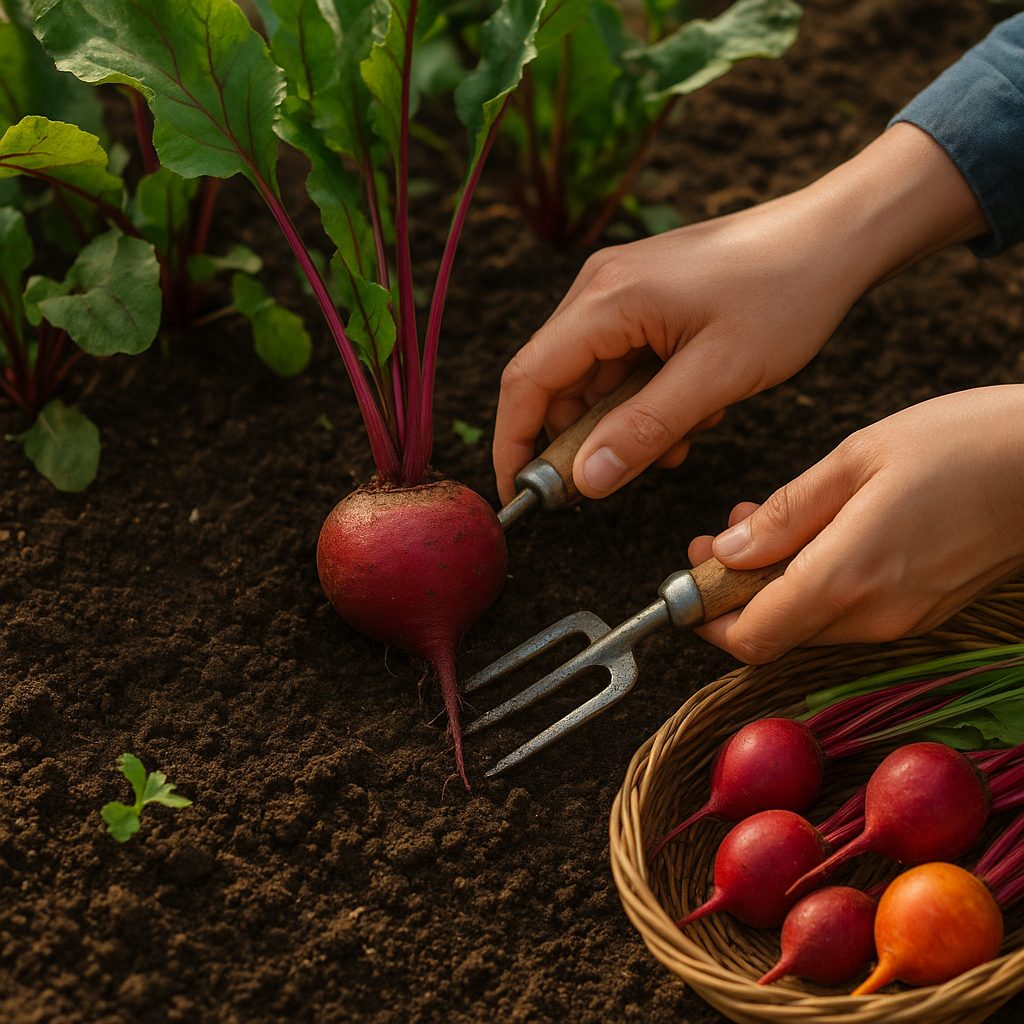
Harvesting beets is simple, but a gentle approach ensures you get the best from both roots and greens. To start, water your beet bed lightly a day before harvest; moist soil makes pulling easier and helps prevent root breakage.
Use a hand fork or trowel to carefully loosen the soil around each beet, working in a circle about two inches away from the base of the plant.
If you’re harvesting just the greens, snip a few outer leaves from each plant with sharp scissors, always leaving at least half the foliage intact so the roots continue to grow. These tender leaves are excellent sautéed or added to salads.
If you want the whole beet, grip the plant low to the ground, just above the beet’s shoulders, and pull gently while wiggling side to side.
For bigger beets intended for roasting or long-term storage, wait until they’re about the size of a golf ball to a tennis ball. Larger roots tend to get woody and less sweet.
Brush off excess soil, but avoid washing roots if you plan to store them, as moisture encourages rot. Simply trim the greens to one inch above the root, leaving the small tail intact.
For beets destined for immediate roasting or pickling, you can wash them right away. Handle them gently to avoid damaging the skin, which helps keep the beet juices (and their distinctive color) inside.
Always sort harvested beets by size and quality: small, tender ones are great for quick cooking, while larger, blemish-free roots store longest in a cool, dark place.
By treating both roots and greens with care, you’ll enjoy a season’s worth of delicious, versatile beets.
Post-Harvest Handling: Cleaning, Sorting, & Marketability
After harvesting beets, gentle handling is essential to preserve quality and boost marketability. Always begin by removing excess soil. For beets intended for immediate sale or consumption, use a soft brush to clear dirt without tearing the fragile skin. If washing is needed, rinse with cool, running water and lightly rub with your hands. Avoid soaking, as prolonged water exposure can cause rot later on. Only wash beets right before storage or sale to prevent mold and spoilage.
Once clean, carefully trim the greens about an inch above the root, leaving a small stem to prevent bleeding and retain freshness. Sorting is the next step: group beets by similar size, as uniform bunches catch the eye at markets and ensure even cooking for consumers. Discard or set aside any beets with visible cuts, bruises, or insect damage—these have a shorter shelf life and can spread spoilage.
For storage, pat beets dry and place them in a cool, humid environment, such as a root cellar or a perforated bag in the crisper drawer. When prepping for market, select beets that are smooth, firm, and deep in color, without soft spots or shriveled skin. Home gardeners should wash hands thoroughly before and after handling beets and use sanitized surfaces and clean containers to prevent contamination.
Consumer-ready beets are typically between 2–3 inches in diameter, round and blemish-free, with healthy, crisp greens if sold attached. By following these practices—whether storing for winter or heading to the farmer’s market—you’ll offer the freshest, safest, and most appealing beets possible.
Storing Beets for Maximum Freshness & Flavor
For short-term storage, beets keep best in the refrigerator. Simply trim off the greens, leaving about an inch of stem to prevent bleeding, but don’t wash the roots until you’re ready to use them. Store the roots in a perforated plastic bag or an unsealed container in the crisper drawer, which provides the cool (32–40°F) and slightly humid environment (90–95% humidity) that beets crave to stay crisp for up to three weeks.
For long-term storage, a root cellar is ideal. Arrange unwashed beets in a single layer in a box of damp sand or sawdust, making sure the temperature stays just above freezing and the space remains humid. This setup helps beets last for several months.
Always remove the leafy greens before storage, as they draw moisture from the root, causing shriveling. If you want to eat the greens, store them separately for a few days.
Avoid airtight containers that trap moisture and encourage rot; instead, use breathable materials. If you notice your beets wilting, the humidity is likely too low—try adding a damp towel to your fridge drawer. Signs of rot or mold mean excess moisture is present, so air out the storage area and separate any affected beets right away.
Sprouting happens when beets are too warm or exposed to light, so be sure your storage spot is cool, dark, and consistent. With the right prep and storage setup, you’ll enjoy flavorful, firm beets long after harvest.
Harvesting Beets for Special Uses: Baby Beets, Greens, & Processing
Timing your beet harvest for different uses can make a big difference in flavor and quality.
For baby beets, the ideal time to harvest is when the roots are about 1 to 2 inches in diameter—usually 30 to 40 days after planting, depending on the variety. To harvest, gently loosen the soil around the plant and pull out the tender roots. This also helps thin your beet patch, giving the remaining plants more space to mature.
If you want high-quality beet greens, snip the outer leaves when they’re about 4 to 6 inches long, leaving the smaller center leaves to keep growing. This ensures you get the most tender, flavorful greens without sacrificing the plant’s ability to produce a root.
For special culinary uses, timing and method of harvest changes:
- Pickling: Select medium-sized roots (2 to 3 inches across) for their balance of sweetness and texture. Just wash, trim, and boil before pickling.
- Roasting: Larger mature beets (3 to 4 inches) hold up well in the oven and deliver earthy, deep flavors. Use a garden fork to gently lift them from the soil to avoid bruising.
- Preserving: Harvest when both roots and greens are vibrant. Remove the tops but leave about an inch of stem to prevent bleeding, then store the roots in a cool, dark place.
With a little planning, you can enjoy the whole beet plant at its very best—whether tossed in a salad as baby beets, sautéed as tender greens, or jarred for future meals.
Frequently Asked Questions (Common Harvest Issues)
Gardeners often worry when their beets turn out woody, small, or cracked after months of care. A woody texture usually results from letting beets stay in the ground too long or inconsistent watering. To avoid this, try to harvest beets once they reach the size of a golf ball to a tennis ball, and keep the soil evenly moist, especially during dry spells.
If your beets are consistently small, overcrowding is probably to blame. Thin the seedlings so each plant has about three inches of space.
Cracked beets often signal fluctuating moisture levels; after a dry period, a sudden heavy watering or rainfall can cause beets to split. Mulching can help regulate soil moisture, while regular but moderate watering prevents both cracking and woody roots.
If you’re harvesting after a frost, beets are generally fine—in fact, a light frost can actually sweeten their flavor. However, a hard freeze can damage roots, so cover plants with straw or a frost blanket for protection, and pull them before the ground freezes hard.
To improve next season’s harvest, jot down what worked and what didn’t. Did you plant too close together or struggle to keep up with watering? Next time, space seeds farther apart, mulch early, and set reminders to harvest before the beets grow too large. By adapting your care and keeping notes, you’ll set yourself up for a bigger, better crop next year.