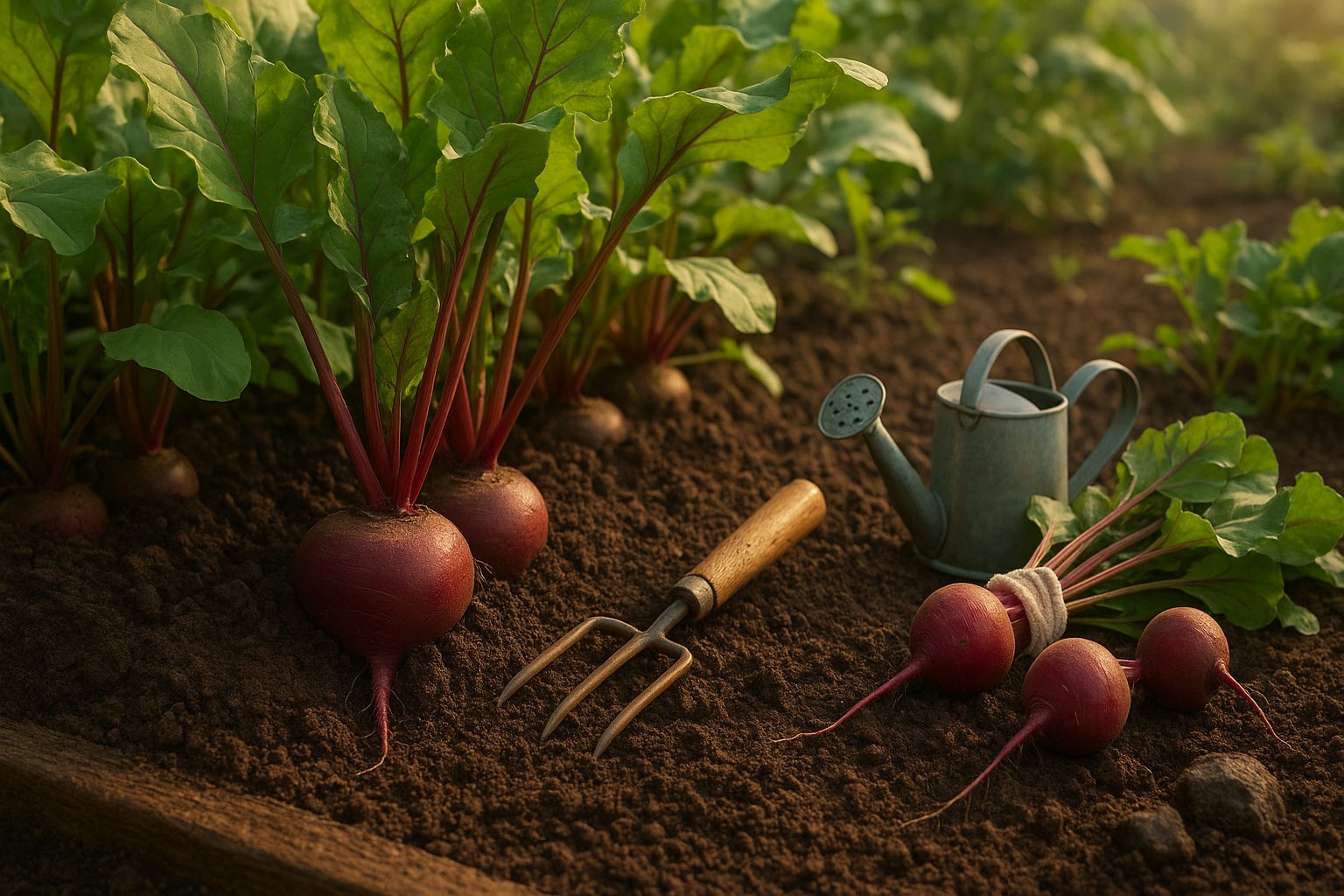
The Best Fertilizer for Beetroot
Fertilizing beets the right way can make all the difference between a bumper crop of sweet, tender roots and a disappointing yield. Whether you’re a new gardener or a seasoned pro, understanding how to fertilize beets sets your plants up for success throughout the growing season. With the right nutrients and timing, you can avoid common pitfalls like sluggish growth or small, woody beetroots.
In this guide, we’ll break down the best fertilizer for beetroot, share easy-to-follow tips, and help you grow beets that are juicy, vibrant, and full of flavor—even if your garden soil isn’t perfect to start with.
Introduction
Beetroot is a vibrant root vegetable that’s gaining popularity in home gardens and kitchens worldwide, thanks to its sweet flavor and dense nutritional value. Loaded with vitamins, minerals, and antioxidants, beetroots offer health benefits ranging from improved blood pressure to enhanced athletic performance.
However, a bountiful harvest starts long before you pull those ruby roots from the ground—proper fertilization is a key factor in growing healthy, productive beetroot plants. Fertilizer ensures beets get the nutrients they need for strong root development and lush leaves, directly impacting the size, taste, and quality of your crop.
In this guide, we’ll cover what nutrients beetroots crave most, the best ways to prepare your soil, how to choose between organic and synthetic fertilizers, and practical tips for applying them effectively. Whether you’re a first-time gardener or looking to boost your beetroot yields, these insights will set you up for success.
Understanding Beetroot’s Nutrient Requirements
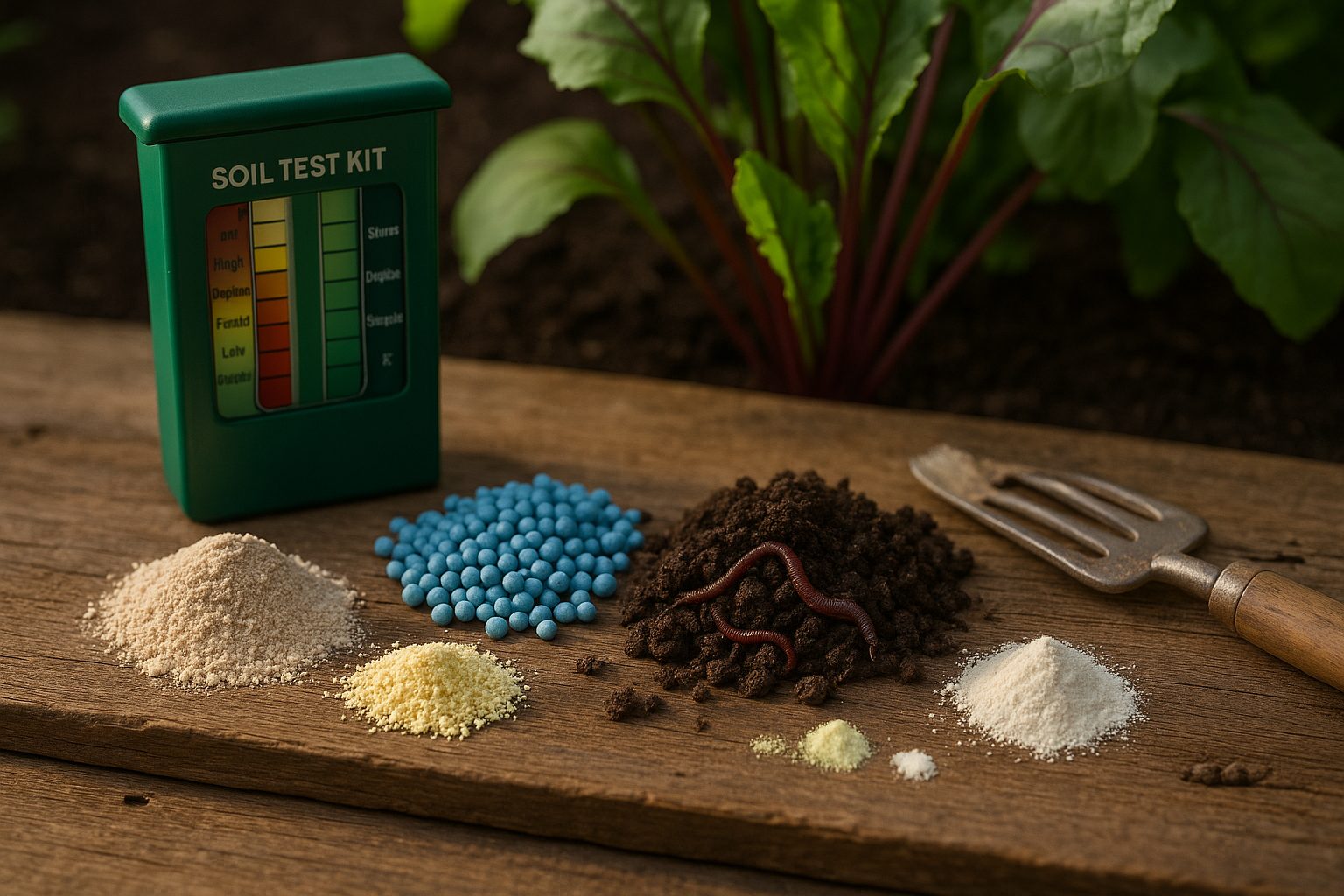
For healthy, vibrant beetroot growth, getting the nutrient balance right is key. Nitrogen helps beetroots develop lush, green leaves—vital for photosynthesis—but too much can cause leafy tops and small, poorly formed roots. Phosphorus supports robust root development, which is crucial since the beet itself is a root crop; if phosphorus is lacking, you might notice slow growth and purplish leaves. Potassium plays a major role in overall plant vigor and disease resistance, and insufficient potassium can lead to stunted roots or leaves with brown edges.
Don’t overlook micronutrients: magnesium is important for chlorophyll production, so yellowing between the veins of older leaves could signal a shortage. Boron, though needed only in tiny amounts, is essential for proper root formation and sugar accumulation in beets. Beetroots suffering from boron deficiency often display black spots inside the root, a condition known as “heart rot.”
Keep in mind, nutrient needs can shift based on your region’s climate and specific soil type. Sandy soils, for example, may lose nutrients quickly and require more frequent, lighter applications of fertilizer, while clay soils might hold nutrients but need careful management to prevent over-application.
It’s a good idea to test your soil before planting to tailor your fertilization strategy—adjusting the mix of nutrients not just for the plant, but for the specific place you’re gardening. This targeted approach keeps your beetroots healthy from seedling to harvest.
Preparing the Soil for Beetroots
Before planting beetroots, it’s essential to evaluate your soil’s fertility to ensure a healthy crop. Start by conducting a simple soil test, which you can find at garden centers or through local extension services, to measure nutrient levels and pH.
If a test isn’t possible, look for clues such as dull, yellowing plants or stunted growth in your garden—these can signal poor soil fertility. Once you’ve assessed the soil, enrich it by mixing in plenty of well-rotted compost, which adds nutrients and improves soil texture.
Loosen the soil to at least 12 inches deep using a fork or tiller—a crucial step, since compacted ground can cause beetroots to grow misshapen or forked. Next, check the soil’s pH; beetroots thrive in a mildly acidic to neutral range between 6.0 and 7.0.
If your soil is too acidic, sprinkle a thin layer of garden lime and mix it in; if it’s too alkaline, add a bit of elemental sulfur. Maintaining the right pH is key because it affects how well beetroots absorb essential minerals like potassium and phosphorus.
Finally, ensure your garden bed is well-draining—heavy, waterlogged soil leads to rot and poor root development. Raised beds, furrows, or simply amending the soil with sand can all help improve drainage.
Taking these steps means your beetroots will have the best possible start, leading to plumper, tastier harvests.
Types of Fertilizers for Beetroot: Organic vs. Synthetic
When choosing fertilizers for beetroot, gardeners often weigh the benefits of organic versus synthetic options. Organic fertilizers like well-rotted manure, compost, or bone meal provide nutrients gradually, encouraging steady beetroot growth and improving soil health over time. These options are environmentally friendly, rich in micronutrients, and safe for home gardeners.
However, organic fertilizers may release nutrients more slowly and have less predictable nutrient content, so results can vary and might not resolve severe deficiencies quickly. On the other hand, synthetic fertilizers such as granular or water-soluble all-purpose vegetable blends (for example, Miracle-Gro Water Soluble Vegetable Food 18-18-21 or Espoma Garden-Tone 3-4-4) offer precise, fast-acting nutrition, helping beetroots establish strong roots and vibrant tops, especially in nutrient-poor soils.
The main drawbacks of synthetics include the potential for over-fertilization, which can cause beetroot deformities, and possible negative impacts on soil bacterial life over repeated use. For beetroots, aim for balanced fertilizers with a ratio like 10-10-10 or slight variations with a bit more phosphorus, which supports root development.
Beginners or those growing in containers may benefit from easy-to-apply, granular products, checking packaging for recommendations specific to beets or root vegetables. Organic gardeners should prioritize well-aged compost or products like Dr. Earth Root Zone (2-4-2) for consistent, safe results.
Whichever method you choose, always follow label instructions, monitor plant health, and test your soil periodically for balanced nutrition—healthy beets often start with healthy soil.
When and How to Fertilize Beetroot for Best Results
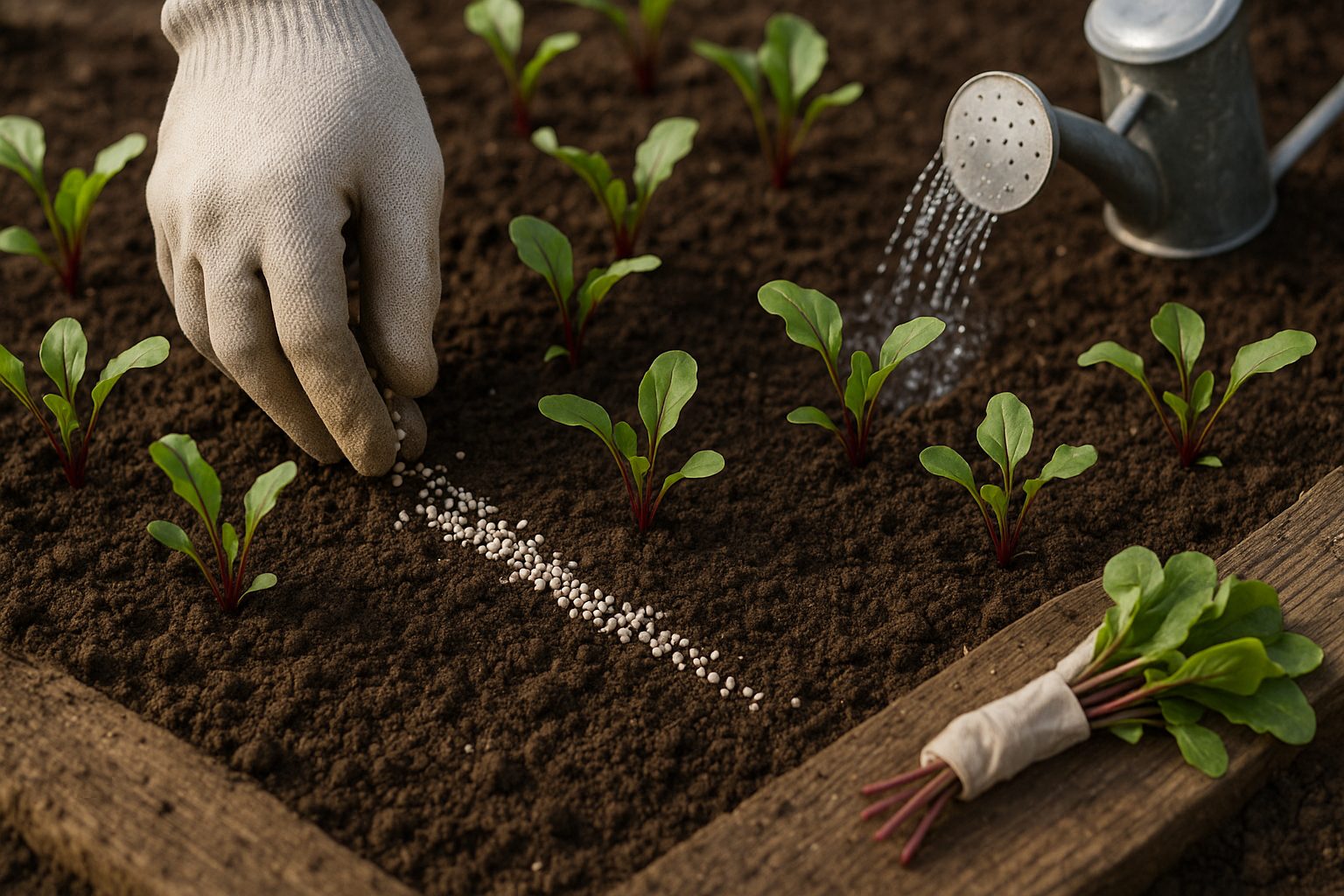
Fertilizing beetroot at the right times and in the right way makes all the difference for a bountiful harvest. Start by mixing a balanced granular fertilizer or well-rotted compost into your soil before planting—this provides essential nutrients for the seeds to establish. Just be careful not to use too much nitrogen, as it can promote leaf growth at the expense of root development.
Once seedlings have two true leaves, give them a boost with a lower-nitrogen, higher-phosphorus fertilizer, such as 5-10-10, using a method called side-dressing. To do this, sprinkle a narrow band of fertilizer about four inches away from the plants and gently work it into the soil, avoiding direct contact with leaves or roots to prevent burning.
Midway through the season, just as the roots start to swell, apply another side-dressing or use a diluted liquid fertilizer. Liquid feeds are handy here because they reach roots quickly and are less likely to cause leaf burn if kept away from the foliage.
If you’re growing beetroot in pots, reduce fertilizer doses to about half and stick to liquid feeds every two or three weeks, since container soil holds nutrients less efficiently. Watch for signs like pale leaves or slow growth to know when it’s time to feed.
Whether in pots or in the ground, always water thoroughly before and after fertilizing to distribute nutrients evenly and prevent scorching the delicate plants.
Remember, it’s better to underfeed than overdo it: too much fertilizer can result in lots of leaves but small, woody beetroots. Regularly checking your plants and soil moisture will help you tweak your routine for the best results.
Common Fertilization Mistakes (and How to Avoid Them)
Fertilizing beetroot can be tricky. Common mistakes like over-fertilizing, under-fertilizing, or choosing the wrong fertilizer can derail your crop’s success.
Over-fertilizing often causes “fertilizer burn,” which appears as dry, brown edges on leaves, sudden wilting, or yellowing between leaf veins. These are signs of nutrient toxicity, especially from excess nitrogen.
Under-fertilizing, meanwhile, results in slow-growing beets with pale leaves and small, thin roots—signs that the plants aren’t getting enough nutrients to thrive.
Using the wrong fertilizer—such as one high in nitrogen—can make beets produce lots of leafy foliage but tiny roots, which isn’t ideal.
If you notice yellowing leaves, stop fertilizing temporarily and water thoroughly to flush out excess nutrients. For stunted roots or overly leafy plants, switch to a balanced fertilizer with lower nitrogen and higher phosphorus and potassium—something like a 5-10-10 NPK ratio works well for beets.
Always follow application instructions, measure fertilizer carefully, and test your soil if problems persist. Keep an eye on plant health and respond early to any issues by adjusting your approach to ensure healthy, well-formed beetroots.
FAQ: Beetroot Fertilization Problems and Solutions
Why are my beets leafy but have no root? This usually means there’s too much nitrogen in the soil—try switching to a balanced fertilizer or one higher in phosphorus and potassium.
My beets are growing slowly; what can I do? Check that you’re not overapplying fertilizer, and make sure your soil pH is between 6.0 and 7.0 for the best nutrient uptake.
What if I miss a fertilizer application? Don’t worry—simply resume your normal schedule at the next recommended interval. It’s better to skip than to double up, which can cause more harm than good.
Can I use organic fertilizers on my beets? Absolutely! Well-rotted compost, bone meal, or fish emulsion are excellent organic options; just be mindful not to overdo it, especially with nitrogen-rich materials.
When is the best time to fertilize beets? Aim for an initial application when you plant, followed by a light feeding when seedlings reach 2–3 inches tall.
Are there substitutes if I can’t find beet-specific fertilizer? Yes, most general-purpose vegetable fertilizers will work—just adjust application rates based on the label and your soil’s needs.
If you’re facing ongoing issues, reach out to your local agricultural extension office or reputable gardening websites for tailored advice.
Conclusion & Final Tips
Choosing the right fertilizer is essential for healthy beetroot growth. Look for balanced options or those slightly higher in phosphorus and potassium, and always follow the application rates on the label. Remember, soil tests can help target your plant’s specific needs, while mulching retains moisture and nutrients.
Every garden is different, so don’t be afraid to experiment with timing or organic fertilizers, like composted manure, to see what works best in your area. Keep an eye on your plants for signs of over- or under-fertilizing, and adjust your care as needed.
With a watchful eye and a flexible approach, you’ll enjoy bigger, tastier beets each harvest.