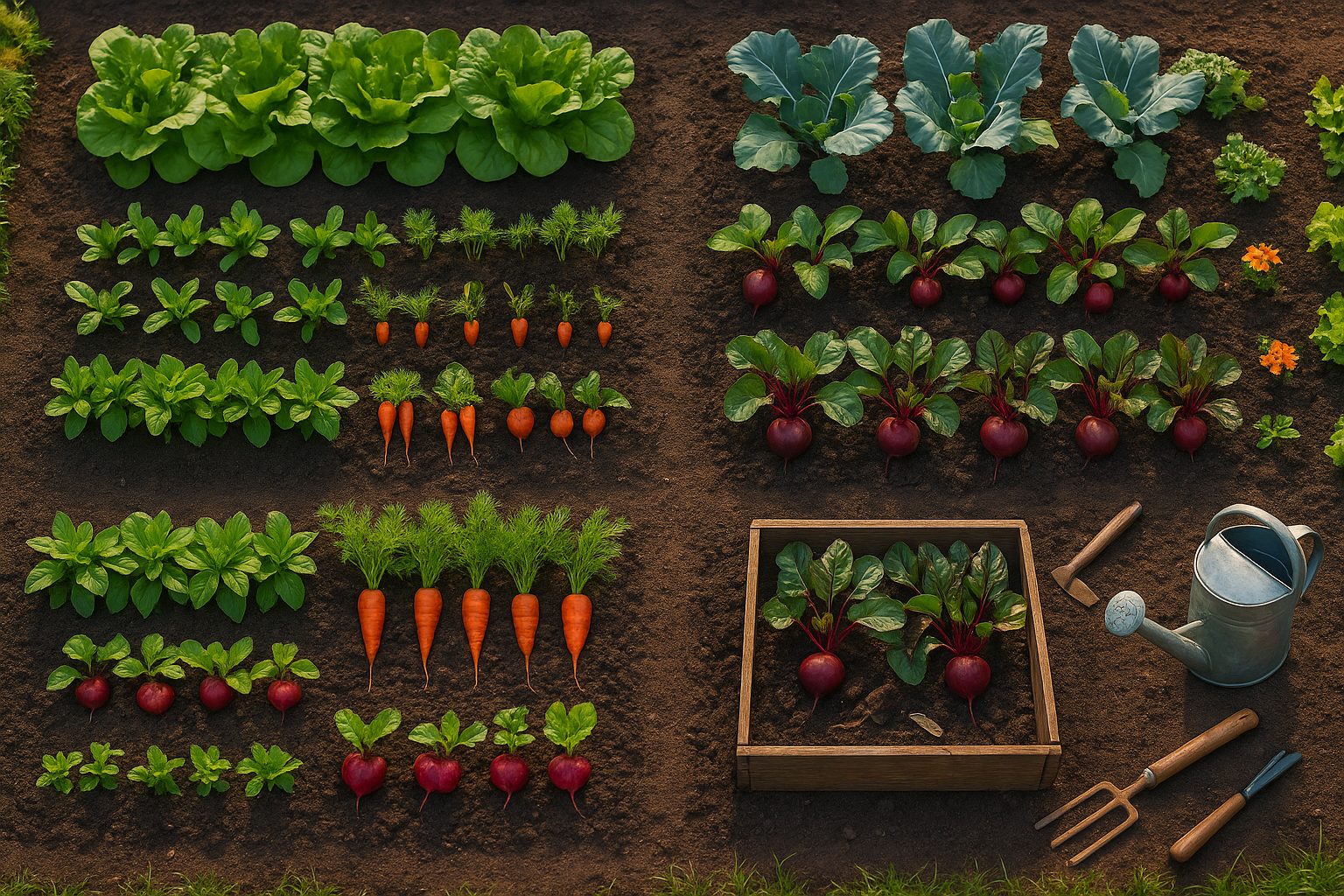
Introduction to Crop Rotation with Beets
beet crop rotation is a smart, time-tested strategy that goes beyond simply switching crops each season—it’s a cornerstone of sustainable gardening and farming. Crop rotation involves growing different types of plants in the same area across sequenced seasons. This approach helps prevent soil depletion, interrupts pest cycles, and naturally manages plant diseases without relying on harsh chemicals.
Beets, known for their vibrant color and nutritional benefits, are a classic example of a root vegetable that demands a lot from the soil, especially nutrients like potassium and phosphorus. Planting beets in the same spot year after year can lead to shrinking yields or unhealthy plants because pests that target beets can build up, and essential soil nutrients become depleted.
By rotating your beets with crops that replenish soil nutrients—such as legumes, which fix nitrogen—you can maintain healthier, more productive soil. Including beets in your crop rotation not only supports better harvests but also helps balance soil health and biodiversity throughout your garden or farm.
Whether you’re managing a backyard plot or larger acreage, planning a beet crop rotation is a practical strategy that pays off with vigorous plants and resilient soil season after season.
Why Rotate Beets? Key Benefits Explained
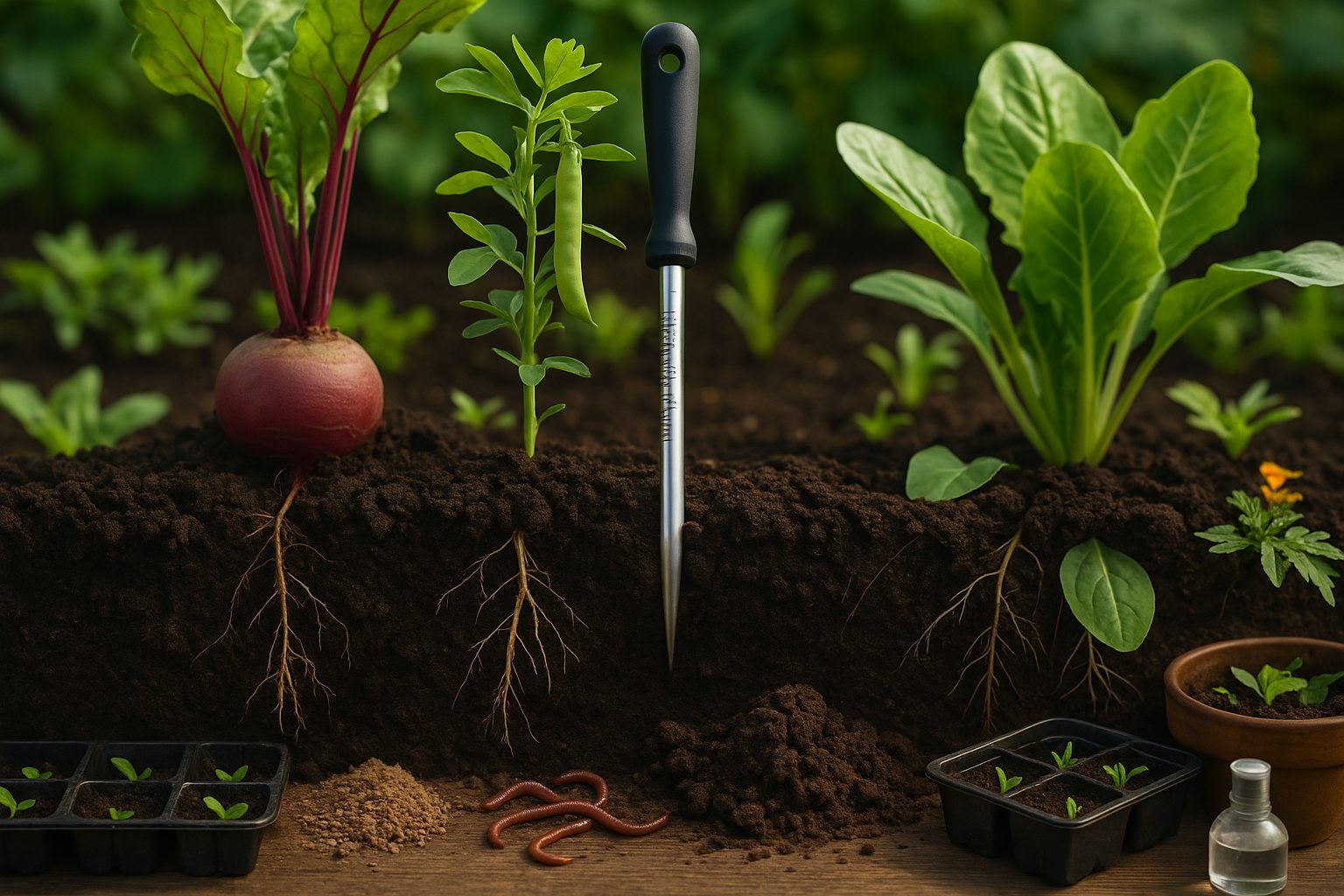
Rotating your beet crops is essential for maintaining a healthy and productive garden. One of the main advantages of beet crop rotation is breaking the life cycles of soil-borne diseases and pests specific to beets, such as root maggots and nematodes. These pests tend to accumulate in the soil when beets are planted in the same spot year after year. By shifting beets to different locations each season, you make it harder for these threats to establish themselves.
This simple practice significantly reduces pest damage and the spread of common beet diseases like Fusarium wilt, resulting in stronger, more resilient plants.
Beyond pest control, beet crop rotation supports soil health by balancing nutrient demands. Beets require a moderate amount of nutrients, particularly phosphorus and potassium. Continuously planting them in the same area can deplete these essential elements, leading to poor growth and lower yields.
By rotating beets with legumes, which fix nitrogen, or leafy greens, you not only prevent nutrient depletion but also promote better nutrient distribution in the soil. Varying your crops also increases organic matter and improves soil structure since different roots interact with the soil uniquely and attract diverse beneficial microbes.
Over time, these improvements lead to better water retention, fewer weeds, and healthier soil teeming with life. The end result is bigger, tastier harvests and a garden that’s more productive and sustainable in the long run.
Simply put, adopting a beet crop rotation system is a practical, low-effort way to keep your soil alive and thriving, ensuring that beets and other vegetables flourish season after season.
Understanding Beets’ Soil and Nutrient Needs
Beet crop rotation works best when you know exactly what beets take from—and give back to—the soil. Beets primarily consume large amounts of phosphorus and potassium, with moderate nitrogen needs compared to leafy greens. As root vegetables, they draw phosphorus for root development and potassium for overall plant health and sugar formation. This means that after harvesting a beet crop, the soil is often noticeably depleted of these two nutrients.
If you plant another phosphorus- and potassium-hungry crop in the same spot the next season, you risk declining yields and stressed plants. Beets also prefer loose, well-draining soils—ideally sandy loam with a neutral to slightly alkaline pH (around 6.0–7.5). These conditions encourage taproot expansion and help beets absorb nutrients effectively. Heavy, compacted, or acidic soils often cause stunted growth or root diseases, so amending the bed with compost and lime (when needed) is a smart step before planting.
Because of these specific requirements, when planning your beet crop rotation, avoid planting beets after crops with similar nutrient and soil preferences, like carrots or potatoes. This helps prevent excessive nutrient depletion and reduces pest buildup. Ideal rotation partners include legumes (such as beans or peas), which replenish nitrogen, or less demanding leafy crops like lettuce or spinach, giving your soil time to recover.
Ultimately, understanding beets’ nutrient and soil needs leads to smarter crop rotation choices, healthier soil, and better harvests year after year.
Best Crop Rotations for Beets: Tested Pairings and Schedules

When planning effective beet crop rotation, choosing the right sequence of crops can significantly improve productivity, soil health, and pest management. Beets belong to the goosefoot family (Chenopodiaceae) and have unique nutrient needs. Rotating them thoughtfully helps break disease cycles and replenish the soil. Ideally, follow beets with nitrogen-fixing legumes like beans or peas—their roots add nitrogen that beets often deplete. Brassicas such as broccoli, cabbage, or kale are also excellent post-beet options, as their varying root depths and nutrient preferences help balance the soil. Before planting beets, consider starting with crops like potatoes or onions, which don’t share pests or diseases with beets and rarely leave behind nutrient residues that might harm young beet seedlings.
A classic three-year rotation cycle includes:
- Year 1—legumes (beans, peas)
- Year 2—beets and other root crops
- Year 3—brassicas
In a four-year rotation, you might start with potatoes, follow with legumes, then beets, and finally brassicas. For small gardens, a practical schedule could be:
- Year 1—green beans
- Year 2—beets
- Year 3—broccoli
- Year 4—tomatoes or corn (corn further reduces disease risks for beets)
Avoid planting beets immediately before or after other root vegetables like carrots, radishes, or turnips—these crops attract similar soil-borne pests such as nematodes and can suffer from residual diseases or nutrient imbalances related to root development. Likewise, steer clear of following beets with Swiss chard or spinach, their close relatives, to prevent a buildup of beet-specific pathogens.
For a small market plot, try this sample rotation:
- First year: beans to replenish soil nitrogen
- Second year: beets
- Third year: brassicas like cabbage
- Fourth year: tomatoes
- Then repeat the cycle
This approach deters common pest buildup while maintaining soil fertility and garden productivity, helping your beets thrive year after year.
Common Mistakes to Avoid in Beet Crop Rotation
One of the biggest mistakes in beet crop rotation is planting beets in the same bed or area year after year. Beets, like many root vegetables, are vulnerable to soil-borne pests and diseases such as nematodes and fungal pathogens, which can quickly accumulate if proper rotation isn’t followed. This not only lowers yields but can also cause long-term soil issues.
Another common error is poor record-keeping. It’s easy to forget where beets—and their close relatives like chard and spinach—were grown in previous seasons, especially in a busy garden. Since these vegetables belong to the same botanical family, they’re prone to the same pests and diseases. For this reason, it’s important to rotate them together as a group rather than individually. Gardeners should maintain a simple garden journal or use planning apps to track planting locations over multiple years.
Additionally, neglecting soil health monitoring can hurt a successful beet crop rotation. Beets thrive in fertile, well-draining soil, so it’s crucial to check for compaction, test nutrient levels, and look out for signs of pests or disease each year. When problems appear—such as yellowing leaves or stunted growth—don’t hesitate to adjust your rotation plan by lengthening the time between beet plantings or adding soil-enriching cover crops like legumes.
Being flexible and proactive with your beet crop rotation strategy will help keep your soil healthy and ensure a bountiful beet harvest.
Maximizing Yield and Health: Tips for Success with Beet Crop Rotation
To get the most out of beet crop rotation, a few strategic practices can make all the difference. Start by incorporating cover crops—like clover, rye, or vetch—between your beet plantings. These not only help replenish soil nutrients but also suppress weeds and disrupt the life cycles of pests and diseases that might linger around beets. When it’s time to replant, enrich your soil with well-aged compost. Beets thrive in loose, fertile earth, and compost provides essential nutrients along with organic matter that improves both soil structure and water retention. Timing is another key factor: beets are cool-weather crops, so aim to plant them in spring or fall, avoiding the hottest weeks of summer to reduce stress and vulnerability to pests.
Pairing beets with certain crops can further boost yields and resilience. For example, rotating beets with legumes (such as peas or beans) naturally replenishes nitrogen in the soil, which beets use heavily. Brassicas like cabbage or broccoli are also good choices for subsequent plantings, as their pest and nutrient needs differ from beets, reducing the risk of problems carrying over year to year.
Pay close attention to your plants and soil—these observations are powerful tools. Robust, uniformly colored beet leaves signal good health and nutrient balance, while yellowing or stunted growth may indicate soil issues or lingering disease. After each season, assess root development and the texture of your soil. If you notice compaction or poor drainage, consider amending with more organic matter and adjusting future cover crops to target these problems. Over time, thoughtful beet crop rotation and attentive observation will keep your soil and beet crops productive and healthy.
Conclusion: Planning Your Beet Rotation Year
Rotating beets in your crop plan offers significant benefits, from improving soil fertility to reducing pest and disease buildup. By alternating beets with legumes, leafy greens, or other non-root crops, you prevent nutrient depletion and maintain balanced soil, which supports stronger beet growth and higher yields season after season.
To get the most from beet crop rotation, take the time to design a cycle that suits your specific space, soil, and climate. Review your notes on which crops performed well after beets and which didn’t—keeping detailed records makes planning easier each year and helps you identify trends over time.
Don’t hesitate to experiment and refine your rotation strategy. What works best may evolve as you learn more about your garden or farm. By staying attentive and flexible, you’ll make beet crop rotation a key part of healthier, more productive growing seasons.