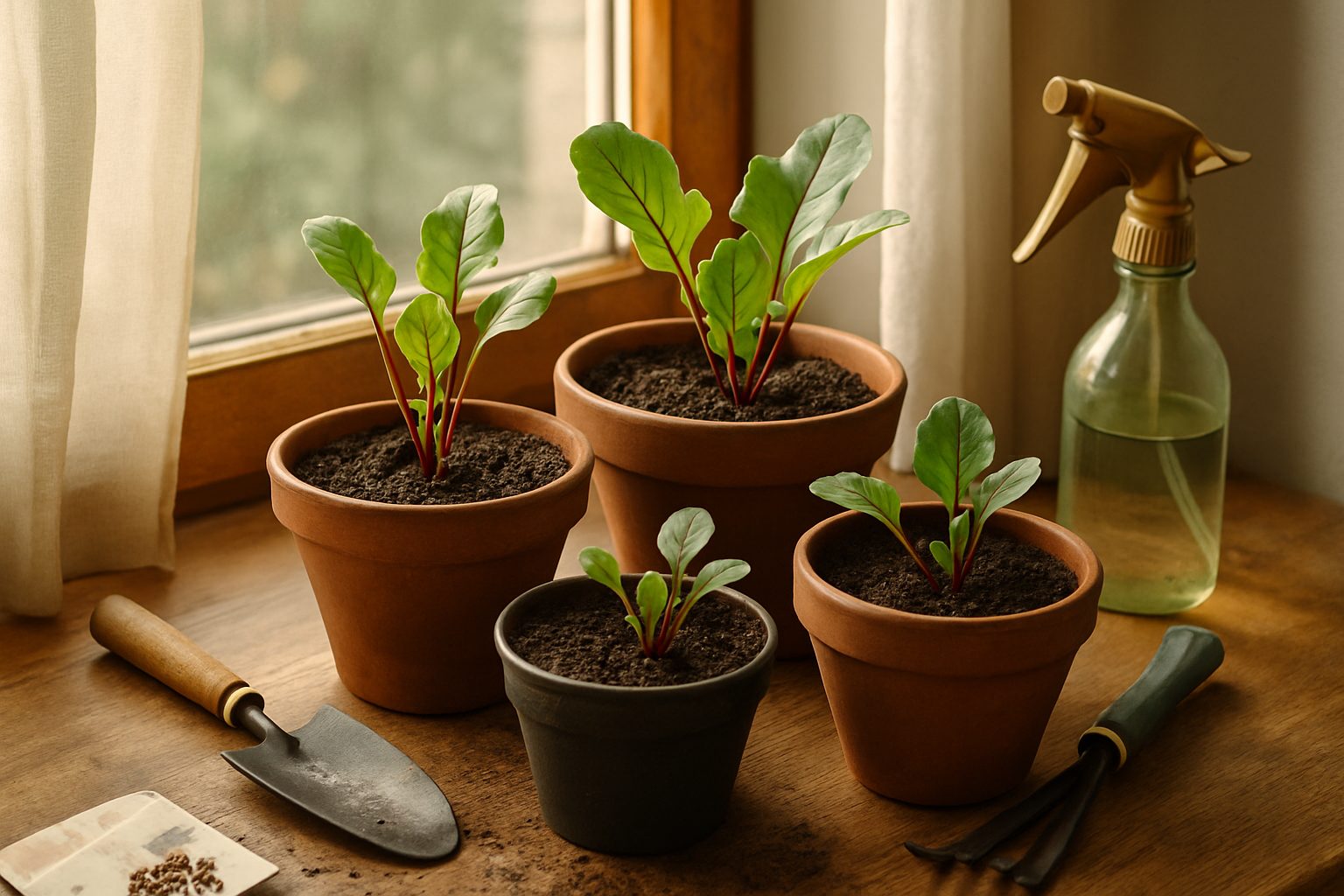
Getting Started with Beetroot
Growing beets indoors is an exciting way to enjoy fresh, flavorful beetroot year-round—even if you don’t have a garden plot. Beetroot is surprisingly easy and rewarding to grow for home gardeners, offering crisp greens and sweet, earthy roots that add vibrant color and nutrition to your meals. Whether you’re limited on outdoor space or simply want more control over your growing environment, growing beets indoors lets you harvest tender, homegrown beets from a windowsill, balcony, or even your kitchen countertop.
Choosing the Right Variety
When you’re just getting started, choosing the right variety is key. Popular beetroot varieties for beginners include:
- Detroit Dark Red—a classic with deep red roots and a fast maturity time of around 60 days;
- Chioggia, with its stunning red-and-white striped flesh that adds visual appeal to salads;
- Golden Detroit, which produces mild, sweet golden beets that won’t bleed color onto your cutting board.
Each variety has distinct colors, flavors, and harvest times, so you might want to experiment with a few to discover your preferences.
Essential Tools and Equipment
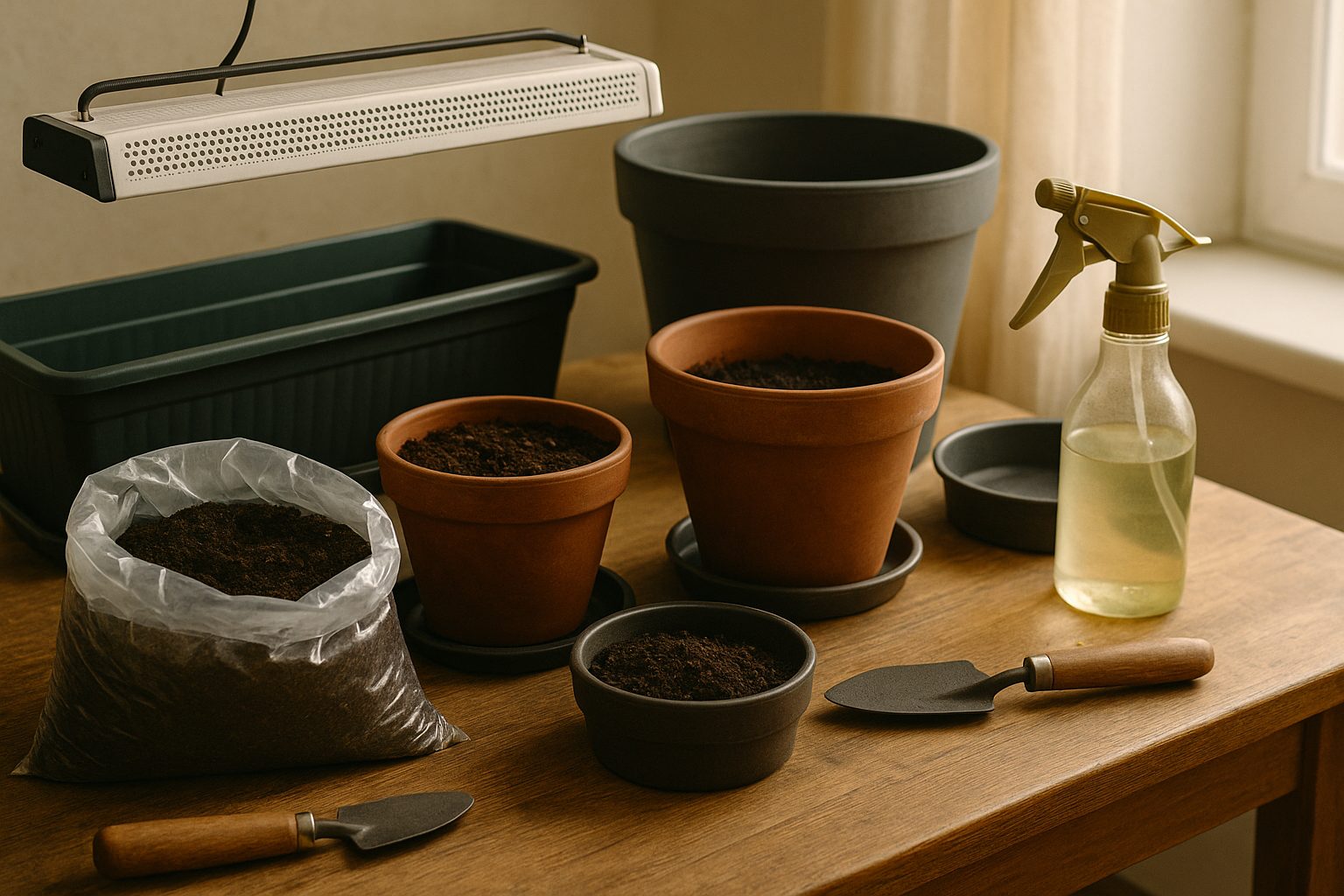
You don’t need a lot of high-tech gear to get started growing beets indoors, but a few essential tools will help ensure success:
- Containers: Choose pots or planters at least 6 inches deep to accommodate beetroot growth.
- Potting Mix: Use high-quality potting mix, preferably one designed for vegetables, to support healthy root development and drainage.
- Grow Lights: These can supplement natural sunlight, especially if your indoor space doesn’t get at least 6 hours of direct sun.
- Hand Trowel: For planting seeds and seedlings.
- Watering Tools: A spray bottle or watering can for gentle watering.
- Trays or Saucers: To catch excess moisture and protect your surfaces.
If you have a bit more space, a raised garden bed or deep window box can work beautifully indoors as well.
Starting Your Beetroot Seeds Indoors
Starting beetroot seeds indoors is simple:
- Sow seeds about half an inch deep in moist soil.
- Space seeds a few inches apart.
- Keep the soil consistently damp—not soggy.
- Thin seedlings as they grow to give each root plenty of room to expand.
With these basics and a bit of patience, you’ll be well on your way to harvesting sweet, homegrown beets from the comfort of your own home.
When and Where to Plant Beetroot
For the best beetroot harvest, timing and placement are key. Beetroot grows well in cool conditions, making early spring or late summer the ideal planting window. In regions with mild winters, you can even sow in the fall for a winter crop. But if you’re in a colder climate, plant seeds two to four weeks before the last expected spring frost—beetroot is quite frost-tolerant!
However, avoid the hottest period of summer, as high temperatures can stunt growth or cause a bitter taste.
As for location, choose a sunny spot that gets at least six hours of sunlight a day. Partial shade is manageable but may slow growth. Beetroot thrives in loose, well-draining soil with a neutral to slightly acidic pH—aim for 6.0 to 7.0. Heavy clay or compacted earth can cause misshapen roots, so prep your soil by digging in organic matter like compost, removing stones, and breaking up clumps.
If you’re short on garden space, you’re in luck: beetroot is perfect for container gardening. Use a pot that’s at least 8 inches deep to give roots plenty of room, and ensure drainage holes are present to prevent sogginess.
Before sowing, rake the soil to a fine, crumbly texture, adding a balanced fertilizer if your soil needs a boost. Avoid over-fertilizing with nitrogen, which can give you lush tops but skinny roots.
Lastly, keep the soil consistently moist but never waterlogged to avoid root rot—a simple layer of mulch can help retain moisture and ward off weeds.
With these conditions in place, you’ll be well on your way to a bumper crop of sweet, vibrant beetroot.
How to Sow and Plant Beetroot Seeds
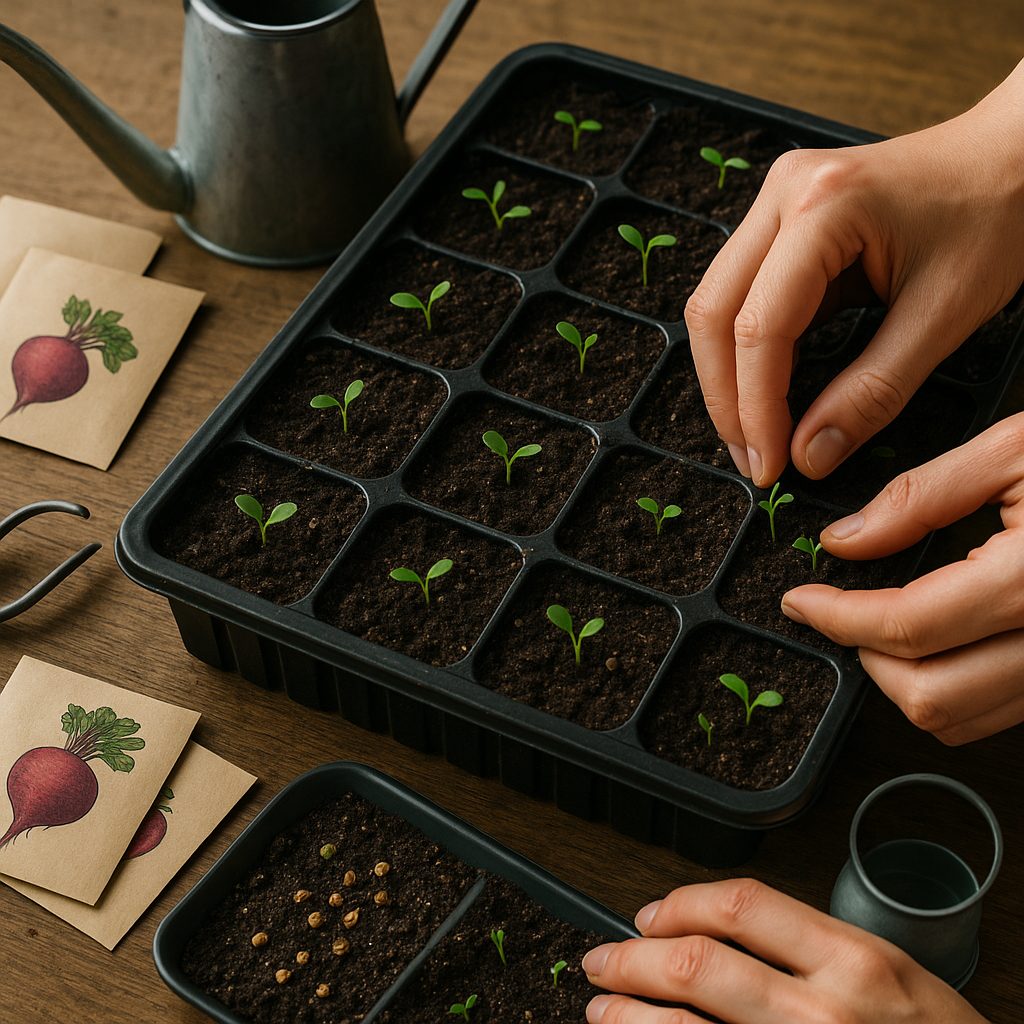
Sowing beetroot seeds successfully gives you fresh, tasty roots right from your own garden. There are two main ways to do it: direct sowing outdoors or starting seeds indoors for transplanting later.
For direct sowing, choose a sunny, well-drained spot after the danger of frost has passed and loosen the soil to at least 8 inches deep. Beetroot seeds are actually clusters, each producing several seedlings, so soak them in water for a few hours before sowing to help with even germination. Plant seeds about ½ inch deep and space them 2 inches apart, with rows at least 12 inches apart to allow room for bulbs to develop. Crowding can result in small or misshapen beets.
If you’re starting seeds indoors, fill seed trays with quality seed-starting mix, plant the seeds ½ inch deep, and keep them moist in a warm spot. When seedlings have two sets of true leaves, gently transplant them outdoors, taking care not to damage the tender roots, and maintain the same spacing as for direct sowing.
Once seedlings reach about 2 inches tall, thin them to 4 inches apart—cutting rather than pulling extra seedlings to avoid disturbing the roots—so remaining plants have room to mature. You can use the thinned greens in salads for bonus nutrition.
Beets usually germinate in 5–14 days, but cool soil or dry conditions can slow things down. If sprouting seems sluggish, make sure the soil stays consistently damp and isn’t compacted. Adding a light mulch can help retain moisture.
If you notice patchy germination, birds or insects could be snacking on the seeds. Consider using a lightweight row cover until plants are established.
With these practical steps, you’ll be set up for a steady supply of sweet, healthy beetroot all season long.
Caring for Growing Beetroot Plants
Caring for growing beetroot plants is all about finding the right balance in your gardening routine to keep your plants healthy and productive. One important aspect is proper watering: beetroots like soil that is consistently moist but not soggy. Overwatering can cause roots to split or rot, while underwatering stunts their growth and makes the roots tough.
To get it just right, water deeply once or twice a week, adjusting for rain, and check soil moisture by poking your finger about an inch below the surface—water if it feels dry. Mulching with straw or shredded leaves helps retain moisture, reduce weeds, and keep the soil temperature steady, all of which are vital for consistent beetroot growth.
Fertilizing and Soil Care
When it comes to fertilizing, feed your beetroots with a balanced, organic fertilizer, ideally one that’s lower in nitrogen to avoid excessive leafy growth at the expense of root development. Mixing in compost or well-rotted manure before planting also gives a gentle, ongoing nutrient boost and promotes good soil structure.
Weed and Pest Management
Keep the area free of weeds, as they compete with beets for nutrients and water—hand-pulling or using a hoe is usually enough. If you’re gardening in a hot climate, provide shade with a light covering during peak heat to prevent stress and bolting. On colder nights, row covers can offer protection and extend your growing season.
Be alert for common pests like aphids, leaf miners, and flea beetles; friendly predators like ladybugs can help control populations, or try spraying leaves with a mild, homemade soap solution for small outbreaks.
Disease Prevention and Control
Practice crop rotation and remove plant debris to minimize fungal diseases such as powdery mildew or leaf spot—both of which thrive in wet, crowded conditions. If disease appears, trim affected leaves and try neem oil for a safer alternative to chemical fungicides.
Thoughtful care, a little observation, and prompt action can go a long way to ensuring your beetroot crop stays healthy and tasty all season.
How and When to Harvest Beetroot
Knowing when to harvest beetroot is key to getting tender, flavorful roots. Most beet varieties are ready for harvest 50 to 70 days after sowing, but size offers the best clue—look for roots about the size of a golf ball to a tennis ball (roughly 1.5 to 3 inches in diameter). If you let them get much larger, they can turn woody or tough.
Check the tops, too: beet leaves will be lush and healthy-looking, sometimes bulging a bit as the root pushes out of the soil. For the best taste, harvest beetroots when they’re still young and smooth-skinned.
To harvest, gently loosen the soil around the beets with a garden fork or trowel, being careful not to pierce the root. Grasp the leafy stems close to the base and pull upward while wiggling the beet free—avoid twisting or yanking, which can cause bruising.
If you’d like to use the beet greens, snip off the outer leaves from each plant when they’re 4–6 inches tall, leaving the inner leaves to continue feeding the root. Beet greens are nutritious and tasty sautéed or added to salads.
Common Issues When Harvesting Beets
One common problem when harvesting beets is finding roots that are woody. This usually happens if they were left in the ground too long or exposed to high temperatures. To avoid this, pick them promptly and provide consistent watering to keep growth even.
Bolting—when plants flower prematurely—can also lead to poor root development. Planting beets in early spring or late summer, when soil is cooler, helps prevent this.
Monitor your crop regularly and harvest in small batches for the freshest roots and greens throughout the season. By paying close attention to timing and gentle handling, you’ll enjoy both tender beetroots and flavorful greens without the disappointment of tough or damaged crops.
Storing and Using Your Beetroot Harvest
Proper storage is key to enjoying your beetroot harvest long after digging them up, and it starts with handling both the roots and greens with care. For beetroots, gently brush off the soil—don’t wash them until you’re ready to use them—to prevent excess moisture and rot. Trim the greens, leaving an inch of stem, and store the roots in a breathable bag or box filled with damp sand or sawdust in a cool, dark root cellar for up to several months.
If you’re working with limited space, the refrigerator also works: place unwashed roots in a perforated plastic bag in your vegetable drawer, where they’ll keep for up to three weeks. The greens are highly perishable, so rinse them, pat dry, and store wrapped in paper towels inside a plastic bag for up to five days in the fridge. To extend their shelf life, you can blanch and freeze the greens.
Beetroot’s earthy sweetness shines in simple preparations—slice them raw for crunchy salads, toss chunks with olive oil and roast at 400°F for caramelized edges, or simmer sliced beets in vinegar, sugar, and spices for homemade pickles. For a nutrient boost, juice beets with carrots, oranges, or apples.
Beet greens are excellent sautéed with garlic as a side dish, thrown into stir-fries, or added to egg scrambles for a pop of color and flavor. Both root and greens are nutritional powerhouses—beetroot is packed with fiber, vitamin C, folate, and heart-friendly nitrates, while the greens are rich in vitamins A and K, iron, and calcium.
To work beets and greens into your daily meals, try adding roasted beets to grain bowls or sandwiches, or stir chopped greens into soups and pasta sauces.
For a healthier garden and bumper crops next season, rotate your beet patch to new soil each year, plant in well-drained beds, and keep the area free from weeds that compete for nutrients. Don’t be afraid to experiment: try different beet varieties like golden or striped Chioggia for fun colors and flavors, or test succession planting for continuous harvests all season long.
With a little care in storing and using your beetroots, you’ll get the most from every harvest—deliciously and nutritiously.