Introduction to Beetroot
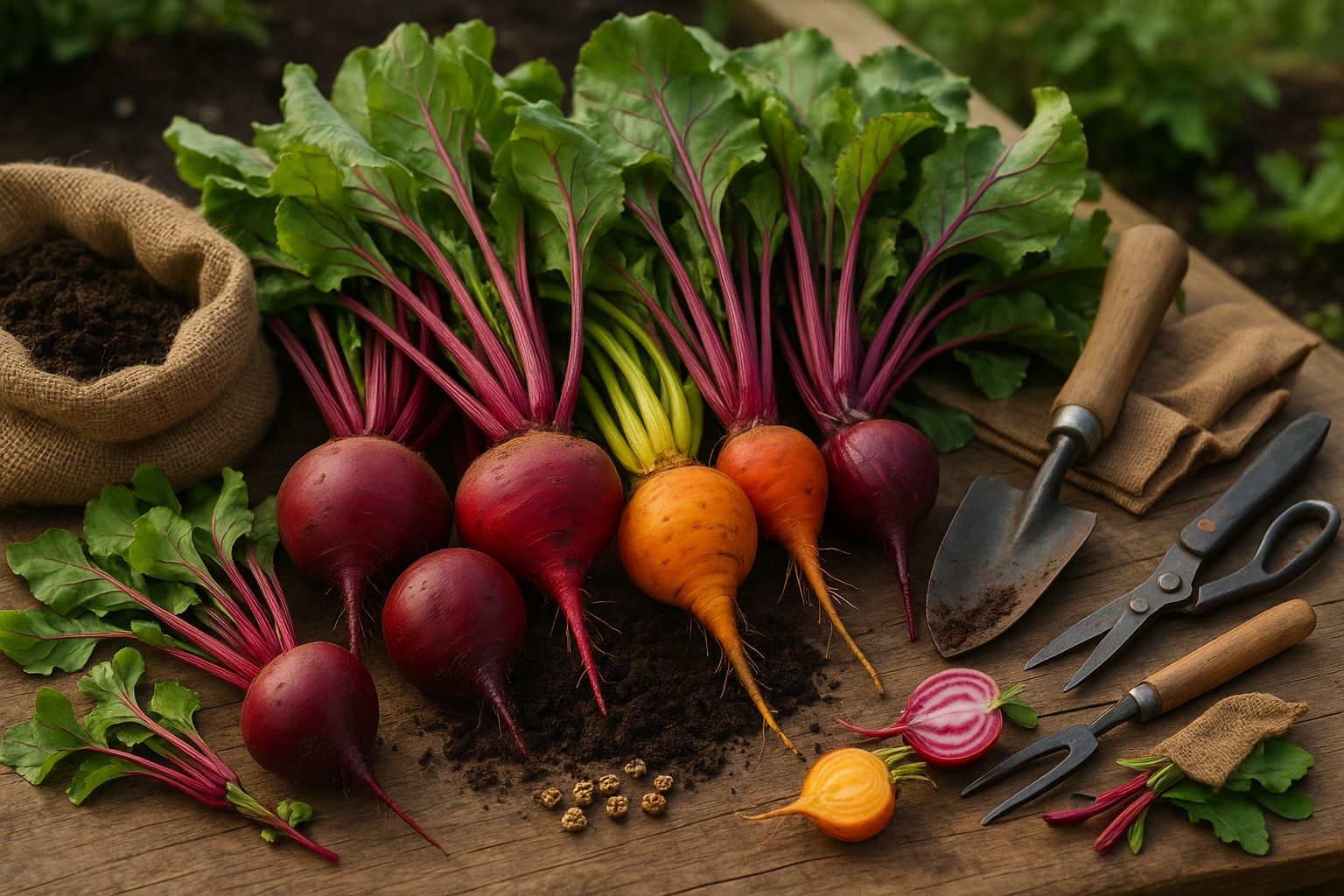
Transplanting beets may sound unconventional to some, but understanding the basics of beetroot can help you decide if this gardening method will work for you. Beetroot, known scientifically as Beta vulgaris, is a versatile root vegetable cherished for both its earthy, sweet-flavored roots and its lush, nutritious greens. Whether you’re growing classic varieties like ‘Detroit Dark Red’ and ‘Chioggia’ with its striking candy-striped rings, or golden beets that brighten up any dish, there’s a type to suit every palate and purpose in the kitchen.
But beets are more than just a treat for the eyes and taste buds—they’re a powerhouse of nutrition. A single serving delivers notable amounts of fiber, vitamin C, iron, magnesium, and folate. The roots are particularly admired for their natural nitrates, which have been shown to help regulate blood pressure and boost stamina. Don’t overlook the greens, either! beet leaves are edible and loaded with vitamins A and K, calcium, and antioxidants—making them a fantastic addition to salads or sautés.
Beetroot’s appeal doesn’t stop with its flavor or nutritional value. Home gardeners love beets because they’re fast-growing and adaptable, thriving in both spring and fall gardens. They tolerate a range of soil conditions, require modest space, and are generally low-maintenance once established. Plus, beets allow for continuous harvest, as you can enjoy the leaves before lifting the mature roots. For anyone seeking a crop that rewards you at every stage—from young greens to robust roots—beetroot stands out as a satisfying and practical choice. If you’re exploring ways like transplanting beets to make your gardening more efficient or to get an early start, you’ll find that beets are forgiving and rewarding, even if you’re just beginning your gardening journey.
The Ideal Conditions: Choosing Where and When to Grow Beets
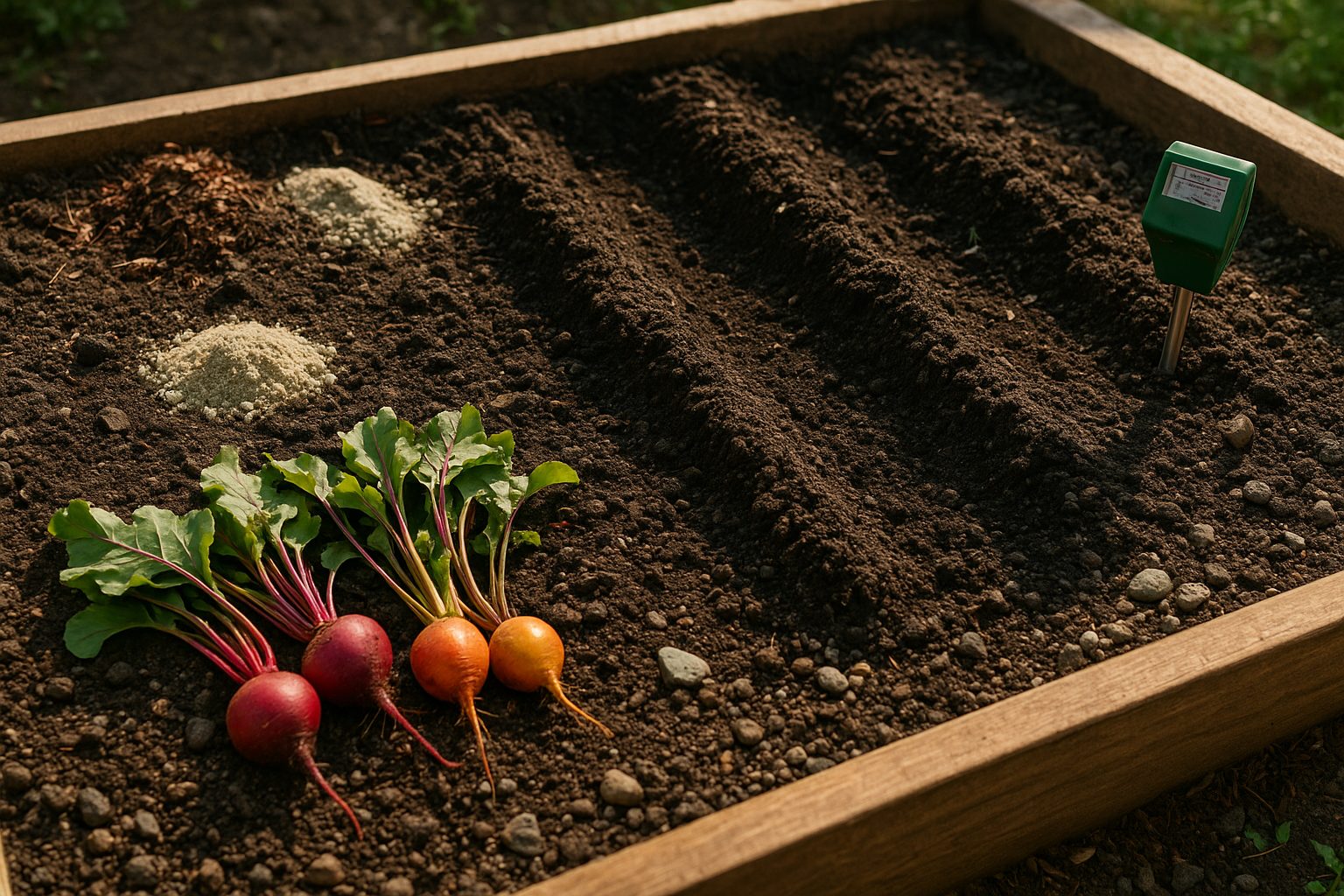
Beets thrive in cool weather, making them perfect for early spring or late summer planting in most home gardens. Ideally, sow beet seeds when soil temperatures reach 50–75°F (10–24°C), as extreme heat can hinder germination and produce tough, woody roots.
Beets need six hours of sunlight daily, but partial shade can help in warmer climates to prevent bolting. For soil, aim for loose, well-drained earth with a pH between 6.0 and 7.5—slightly acidic to neutral is best.
Heavy clay soils or those prone to waterlogging can cause misshapen roots, so consider raising your garden beds and mixing in compost or sand to improve texture and drainage. Prior to planting, remove rocks and debris, and work in a balanced, all-purpose fertilizer or compost to support strong root and leaf growth.
Rotate your beet crop every year to prevent a buildup of pests and diseases; avoid planting beets in the same spot as other root crops like carrots or potatoes. By planning your beet patch with these tips, you’ll enjoy sweeter, healthier harvests season after season.
Sowing Beet Seeds: Direct Seeding & Transplanting Tips
Sowing beet seeds is simple once you understand a few basics. For direct seeding outdoors, wait until soil temperatures are consistently above 40°F (4°C) in early spring or late summer for a fall crop. Loosen your garden bed and create shallow trenches about half an inch deep. Space rows about 12–18 inches apart.
Drop beet “seeds”—which are actually clusters containing multiple seeds—about 1 to 2 inches apart in the row. Cover lightly with soil, water gently, and keep the surface moist until seedlings sprout, usually within 7–14 days. Once seedlings are 2–3 inches tall, thin them to 3–4 inches apart; this gives each beet room to grow into a round, full root.
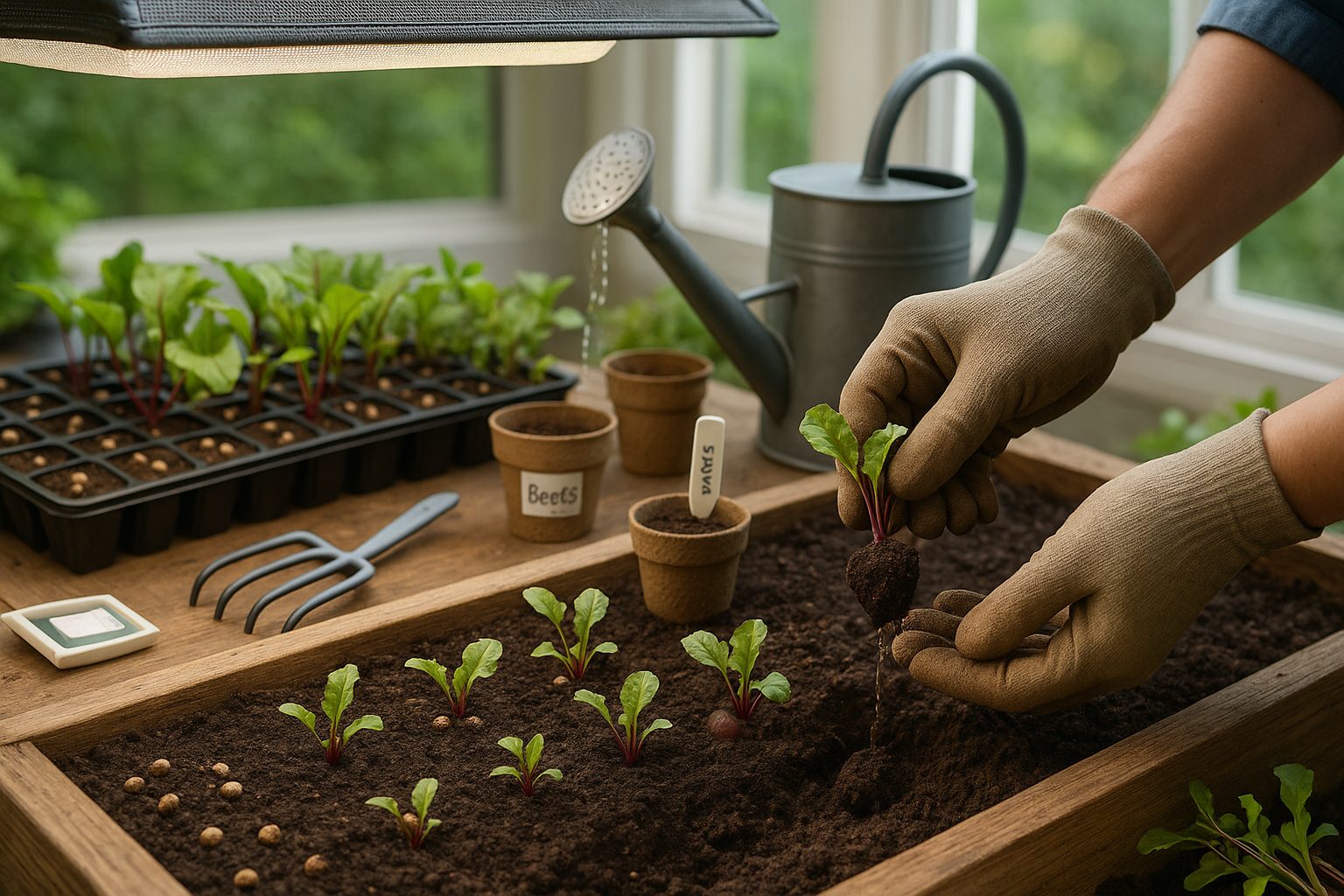
If you have a short season or heavy soil, consider starting seeds indoors about four weeks before your last frost. Use biodegradable pots or cell trays filled with seed-starting mix. Place one seed cluster per cell, barely covering with soil, and keep them under lights or on a sunny windowsill. Harden off by gradually acclimating seedlings to outdoor conditions over several days before transplanting.
Transplant when plants are 2–3 inches tall and have developed several true leaves. Try not to disturb the roots—a common reason for beet transplants failing—so plant the entire plug at the same depth as they grew indoors.
Choosing the Right Variety
Choosing the right variety can make a big difference:
- Look for fast-growing options like Early Wonder for quick crops.
- Try specialty types like Chioggia for fun colors.
Seed packets tell you days to maturity, ideal timing, and any variety quirks, so be sure to read them carefully.
Planning Your Planting
For household needs, sowing a 10- to 15-foot row usually yields enough beets for a family of four. Seed rates average about 1 ounce per 50 feet of row; plan to reseed every 2–3 weeks for a steady harvest.
Don’t worry if you’re new—beets are forgiving. Once you see those rosy globes poking up, you’ll be hooked!
Caring for Your Beets: Watering, Fertilizing & General Maintenance
Beets thrive when their care routine stays consistent, especially with watering. Aim for evenly moist soil—about one inch of water per week—so the roots don’t become tough, woody, or cracked. An easy way to check is to stick your finger into the soil; if the top inch feels dry, it’s time to water. Using a drip system or gentle soaker hose helps avoid splashy overhead watering, which can encourage disease.
When it comes to fertilizing, beets respond well to organic amendments. Mixing well-rotted compost or a balanced organic fertilizer (like a 5-5-5 formula) into the soil before planting sets your crop up for success. Follow up with a side-dressing of compost or worm castings about a month later. Since beets absorb nutrients as they grow, avoid high-nitrogen fertilizers that promote leaf growth at the expense of the roots.
Once seedlings reach a few inches tall, thin them so each plant is about 3-4 inches apart. This gives roots room to expand and prevents overcrowding, a common mistake that leads to tangled, undersized beets. Stay on top of weeds early, since they steal moisture and nutrients—hand-pulling works best around delicate seedlings. Adding a layer of straw mulch helps keep soil moisture consistent, discourages weeds, and insulates roots from temperature swings.
Remember, overwatering is just as problematic as underwatering, often causing rot or split roots. Always check the soil before reaching for the hose. Watch for yellowing leaves or stunted growth, which could signal nutrient imbalances, and adjust your feeding routine as needed. By staying attentive to watering, feeding, and spacing, you’ll avoid common pitfalls and enjoy sweet, tender roots come harvest time.
Troubleshooting: Pests, Diseases, and Environmental Hazards
Beets may seem hardy, but they’re surprisingly susceptible to a range of garden headaches. Common pests like birds and beet leaf miners can quickly undo your best efforts—birds often pluck emerging seedlings, while beet leaf miners leave winding, translucent trails on leaves.
To keep birds at bay, use lightweight row covers or garden netting, and remove them once plants are established. For leaf miners, inspect foliage for eggs (tiny white clusters) and squash them on sight. Trimming off and disposing of affected leaves also helps limit infestations, so make a habit of regular checks.
Diseases often sneak up too, with Cercospora leaf spot and downy mildew being the main culprits. Cercospora starts as small, brownish-purple spots with tan centers, while downy mildew produces yellow patches on upper leaves and a fuzzy gray film below.
To prevent disease:
- Water early in the day to let leaves dry
- Space beets well for good airflow
- Rotate crops every year
If you spot problems, remove and dispose of infected plant material—never compost it, or the disease might spread. For organic control, try neem oil sprays or homemade garlic oil solutions, applying directly to leaves every week as a deterrent.
Beets also face non-pest problems like bolting and root deformities. Bolting—when beets send up a flowering stem—happens if temperatures suddenly spike or drop, especially in young plants. Prevent this by planting at the recommended time for your region and keeping soil moist during hot spells.
Root deformities, such as forked or stunted beets, usually result from compacted or rocky soil. Before sowing, loosen soil deeply and clear stones, mixing in plenty of compost for a friable bed. Avoid using too much fresh manure, as excess nitrogen can cause beets to grow lots of leaves but poorly formed roots.
Staying proactive and observant lets you spot small issues before they become big ones, ensuring your beet crop thrives without chemical interventions.
Harvesting and Storing Beets for Best Flavor
Knowing when to harvest beets is key for the best flavor and texture. Beets are usually ready to pick when their roots reach about 1.5 to 3 inches in diameter—roughly the size of a golf ball to a tennis ball. If you wait too long, they may become woody or tough. To check, gently brush away some soil and inspect the beet’s size and color. Avoid pulling too early, as tiny beets can be underdeveloped and bland.
When you’re ready, grasp the base of the greens close to where they meet the root and gently twist or pull upward. Alternatively, use a garden fork to carefully lift the beet from the soil, loosening the earth first to avoid snapping the fragile root. Try to avoid bruising or cutting the beet, as damaged spots can lead to early spoilage.
If you also want to harvest beet greens, you can do so when the leaves are fresh and young—about 4 to 6 inches tall. Use a pair of clean scissors to snip one or two outer leaves from each plant at a time, which lets the beet continue developing without stress.
Storage Tips
For best storage, gently clean any remaining soil but don’t wash the beets until just before use, as excess moisture can cause rot. Trim the beet greens to about an inch above the root (save the greens for salads or sautéing), then store the roots in a perforated plastic bag or container in the crisper drawer of your refrigerator. Beets stored this way can maintain their flavor and texture for up to three months.
If you have a cool, humid root cellar, fresh, unwashed beets packed in sand or sawdust can last all winter, letting you enjoy sweet, earthy beets well after harvest season.
Beyond the Harvest: Cooking, Using, and Re-Growing Beets
Beets are incredibly versatile in the kitchen, and both the vibrant roots and leafy greens deserve a place in your meals. For a quick and flavorful side, toss beet roots in olive oil, salt, and pepper, then roast them at 400°F for about 30 minutes—this brings out their natural sweetness.
If you want a tangy twist, try quick-pickling sliced beets in vinegar, sugar, and your favorite spices. Keep a jar in the fridge to add color and zip to salads or sandwiches.
Don’t overlook beet greens—sauté them with garlic and a splash of lemon for a simple, nutritious dish, or chop them raw into salads for a boost of flavor and vitamins. You can even blend beet greens into smoothies for an earthy, nutrient-rich kick.
Beyond the plate, beets are easy to re-grow at home. Place the trimmed beet tops (about an inch of root attached) in a shallow dish with enough water to cover the root base; set them on a sunny windowsill and watch new greens sprout in about a week. For a fuller plant, transplant the sprouted tops into soil where they’ll continue growing leaves.
Connecting gardening with your cooking routine can be especially rewarding—try out new beet-based recipes, preserve extra harvest by canning or freezing, and let a handful of plants bolt for seed saving. These simple steps create a full-circle experience, from planting to plate and back again, making your kitchen and garden a little more sustainable and delicious.