Introduction
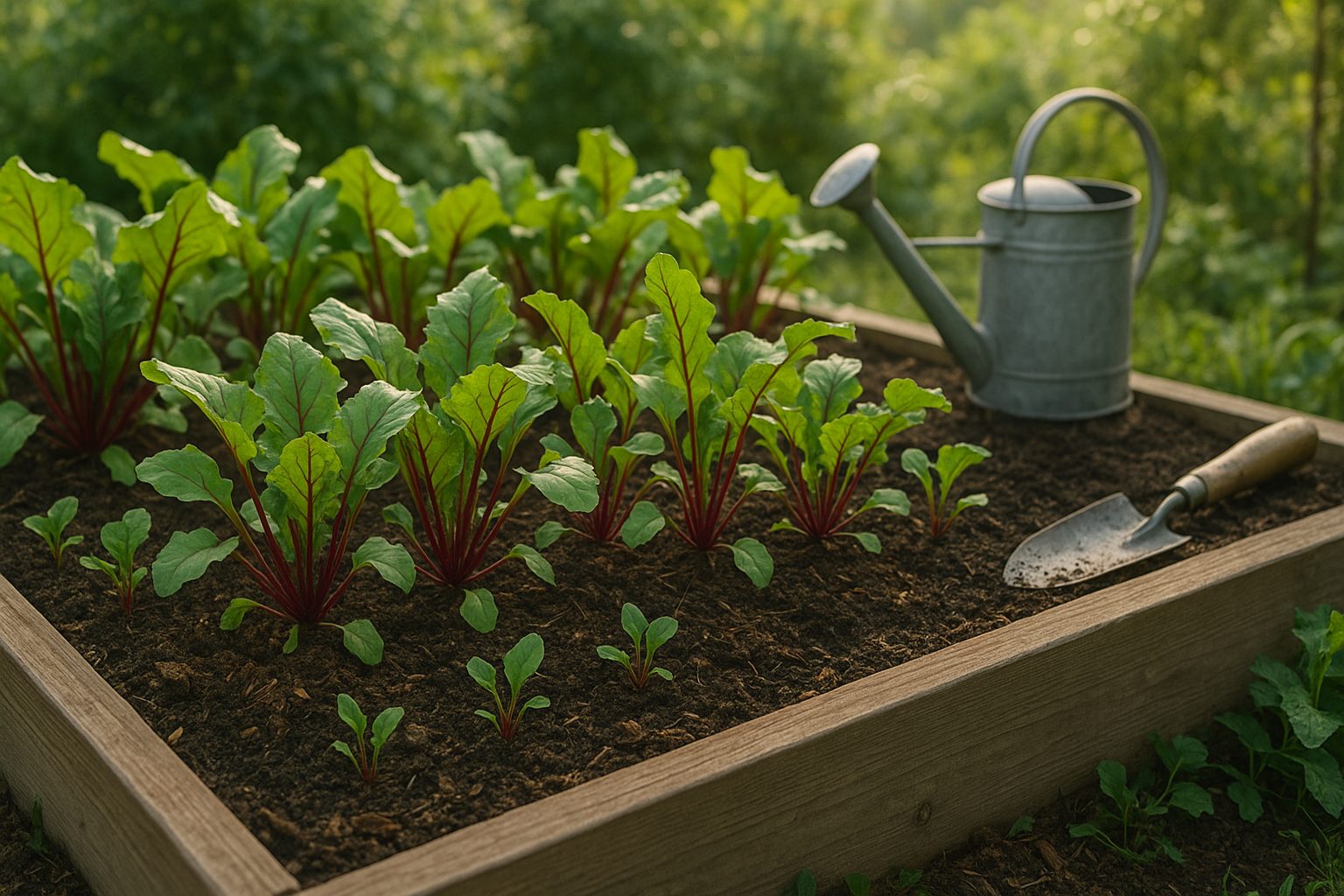
Growing beets in raised beds is a rewarding experience for both new and seasoned gardeners. Beets are a versatile, nutrient-rich root vegetable packed with vitamins, minerals, and antioxidants, making them an excellent addition to any home garden. Raising beets at home offers several benefits: it’s surprisingly simple, doesn’t require a lot of space, and is perfect for beginners who want quick and satisfying results.
Raised beds provide improved soil drainage, fewer weeds, and make it easier to control growing conditions, giving you a better chance at a healthy crop. In this guide, we’ll walk you through each step of the process—from planting beet seeds at the right depth to properly watering, thinning, and caring for your plants. We’ll also cover how and when to harvest your beets for the best flavor, along with practical tips for storing your bounty so you can enjoy homegrown beets well after harvest season.
Choosing the Right Location and Soil
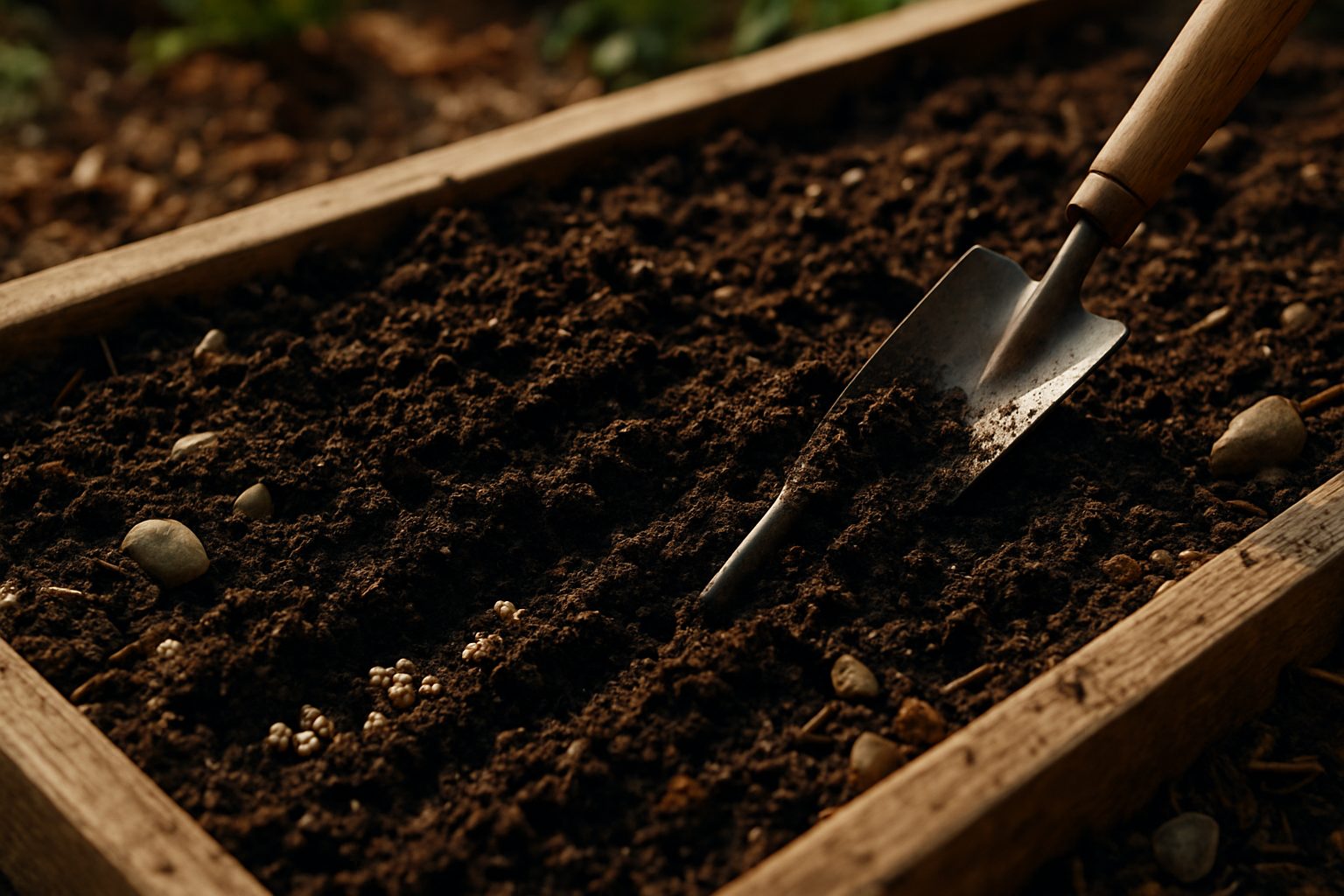
When it comes to growing healthy, vibrant beets, location and soil quality are crucial. Beets need at least six hours of direct sunlight each day, so choose a spot in your yard that gets plenty of morning and afternoon sun. Without adequate sunlight, beet plants will be small, and their roots will struggle to develop.
Equally important is the soil—beets thrive best in loose, well-drained, and fertile earth. Compacted or clay-heavy soils can stunt growth and cause misshapen roots. Before planting, take time to prepare your soil: mix in plenty of compost or well-rotted organic matter to boost fertility and improve texture. This not only adds essential nutrients but also ensures better moisture retention and drainage.
If space is tight or your garden soil is poor, consider using raised beds or even large containers. Raised beds warm up quickly in spring and make it easy to control soil quality, while containers let you grow beets on patios or balconies. Just make sure your container is at least 8–10 inches deep to allow room for beet roots to develop.
By ensuring the right sunlight and soil conditions from the beginning, you’ll be setting your beet crop up for success and a delicious harvest.
When and How to Plant Beet Seeds
Beets are cool-weather crops, so the best times to plant beet seeds are in early spring, as soon as the soil can be worked, and again in late summer or early fall for a fall harvest—especially if you live in regions with mild winters.
Direct sowing beet seeds is straightforward:
- Choose a sunny location with well-drained soil.
- Plant seeds about half an inch deep and one to two inches apart in rows spaced around 12 inches apart.
Since beet “seeds” are actually clumps containing multiple seeds, you’ll often see more than one seedling sprouting in each spot. Thin these to roughly three to four inches apart so roots have room to grow.
To speed up germination, consider soaking beet seeds in water for a few hours before planting; this helps soften their tough outer coating.
Choosing Beet Varieties
Think about your taste preferences and your climate when selecting varieties:
- Classic red beets like ‘Detroit Dark Red’ are reliable for most gardens.
- Golden or striped varieties like ‘Golden Detroit’ or ‘Chioggia’ add color and sweetness.
- In warmer climates, look for heat-tolerant types and aim for a fall crop.
- In cooler northern areas, early spring and late summer plantings work well.
By timing your planting and spacing seeds properly, you’ll set up your beets for the best possible growth and flavor.
Caring for Growing Beets
Consistent watering is key to healthy beet growth, as beets dislike dry or soggy soil. Aim to water deeply once or twice a week, ensuring the moisture reaches several inches into the ground rather than just wetting the surface. Shallow watering can lead to tough roots, so check by poking a finger into the soil to confirm it’s moist below the top layer.
Mulching is another easy way to keep your beets thriving—spread a thin layer of straw, shredded leaves, or grass clippings around the plants. This helps the soil retain moisture, reducing how often you need to water, and suppresses weeds that compete for nutrients and sunlight.
Once your beet seedlings are about two inches tall, thin them so the strongest plants are spaced three to four inches apart. Gently snip the extra seedlings at the soil line with scissors to avoid disturbing the roots—this gives each beet enough room to grow into a plump, tasty root.
Watch out for common pests such as leaf miners and aphids, which can damage leaves; a gentle spray with water or insecticidal soap usually keeps them at bay. To prevent fungal diseases, always water at the base of plants in the morning, not overhead, and give your beets good air circulation by not crowding them. Regularly walking your beet patch and removing damaged leaves also helps stop problems before they spread.
With these simple care steps, your beets will reward you with a bountiful, delicious harvest.
Harvesting and Storing Beets
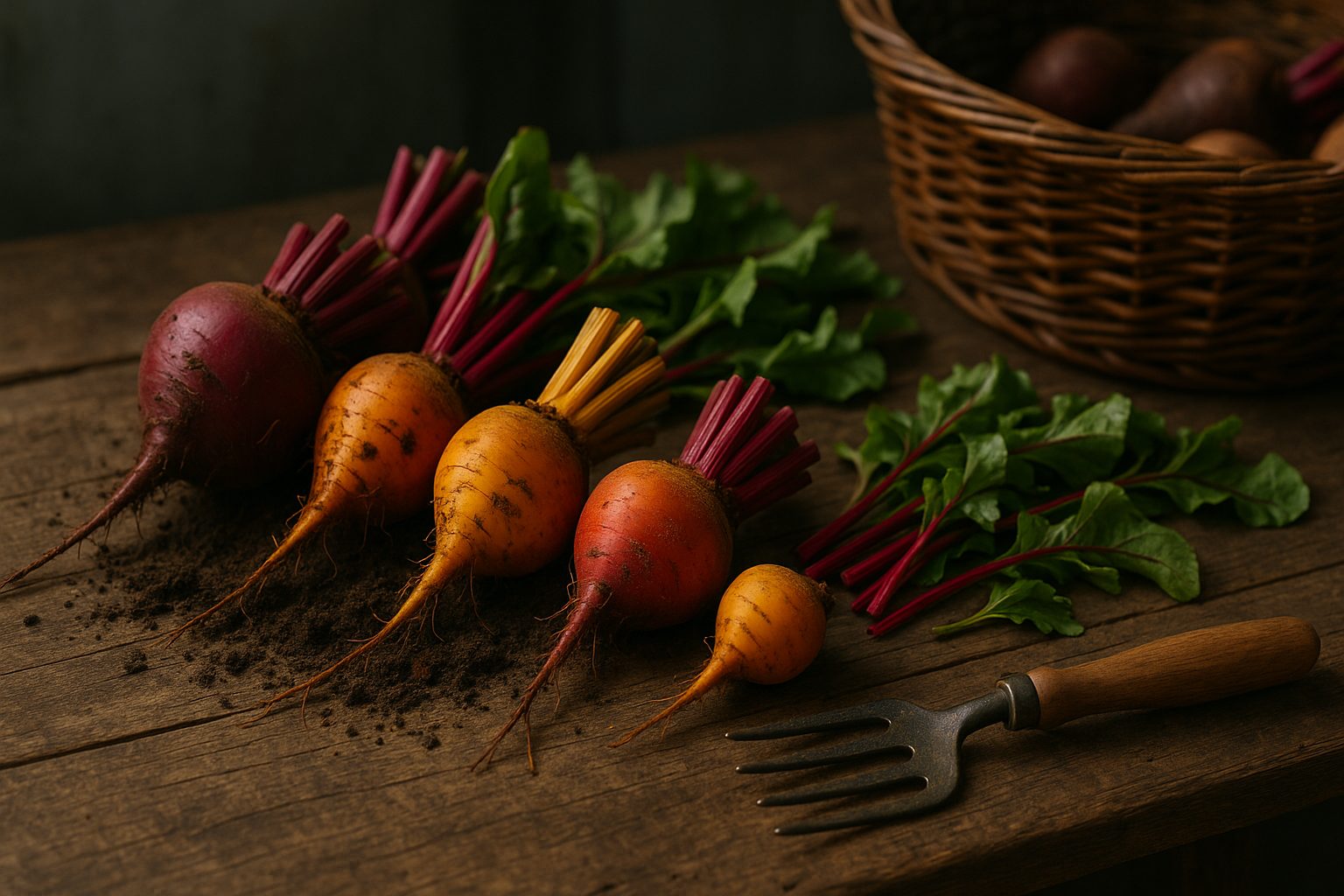
To know when your beets are ready to harvest, look for roots that are about 1.5 to 3 inches in diameter with a deep, vibrant color. Be careful not to let them grow too large, as they can become woody and less sweet. Most beet varieties mature in 50–70 days, so check your seed packet for specific timing.
When you’re ready to harvest, loosen the soil with a garden fork or gently pull the beets by their stems while holding the base of the foliage to avoid breaking the root. Shake off any excess soil, then trim the greens to about one inch above the root—this helps prevent bleeding and keeps the root firm.
For storage, do not wash the roots if you plan to store them long-term. Keep them dry in a cool, dark place like a root cellar or in the crisper drawer of your fridge inside a perforated plastic bag. Stored this way, they’ll last several weeks. For shorter storage, you can wash and pat them dry before refrigerating.
Beet greens are just as valuable as the roots. Store them separately, wrapped in a damp paper towel inside a sealed bag, and use within a few days. Try sautéing beet greens with garlic and olive oil, adding them to soups, or blending them into smoothies for a nutrient boost. This way, you get the most out of your harvest and reduce kitchen waste.
Cooking, Preserving, and Enjoying Beets
Beets are incredibly versatile in the kitchen, with several easy ways to prepare them. Roasting brings out their natural sweetness, while boiling is perfect for quick salads or soups.
Canning and pickling preserve beets for later use, letting you enjoy their bold color and earthy flavor year-round. Try classic pickled beets for a tangy addition to sandwiches or salads.
Don’t throw away the beet greens! These leafy tops are not only edible but delicious sautéed with garlic, tossed into pastas, or added to frittatas and stir-fries.
The ruby-red beet roots work well diced into salads, blended into smoothies for a vibrant color boost, or pureed into creamy dips like beet hummus.
Besides their unique taste, beets are nutritional powerhouses—high in dietary fiber, folate, and vitamin C, plus natural nitrates that may help support heart health and stamina. Regularly incorporating both the roots and greens can help improve digestion, reduce inflammation, and provide a colorful, nutrient-rich boost to everyday meals.
Beet Growing Tips and Troubleshooting
Beet seeds can be a bit finicky, so if you’re seeing poor germination, try soaking the seeds in water overnight before planting—they’ll absorb moisture faster and sprout more reliably.
If you’re frustrated by forked or misshapen roots, it often means your soil is too rocky or compacted. Take time to loosen the soil and remove stones before sowing.
Bolting (when beets go to seed early) is usually triggered by sudden temperature swings. To avoid this, plant early in spring or late in summer for more stable growth, and choose bolt-resistant varieties whenever possible.
For bigger, healthier harvests, plant beets near companions like onions or bush beans. Also, avoid growing them in the same spot as last year to prevent disease buildup—crop rotation works wonders.
Finally, don’t be afraid to experiment with different beet varieties and stagger your planting dates. This not only extends your harvest but also helps you discover what works best in your own garden.