Introduction
If you’ve ever lost a crop to early flowering, knowing the right beet bolting fix can save your harvest and your hard work. Bolting happens when beets prematurely send up flower stalks instead of putting energy into developing those sweet, round roots we love. For beets, bolting is a response to stress—often caused by sudden temperature changes, drought, or planting at the wrong time. When beets bolt, the roots become tough, woody, and bitter, making them far less appetizing and reducing their market or kitchen value.
Key culprits behind bolting in beets include planting too early in cool spring soils, unseasonal hot spells, inconsistent watering, or even choosing the wrong beet variety for your climate. Beets can start to flower when temperatures fluctuate dramatically, signaling to the plant that it’s time to reproduce, not grow.
Preventing this process is crucial for a successful beet harvest. By stopping bolting, you’ll ensure your beets stay tender, sweet, and flavorful—perfect for roasting or salads. With a few simple growing strategies, like timing your plantings and keeping the soil evenly moist, you can avoid the disappointment of tough, unusable roots and enjoy a bumper crop of perfect beets.
What Is Bolting in Beets?
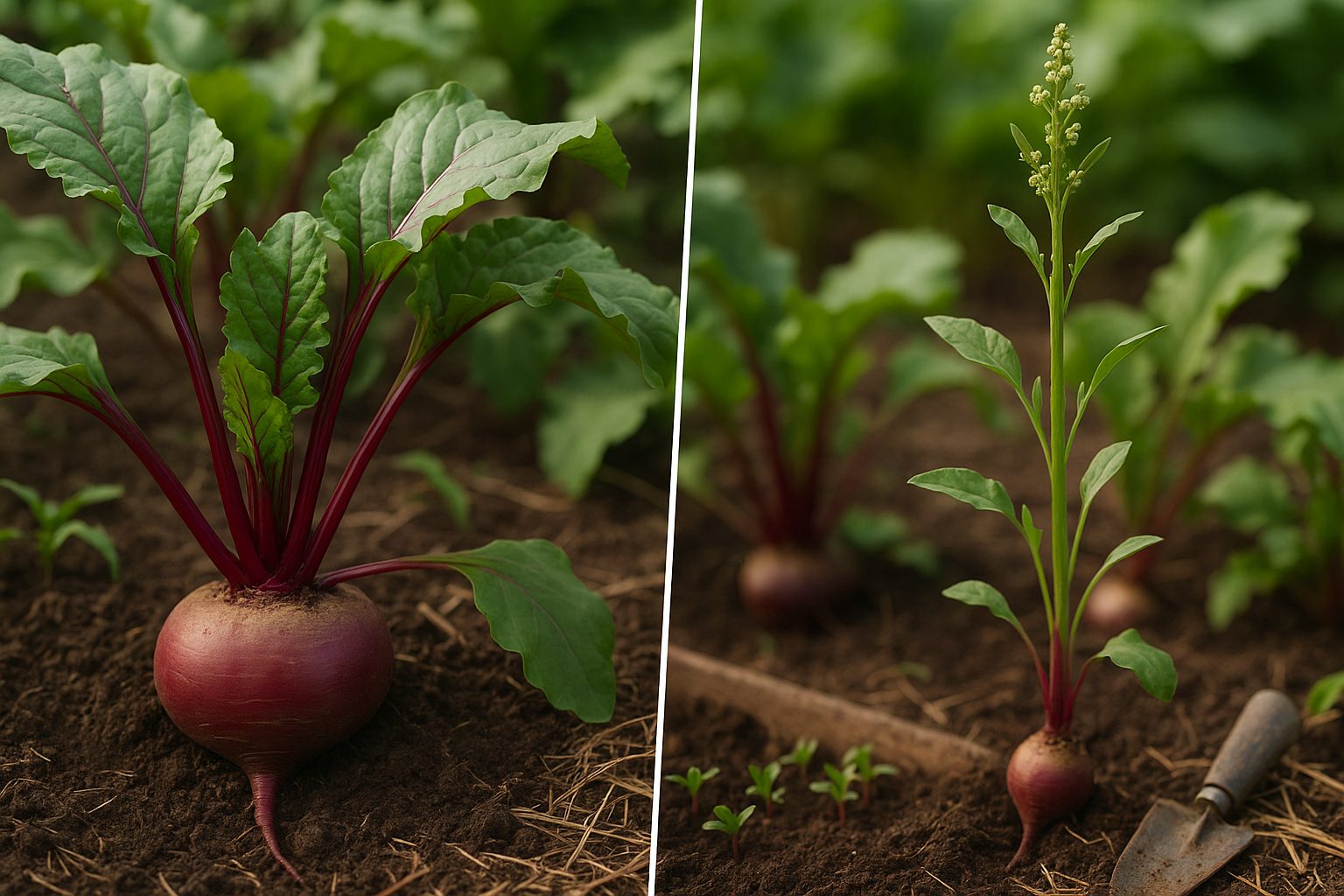
Bolting in beets happens when the plant prematurely shifts from growing its edible root and leaves to producing flowers and seeds. This usually occurs in response to stress triggers like temperature swings or long daylight hours. Instead of focusing energy on developing a thick, juicy root—the part we typically eat—the beet’s central stem elongates rapidly and sends up a tall flower stalk, often topped with a sudden burst of small, clustered greenish flowers.
You’ll notice the leaves become tougher, narrower, and may look more upright or twisted, while a vertical stalk appears where the rosette of leaves once sat. This physical transformation is the clearest sign that a beet plant is bolting.
As a result, the beet root stops growing and can even shrink, becoming woody, fibrous, and unpleasantly bitter—definitely not ideal for cooking or salads. Leaf quality drops too: what was once tender and mild becomes chewy, coarse, and strongly flavored. Gardeners often find that once a beet starts bolting, there’s no turning back—the plant’s energy has switched to reproduction, making roots and leaves less useful in the kitchen.
To avoid bolting, try planting bolt-resistant beet varieties and keep an eye on planting times. Avoid sowing seeds too early in spring or too late in summer when unpredictable weather can stress your plants into bolting before harvest.
Why Do Beets Bolt? Major Causes
Beets bolt when environmental signals tell them it’s time to focus on reproduction rather than producing tasty roots. One major trigger is a sudden shift in temperature, especially when young beet plants experience an unexpected cold spell followed by warm weather. This can trick them into thinking they’ve survived winter and push them to flower early.
Day length also plays a part—longer days often signal to the plant that summer is here, which can hasten the switch from leafy growth to sending up a flower stalk. Outside factors like stress make things worse: drought or irregular watering stresses the plant, and overcrowded plantings can compete for light and nutrients, nudging beets toward early bolting.
planting timing is key—sow seeds after the risk of frost and avoid heat spikes to reduce premature flowering. Choosing bolt-resistant beet varieties can help if you’re gardening in areas with unpredictable weather.
Remember, bolting isn’t a fluke; it’s a survival strategy. When beets “bolt,” they shift their energy to produce seeds before tough conditions hit, ensuring the species lives on. While this process is great for the plant, it means smaller, woodier roots for gardeners.
By understanding these triggers and planning your planting accordingly, you can keep your beets focused on making sweet, plump roots rather than hurrying to flower.
How to Prevent Beets from Bolting
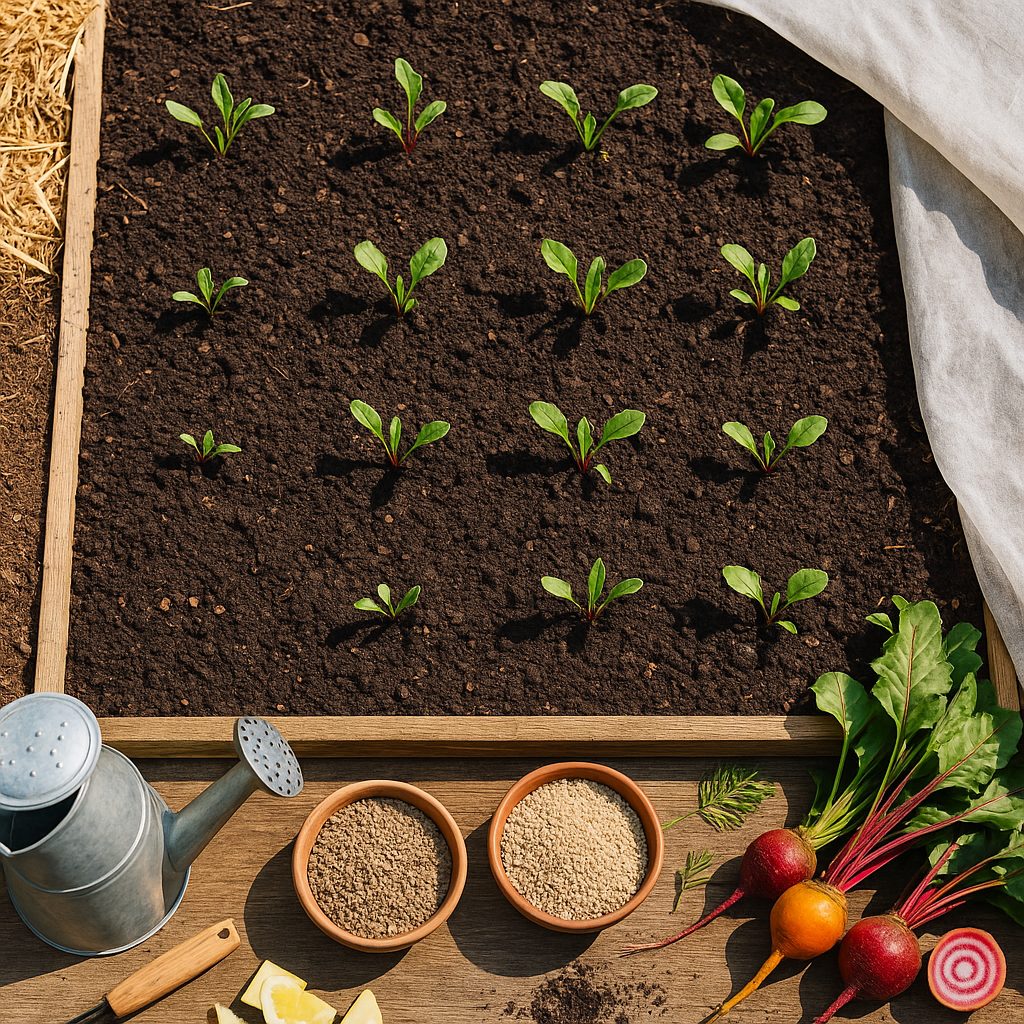
Preventing beets from bolting—when they prematurely send up flower stalks and stop producing tender roots—starts with a little planning. First, choose bolt-resistant beet varieties; many seed packets now highlight these features, making selection easier for home gardeners.
Timing is key: plant beets early in spring or late summer when temperatures are cool and less likely to trigger bolting. Always avoid the intense heat of midsummer.
Good soil health is essential, so enrich your garden beds with compost to keep soil loose, fertile, and well-draining.
Consistent watering is another vital detail. Beets don’t love wet feet, but letting soil dry out stresses plants and encourages bolting. Water deeply once or twice a week, especially during dry spells, aiming to keep soil evenly moist.
mulching with straw or shredded leaves helps regulate temperature and moisture, while also reducing weeds that compete for nutrients.
Proper spacing matters too; sow seeds one to two inches apart in rows about a foot apart. This ensures each plant has room to mature without crowding.
Lastly, pay attention to the weather—sudden cold snaps or unexpected heatwaves can shock beets into bolting. Consider using row covers if a cold spell threatens in early spring, or provide light shade during unseasonable hot bursts.
Following these steps not only helps prevent bolting but also encourages sweeter, more robust beet harvests.
What To Do If Your Beets Bolt
If you notice your beets starting to bolt—sending up a seed stalk and flowering—it’s time to act quickly to preserve the best flavor and texture. Bolting means the plant is shifting its energy to seed production, which can make both the roots and greens tough and bitter if left too long.
Harvest your beets right away, even if the roots are still small. While larger beet roots may become woody, the smaller ones can remain tender and tasty when roasted, pickled, or sliced raw into salads for an extra crunch.
Don’t overlook the beet greens—the leafy tops are not only edible but often taste best before the plant fully flowers. Bolted beet greens make a great addition to sautés, omelets, or stir-fries with a splash of olive oil and garlic.
You can also:
- Chop them into soups
- Blend them into smoothies
- Swap them for spinach in quiche or frittata recipes
- Toss them with lemon juice and toasted nuts for a quick side dish
Acting swiftly when your beets bolt means you’ll still enjoy both the greens and roots, reducing waste and discovering new ways to savor your harvest.
Other Plants Prone to Bolting & Edible Uses
Besides lettuce and spinach, several other leafy greens and vegetables are known for bolting quickly, especially in warm weather or under stress. Cilantro, arugula, bok choy, radishes, and mustard greens often send up flower stalks as soon as temperatures rise.
When plants bolt, their leaves can turn bitter and tough, but they’re still edible with a bit of kitchen creativity. For example, bolted cilantro leaves and flowers bring a bold, almost citrusy punch to salsas or can be sprinkled over soups and tacos, while their seeds can be dried to make coriander.
Arugula and mustard greens become spicier when they bolt, adding a distinct kick to pestos or mixing well with milder greens for a salad with character. Even radish greens, which often get prickly, can be sautéed with garlic or blended into a spicy chimichurri.
Bolted bok choy stems and flowers are surprisingly sweet and crisp—chop and stir-fry them or toss them into noodle dishes. If the bitterness is too strong, blanching the leaves quickly in boiling water before using them in soups, stews, or omelets can mellow the flavor.
Rather than pulling these plants at the first sign of bolting, experimenting with different recipes can help reduce waste and introduce unique flavors to your meals. And remember, the flowers from bolted brassicas (like kale or broccoli) are edible too—add them to salads or use as colorful, mild-tasting garnishes.
Quick Reference & Summary
To prevent beet bolting, start by planting at the right time—in early spring or late summer—so your beets mature before the hottest weather arrives. Choose bolt-resistant varieties like Boltardy or Detroit Dark Red if you struggle with this issue. Keep the soil moist but not soggy, and use mulch to maintain consistent temperatures, since sudden hot or cold snaps can trigger bolting.
Thin seedlings properly to allow airflow and avoid crowding. This helps the plants focus energy on root growth instead of sending up flower stalks early.
Planning ahead is essential: check your local last frost dates and aim to plant beets so they won’t experience temperature shocks. For ongoing success, rotate crops and enrich soil with compost to keep your plants healthy.
If you want even more guidance, check out your local extension office or trusted gardening websites for region-specific advice and troubleshooting tips. With a bit of planning and the right care, you’ll enjoy sweet, tender beets and avoid the disappointment of early bolting.