Introduction
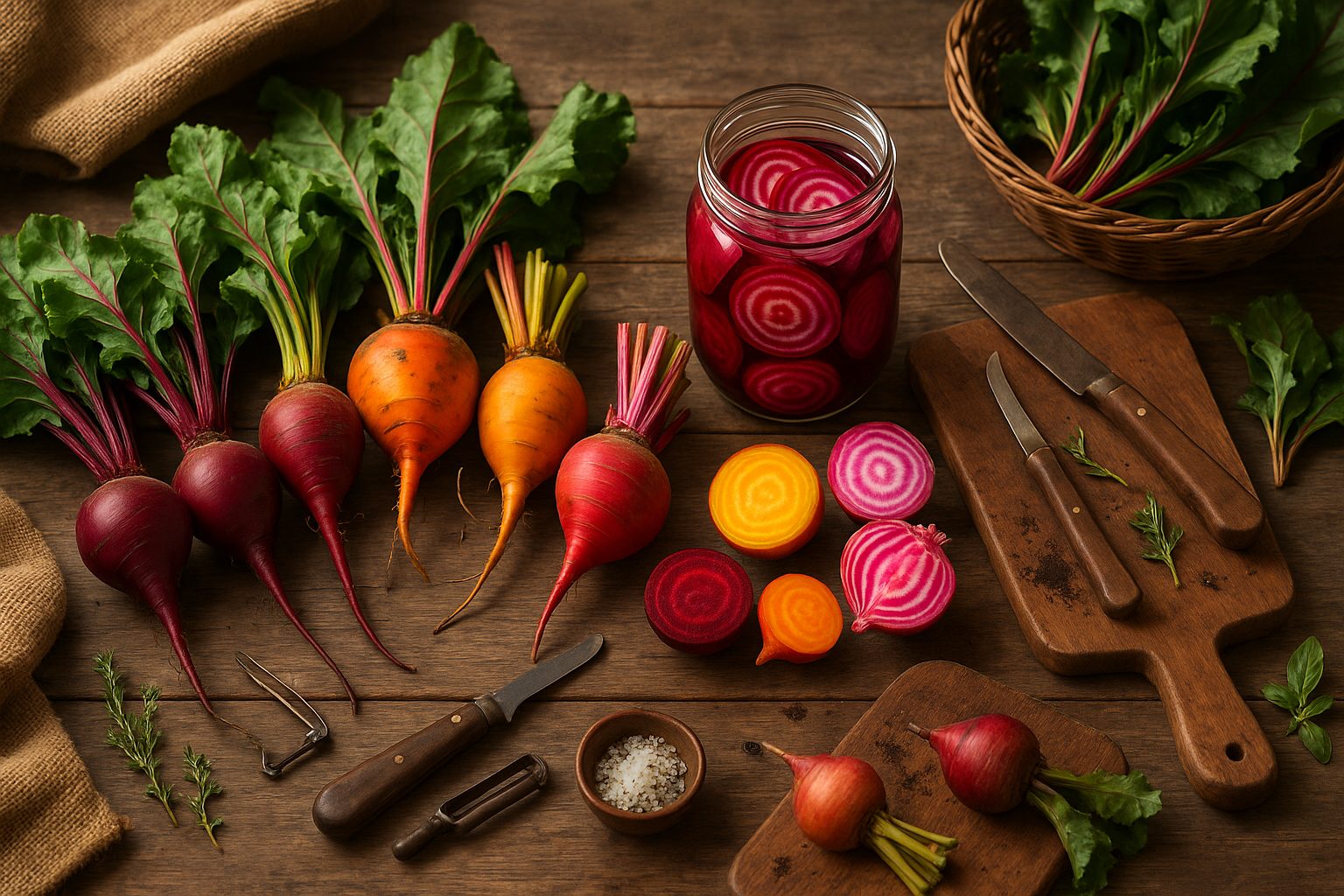
Preserving beets isn’t just a way to save leftovers—it’s a smart way to enjoy this vibrant, nutrient-packed vegetable year-round. Beets are beloved for their sweet earthiness and can star in everything from hearty salads to colorful soups. However, without proper storage and preservation, their flavor and nutrients can fade quickly. Whether you’re harvesting a bumper crop from your garden or stocking up at the farmer’s market, knowing the ins and outs of preserving beets ensures none of their goodness goes to waste.
In this guide, you’ll discover easy, practical methods for extending the shelf life of your beets through freezing, canning, and dehydrating. We’ll start by covering the basics of cleaning, prepping, and storing fresh beets to retain their flavor and texture. Then, we’ll walk through each preservation technique step by step, so you can pick the method that suits your kitchen and lifestyle best. Plus, you’ll find tips on incorporating preserved beets into delicious, creative recipes all year long. Whether you’re a busy parent, a dedicated gardener, or someone just exploring ways to reduce food waste, this comprehensive guide to preserving beets will help you make the most of every root.
Types of Beets and Why They Matter
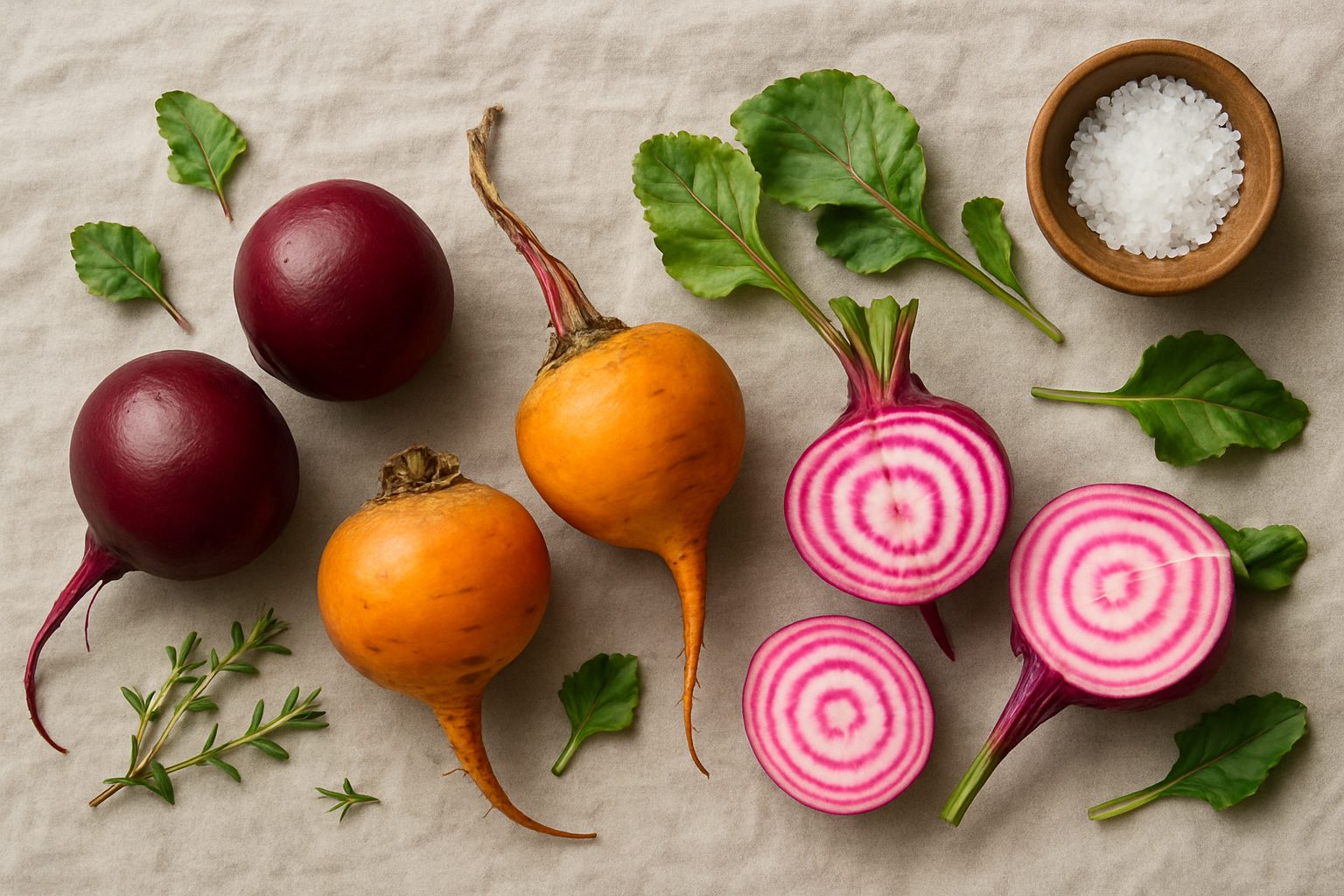
When you think of beets, the classic deep-red variety probably comes to mind first, but beets actually come in several vibrant types, each with unique qualities worth exploring in your kitchen. Red beets are earthy and sweet, making them a great all-purpose choice for roasting, juicing, or adding to salads.
Golden beets are milder, with a subtle sweetness and less of the typical “earthy” flavor, so they’re perfect for those new to beets or pairing with lighter dishes—plus, they won’t stain your hands or cutting boards. Chioggia beets, sometimes called candy-cane beets, stand out with their pink-and-white striped interiors and slightly peppery, delicate flavor.
Since each variety has its own moisture content and texture, the type of beet you choose can shape your storage and cooking strategies. Red and golden beets, for example, store well in the fridge for up to two weeks if you trim the greens, but Chioggia beets are often best enjoyed sooner for optimal crispness.
For cooking, roasting brings out the caramelized sweetness in golden and red beets, while Chioggia’s beautiful stripes shine when served raw or lightly pickled.
To pick the freshest beets at the market, look for small to medium roots that feel firm and heavy for their size, with smooth skins free of spots or bruises. If the greens are attached, they should be vibrant and not wilted—these greens are delicious in soups and sautés, so don’t throw them away!
Ultimately, knowing the differences among beet varieties lets you choose the right beet for your next dish, whether you’re seeking bold color, milder flavor, or a mix of both.
How to Store Fresh Beets: Simple Methods for Long-Lasting Freshness
To keep beets fresh as long as possible, start by trimming off the leafy green tops, leaving about an inch of stem—this prevents the roots from drying out and stops the greens from drawing moisture away. Don’t toss the greens; they’re delicious and can be stored separately in the fridge like other leafy vegetables.
Next, gently brush off any loose dirt, but avoid washing the beets until you’re ready to use them, as moisture can promote mold and rot.
Once prepped, you can store beets in several ways:
- Short-term storage (up to two weeks): Place unwashed beets in a perforated plastic bag or a loosely covered container in the fridge’s vegetable drawer. This keeps humidity high but allows for airflow, helping the beets stay crisp.
- If fridge space is limited: A cool, dark pantry (below 60°F) works for about a week, though beets may soften more quickly.
- Long-term storage (gold standard): Use a root cellar. Layer unwashed beets in a box filled with slightly damp sand, sawdust, or peat moss, making sure they’re not touching. In these humid, cool conditions (around 32–40°F), beets can last several months.
No matter which method you choose, check on your stored beets regularly and remove any that look shriveled, slimy, or develop soft spots—these are early signs of spoilage.
Remember, proper initial prep and selecting the right storage spot can make all the difference between vibrant, sweet beets in January and a box of forgotten mush.
Peeling and Prepping Beets for Recipes
Peeling and prepping beets doesn’t have to be a messy chore if you know a few tricks. For raw beets, start by trimming the stems and roots, then use a vegetable peeler or small paring knife to carefully remove the skin. Keep a paper towel handy to grip the beet and avoid slipping.
If you’re working with cooked beets, such as roasted or boiled, let them cool slightly and then rub the skin off with your fingers or a clean paper towel; the skin should slip away easily.
To prevent beet stains, wear disposable gloves and cover your cutting board with parchment paper to make cleanup a breeze. Beets can stain clothes and countertops, so rinse anything that gets red juice on it right away.
Whether you need to peel beets depends on your recipe:
- If you’re roasting or boiling them whole, leaving the skin on helps preserve flavor and color—just peel after cooking.
- For salads or raw applications where the skin can be tough, it’s better to peel before slicing or grating.
Remember, smaller, younger beets often have delicate skins that don’t need to be peeled at all, so you can simply wash and eat them as is for less fuss and waste.
Preserving Beets: Pickling, Canning, Freezing, and Dehydrating

Preserving beets at home lets you enjoy their earthy flavor and vibrant color year-round, and there are several effective methods to try.
Pickling
Pickling is one of the simplest ways to preserve beets—just boil peeled slices or cubes, cover them with a vinegar-sugar brine, and refrigerate for up to a month or seal in sterilized jars for longer shelf life. The tangy, slightly sweet result is perfect for salads and sandwiches, but the strong vinegar taste isn’t for everyone.
Canning
Canning offers a way to store beets at room temperature for months. To do this safely, use a pressure canner, pack cooked beets into jars with hot water or light syrup, and process according to trusted guidelines. While canning keeps beets shelf-stable and preserves their texture, it requires special equipment and care to avoid spoilage.
Freezing
Freezing beets is quick and convenient—simply blanch peeled, sliced, or diced beets for 2–3 minutes, cool them in ice water, dry thoroughly, and store in freezer bags. Freezing preserves much of the flavor and nutrition, though some texture is lost, making thawed beets best for recipes like soups or purees rather than salads.
Dehydrating
Dehydrating beets is another handy option for long-term storage. Slice beets thinly, dry them in a dehydrator or low oven until crisp, then store in airtight containers. Dehydrated beets are great for snacks or powdering for natural food coloring, but the drying process can concentrate their earthy flavor, which not everyone enjoys.
Choosing the Right Method
When choosing a preservation method, think about how you plan to use the beets later:
- Pickling for quick snacks
- Canning for extended storage
- Freezing for convenience
- Dehydrating for lightweight, space-saving storage
Always start with fresh, unblemished beets for the best-tasting results.
Best Ways to Use Stored Beets: Recipe Ideas & Inspiration
Stored beets are a kitchen superstar, adding color, nutrition, and earthy sweetness to a variety of dishes. Whether your beets are roasted, pickled, or simply boiled and refrigerated, there are plenty of tasty ways to use them.
Try slicing boiled or roasted beets into salads with tangy goat cheese, crunchy walnuts, and a splash of orange vinaigrette for a vibrant, quick lunch. Boiled or roasted beets also shine as the star ingredient in borscht, a classic Eastern European soup—just add some sour cream and dill for a cozy weeknight dinner.
For an easy side dish, toss sliced beets in olive oil and finish with sea salt and a squeeze of lemon to brighten their flavor, especially if they’ve been stored for a while. If your beets are pickled, use them to jazz up grain bowls, sandwiches, or blend them into a zesty beet hummus that’s perfect for snacking.
For a nutrient-packed drink, blend cooked or raw beets into a juice with apple, carrot, and ginger—the earthy flavor pairs beautifully with the sweetness of fruit. Don’t forget about beet chips: thinly slice beets, toss with olive oil and your favorite seasoning, then roast until crisp for a healthy, savory snack.
To combat any dullness from storage, splash vinegar or citrus over your beets before serving, or toss in fresh herbs like thyme or parsley for an easy flavor boost. If you’ve frozen beets, try adding them still frozen to smoothies or pureeing them into soups for a velvety texture.
With so many preservation methods—roasting, boiling, pickling, freezing—the key is to match your recipe to the beet’s texture:
- Chunkier for salads and sides
- Soft or pureed for soups
- Crisp for chips or snacks
A little creativity and seasoning can turn humble stored beets into bright, delicious meals any time of year.
Frequently Asked Questions About Storing and Using Beets
Wondering how long you can store fresh beets? Unwashed beets last best when their greens are removed and they’re stored in a perforated plastic bag in the refrigerator’s crisper drawer—usually about two to three weeks. If you notice shriveled skin or soft, mushy patches, it’s time to toss them. Mold and a sour smell are also clear signs of spoilage.
Many people ask whether you should freeze beets raw. While it’s possible, it’s better to cook or blanch them first, since freezing raw beets can change their texture and flavor. Another common question is whether to peel beets before storing—they actually last longer if you leave the skin on and peel only before eating or cooking.
One frequent mistake is washing beets before storage, which speeds up spoilage due to excess moisture. Always store them unwashed, and gently clean them right before use. If your beets turn rubbery, try soaking them in cold water for a few hours to restore some crispness.
For beets with tough skin, roasting or steaming before peeling can make the job much easier. If the greens are attached, cut them off (leaving about an inch of stem) and store them separately; otherwise, the greens will draw moisture from the roots, causing both to wilt quickly.
Finally, use labeled containers or reusable bags to minimize fridge odors, prevent cross-contamination, and make your healthy beet snacks easy to grab on busy days.
Conclusion
In summary, proper storage and preservation techniques can significantly extend the freshness and flavor of your favorite ingredients. From using airtight containers for pantry goods to freezing leftovers in labeled bags, a little planning helps prevent waste and saves money. Don’t hesitate to experiment with methods like vacuum sealing, canning, or dehydrating to find what works best for your space and lifestyle.
We encourage you to try at least one new approach from this guide and experience the benefits for yourself. If you have questions, creative storage solutions, or favorite preservation tips, please share them in the comments below—we’d love to hear from you and keep the conversation going!