Introduction to Storing Beets
When it comes to storing beets long-term, a little planning goes a long way toward preserving their delicious flavor, nourishing benefits, and minimizing kitchen waste. Beets are prized not only for their sweet, earthy roots but also for their vibrant, nutrient-rich greens. However, both parts are naturally perishable and often wilt or soften quickly when left untreated or stored improperly.
Throwing out spoiled beets means losing valuable vitamins and minerals, as well as wasting the money and effort spent growing or buying them. Savvy gardeners and home cooks swear by root cellars—a traditional and highly effective solution—for keeping beets fresh for months.
In this post, we’ll break down the key methods for storing beets long-term, including how to prep them before storage, optimal root cellar conditions, and clever tips to extend the shelf life of your beet greens. Whether you want to savor homegrown produce all winter or cut down on weekly grocery trips, understanding your beet storage options can make all the difference for your kitchen and your budget.
Prepping Beets for Storage
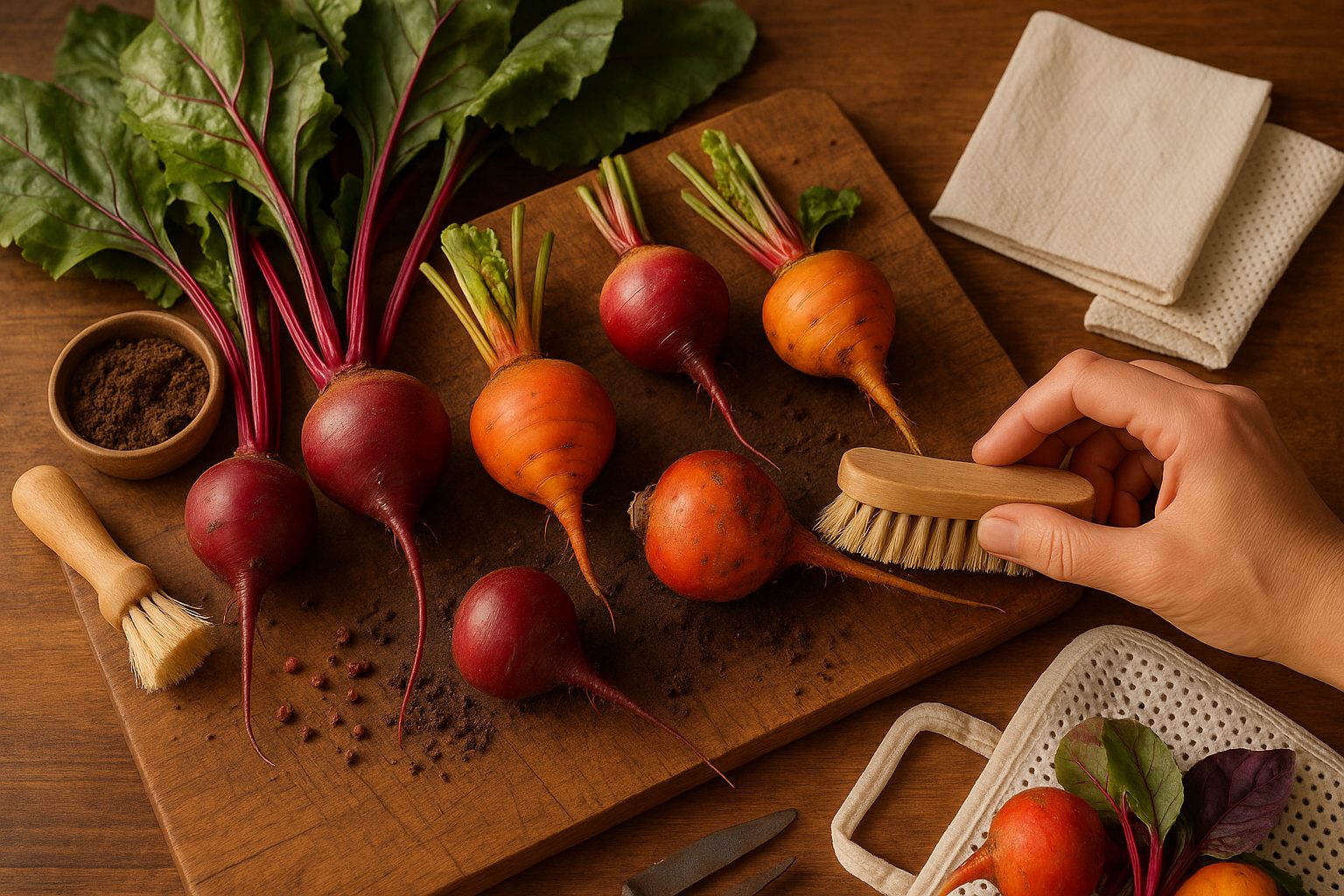
When prepping beets for storage, start by choosing beets that are firm, smooth-skinned, and deep in color—whether you’re picking them from your garden or at the grocery store. Avoid any beets with soft spots, bruising, or shriveled skin, as these are signs of age or damage that can lead to quicker spoilage. The healthiest beets often still have their leafy tops attached.
Be sure to cut the beet greens off about one to two inches above the root; don’t trim the tails or slice into the bulb, as this can cause moisture loss. Removing the greens is important because they draw moisture out of the beetroot, making them soften faster. Don’t toss those nutritious greens—they can be stored separately in a produce bag and used within a couple of days in sautés, salads, or smoothies.
As for the beetroot itself, it’s best not to wash them before storage. Moisture encourages mold and rot, so instead, gently brush off any loose dirt and only rinse beets right before you’re ready to use them.
Store the unwashed beet roots loosely wrapped in paper towels inside a plastic or reusable bag with some holes for air circulation, then tuck them in your refrigerator’s produce drawer. This method helps lock in moisture without trapping excess water, keeping beets crisp and delicious for several weeks.
Remember: handle them gently to avoid bruising, which can speed up spoilage, and check on your stored beets periodically, removing any that show signs of softness or decay to keep the rest fresher, longer.
Best Ways to Store Beets (Short & Long Term)
Storing beets properly ensures they stay fresh, sweet, and crunchy for weeks—or even months—after harvesting or buying.
For short-term storage, start by trimming the beet greens, leaving about an inch of stem to keep the roots from bleeding juice. Don’t toss those greens! Store them separately in a produce bag or airtight container with a slightly damp paper towel, then refrigerate; they’ll stay crisp for up to five days.
Place unwashed whole beets in your fridge’s crisper drawer, ideally in a perforated bag or loosely covered container to allow airflow while maintaining high humidity (around 95%) and a cool temperature (32–40°F). Avoid sealing them too tightly, as trapped moisture can cause mold. Cooked beets can be stored in an airtight container in the fridge for up to a week, but raw, whole beets usually last much longer—sometimes a month or more.
Long-Term Storage
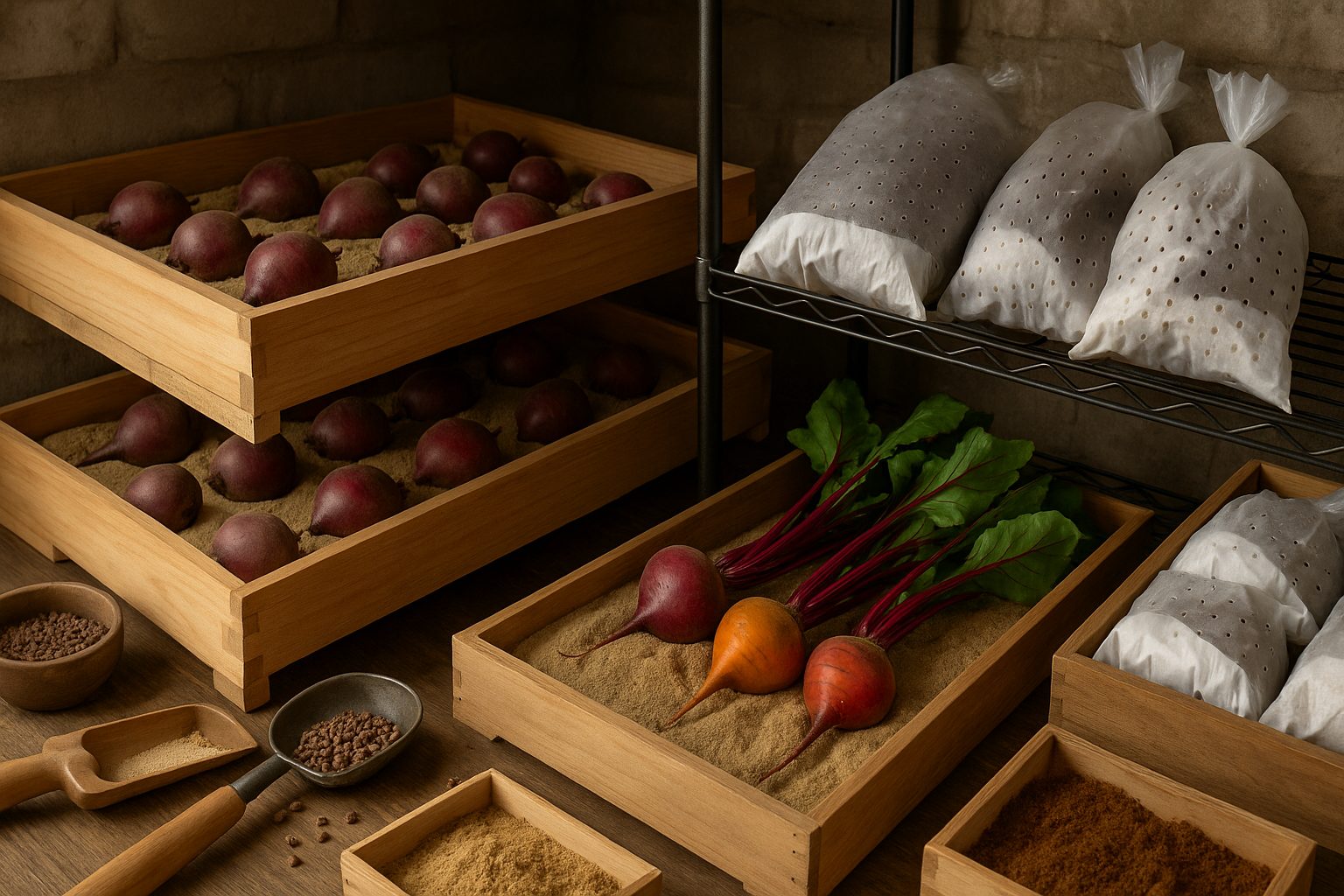
If you need long-term storage, beets are perfect for cellaring. Find a cool, dark spot like a basement, root cellar, or pantry where temperatures hover just above freezing (around 32–40°F) and humidity is high.
Layer beets in boxes of clean sand, sawdust, or peat moss, making sure the roots don’t touch; this prevents shriveling and rot. Periodically check for spoilage and remove any soft or moldy beets right away.
Alternatively, beets can be pickled, fermented, or canned for shelf-stable storage in your pantry. Dehydrating or freezing slices is another way to extend their life, especially for cooked beets—simply steam, peel, slice, and pack into freezer bags before freezing.
Remember, raw, whole beets last significantly longer than cooked or cut ones, no matter the storage method. Always store beets unwashed until use; washing introduces extra moisture that accelerates spoilage. Following these practical tips keeps both your roots and beet greens as fresh as possible, whether you’re planning meals for next week or stocking up for the season.
Freezing and Preserving Beets
freezing beets is a great way to keep their earthy flavor and nutrition intact for months, and it’s surprisingly simple to do at home. Start by trimming off the beet greens (save those for later!) and washing the beets thoroughly.
Boil whole beets until you can easily pierce them with a fork—usually 25-45 minutes, depending on their size. Once cooked, plunge them into an ice bath to quickly stop the cooking process. After they’ve cooled, peel off the skins (they should slip off easily), then slice or dice the beets to your preferred size.
Spread them out on a baking sheet and freeze until firm to prevent clumping before transferring them to freezer bags or airtight containers. Don’t forget to label the bags with the date, so you can keep track of their freshness—frozen beets are best used within 8-12 months.
For beet greens, blanch the leaves in boiling water for two minutes, then chill in ice water. Squeeze out excess moisture, chop if desired, and pack them into bags for freezing; they’re excellent for sautés and soups later.
Other Preservation Methods
If you want to switch things up, beets can also be:
- Pickled using vinegar and spices,
- Pressure-canned for shelf stability, or
- Dehydrated into crunchy beet chips.
Each method alters their taste and texture:
- Freezing keeps beets close to their fresh state but softens them slightly,
- Pickling adds tang and crunch,
- Canning can make them softer, and
- Drying gives them an intensely sweet, chewy flavor.
No matter which method you choose, preserving beets at home lets you enjoy their unique taste and health benefits long after harvest season ends.
Signs of Spoilage & When to Discard
Knowing when to toss beets or their greens can be tricky, but there are clear signs you shouldn’t ignore. For beetroots, check for spots of mold, an off or sour smell, shriveled or slimy skin, and any mushiness—these all mean it’s time to discard the beet.
Beet greens spoil faster and quickly wilt, but if they show yellowing, dark mushy patches, or give off a rotten odor, don’t risk it.
If beets are slightly soft but not moldy or smelly, they’re still fine for roasting, boiling, or blending into soups—just cut away any questionable sections. Wilted greens can sometimes be revived; try perking them up in ice water, but toss them if they feel slimy or smell bad.
To avoid spoilage, always store beetroots unwashed in a breathable bag in your fridge’s crisper, and keep greens wrapped in a damp paper towel (separate from roots). Make sure your fridge isn’t too humid, as excess moisture can speed up decay—a common culprit for slimy greens or root rot. Regularly check your veggie drawer for forgotten produce to catch issues early.
Remember: when in doubt, it’s safest to err on the side of caution and discard anything questionable rather than risk foodborne illness.
How to Use Stored Beets
Using stored beets in your meals is both practical and nutritious, adding vibrant color and a boost of vitamins. roasting beet roots is a classic, easy way to bring out their natural sweetness—just peel, dice, toss with olive oil and a pinch of salt, then bake until tender for a quick side dish or salad topping.
For a hearty option, add cubed roasted or frozen beets to stews or borscht; their earthy flavor pairs well with carrots, potatoes, and beans. Pickled beets make an instant snack or grain bowl addition, adding tang and crunch—simply slice them onto salads or sandwiches straight from the jar.
Don’t overlook beet greens, which are packed with nutrients. They can be sautéed with garlic, stirred into scrambled eggs, or blended into green smoothies for a mild, spinach-like taste. If you have cooked or frozen beets, try pureeing them into soups or even mixing them into pancake batter for a fun, colorful twist.
Not only are beets an excellent source of fiber, iron, and folate, but they’re also high in antioxidants, which support heart and brain health. With so many ways to use stored beets, it’s easy to add variety and nutrition to your daily routine—even if you’re short on time.