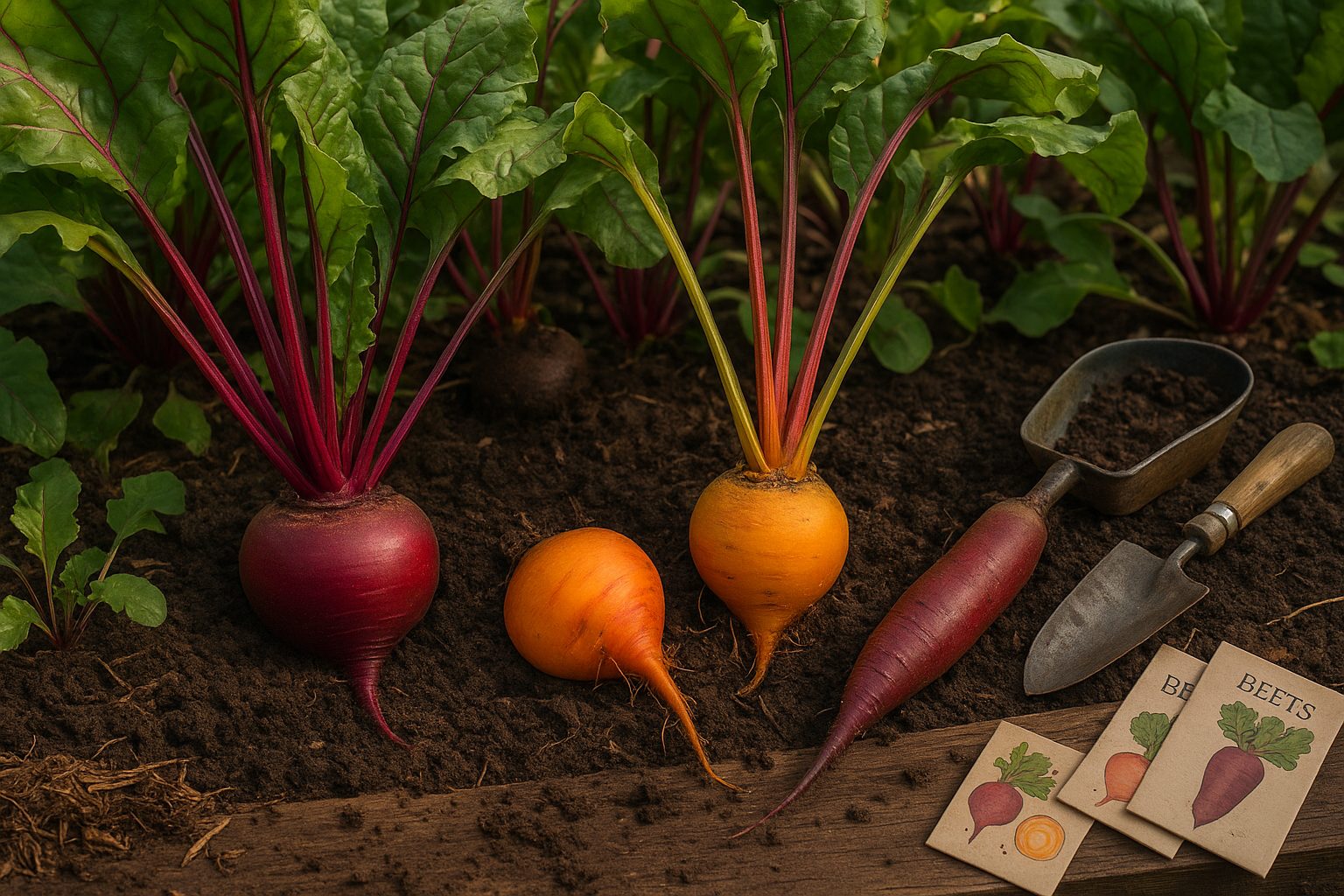
Choosing the Right Beet Varieties
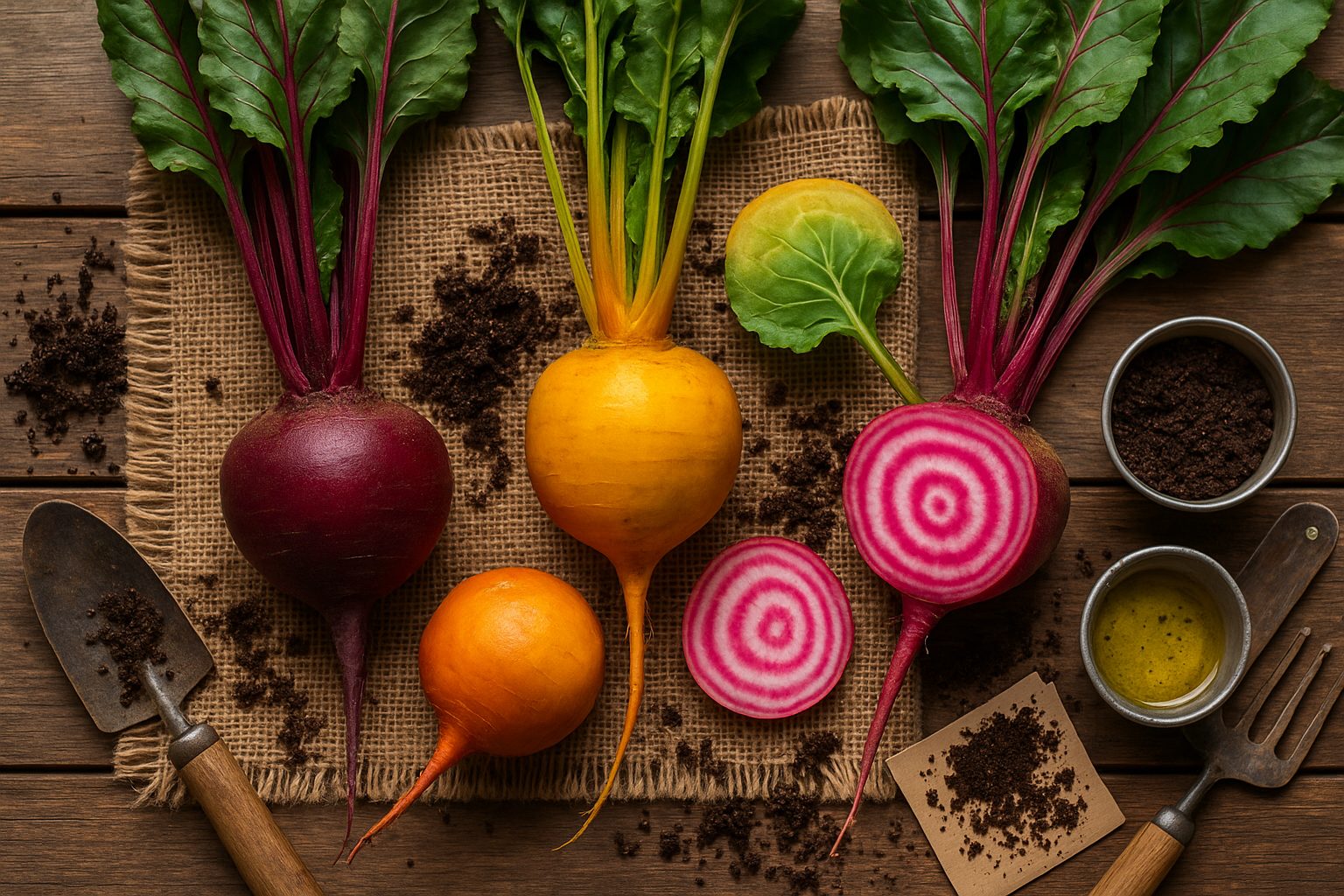
When it comes to saving beet seeds for next season, choosing the right beet varieties is the essential first step. Beet lovers have plenty of options, from the deep red Detroit Dark Red to the golden-hued Golden Beet and the candy-striped Chioggia. Each offers subtle differences—Detroit Dark Red is classic and earthy, Golden Beet is mild and less staining, while Chioggia’s stunning rings bring visual flair to salads.
Shape matters too: some beets are round, while others are more cylindrical, which is useful for slicing. Your taste buds should guide your choice, but so should your climate and garden conditions.
Consider Your Climate
For cooler northern regions, look for varieties that mature quickly, like Bull’s Blood or Early Wonder. Hotter climates might favor heat-tolerant types such as Formanova or Cylindra.
Disease Resistance and Beginner-Friendly Varieties
Pay attention to disease resistance as well; beginners will appreciate reliable varieties like Red Ace Hybrid that resist common beet ailments such as downy mildew and leaf spot. If you’re just starting out, stick to widely adapted, forgiving types such as Detroit Dark Red or Touchstone Gold. They will not only taste great but also set you up for a strong seed-saving harvest.
Remember, saving beet seeds works best when you select robust, healthy plants that truly thrive in your specific plot. By choosing the best variety for your garden and preferences, you’ll enjoy both eating and future seed-saving success.
When and Where to Plant Beets
Timing is everything when growing beets, and you’ll get the best results by tailoring your planting schedule to your specific climate. In most regions, beets thrive as a cool-season crop and are typically sown in early spring, about 2-4 weeks before the last expected frost.
If you live in a mild or coastal area (Zones 8-10), take advantage of a fall crop by planting beets in late summer, roughly 6-8 weeks before your first fall frost. This dual-season strategy—planting in both spring and fall—can maximize your beet harvests, giving you crisp roots almost year-round.
Beets are not particularly fussy about where they grow but perform best in loose, well-draining soil, ideally with a pH between 6.0 and 7.5. To avoid misshapen roots, clear the soil of rocks and debris, and work in compost to boost fertility.
Choose a sunny spot, as beets need at least six hours of direct sunlight daily to develop robust bulbs and flavorful greens. In terms of layout, beets are adaptable: you can plant them directly into garden beds, use raised beds for better drainage, or even grow smaller varieties in containers.
Make sure to space seeds about 2-4 inches apart in rows 12 inches apart so each plant has room to mature. If space is tight, round fabric grow bags or window boxes can also work—just ensure the container is at least 6-8 inches deep to give the roots enough room.
With these practical tips, you’ll be on your way to a colorful, healthy beet harvest wherever you garden.
How to Start Beets from Seed

Starting beets from seed is surprisingly straightforward. You can either sow them directly outdoors or get a head start by planting them indoors a few weeks before your last frost.
Begin by loosening your soil to a depth of at least 8 inches, removing any rocks or debris to allow the roots to grow straight and strong. Mix in plenty of compost because beets thrive in soil that’s fertile, well-draining, and slightly acidic to neutral (pH 6.0–7.0).
If sowing outdoors, plant seeds about ½ inch deep and 1–2 inches apart in rows spaced 12 inches apart. Keep in mind, these “seeds” are actually clusters containing multiple seeds, so expect more than one sprout from each cluster.
For indoor starting, use biodegradable pots filled with potting mix and sow the seeds in the same way.
Keep the soil consistently moist but not waterlogged, gently misting if needed to avoid displacing the tiny seeds. Beets typically germinate in 7–14 days. If growth seems slow outdoors, a floating row cover can help warm the soil and speed up germination.
Once seedlings reach about 2 inches tall, thin them carefully by snipping or gently pulling out extras so the remaining plants are spaced 3–4 inches apart. This spacing gives each beet room to swell underground and prevents stunted, crowded roots. Don’t toss the thinned seedlings—they’re delicious in salads!
Stay on top of soil moisture by watering consistently so the top few inches don’t dry out during germination.
With these steps, you’ll set your beets up for vigorous growth whether you plant them directly in your garden or give them a head start indoors.
Caring for Beet Plants
Keeping your beet plants healthy starts with balanced watering—aim for soil that’s moist but not soggy. Water deeply once or twice a week, depending on rainfall, to encourage roots to grow down rather than spreading near the surface. To check if your beets need water, stick your finger about an inch into the soil; if it’s dry, it’s time to water. Overwatering can lead to root rot, so make sure the garden bed drains well and avoid saturating the soil.
When it comes to feeding your beets, they thrive on organic matter. Mix compost or well-rotted manure into the soil before planting, and consider a side dressing of balanced organic fertilizer (like a 5-5-5 NPK) once the plants have a few true leaves. Avoid high-nitrogen fertilizers, as they promote leafy growth over root development.
Keep an eye out for pests such as leaf miners, flea beetles, and aphids. These can be managed by removing affected leaves, using row covers, or spraying with insecticidal soap. For diseases like downy mildew and leaf spot, good air circulation and crop rotation are key preventive measures.
At the end of the season, remove plant debris to minimize overwintering pests and disease. Always practice careful watering to prevent fungal issues. With these simple steps, your beets will be well on their way to a healthy harvest.
Harvesting and Storing Beets
Knowing when to harvest your beets is key for the best flavor and texture. Look for beets that are about the size of a golf ball to a tennis ball—typically 1.5 to 3 inches in diameter—since larger beets can become woody and tough. The leaves can also give you a hint; if they’re lush and healthy, the roots are likely in good condition, but yellowing or drooping tops signal it’s time to harvest.
To avoid damaging the delicate roots, loosen the soil around each beet with a garden fork or trowel, then gently grasp the base of the greens and pull upward, twisting slightly if necessary. Be careful not to break or bruise the skin, as injuries can lead to spoilage in storage.
Trim the leaves, leaving about an inch of stem to prevent “bleeding” of the root, but don’t cut the root itself.
For storage, brush off excess dirt—do not wash them before storing—and place beets in a breathable container, like a perforated plastic bag or a bin with sawdust or sand, in a cool, humid place such as a root cellar or the crisper drawer of your fridge. Ideally, the temperature should be 32–40°F with high humidity. stored properly, beets can last for several months.
For an extra tip, check the stored beets occasionally and remove any that show signs of softness or rot to help the rest stay fresher longer.
Saving and Planting Beet Seeds for Next Season
Growing beets from your own saved seeds can be surprisingly straightforward with a little planning. Since beets are biennials, they only produce seeds in their second year. Start by leaving a few healthy beets in the ground over winter or replant them in spring.
To avoid cross-pollination with other beet or Swiss chard varieties, keep different types at least half a mile apart, or cover flowering stalks with mesh bags.
When the tall seed stalks dry out and the seeds turn brown, snip off the stalks and place them somewhere airy to finish drying. Rub the stalks gently to release the clustered seeds, then sift out any plant debris.
Before storing, dry the seeds thoroughly for several days on a tray, out of direct sunlight—moisture can ruin them. Store them in a paper envelope inside an airtight container in a cool, dark spot; adding a silica gel packet can help control humidity.
For best germination, plant saved seeds within two years. Before sowing, soak beet seeds overnight and plant them in well-tilled soil—this helps speed up sprouting. Mark your rows and keep the soil evenly moist for strong seedlings.
By following these steps, you’ll enjoy a hearty crop that comes full circle from your own garden.
Common Questions and Troubleshooting
If your beets aren’t sprouting well, double-check your soil temperature—beets prefer to germinate in cool, but not freezing, weather (about 50-75°F). Soak seeds overnight for a head start, and plant them in loose, moist soil for the best results.
If your beets are bolting (flowering prematurely), it’s often due to heat stress or sudden cold snaps; planting earlier in the spring or using row covers can help.
For pest issues like leaf miners or flea beetles, try floating row covers or regularly check for eggs and larvae, removing affected leaves when needed.
When saving beet seeds, remember that beets are biennial and need two seasons to set seed—protect overwintering roots from freezing.
For more in-depth guidance, check out resources like the Extension Master Gardener Program or Seed Savers Exchange. Reliable seed suppliers include Johnny’s Selected Seeds and Baker Creek Heirloom Seeds for organic, high-quality options.