Introduction to Growing Beets
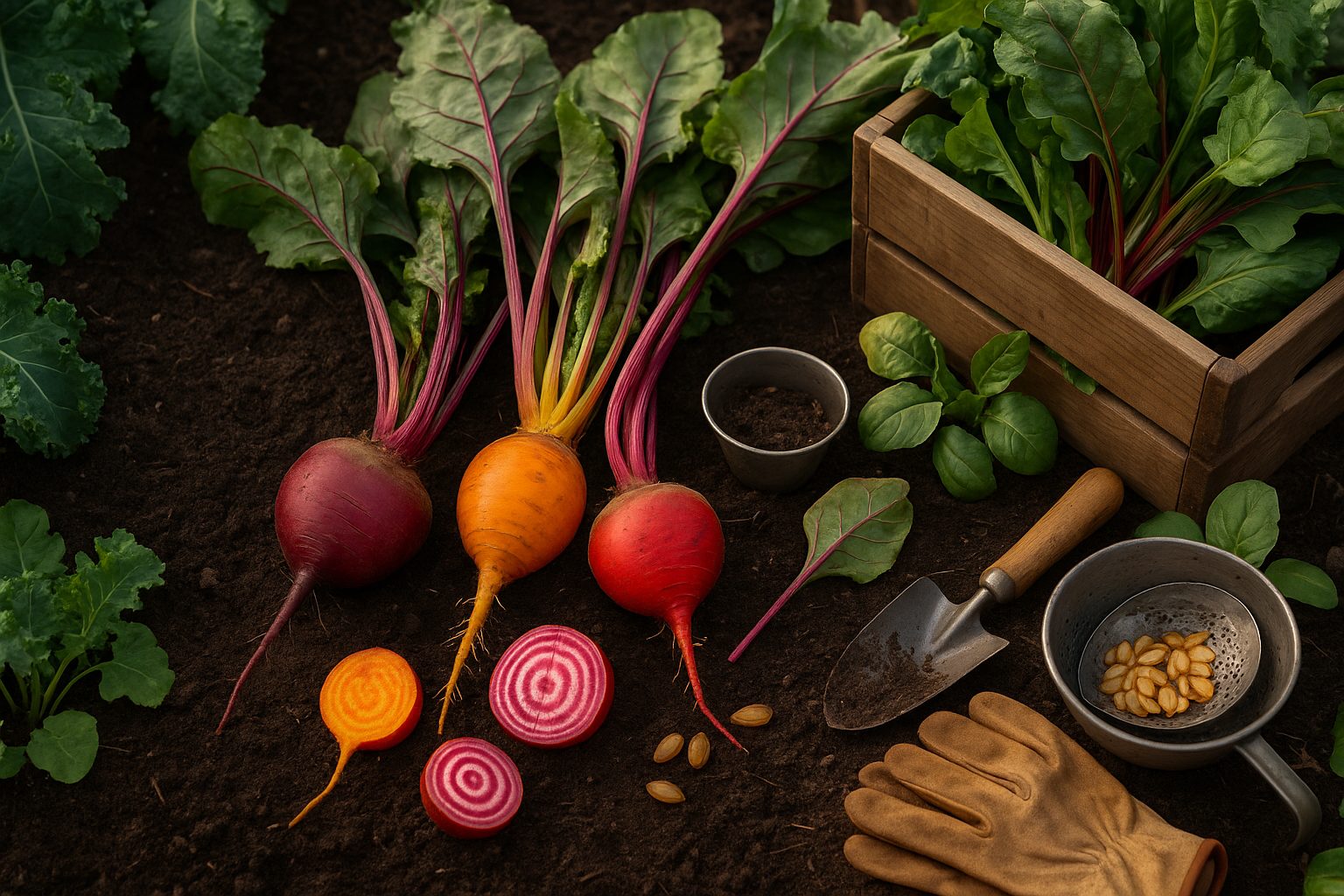
Beets in cold weather are a secret weapon for home gardeners looking to maximize their harvest, even when temperatures drop. This vibrant root vegetable thrives in chilly conditions, making it a staple for anyone gardening in brisk climates. Beets are incredibly versatile—delicious roasted, boiled, or grated raw into salads—and they pack a nutritional punch with antioxidants, fiber, and essential minerals like iron and potassium. That means you get both great taste and health benefits from every harvest.
Growing beets at home has become more popular because they’re forgiving for beginners and experienced gardeners alike. Unlike more delicate crops, beets can handle a bit of frost, and they don’t need a ton of attention. They’re fast-growing, so you can enjoy multiple harvests in a season, and both the roots and leaves are edible—giving you double the rewards from one crop.
In this guide, we’ll walk you through everything you need to know about growing beets in cold weather, from choosing the right beet varieties that excel in lower temperatures to preparing your soil for optimal root growth. You’ll learn when to plant your seeds for the best results, how to care for your beet crop throughout the season, and tips for troubleshooting common challenges like pests or uneven germination. We’ll also cover harvesting and storing your beets so you can enjoy their earthy sweetness from autumn through early spring. Whether you’re new to gardening or an old hand, this guide will help set you up for success with beets, even when the weather turns cold.
Choosing the Right Beet Varieties
When it comes to choosing the right beet varieties for your garden, understanding your options can make a big difference in both your harvest and your kitchen.
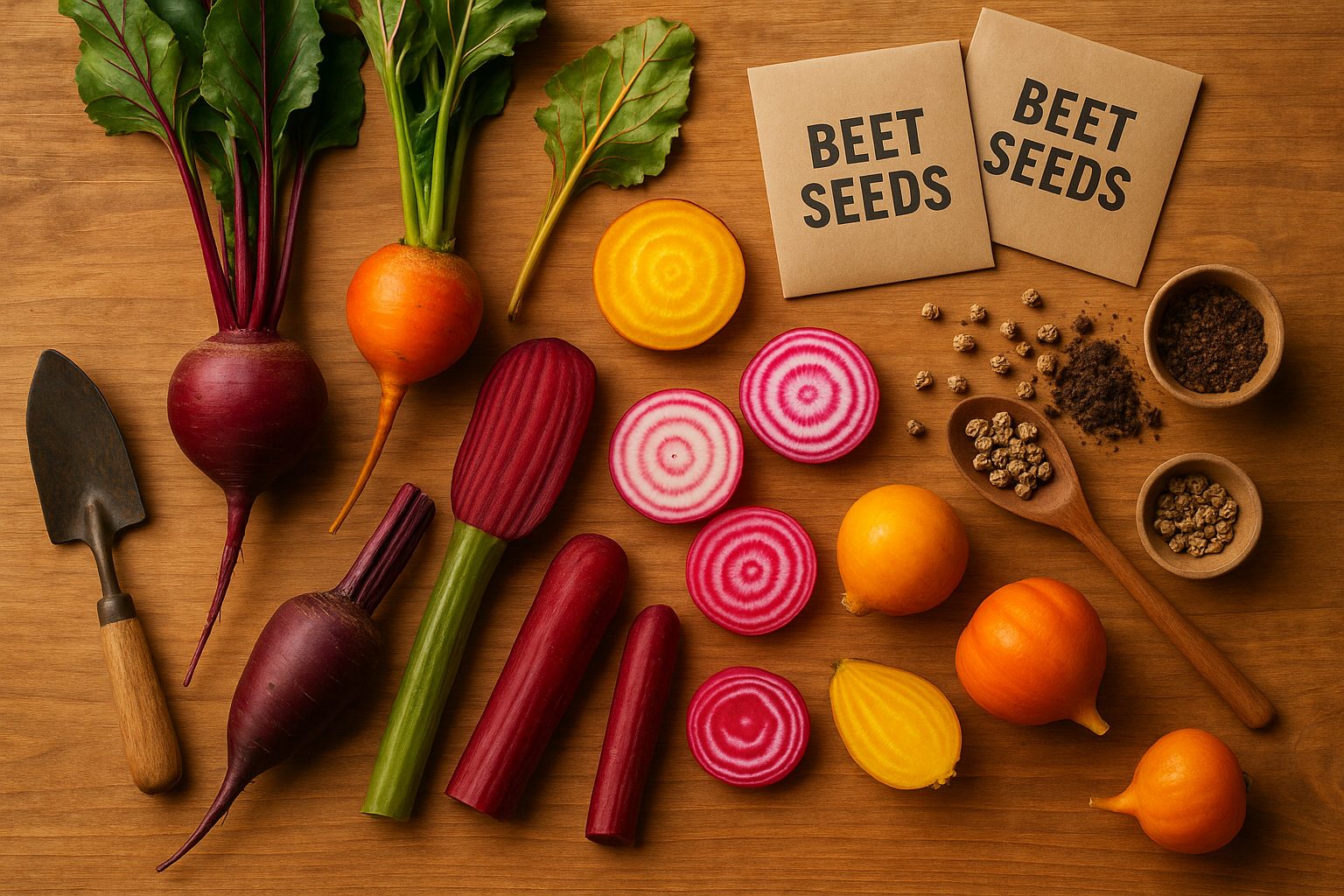
Classic red beets, such as Detroit Dark Red, are prized for their deep color and earthy, sweet flavor—perfect for roasting or pickling. Golden beets, like the mild and pretty Touchstone Gold, don’t bleed into other foods when cooked and have a slightly sweeter taste, making them great for salads. Striped or “candy-cane” beets, such as Chioggia, add visual flair with their pink and white rings and a delicate flavor that appeals to beet skeptics. Specialty varieties, including cylindrical beets like Cylindra, offer easier slicing and uniform cooking.
When selecting varieties, consider your local climate:
- Cooler regions tend to favor beets maturing in spring and fall.
- Warmer zones should stick with bolt-resistant or fast-maturing types.
Soil also matters—beets prefer loose, well-drained soil, so if you garden in heavy clay, look for varieties known for tolerance to less-than-ideal conditions.
For culinary use, think about your recipes:
- Golden and striped beets work well for raw salads.
- Classic reds are ideal for juicing.
- Cylindrical types are great for uniform oven fries.
When sourcing seeds, buy from reputable suppliers—seed packets should display freshness dates and, if possible, certifications for organic or heirloom status. Check reviews or recommendations, especially from local gardeners who can share which varieties perform best in your area. If buying seeds in person, visually inspect them: they should be whole, undamaged, and not overly dusty.
By matching your beet choice to your garden and kitchen needs, you’ll set yourself up for a rewarding harvest.
When and Where to Plant Beets
Timing your beet planting is key to getting sweet, tender roots. For a spring harvest, sow beet seeds outdoors 2 to 4 weeks before your area’s last expected frost date. Beets thrive in cool soil, and early planting gives them a head start before hot weather hits.
Gardeners in warmer southern regions can even plant beets in late winter, while those in cooler northern areas may start as late as mid-spring. For a fall crop, plant beet seeds about 6 to 8 weeks before the first expected frost. This lets beets mature in cooler temperatures, which enhances their flavor and sweetness.
If you want to extend your season, consider growing beets under polytunnels, row covers, or cold frames—these handy tools protect plants from harsh weather and can let you grow beets earlier in spring or later into fall.
Beets crave a sunny spot with at least 6 hours of direct sunlight each day and soil that’s loose, well-drained, and rich in organic matter. Heavy clay or stony soils can cause roots to become misshapen, so add compost or work the soil deeply before planting.
The ideal soil pH for beets ranges from 6.0 to 7.0; if your soil is too acidic, add a bit of garden lime. Good drainage is essential—waterlogged soil leads to rot, while consistently moist but not soggy soil produces the best roots. Raised beds or mounded rows work well in wet regions.
Don’t forget to rotate beet crops yearly to avoid disease buildup, and you’ll set yourself up for a successful, bountiful harvest.
Sowing Beet Seeds and Early Care
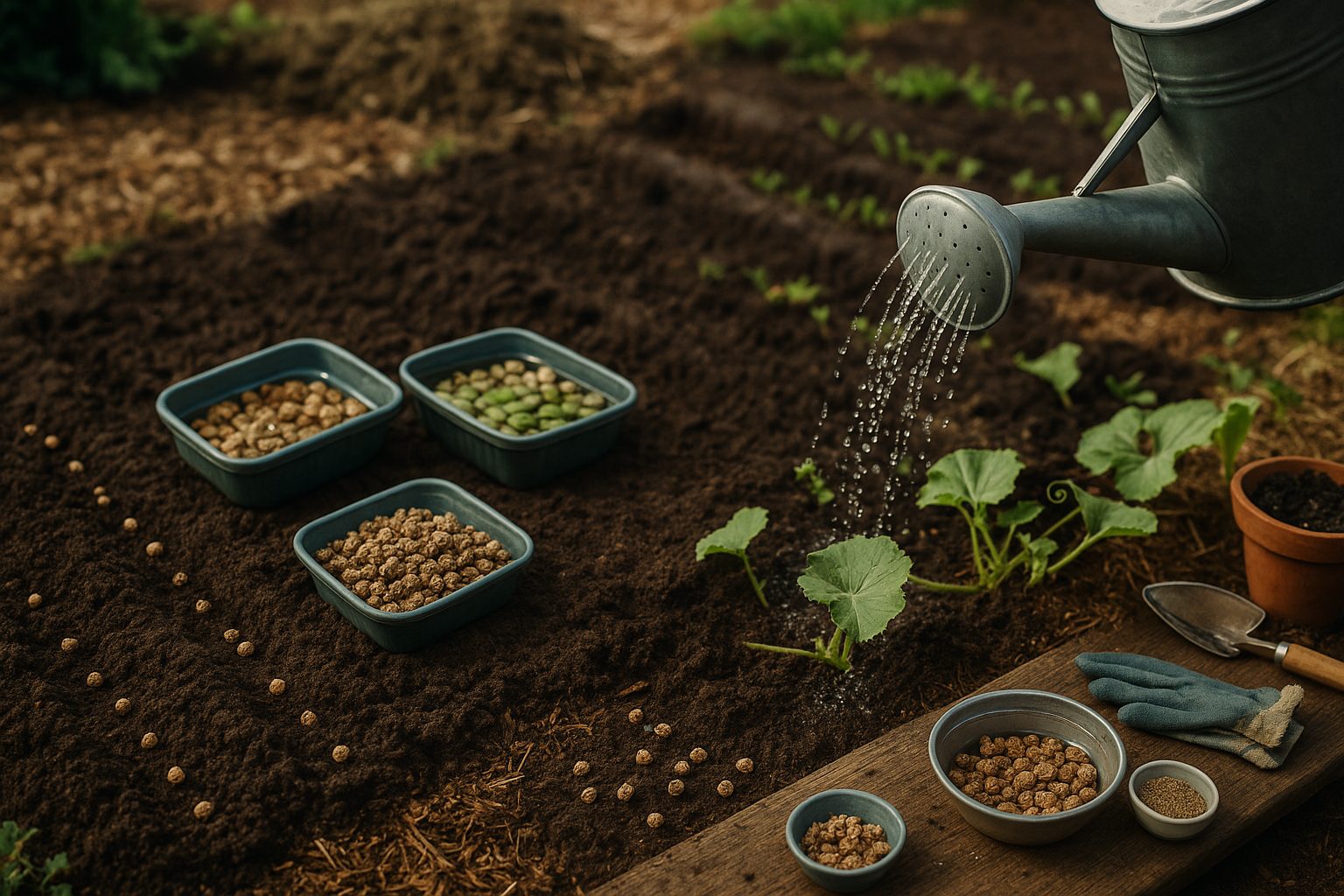
When sowing beet seeds, start by choosing a sunny spot with loose, well-draining soil free of rocks or large clumps—beet roots grow best when nothing impedes them. Direct sowing is typically the easiest and most effective method since beets dislike being transplanted. Sow seeds outdoors as soon as the soil can be worked in spring, usually when temperatures reach at least 50°F (10°C).
To speed up germination, especially if your soil is a bit dry, soak beet seeds in water overnight before planting. This helps the tough seed casing absorb moisture and sprout more quickly. Plant seeds about half an inch deep, spacing them one to two inches apart in rows spaced 12 inches apart. Cover lightly with soil and gently water the area, keeping it consistently moist—never soggy—until the seeds sprout, which typically takes 7 to 14 days.
Beets prefer cool weather, so avoid sowing in the hottest part of summer as seeds may struggle to germinate above 80°F (27°C). Once seedlings emerge, you’ll notice that beet “seeds” are actually seed clusters, often producing more than one sprout per seed. This makes thinning vital:
- When seedlings reach two inches tall, gently pull or snip extras at the soil line to leave one strong plant every three to four inches.
- Thinning not only prevents overcrowding but ensures each beet root has room to mature without being stunted.
- You can even add the tender thinnings to salads.
For continuous harvests, sow new batches every three weeks throughout the cooler months. Following these early care steps sets your beets up for healthy growth and sweet, tender roots down the road.
Growing Beets: Care Throughout the Season
Caring for beets throughout the growing season is all about consistency and a little attention to detail. Start with a regular watering schedule; beets need about one inch of water per week, so keep the soil evenly moist, especially during dry spells. Mulching with straw or shredded leaves helps retain moisture and keeps the roots cool, which is essential for lush growth.
For healthy, robust plants, fertilize lightly about a month after planting with a balanced, low-nitrogen fertilizer, since too much nitrogen can encourage leaf growth at the expense of the beetroot.
Keep an eye out for signs of bolting, like the sudden appearance of tall flower stalks. Beets are prone to this if temperatures swing widely or they experience stress. To prevent bolting, plant at the right time for your zone—usually early spring or late summer when days are cooler—and avoid overcrowding, which can also stress the plants.
Regular, gentle weeding is crucial because beets dislike competition. Use a hand hoe or simply pull weeds when the soil is moist to avoid disturbing the roots. Loosening the top inch of soil every couple of weeks encourages the beetroots to expand, but be careful not to dig too deep and damage their tops.
With these straightforward habits, your beet crop will be well-positioned for a healthy, flavorful harvest.
Harvesting and Storing Beets
Knowing when to harvest beets is key for the best flavor and texture. For beet roots, check the size—most varieties are ready when the diameter is about 1.5 to 3 inches, which usually happens 50 to 70 days after planting. Try gently brushing away a bit of soil to peek at the root; if it’s within this size range and feels firm, it’s harvest-ready.
Beet greens, on the other hand, can be taken as soon as they reach 4 to 6 inches long; just snip off a few leaves per plant so the root keeps growing.
To harvest beets without damaging them, use a garden fork or your hands to loosen the soil around the plant. Grasp the greens near the crown, lift gently, and shake off excess dirt—avoid tugging hard, which can snap the root or leave parts in the ground.
Once harvested, twist off the greens about an inch above the root to prevent them from drawing out moisture, since leaving the greens attached can cause the roots to go limp.
Storing Beets
For storage, keep unwashed, dry beet roots in a perforated plastic bag or a box of sand inside a fridge or cool cellar, ideally at 32–40°F with high humidity—they’ll often stay fresh for several weeks to months.
Beet greens are best stored separately; wrap them loosely in a damp paper towel and place in a plastic bag in the fridge, using them within a few days for peak freshness.
With these simple tips, you can enjoy garden-fresh beets long after the harvest.
Common Beet Problems and How to Solve Them
Beet growers often face challenges from pests like leaf miners, aphids, and flea beetles. These insects can damage leaves and stunt growth, but you can manage them by covering new seedlings with row covers, encouraging beneficial insects like ladybugs, or regularly spraying with a mild soap solution.
Disease issues such as downy mildew and Cercospora leaf spot also pop up, especially in damp conditions. Rotate your crops each year, avoid overhead watering, and promptly remove infected plants to limit disease spread.
Overcrowding is a frequent mistake—beet seeds are actually clusters, so thin seedlings to about 3 inches apart for healthy, round roots. Irregular watering, either too much or too little, leads to woody or split beets; aim for even, consistent moisture, ideally with a mulch layer to retain soil dampness.
Feeding beets with a balanced, organic fertilizer helps, but excessive nitrogen will push leafy growth at the expense of roots. If your beets bolt (flower early), it’s usually due to temperature stress—sow seeds after the last frost and protect young plants in cold snaps.
Poor germination often stems from planting too deep or letting the soil dry out; sow seeds about half an inch deep and keep the surface moist until sprouts appear. Misshapen or small roots typically mean hard, compacted soil or crowding—loosen soil before planting and space plants out.
By watching for these issues and responding promptly with gentle, eco-friendly fixes, you’ll set your beet crop up for healthy, tasty growth.
Creative Ways to Use Beets in the Kitchen
Beets are incredibly versatile in the kitchen, offering both their earthy, sweet roots and vibrant greens for a variety of dishes.
Roasting beets intensifies their natural sweetness—simply wrap them in foil with a drizzle of olive oil and bake until tender, then slice for salads or grain bowls. For a quicker option, try boiling or steaming beet cubes to add color and flavor to pasta, risotto, or even tacos.
Pickling is another creative way to preserve beets: slice cooked beets and pack them in jars with vinegar, salt, and your favorite spices for a tangy, crunchy snack that lasts for weeks.
Don’t toss those beet greens—they’re packed with vitamins A and K. You can sauté them with garlic and olive oil for a simple side, toss them into soups, or add them to omelets.
You can even use beet roots to make classic borscht or blend them into smoothies for a nutrient boost.
Nutritionally, beets are a powerhouse of antioxidants, fiber, and folate, while beet greens provide an extra punch of calcium and iron, making every part of the beet a healthy, delicious choice for your next meal.