Understanding Why Arugula Bolts (Bolting Explained)
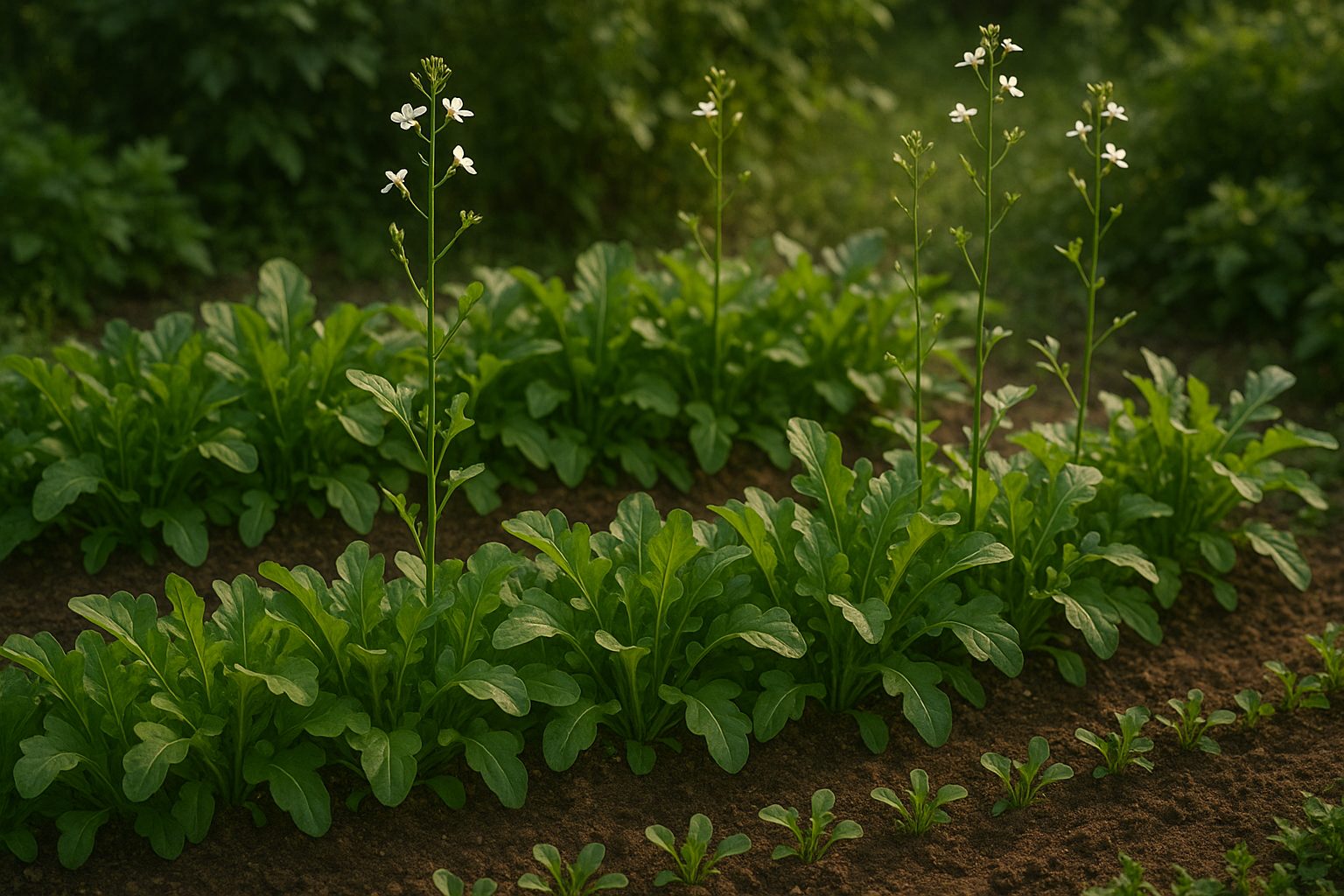
If you’ve ever noticed your arugula suddenly shooting up a tall stalk and sprouting flowers, you’re already facing the challenge of arugula bolting. In gardening, “bolting” is when a plant quickly shifts from leaf production to flower and seed production—often triggered by changes in temperature or daylight. For arugula, this process can happen seemingly overnight.
Signs of bolting include the rapid elongation of the central stem, the appearance of clusters of small white flowers, and a noticeable change in leaf texture, which may become tougher or more bitter.
Bolting usually happens due to a combination of heat, increased day length, and the plant’s natural aging process. When warm weather or longer daylight hours signal summer’s arrival, arugula—and many cool-season greens—respond by prioritizing reproduction over leafy growth. Even healthy, mature arugula plants can bolt quickly during a hot spell, making it tricky to harvest a perfect batch.
Why does this matter for gardeners? Once arugula starts to bolt, the leaves often lose their mild, peppery taste and become overwhelmingly bitter and fibrous. This sudden change can catch even seasoned growers off guard, resulting in wasted greens and a disappointing salad.
Understanding what causes bolting—and how to spot it early—is key to growing a flavorful, tender crop. In the following sections, you’ll find real-world tips to help keep your arugula sweet and slow to bolt, no matter the weather.
How to Spot Early Signs of Bolting in Arugula
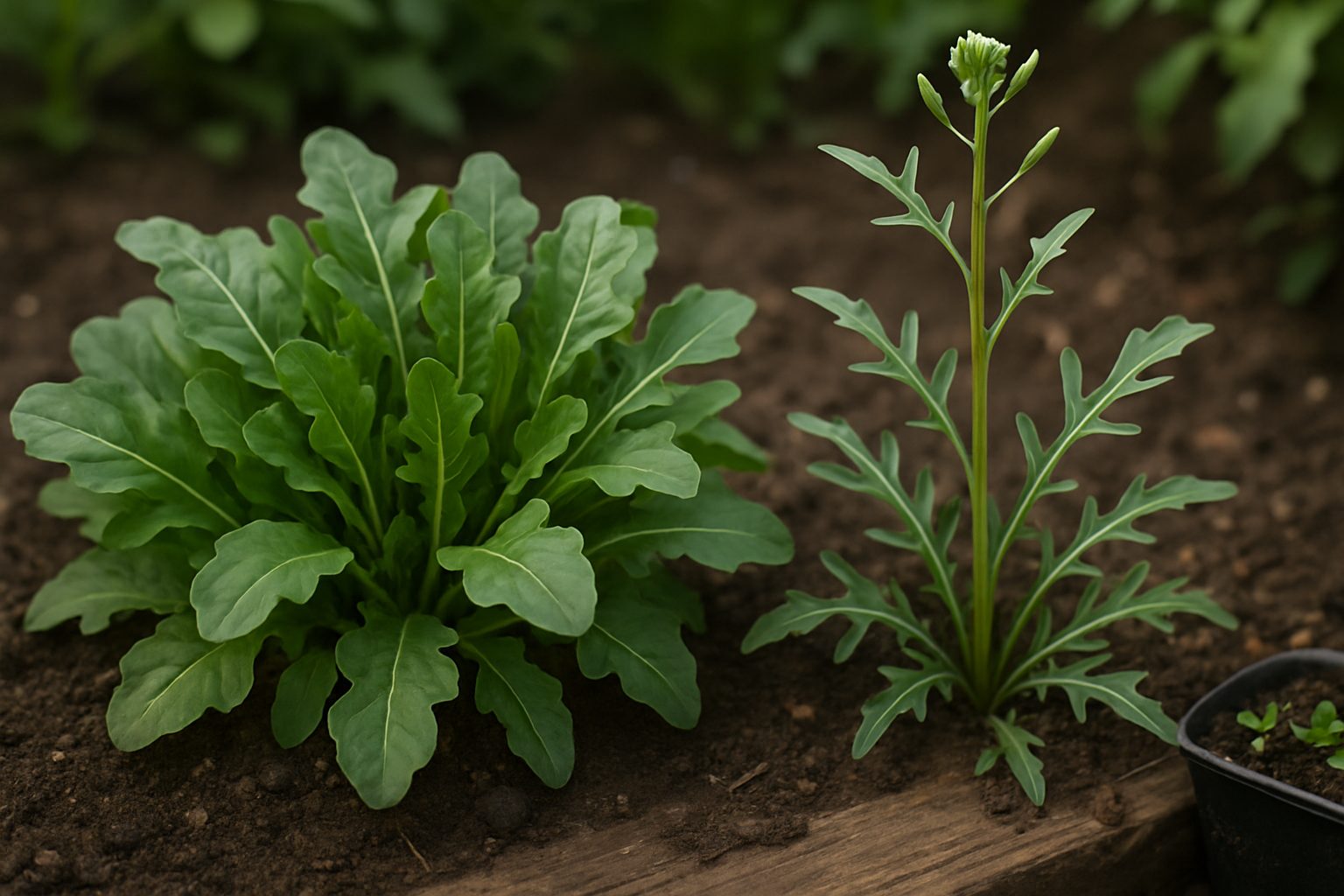
Spotting early signs of bolting in arugula gives you a chance to act fast and prolong your harvest. The first thing to watch for is the sudden elongation of the plant’s main stem—arugula that’s about to bolt quickly switches from compact, leafy growth to a more upright habit, with stems that stretch upward almost overnight.
Often, you’ll notice tiny buds forming at the tips, which quickly develop into flower stalks. This is a definite sign the plant is shifting from producing more leaves to focusing on reproduction.
Leaf shape and texture can also change; bolting arugula leaves may become narrower and tougher, with a noticeably more bitter flavor. Unlike normal growth where new leaves keep coming in a tidy rosette, bolting disrupts this pattern, and leaves may look scraggy or sparse.
Bolting can happen rapidly—sometimes in just a few days after a sudden warm spell or a big difference between day and night temperatures. That’s why checking your arugula regularly, especially when the weather starts to heat up, is crucial.
If you catch these early signs, you can harvest leaves before the flavor declines or even shade your plants to slow the process. Remember, healthy arugula should stay bushy and leafy—not stretched out with visible flower buds—so make it a habit to glance over your crop every couple of days for these telltale changes.
Proven Tips to Prevent or Delay Arugula Bolting
To keep your arugula fresh and lush for as long as possible, timing and technique are everything. Start by planting arugula during the cooler months of spring or late summer, as it naturally bolts—shoots up to flower—once hot weather hits.
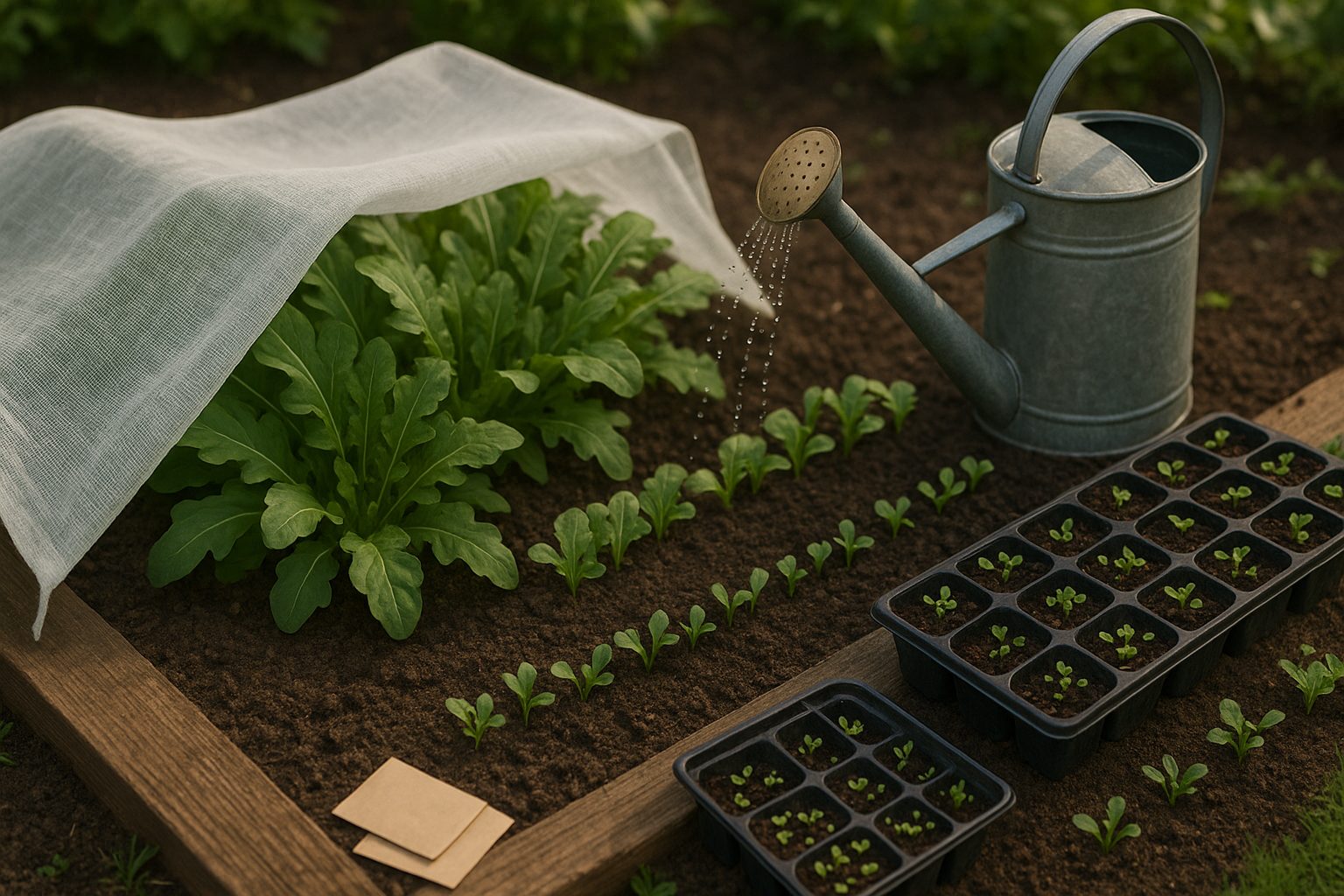
If your climate tends to warm quickly, tuck your arugula plants into a spot that gets afternoon shade or try using lightweight shade cloth to keep temperatures down. Another smart strategy is to choose slow-bolt or heat-tolerant arugula varieties, which are bred to resist flowering and last longer in the heat.
Consistent watering is also key; arugula with dry roots will stress and bolt faster, so aim for evenly moist (not soggy) soil, especially during warm spells.
To enjoy a steady supply of tender leaves, practice succession planting by sowing small batches of seeds every couple of weeks instead of all at once. This helps ensure you have new plants maturing as older ones begin to bolt.
Lastly, get into the habit of harvesting arugula regularly—snip off outer leaves or cut whole plants about an inch above the soil. Frequent harvesting not only supplies your kitchen with a steady crop but also signals to the plants to keep producing foliage instead of shifting energy toward flowering and seed-setting.
By following these tips, you can keep your arugula producing delicious greens for much longer, even as the temperatures start to rise.
What to Do When Your Arugula Starts to Bolt
When you notice your arugula sending up flower stalks—a phase called bolting—it’s a signal to act fast if you want the best-tasting leaves. Harvest as many leaves as you can right away, as bolting causes the plant to switch its energy from leafy growth to seed production, making the leaves tougher and increasingly bitter.
Snipping off the flowering stalks can slow the process a little, but it’s only a short-term fix; the plant is already shifting gears. At this point, you have a few options:
- Pull the whole plant and start fresh with new seeds, especially if you love tender, mild arugula in salads.
- If you have space, let some plants fully bolt. Their pretty white flowers attract pollinators like bees and beneficial insects to your garden.
- Once the seed pods mature, collect seeds to grow arugula all over again next season.
- Some gardeners leave bolted arugula as a natural trap crop, drawing pests away from other, more valuable greens.
Deciding what to do depends on your garden goals, but quick action gives you the best chance for tasty greens and helps you make the most of your arugula patch at every stage.
Can You Eat Arugula That Has Bolted?
Yes, you can eat arugula that has bolted, but be prepared for a noticeable change in flavor and texture. When arugula goes to flower, the leaves often become tougher and develop a much stronger, sometimes bitter or peppery taste—far more intense than the baby greens commonly found in salads.
The flowers, on the other hand, are edible and surprisingly tasty, offering a milder, subtly sweet flavor that’s perfect for garnishing dishes.
If you’re adventurous, try adding the mature leaves to cooked meals where their sharpness mellows with heat, such as in pastas, sautéed with garlic, or tossed into soups.
Chopping bolted leaves finely and mixing them into a pesto with plenty of nuts, cheese, and oil can help temper the bitterness; this pesto can also serve as a punchy spread or sauce.
For salads, pair bolted arugula with creamy or sweet ingredients—think goat cheese, roasted beets, or citrus—to balance out its spice.
Remember, while bolted arugula is safe and nutritious to eat, it’s best to taste a leaf first to judge its intensity before using it liberally; some leaves may be too pungent for raw use, but in the right recipe, they pack a flavorful punch and reduce potential waste in your garden.
Saving Seeds and Making the Most of Bolted Arugula
When arugula bolts and sends up tall flower stalks, it’s a natural sign the growing season is winding down—but it’s also a golden opportunity to save seeds for next year and support your garden ecosystem.
To collect seeds, let a few arugula plants fully flower and form small, slender seed pods. Wait until the pods turn brown and dry on the stem, then snip them off into a paper bag. Gently crush the pods to release the tiny seeds and store them in a labeled paper envelope away from moisture.
Saving your own seeds not only saves money but also helps you grow plants better adapted to your local conditions. Plus, seed swapping with friends or at community seed exchanges can expand your garden’s diversity.
Leave some bolted arugula in place; its delicate white flowers are irresistible to pollinators like bees and hoverflies, which means more beneficial insects for your whole garden. Next season, you’ll have healthy seeds ready to sow and a garden buzzing with helpful bugs—turning a simple act of seed saving into a powerful boost for your backyard ecosystem.