What Is Arugula and Why Cook It?
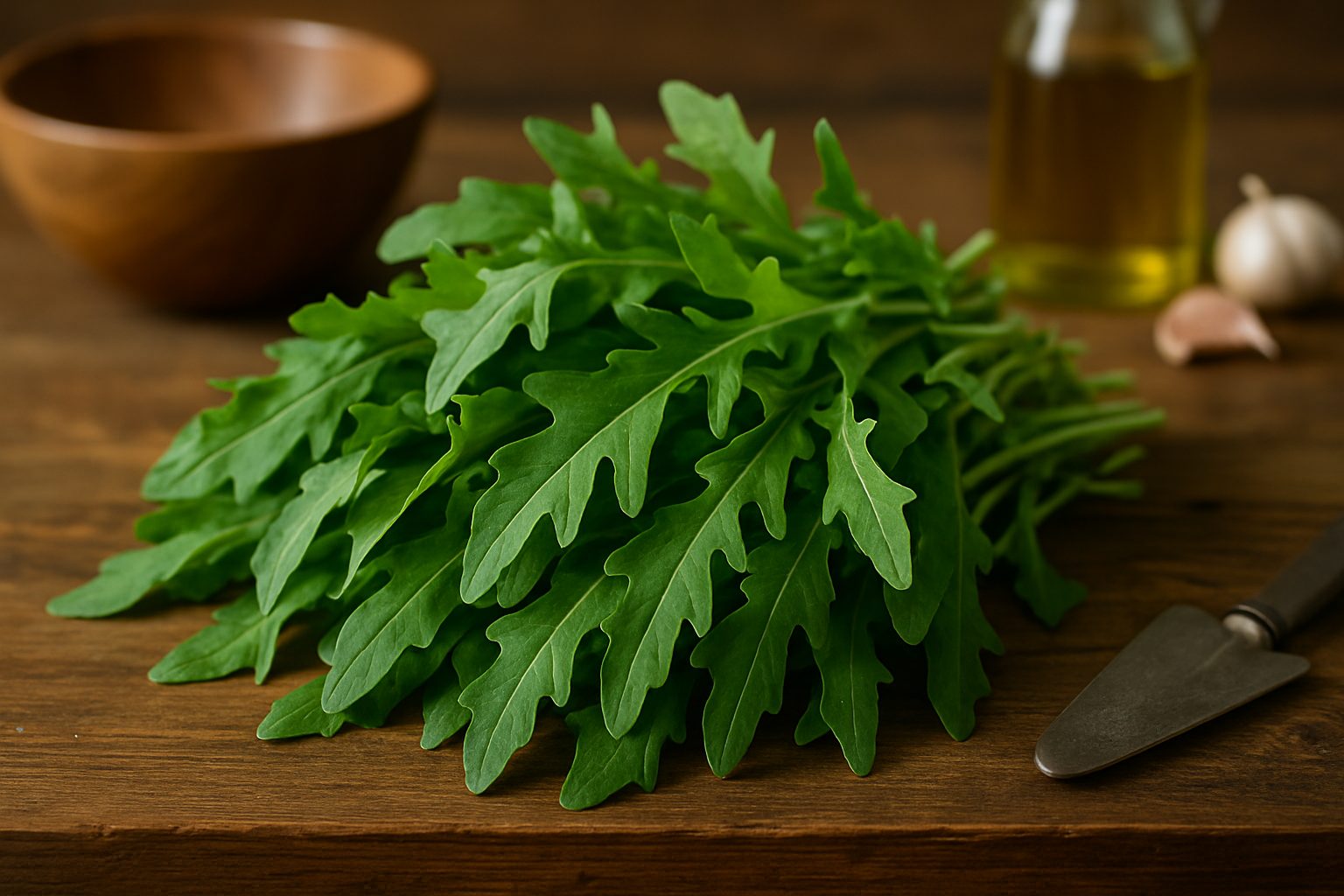
Cooking with arugula opens up a world of fresh flavor and endless kitchen possibilities, especially when you’ve just harvested a batch from your own garden. Arugula is easy to spot with its tender, dark green leaves and slightly jagged edges, and its flavor is unmistakable—bright, peppery, and just a bit spicy. If you’re trying to perk up your salads or introduce new excitement to your meals, this leafy green delivers bold results.
But why stop at raw? While arugula shines in salads, cooking it—particularly by sautéing—can mellow its bitterness, bring out an earthier depth, and allow you to use up generous handfuls quickly. This is perfect if your garden is producing more arugula than you can handle in raw form. Gently wilted arugula pairs beautifully with eggs, pasta, or layered onto a warm pizza right after it comes out of the oven.
Beyond its vibrant taste, arugula is packed with nutritional benefits. It’s a good source of vitamins A, C, and K, and it offers antioxidants that help fight cellular damage. Incorporating cooked arugula into your meals also boosts your intake of fiber and minerals like calcium and potassium.
From a quick morning scramble to a hearty pasta dinner, arugula is as versatile as it is healthy. Whether you’re tossing it straight from the garden into your skillet or stirring it into a creamy risotto, cooking with arugula is an easy, delicious way to get more greens on your plate and make the most of your garden harvest.
How to Choose and Prepare Fresh Arugula
When shopping for fresh arugula, look for bunches or bags with crisp, deep green leaves—avoid any that show signs of yellowing, wilting, or slimy spots, as these indicate old or spoiled greens. Choose arugula with smaller, more tender leaves if you prefer a milder, less peppery flavor; larger, mature leaves pack more punch but can be tougher.
Once home, empty the leaves into a large bowl of cold water to dislodge any grit or dirt, swishing them around gently. Repeat rinsing if needed, then dry thoroughly—using a salad spinner works best, but you can also spread them on a clean kitchen towel and gently pat them dry. Drying is important because excess water can make your salads soggy.
If the arugula has thick stems, especially in mature varieties, consider trimming these off for a better texture, as they can be fibrous or tough.
If you discover that arugula isn’t available or it’s just too peppery for your liking, swap it out for baby spinach for a milder taste, or watercress if you still want a peppery bite but can’t find good arugula. Both substitutions work beautifully in salads, sandwiches, and even as a pizza topping.
By picking the freshest greens and prepping them properly, you’ll make the most out of arugula’s unique flavor and texture in your meals.
Essential Ingredients and Quick Sauté Technique
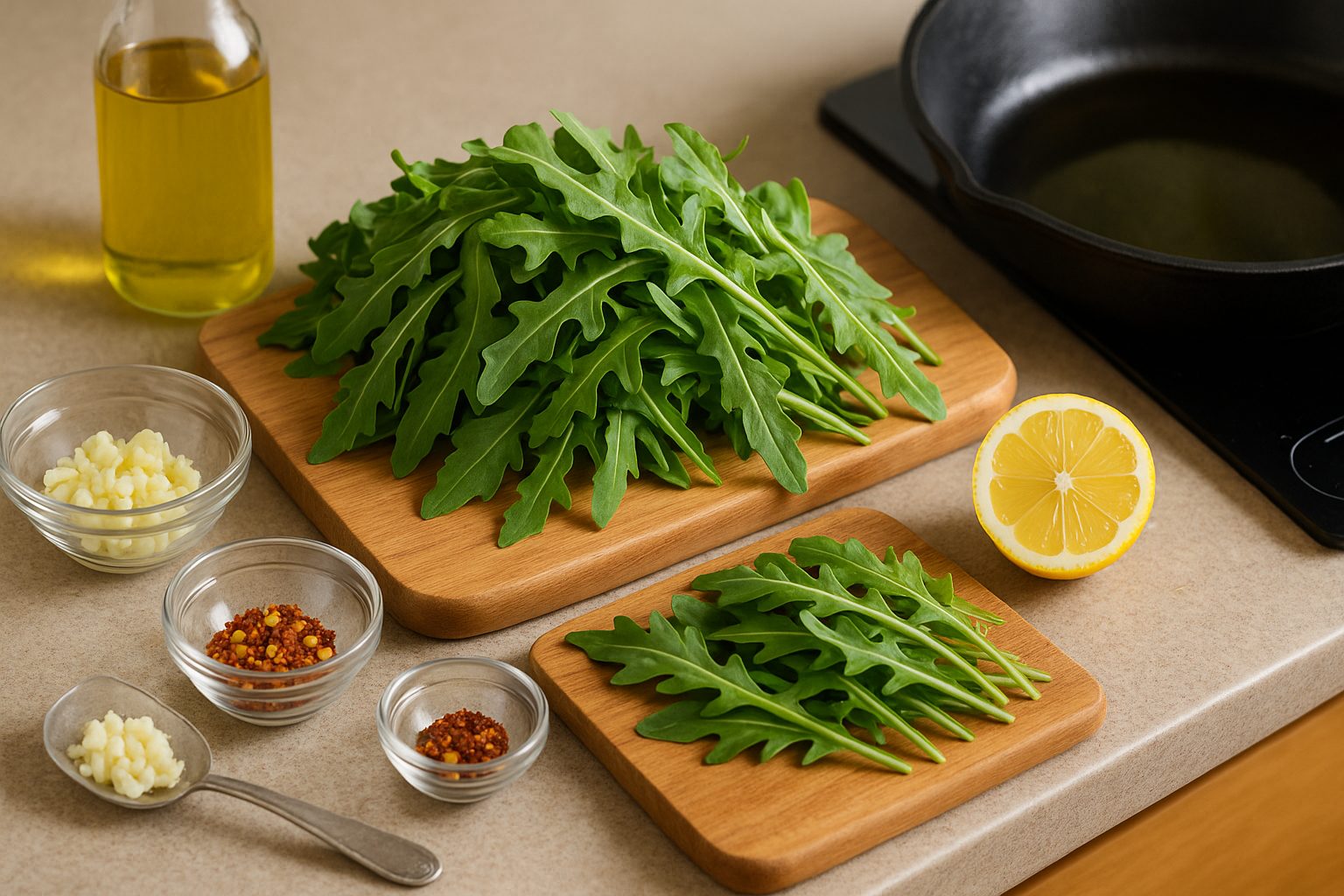
To quickly sauté arugula and bring out its peppery flavor, you only need a few pantry staples: good-quality olive oil, a couple of fresh garlic cloves, coarse salt, and, for a flavor boost, chili flakes or a dash of lemon juice.
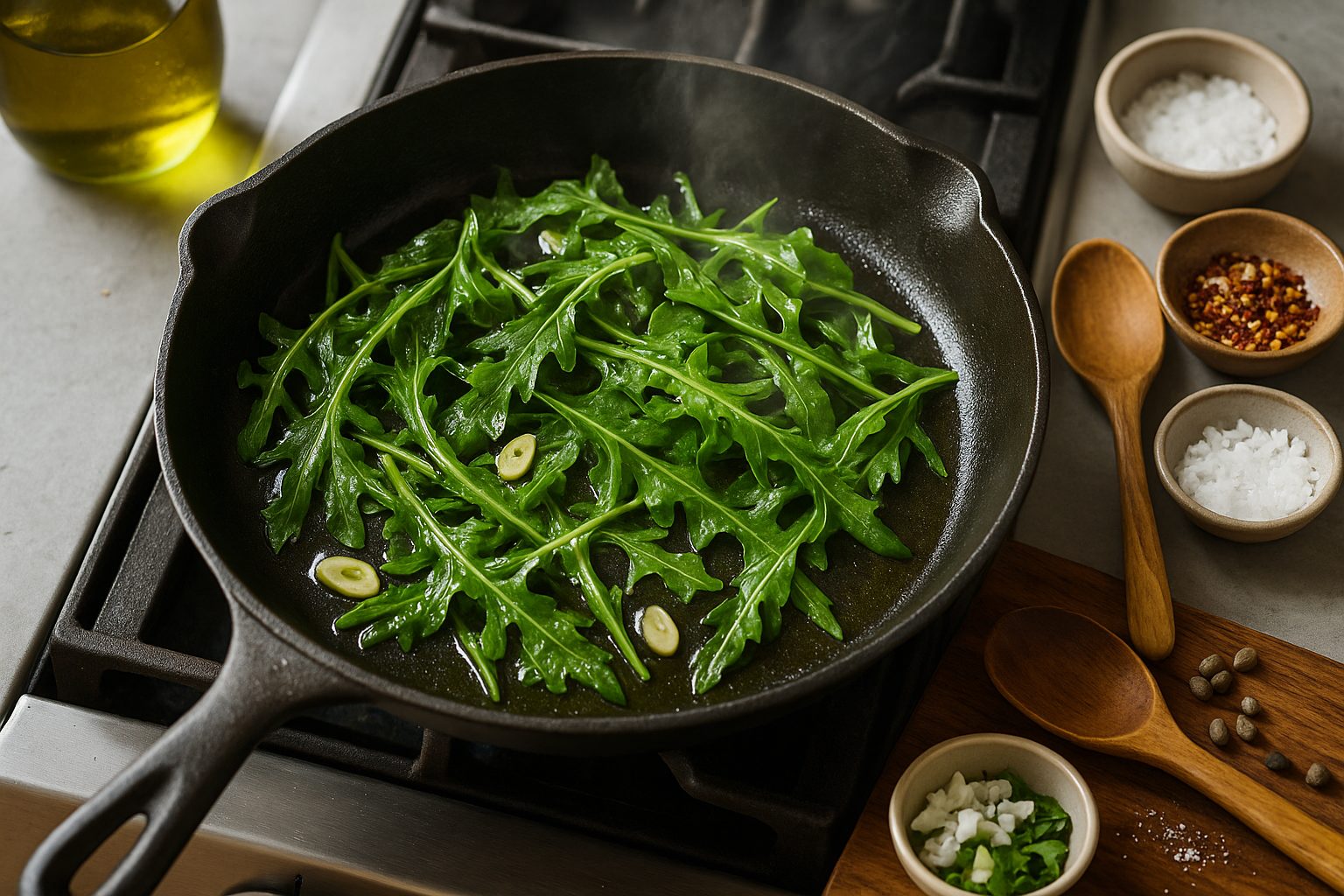
Start by heating a tablespoon of olive oil in a large skillet over medium-high heat—make sure the pan is hot before adding anything, as this jumpstarts the process and helps lock in arugula’s bright green color. Toss in finely sliced garlic and let it sizzle for 20–30 seconds, just until fragrant (don’t let it brown, as garlic can become bitter fast).
Next, increase the heat to high, then add the washed, dried arugula all at once. Use tongs to toss it quickly with the hot oil and garlic; the high heat and constant movement ensure even cooking and keep the leaves from wilting excessively. This step should only take 1–2 minutes—remove the pan from the heat as soon as the arugula starts to collapse but retains some texture and its vivid color.
Finish with a pinch of salt, a sprinkle of chili flakes for heat, or a squeeze of fresh lemon juice to brighten the flavor. The key is to work quickly and serve immediately; lingering in the pan will rob arugula of both its nutrients and its fresh, spicy bite. If you’re prepping ahead for a meal, sauté right before serving so the arugula stays at its tastiest.
Serving Ideas and Flavor Pairings
Sautéed arugula is a versatile side dish that pairs beautifully with many main courses and can be easily elevated with a few simple add-ins. Try serving it alongside grilled chicken or fish for a light, healthy meal, or let it complement heartier options like roasted vegetables and grain-based dishes such as quinoa, farro, or brown rice.
If you enjoy pasta, toss sautéed arugula into linguine with olive oil, garlic, and a sprinkle of Parmesan cheese for a quick and flavorful dinner. To really make the flavors pop, consider adding a bit of lemon zest or a splash of fresh lemon juice, which brightens the peppery notes of the arugula. Toasted pine nuts or walnuts add crunch and richness, while a pinch of red pepper flakes delivers subtle heat.
Sautéed arugula is also a creative addition to warm sandwiches—layer it into a grilled cheese for an herby twist, or pile it on top of a panini with smoked turkey and provolone. For a simple grain bowl, mix sautéed arugula with roasted sweet potatoes, chickpeas, and feta cheese, then finish with a drizzle of balsamic glaze. You can even use sautéed arugula as an unexpected pizza topping: spoon it over a Margherita pizza right before serving for an instant upgrade.
With just a handful of ingredients and a hot skillet, sautéed arugula becomes a customizable star on your dinner table, adding flavor, color, and nutrition to nearly any meal.
Storing, Reheating, and Leftover Tips
To keep your leftover sautéed arugula fresh and tasty, store it in an airtight container and refrigerate it as soon as possible. This helps retain its flavor and texture for up to two days.
When you’re ready to enjoy it again, gently reheat the arugula in a skillet over low heat rather than microwaving it, which can make the leaves soggy and overcooked. Just a minute or two on the stove is enough to warm it through without losing its delicate quality.
If you have more leftovers than you can eat as a side, get creative! Here are a few ideas:
- Toss the sautéed arugula into an omelet or scrambled eggs for a quick breakfast.
- Stir it into cooked pasta with a sprinkle of cheese and a dash of olive oil for a speedy lunch.
- Let it cool and add it to your next salad for a punch of earthy flavor.
Using leftovers this way helps reduce food waste and brings a unique twist to everyday meals.