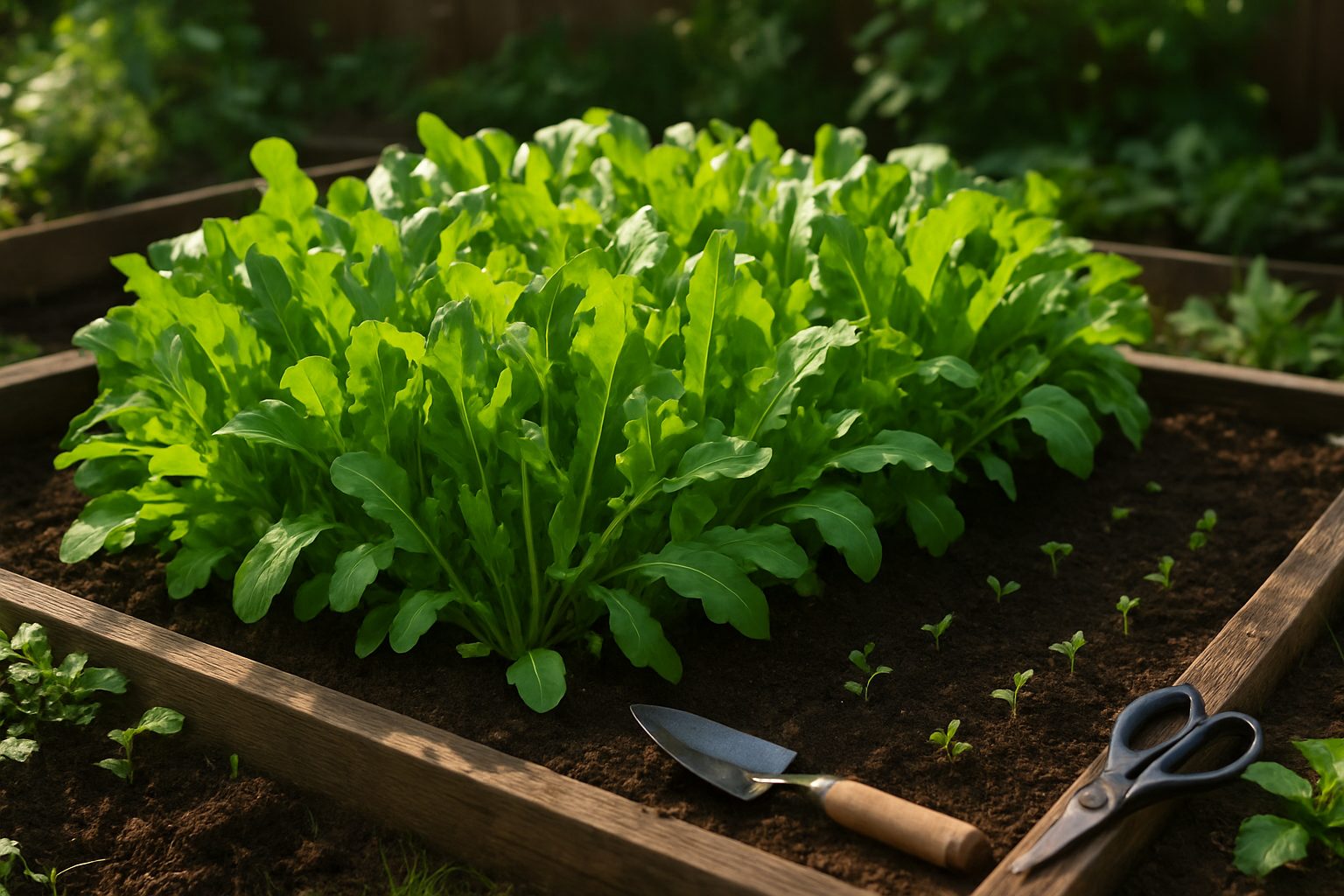
Introduction to Common Arugula Growing Mistakes
Arugula growing mistakes often catch even the most enthusiastic home gardeners off guard. As a staple leafy green, arugula adds a spicy kick and a nutritional boost to countless salads and dishes—making it a favorite for kitchen gardens everywhere. Despite its reputation for being quick and easy to grow, arugula can be surprisingly sensitive if you’re not careful.
Overcrowding seeds, inconsistent watering, or neglecting the soil’s pH level are just a few slip-ups that can result in poor germination, bitter-tasting leaves, or even complete crop failure. Recognizing these pitfalls—such as planting in the wrong season, failing to harvest regularly, or overlooking pests—can make all the difference between a thriving arugula patch and a disappointing harvest.
Whether you’re starting your first container of greens or aiming to perfect your next raised bed, being aware of these common arugula growing mistakes will help you enjoy peppery, tender leaves throughout the season. In this blog post, we’ll explore the biggest errors to avoid, share expert tips, and help you get the most out of every arugula planting.
Planting at the Wrong Time
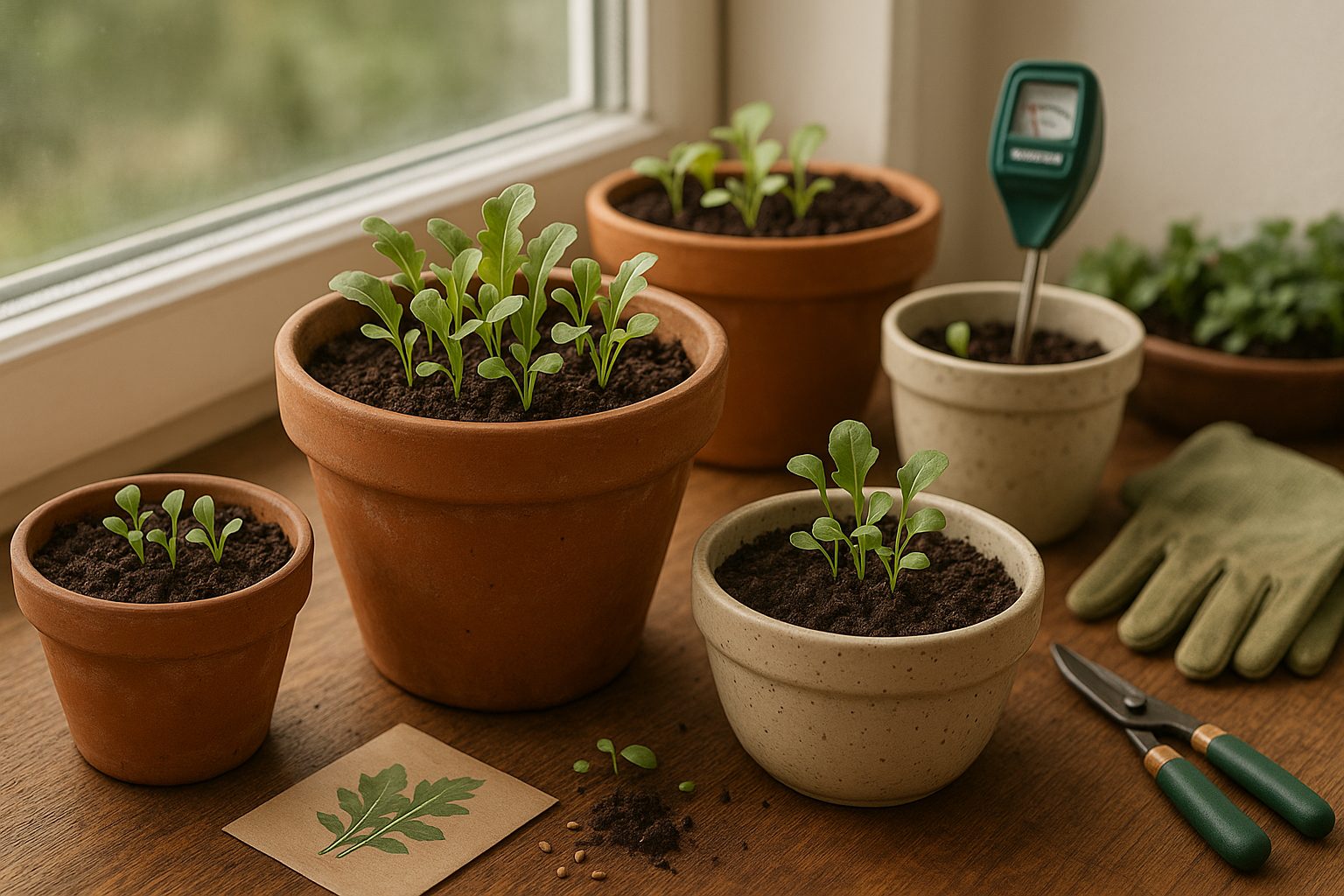
One of the most common arugula growing mistakes is sowing seeds at the wrong time. Arugula is a cool-season green that thrives when temperatures range between 45°F and 65°F (7°C to 18°C). The best time to plant arugula is in early spring, as soon as the soil is workable, or in late summer to early fall for a second crop.
Planting arugula too early in winter often leads to poor seed germination because cold, wet soils delay growth and can even cause seeds to rot. Conversely, sowing arugula too late—once summer heat arrives—stresses the plants and triggers bolting, where the plant rapidly sends up a flower stalk and goes to seed. Once bolted, arugula leaves turn bitter and lose their quality, making them unpleasant for salads or sandwiches.
Hot weather also attracts pests like flea beetles and aphids, which target stressed plants and can quickly damage young arugula. For the best results, check your local frost dates and plan to direct-sow arugula about 2 to 4 weeks before the last expected frost in spring. If you want a fall harvest, sow seeds in late summer, around 6 to 8 weeks before the first anticipated fall frost.
Stagger your plantings every 1 to 2 weeks to enjoy a steady supply of fresh leaves. By respecting arugula’s preference for cool conditions, you’ll get tender, flavorful harvests and avoid common problems like failed germination, pest outbreaks, and bitter, bolted plants. Always watch the weather, and if an unexpected warm spell hits, provide your arugula with dappled shade or row covers to protect it.
Overcrowding Your Seeds or Seedlings
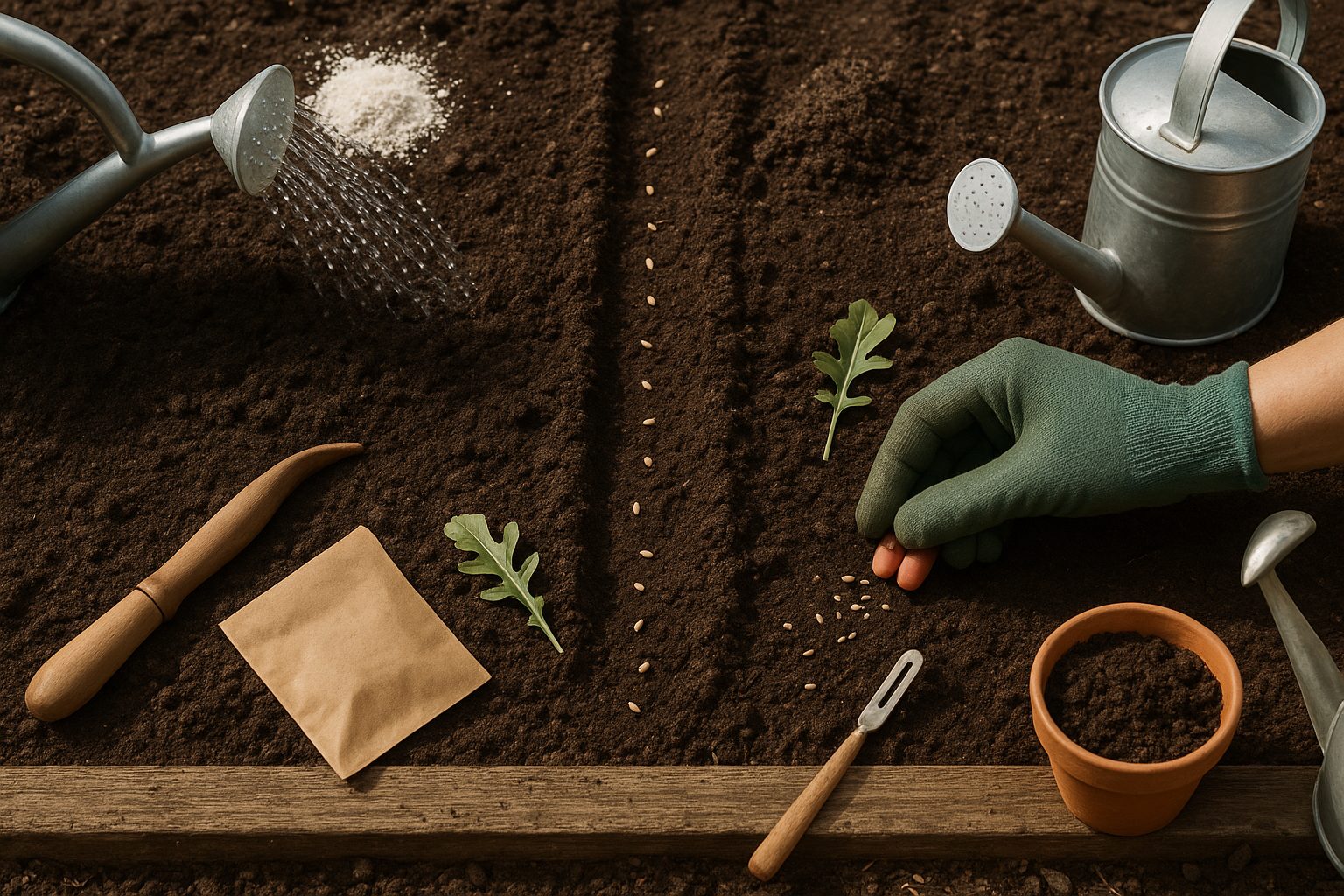
Proper spacing is a key factor in avoiding common arugula growing mistakes, yet it’s often overlooked by eager gardeners. When you sow arugula seeds too close together or let seedlings crowd one another, you create an environment where airflow is restricted and light doesn’t reach every plant. This lack of space not only stunts the healthy growth of each arugula leaf but also encourages fungal diseases like downy mildew and damping off.
Overcrowded arugula tends to become leggy, pale, and more prone to root rot due to increased competition for water and nutrients. To grow robust, pest-resistant arugula, plant seeds about one inch apart in rows spaced six to eight inches apart. Once seedlings appear, thin them so each plant has at least three to four inches of space to grow.
Thinning might feel wasteful, but giving your arugula plenty of room allows it to develop full, vibrant leaves and reduces humidity around the foliage—making it less attractive to pests and disease. If thinning directly in the garden bed feels tricky, try transplanting the extras to another spot or a container.
Regularly checking your arugula patch and removing weaker, crowded seedlings can greatly improve your harvest quality—leading to tender, flavorful greens and a much less stressful growing season.
Neglecting Soil Quality and Fertility
One of the most common arugula growing mistakes is overlooking the importance of soil quality and fertility. Arugula thrives in well-draining, loose soil rich in organic matter. Ideally, the soil should have a neutral pH between 6.0 and 7.0. Many gardeners make the mistake of planting arugula in compacted or clay-heavy soils, which can suffocate roots and cause poor drainage. This leads to stunted growth and a higher risk of root diseases.
Nutrient-poor soil is another common pitfall. Because arugula grows quickly, it needs a steady supply of nutrients to develop tender, peppery leaves. To fix these issues, start by testing your soil’s pH and texture — simple home kits are widely available. Amend heavy or compacted soils with plenty of well-rotted compost or leaf mold to improve structure and fertility. Adding a balanced organic fertilizer before planting can also give your plants a helpful nutrient boost.
For ongoing soil health, top-dress rows with compost during the growing season and use mulch to suppress weeds and retain moisture. Rotating arugula with other crops each season helps prevent nutrient depletion and reduces pest buildup. By prioritizing your soil’s health from the start, you set the stage for a bountiful, flavorful arugula harvest every time.
Underwatering or Overwatering
One of the most common arugula growing mistakes is inconsistent watering—both underwatering and overwatering can stress your plants and lead to disappointing results. Arugula thrives in soil that stays evenly moist but never soggy, so getting your watering routine right is crucial.
When arugula doesn’t receive enough water, its leaves can wilt, become tough, and develop a strong, bitter flavor. The soil will look dry, and the plants may appear stunted or droopy, especially during hot weather. On the flip side, giving arugula too much water can suffocate the roots and encourage fungal diseases and root rot—the leaves might yellow, the plant may collapse, or roots may appear brown and mushy when disturbed.
To avoid these pitfalls, check the soil moisture with your finger: if the top inch feels dry, it’s time to water. For garden beds, a deep soaking once or twice a week is often enough—but adjust according to rainfall and temperature. In containers, arugula may dry out faster, so check daily and water until it begins to drain from the bottom holes. Mulching around the plants with straw or shredded leaves can also help regulate soil moisture.
Remember, consistent, moderate watering helps arugula grow quickly and keeps the leaves mild and fresh—key to avoiding problems before they start.
Ignoring Pests and Diseases
One of the most common arugula growing mistakes gardeners make is overlooking the threat of pests and diseases. Arugula is particularly appealing to flea beetles—tiny black jumping insects that chew small holes in the leaves—and these pests can quickly decimate your crop. Aphids, cabbage loopers, and slugs are also frequent visitors to arugula patches.
When it comes to diseases, downy mildew and bacterial leaf spot can be especially problematic in humid conditions. Early warning signs, such as pinprick-sized holes in the leaves, yellowing, or fuzzy grayish spots on the undersides, are easy to miss. Ignoring these symptoms allows pests and diseases to spread rapidly, resulting in deformed, bitter, or stunted plants and a much smaller harvest.
For organic gardeners, prevention is often the best defense. Using floating row covers can physically block pests like flea beetles and cabbage loopers before they take hold. Promote healthy growth and disease resistance by spacing arugula properly for good airflow, watering at the base rather than overhead, and removing plant debris. Introducing beneficial insects like ladybugs and lacewings helps naturally control aphid populations.
If problems do occur, treat fungal issues with organic remedies such as neem oil or a homemade baking soda spray. You can also handpick pests if their numbers are low or wash them off with a gentle stream of water. By inspecting your plants a few times a week and acting quickly at the first signs of trouble, you’ll stop minor issues from turning into garden disasters.
Delaying Harvest or Harvesting Incorrectly
One of the most common arugula growing mistakes is waiting too long to harvest or picking the leaves incorrectly. Timing is everything with arugula: young leaves are tender and have a mildly peppery flavor, while older leaves can become tough and bitter. If you let arugula grow unchecked, it quickly bolts—sending up tall flower stalks, which means the plant’s energy shifts from leaf production to seed-making. Once bolted, the leaves become even more pungent and unpleasant, making your crop far less enjoyable to eat.
To avoid these issues, start harvesting individual outer leaves when they reach about 3-4 inches long, usually within 3-4 weeks of sowing. Use clean scissors or gently pinch the leaves at the base, being careful not to disturb the central growing point—this encourages new growth and lets you pick leaves over several weeks instead of all at once.
For ongoing harvests, check your plants every few days and remove any leaves before they get oversized (longer than five inches) or before flower stalks appear. If you notice rapid growth or warmer temperatures, harvest more aggressively, since these signs usually mean bolting is near. If you prefer a full head, cut the plant an inch above the soil line for a one-time harvest, but keep in mind that baby leaves are always milder and more versatile for salads and sandwiches.
By mastering the right timing and technique, you’ll enjoy the freshest, best-tasting arugula possible throughout the entire season.
Conclusion & Quick Recap
Avoiding common arugula growing mistakes like overcrowding, irregular watering, and neglecting pest checks can make a big difference in your harvest. Start by giving your plants enough space and sunlight, water consistently, and watch out for pests like flea beetles. These simple steps will help you grow healthier, more flavorful arugula.
Try incorporating these tips in your next planting cycle—you’ll enjoy better yields and happier plants. For even greater success, explore related topics like organic pest management and companion planting to expand your gardening knowledge and maximize your edible garden’s potential.