“`html
Introduction
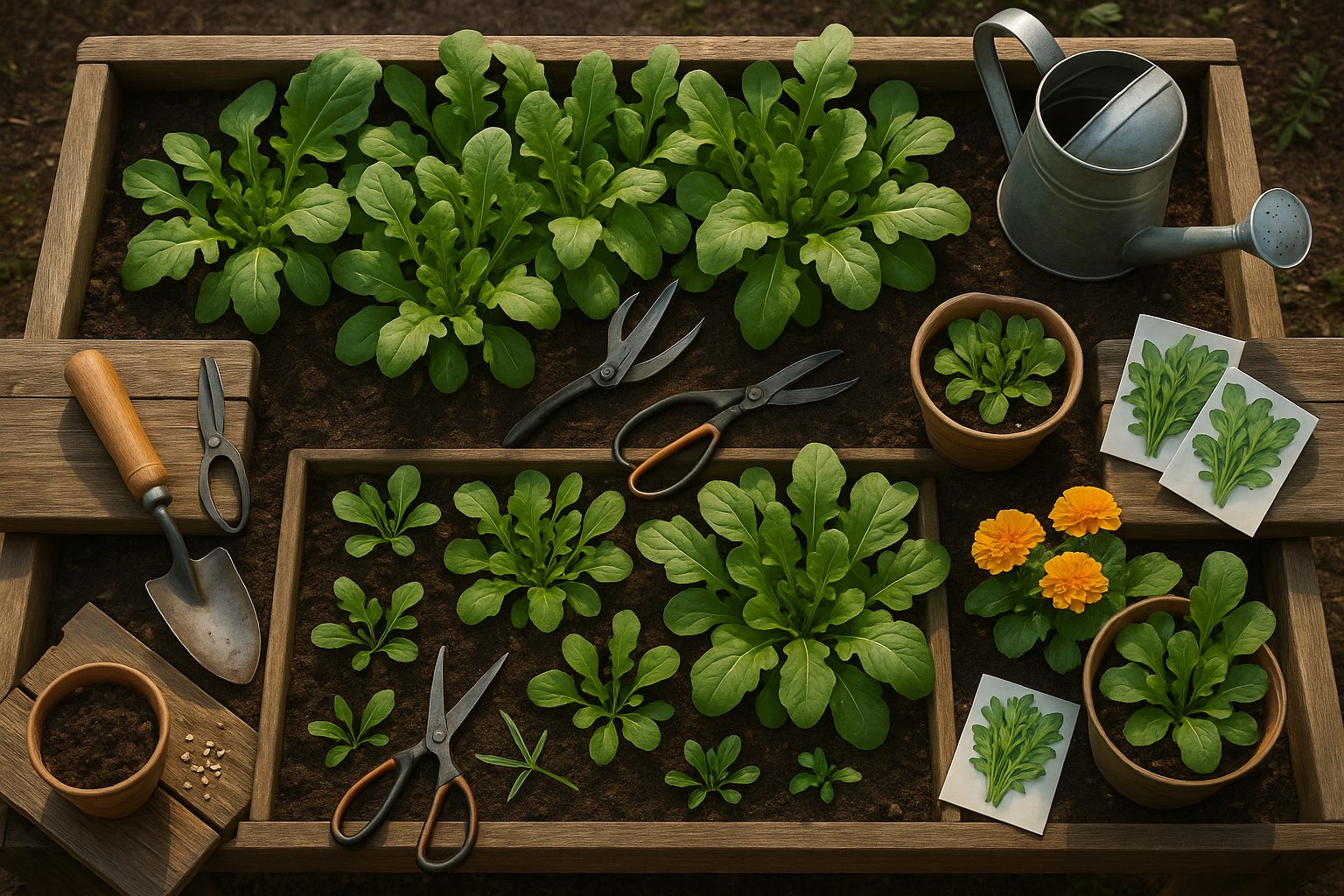
Arugula gardening tools can make all the difference when it comes to growing this zesty, fast-maturing leafy green in your backyard. Arugula is a favorite among home gardeners for its peppery flavor and quick turnaround from seed to harvest—sometimes in as little as four weeks! Although arugula is easy to grow, having the right tools ensures your plants stay healthy and your harvests are abundant and hassle-free.
For example, using a sharp pair of snips instead of kitchen scissors can prevent bruising those tender leaves, and a simple soil moisture meter helps you avoid overwatering, which arugula doesn’t like. In this article, we’ll highlight the best arugula gardening tools designed to make every step—from preparing your soil to snipping the freshest leaves—a breeze. Whether you’re sowing your first row on a balcony or tending a flourishing vegetable patch, choosing the right gear will help you get the most out of your arugula crop, season after season.
Let’s dive into the essentials that will set you up for success in your arugula garden.
“`
Choosing the Right Garden Bed and Soil Tools
Arugula thrives in loose, well-draining soil that encourages rapid growth and robust flavor, so selecting the right arugula gardening tools for bed and soil preparation is essential. Compacted or heavy soils can stunt arugula roots and slow development, while soggy conditions often lead to root rot.
To create the perfect growing environment, start with a sturdy hand trowel to dig out weeds and mix in organic compost for added nutrients. A handheld cultivator is another must-have; its prongs easily break up clumps and help blend soil amendments, ensuring roots can spread freely. For larger garden beds, a garden fork works wonders—it’s excellent for aerating soil and improving drainage, which arugula loves.
If you’re working with raised beds, focus on using lightweight, sterilized soil blends designed for vegetables, and use your fork and cultivator to maintain a fluffy texture season after season. In containers, choose pots with ample drainage holes and consider a mini trowel for easier maneuvering in tight spaces. A soil scoop is also handy for quickly filling containers or topping off beds.
Avoid overpacking your soil—arugula seeds are tiny and delicate, so press them in gently. No matter which method you use, check soil moisture frequently and avoid waterlogging. By using these simple but effective arugula gardening tools and prioritizing soil quality, you’ll set the stage for healthy, fast-growing arugula—whether you’re tending a vast garden, a raised bed, or a small patio pot.
Essential Tools for Sowing Arugula Seeds
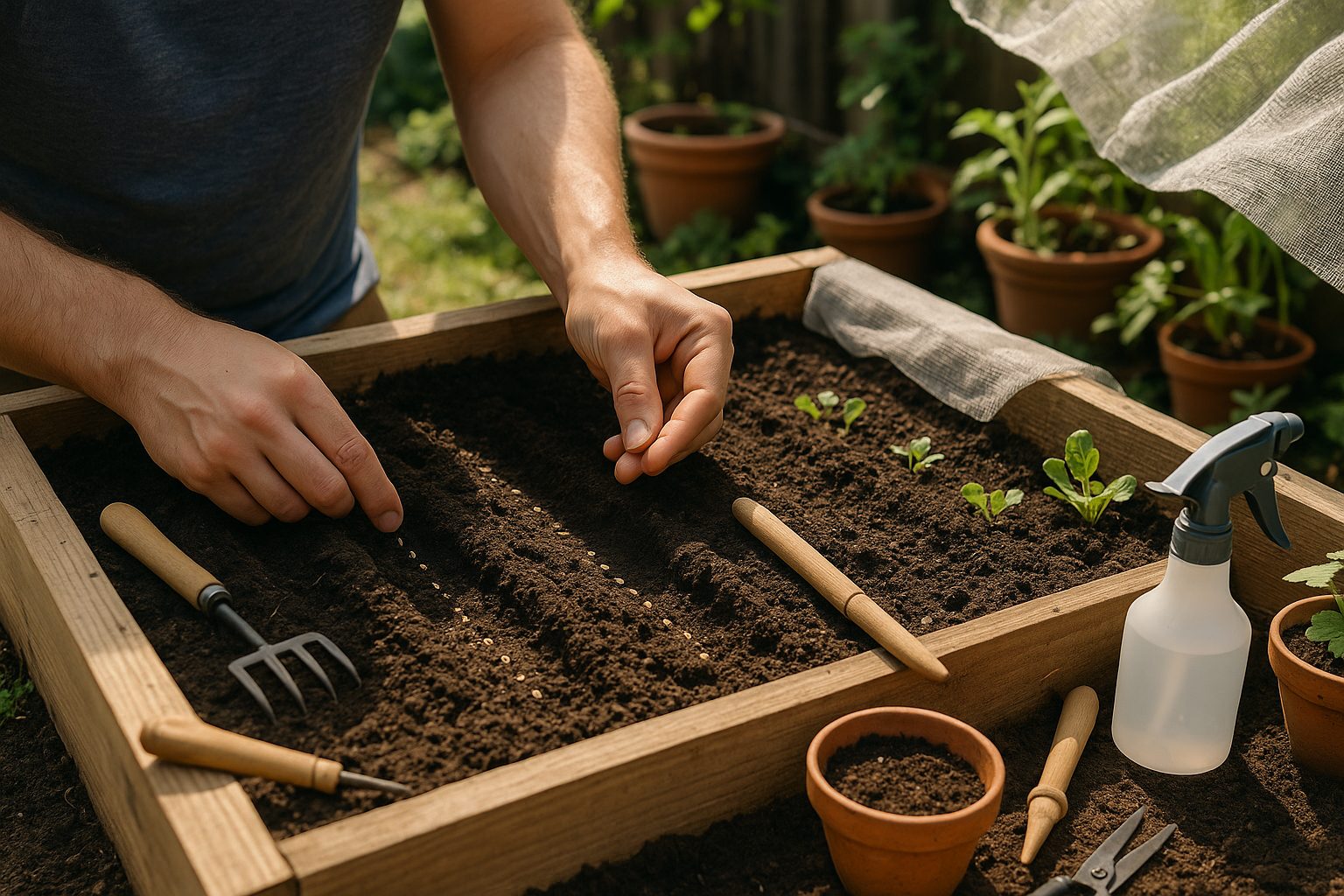
When it comes to arugula gardening tools for sowing seeds, getting the basics right makes all the difference for a healthy, abundant crop. Arugula seeds are tiny and should be spaced about 1 inch apart in rows that are 10-12 inches apart, which can be tricky without the right tools.
seed dispensers and handheld seeders are fantastic for ensuring even seed distribution; these tools help you avoid clumps and bare spots, making thinning less of a chore later. If you like precision, a planting ruler or a wooden ruler marked in inches is a simple way to lay out straight, evenly spaced rows. A dibber—a pointed stick or tool—comes in handy not only for making the right planting depth (about 1/4 inch for arugula seeds) but also for creating small holes in compacted soil.
For marking rows, stretch a length of twine between two stakes, or gently drag a stick or handle along the surface as a guide. If you’re new to gardening and want to keep costs low, you can create your own seed shaker using a cleaned-out spice jar; its perforated top distributes arugula seeds gently and evenly. Alternatively, mix the seeds with a bit of dry sand, then sprinkle the blend along your rows to help spread them out by hand.
Whichever approach you choose, focusing on consistency in spacing and depth helps your arugula seeds germinate well, setting the stage for a lush, productive bed.
Watering Tools for Healthy Growth
Consistent moisture is critical for robust, flavorful arugula, as irregular watering can cause this leafy green to turn bitter or bolt prematurely. The right watering tools play an essential role in keeping your arugula beds evenly hydrated. For small container gardens or raised beds, a classic watering can with a fine rose (sprayer head) is handy—it offers control and delivers a gentle shower, reducing soil disruption around delicate seedlings.
In slightly larger gardens, hoses with adjustable spray nozzles provide flexibility; choose a nozzle designed for “shower” or “mist” settings to avoid flooding the soil or splashing water on the leaves, which can increase the risk of fungal issues like downy mildew. If you’re growing a sizable patch or want to automate your watering routine, a drip irrigation system is the gold standard. Drip lines deliver moisture directly at soil level, conserving water and keeping arugula foliage dry—an effective way to prevent disease.
Whichever tool you choose, make it a habit to water early in the morning when evaporation is low and humidity is rising, helping plants stay hydrated through the hottest part of the day. Always check the soil with your finger; arugula likes soil that’s consistently damp but not soggy. Avoid overwatering by ensuring good drainage and letting the top inch of soil dry slightly between waterings—standing water and puddles can quickly rot roots or attract pests.
With a little attention and the right arugula gardening tools, you’ll create the perfect growing environment for this vibrant, peppery green.
Best Tools for Ongoing Care and Pest Protection
Keeping your arugula beds healthy and thriving requires ongoing care, and the right arugula gardening tools can make all the difference. For starters, a simple hand weeder or a classic garden hoe is essential for controlling weeds around your arugula. Weeds compete for nutrients and water, so regularly loosening the soil and removing them helps keep your greens vibrant. Hand weeders work well for precise tasks in tightly spaced rows, while a lightweight hoe is perfect for larger areas.
To protect your arugula from common pests like flea beetles, consider using lightweight row covers or fine garden mesh. These act as a physical barrier—just drape them over low hoops or directly above the plants to block insects without restricting sunlight or airflow. Covers are especially useful during early seedling stages when arugula is most vulnerable. If you notice holes in the leaves or sudden wilting, briefly uncover the plants to inspect and address any issues before recovering your beds.
Don’t forget to use plant labels or sturdy garden markers—these simple tools help you keep track of arugula varieties, sowing dates, and layout plans. Staying organized supports crop rotation, which is key for pest and disease management, and saves time during harvesting or replanting. By regularly checking for weeds, protecting against pests, and labeling your crops, you’ll simplify ongoing arugula care and enjoy a bountiful, healthy harvest season after season.
Spotlight on Harvesting Tools for Arugula
When it comes to arugula gardening tools specifically for harvesting, sharp garden scissors and harvest knives are absolute essentials. Quality scissors with clean, sharp blades allow quick, precise cuts that minimize damage to the tender arugula leaves—preserving both their taste and appearance. A specialized harvest knife, such as one with a curved serrated blade, can also make harvesting smoother, especially when managing a larger patch.
The choice between cutting and uprooting depends on your harvest goals. For a steady supply, the cutting method is best: snip only the outer leaves about an inch above the base, leaving the central growth intact so the plant continues producing. This “cut and come again” strategy can extend your harvest for weeks. In contrast, uprooting the entire plant is ideal at the season’s end or when the crop begins to bolt and develop a bitter taste.
Whatever your harvesting style, keeping your arugula gardening tools clean is crucial. Dirty or dull blades can tear leaves, increasing susceptibility to disease and spoilage. To maintain your tools, develop a simple post-harvest routine: rinse blades with water to remove plant sap and soil, then dry them with a clean cloth. For extra protection against pathogens, occasionally dip your tools in a mild disinfectant solution—one part household bleach to nine parts water—and let them air dry.
Regularly sharpening your blades is important, too. Dull tools slow the process and cause more damage to the arugula. Store your tools in a dry place, ideally indoors or in a weatherproof shed, to prevent rust and ensure smooth harvesting next time. By dedicating a few minutes to tool care, you protect your arugula patch’s health and set yourself up for repeated, high-quality harvests.
Bonus: Storage and Cleaning Tools to Keep Arugula Fresh
After harvesting your arugula, maintaining its freshness is key to enjoying the peppery flavor and delicate texture that make this green so popular. Start by rinsing your arugula leaves thoroughly with cool water to remove any dirt or insects. A colander is especially handy for this, as it allows water to flow freely while keeping the leaves contained.
For quicker and gentler drying, a salad spinner is a must-have arugula gardening tool—just load in the rinsed leaves, spin, and watch excess water disappear, helping prevent sogginess or rot. Once dried, transfer your arugula into food-safe storage options. Choose airtight containers or reusable produce bags designed to keep humidity at bay. Even placing a paper towel inside the container can absorb extra moisture and maximize crispness.
As a quick tip, avoid overpacking your arugula since crowding speeds up wilting—looser packing lets air circulate. If you plan to use your greens within a few days, storing them in the crisper drawer of your fridge offers the ideal balance of moisture and airflow. With just a few of these storage and cleaning essentials, you’ll easily extend the shelf life of your freshly harvested arugula, ensuring every salad tastes garden-fresh.
Conclusion
Selecting the right arugula gardening tools can make every step—from planting seeds to harvesting crisp leaves—more enjoyable and successful. Essential tools include a hand trowel for sowing, a watering can or hose with a gentle nozzle, sturdy garden scissors for clean harvests, and gloves to protect your hands. Investing in quality tools not only saves time but also boosts your chances of growing a thriving patch. If you have a favorite tool or a helpful tip for growing arugula, please share it in the comments—your experience can help fellow gardeners grow even better greens!