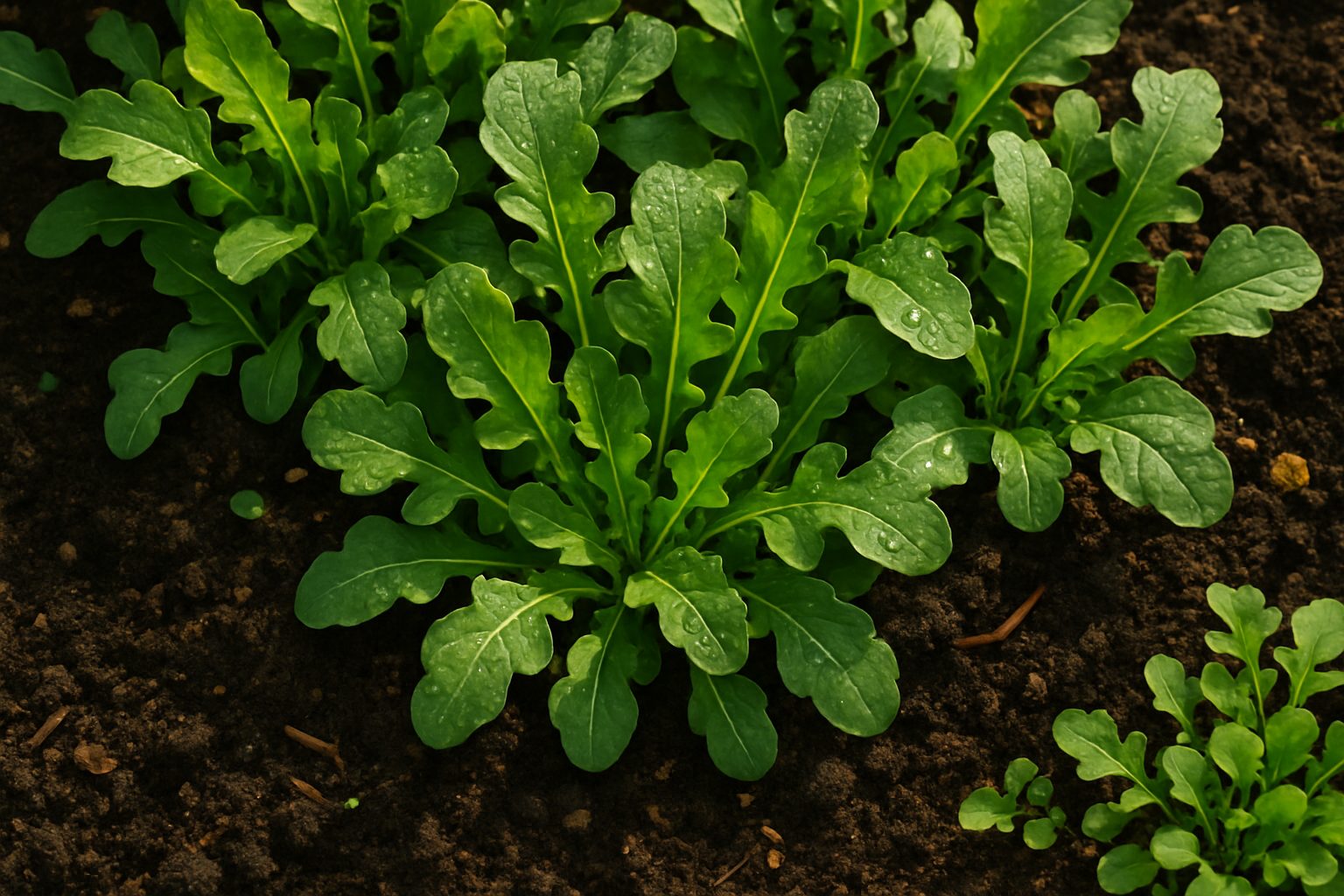
Introduction
Arugula has quickly become a favorite among home gardeners and chefs alike, prized for its peppery flavor, delicate leaves, and versatility in salads and dishes. If you want to enjoy a steady supply of fresh greens right from your backyard or windowsill, one of the first things to get right is the best soil for arugula. Healthy, nutrient-rich soil is key to robust arugula growth—and it can make a huge difference in the taste and texture of your harvest. Poor soil often results in spindly plants, bland flavor, or vulnerability to pests and disease. But with a few simple soil adjustments, you can encourage lush, flavorful leaves throughout the growing season.
In this post, we’ll guide you in choosing and preparing the best soil for arugula, whether you’re planting in a raised bed, container, or traditional garden plot. Along the way, we’ll share practical tips and examples to help your arugula thrive, so you can enjoy crisp salads and fresh toppings in no time.
Understanding Arugula’s Soil Needs
Arugula, known for its rapid growth and peppery leaves, thrives best in specific soil conditions that suit its unique characteristics. This leafy green prefers a cool, short growing season, and its shallow roots make it highly responsive to both soil quality and moisture.
For the best soil for arugula, choose a well-draining, nutrient-rich soil. Heavy clay or waterlogged soils can quickly cause root rot and stunt growth. Sandy loam is ideal because it holds moisture without becoming compacted, allowing roots to easily access oxygen and nutrients. Adding well-rotted compost or organic matter to your garden bed can greatly improve soil fertility and texture, which directly boosts leaf size and vigor.
Soil pH is another important factor—arugula prefers a slightly acidic to neutral range, generally between 6.0 and 7.0. If the soil is too acidic or alkaline, arugula may struggle to absorb essential nutrients, resulting in smaller, less flavorful leaves. Taste and leaf quality also depend on soil conditions; poor, depleted soils can produce bitter, tough greens, while balanced, rich soils yield tender, mild-tasting arugula perfect for salads.
Regular soil testing can help you adjust pH and nutrient levels as needed to ensure continuous, high-quality harvests. For container gardening, use a premium potting mix that mimics the properties of fertile garden soil for consistent results. Tailoring the soil to arugula’s needs is a simple step that pays off with tastier, healthier greens throughout the season.
Ideal Soil Characteristics for Arugula
Arugula thrives best in soil that is loamy and crumbly, providing excellent drainage alongside just the right amount of moisture retention. A well-balanced loam ensures the roots get enough air and water, helping to prevent diseases caused by soggy or compacted soil. Good drainage is essential—arugula roots don’t like sitting in water for long, so the soil should never feel sticky or heavy after rain.
Along with good texture, the best soil for arugula is rich in organic matter. Adding compost or well-rotted manure to the top few inches supplies a steady stream of nutrients and helps maintain that prized crumbly structure. High fertility promotes lush, speedy growth and abundant, tender leaves—the perfect ingredients for great salad greens.
On the other hand, compacted or heavy clay soils tend to hold too much water, leading to root rot and poor air circulation. Clay also makes it difficult for young plants to push through, resulting in weak, spindly arugula that rarely develops full flavor. Signs your garden soil may not be ideal include standing water after rain, hard clods that don’t crumble easily, stunted plants, or yellowing leaves.
To improve less-than-perfect soil, start by mixing in plenty of organic matter—this not only boosts fertility but also lightens heavy clay and helps sandy soils retain moisture. You can add coarse sand, leaf mold, or peat moss to improve drainage in denser soils. raised beds are a great solution for poor native soil, allowing you to create the perfect mix from the start.
Whether you’re gardening in the ground or in containers, aim for soil that feels soft, earthy, and fluffy between your fingers—this is the surest sign you have the best soil for arugula, setting the stage for a flavorful harvest.
Amending and Preparing Soil for Arugula
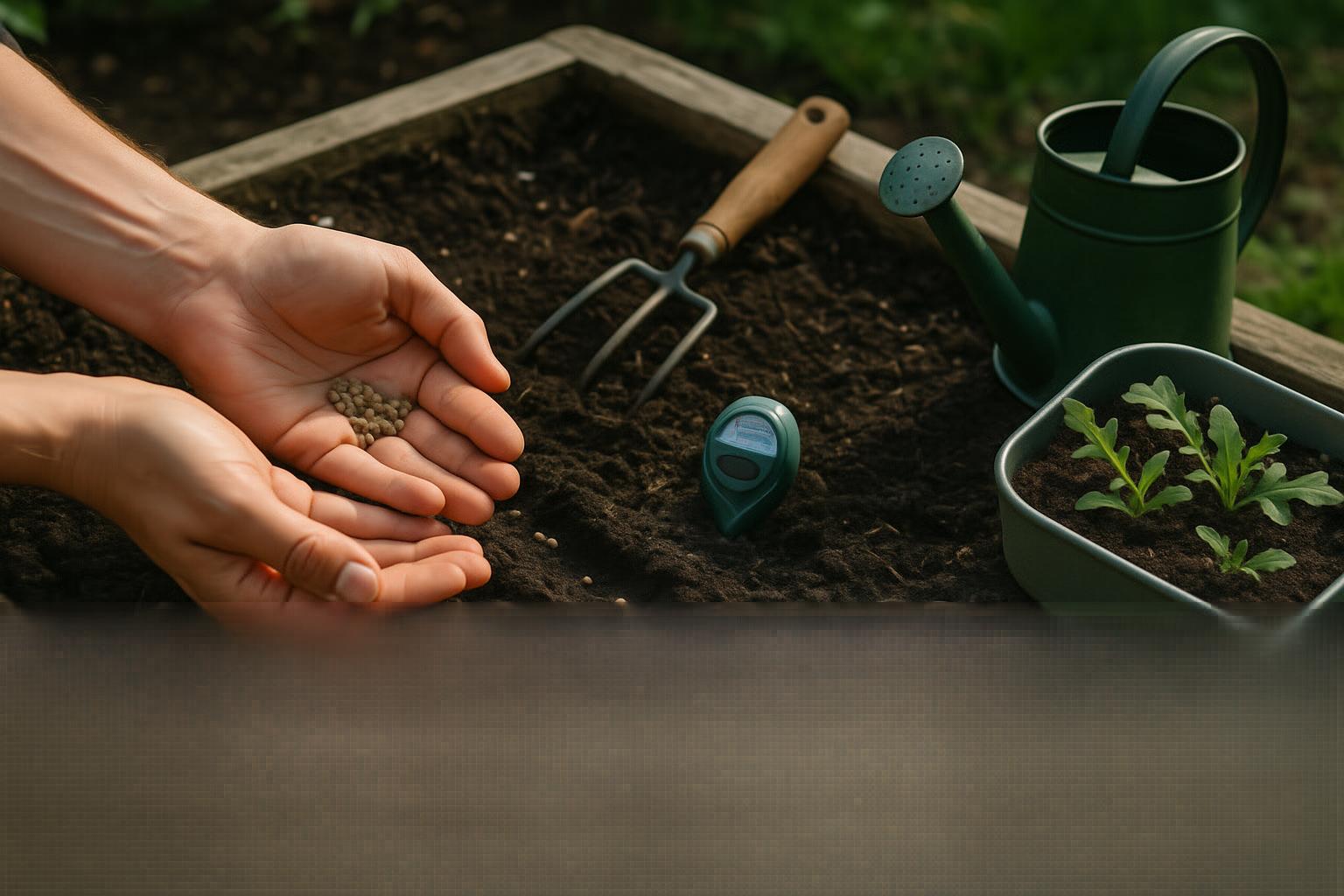
Before planting arugula, a few simple steps to test and amend your garden soil can make a big difference in your plants’ health and harvest. Start by using an inexpensive soil pH kit—available at garden centers or online—to check your pH level. The best soil for arugula is slightly acidic to neutral, ideally between 6.0 and 7.0. While testing for pH, it’s also a good idea to use a basic soil test kit or send a sample to your local extension office to check nutrient levels, especially nitrogen, phosphorus, and potassium.
Once you know what your soil needs, you can select the right amendments: if the soil is too acidic (below 6.0), adding garden lime will gently raise the pH; if it’s too alkaline, sulfur can help lower it. To boost overall fertility, mix in plenty of finished compost or well-rotted manure—these not only feed arugula but also improve soil structure and drainage.
If your soil is heavy or retains water, adding coarse sand or perlite will help loosen and aerate it, ensuring arugula roots get the oxygen they need. Before planting, use a garden fork or tiller to turn the soil to a depth of at least 6 to 8 inches, breaking up large clods and removing stones or weeds. Rake the bed smooth so the texture is light and fluffy—this makes it easy for arugula seeds to germinate quickly and roots to spread freely.
With these simple preparations, you’ll create the best possible environment for vibrant, flavorful arugula all season long.
Best Store-Bought Soil Mixes for Container Arugula
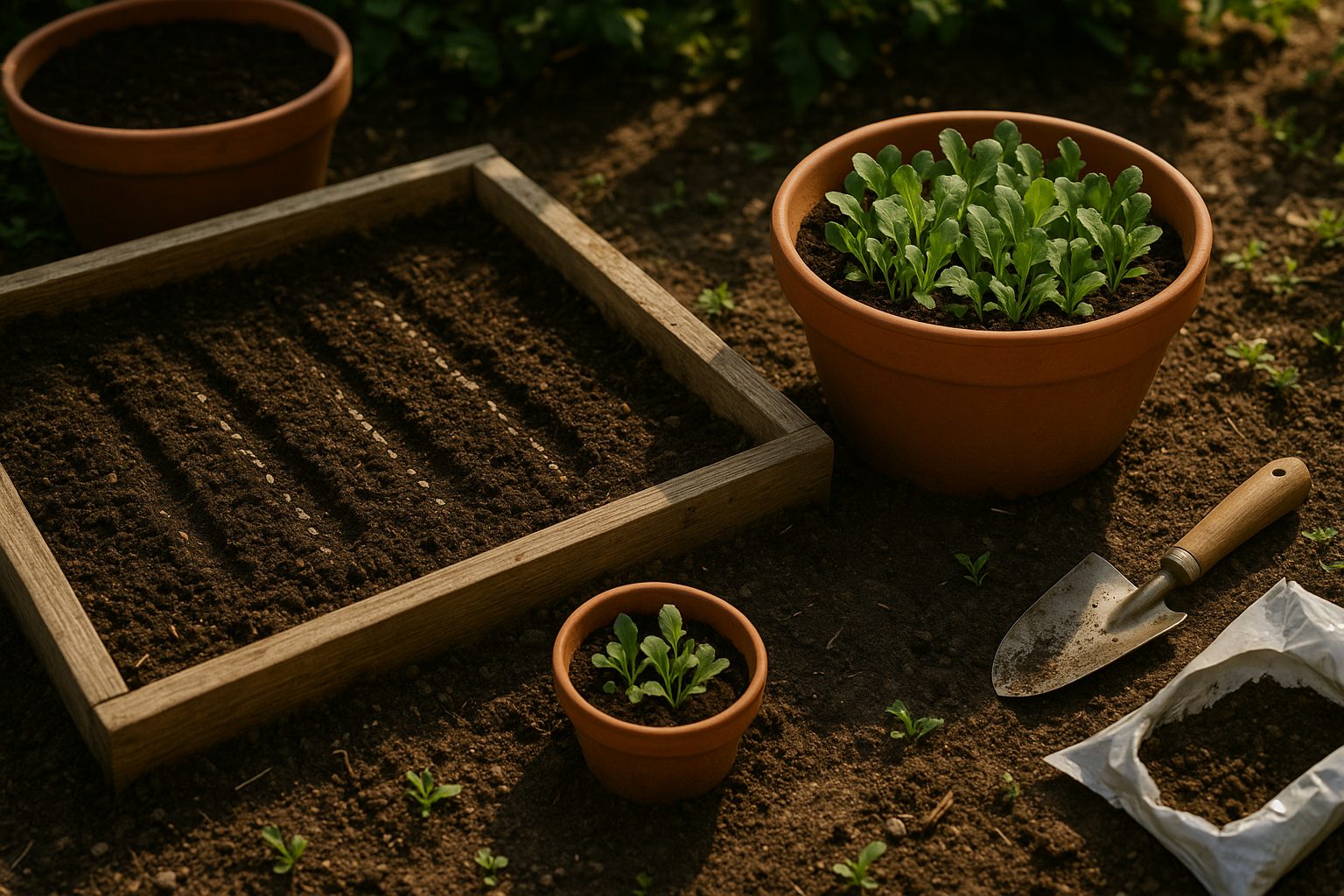
When shopping for the best soil for arugula in containers, look for a blend that is organic, well-draining, and enriched with compost. Organic mixes are free from synthetic chemicals, making them safer for edible greens. Well-draining soil is crucial to prevent arugula’s shallow roots from becoming waterlogged—choose mixes containing coconut coir, peat moss, or perlite. Compost or worm castings increase nutrient content, promoting strong, leafy growth.
Several store-bought options stand out:
- FoxFarm Ocean Forest Potting Soil: Rich and airy, perfect for leafy greens.
- Espoma Organic Potting Mix: A balanced, eco-friendly blend that retains moisture without becoming soggy.
- Miracle-Gro Performance Organics Raised Bed Mix: Ideal for larger containers.
To customize your soil mix for arugula, consider adding perlite for better drainage or mixing in a couple of handfuls of worm castings for continuous nutrition. Over time, container soils can become compacted or depleted. Refresh your soil between planting cycles by removing roots and debris, then add fresh compost or a slow-release organic fertilizer.
If you plan to reuse soil, spread it out to dry in the sun and amend it with fresh organic material before replanting. These simple steps can make a big difference, helping your arugula grow quickly and stay healthy season after season.
Common Soil Problems and How to Fix Them
When growing arugula, the quality of your soil can make all the difference between thriving greens and disappointing harvests. One common soil issue is pH imbalance; arugula prefers a slightly acidic to neutral pH (6.0 to 7.0). If your soil is too acidic (below 6.0), mix in finely ground agricultural lime to gradually raise the pH. For overly alkaline soils (above 7.0), add organic matter like compost or sphagnum peat moss to help lower the pH.
Poor drainage is another frequent problem that can lead to root rot and stunted growth. To fix soggy beds, incorporate coarse sand or compost to improve soil structure, or consider planting your arugula in raised beds or containers where drainage can be better controlled.
Nutrient deficiencies—especially low nitrogen—can cause arugula leaves to appear pale and small. Using an organic fertilizer rich in nitrogen, such as well-rotted manure or blood meal, before planting will replenish the soil without synthetic chemicals. Regular mulching with grass clippings or shredded leaves also returns nutrients and helps regulate soil moisture.
Finally, practicing crop rotation and planting diverse crops are sustainable ways to maintain healthy soil, avoid disease buildup, and naturally manage pests. By testing your soil annually and amending it with organic solutions, you’ll create the best soil for arugula—supporting vigorous, flavorful greens season after season.
Maintaining Healthy Soil Through the Growing Season
Consistently maintaining the best soil for arugula isn’t just about the initial preparation—it requires ongoing care throughout the growing season. Too much or too little water can damage soil structure and health. Watering thoroughly but not excessively helps prevent compaction and runoff, allowing roots to breathe and reducing erosion.
Using soaker hoses or drip irrigation delivers moisture directly to the roots, avoiding saturation on the soil surface and keeping your arugula happy. Mulching is another effective practice: applying a 1-2 inch layer of organic mulch, like shredded leaves or straw, retains moisture, suppresses weeds, and gradually feeds the soil as it breaks down. Mulch also protects the soil from pounding rain and scorching sun, minimizing erosion.
Rotating your arugula bed each year can prevent the buildup of pests and diseases common to leafy greens. Try planting arugula after beans or peas, which enrich the soil with nitrogen, or follow with a root crop like carrots to further diversify your garden’s ecosystem. Whenever possible, avoid relying on synthetic fertilizers or pesticides, as these can disrupt the delicate balance of beneficial microbes, pollinators, and earthworms that keep soil naturally fertile.
Instead, opt for compost tea or fish emulsion to give your arugula a nutrient boost without harmful side effects. Lastly, monitor your soil regularly throughout the season—use a simple pH test, check for compacted spots, and observe how water drains after rain. These routine check-ins help you catch issues early and keep your arugula patch thriving from planting through harvest.
Conclusion
Choosing the best soil for arugula means focusing on well-draining, nutrient-rich earth with a slightly acidic to neutral pH (6.0–7.0). Consistent moisture, plenty of organic matter, and regular aeration all play major roles in producing healthy, flavorful leaves. Good soil isn’t just about plant health—it’s your ticket to a more abundant and delicious harvest with every crop.
If you’ve tried different soil mixes or have questions about prepping your garden, share your experiences in the comments below. Community tips often make all the difference for new and seasoned gardeners alike!