Introduction
Gardeners around the world prize arugula not only for its peppery flavor but also for its reputation as a reliable cool-season crop. Understanding arugula frost tolerance can be the difference between a lush, healthy harvest and wilted, frost-damaged leaves. As backyard gardening gains popularity, many people are discovering that growing this leafy green is easy—if you know its limits when cooler temperatures arrive.
Whether you grow arugula in raised beds, window boxes, or alongside other spring vegetables, success depends on timing your plantings according to your region’s cold weather. Arugula can handle chilly nights better than many greens, but there’s a fine line between refreshing coolness and damaging frost. Misjudging that line could mean losing your crop just as it’s about to reach its prime.
This post will guide you through how freezing temperatures affect arugula, the conditions it can withstand, and how to protect your plants if a harsh frost is coming. You’ll gain practical tips on when to sow, how to shield your crop, and how to enjoy a steady harvest well into the cooler months.
Understanding Arugula’s Frost Tolerance
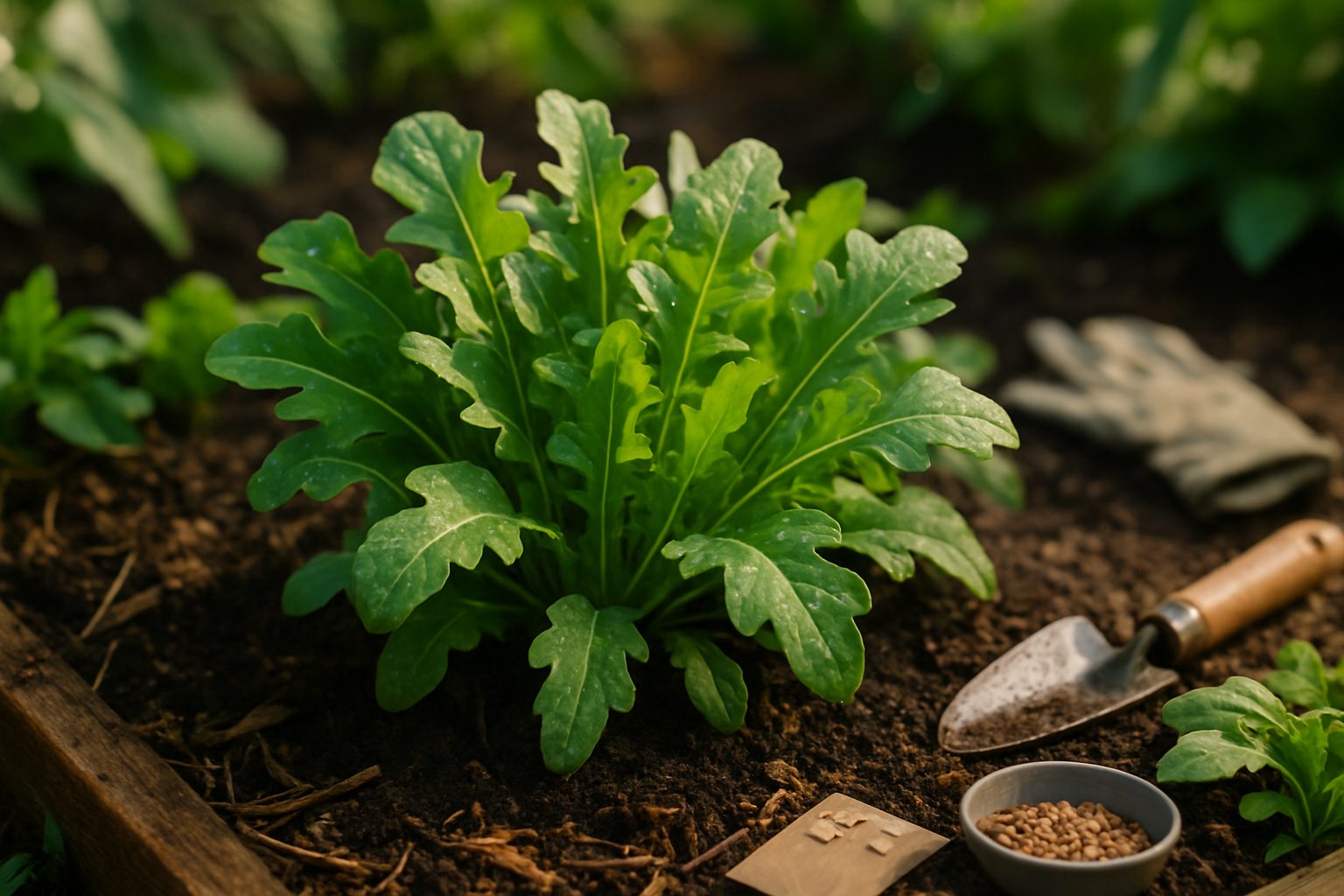
Arugula is a cool-weather crop, widely loved for its peppery leaves, making it a favorite among home gardeners and chefs alike. Compared to other leafy greens, arugula stands out for its strong resilience in chilly conditions—outperforming more tender varieties like lettuce or spinach. It actually prefers the crispness of early spring or fall, thriving best when daytime temperatures stay between 45°F and 65°F (7°C–18°C).
Nighttime lows dipping into the high 30s to low 40s Fahrenheit (about 4°C–7°C) generally don’t faze arugula, helping gardeners extend harvests while other greens might start to wilt or become bitter. However, while arugula handles light frosts impressively well, its true strength lies in its frost tolerance. Arugula can survive brief dips down to 24°F to 28°F (-4°C to -2°C), although repeated exposure or hard frosts below this threshold can cause leaf burn, slow growth, or even kill young plants.
For the best flavor and tender texture, growers should aim to keep arugula above freezing—protecting it with row covers or cold frames if hard frosts threaten. In zones where cold snaps are unpredictable, consider succession planting small batches every couple of weeks to spread out the risk and ensure a steady supply.
With these temperature benchmarks in mind, gardeners can confidently push the edges of the growing season, letting arugula’s natural frost tolerance work to their advantage while knowing exactly when extra protection is needed.
When Does Cold Become a Problem? (Critical Temperatures)
Arugula is well known for its cold-hardiness, but like all leafy greens, its arugula frost tolerance has limits. During the seedling stage, arugula is more vulnerable—experts, including those from university extension programs like Penn State, recommend keeping young plants above 28°F (-2°C) to avoid cold damage. At this stage, even a light frost—temperatures dipping just below freezing briefly—can turn leaf tips yellow or brown, stunting growth or killing the youngest seedlings.
Mature arugula, however, is surprisingly resilient. Studies and experienced gardeners have found that established plants can survive brief periods at temperatures as low as 24°F (-4°C), especially if gradually acclimated to cooler weather. But a hard freeze—prolonged temperatures below 24°F—does more than cause cosmetic leaf damage; it can cause plant cells to burst, resulting in wilted, mushy, or dead foliage.
Interestingly, arugula often recovers after mild frosts, producing new leaves that are sweeter than before. However, repeated freezes significantly reduce recovery chances. For best results, horticultural experts like those at Oregon State University recommend harvesting arugula before any forecasted hard freeze or using floating row covers to protect plants from temperature swings.
By monitoring local lows and shielding your crops on cold nights, you can maximize your arugula’s frost tolerance and enjoy a longer harvest into the chilly months.
Signs of Cold Damage in Arugula
Recognizing cold damage in arugula begins with closely observing the leaves and stems. After a frost, you might see the leaves turn dark green, almost translucent, or develop water-soaked spots. As the damage progresses, these areas often wilt and become mushy, especially in the thinner, more tender baby leaves that are most sensitive to arugula frost tolerance limits.
More severe damage can cause leaves to turn black or brown and become dry or brittle. Stems may split or collapse, clearly showing internal cell damage from freezing. Along with these visible changes, the flavor and texture of the arugula usually decline. Cold-damaged leaves often lose their characteristic peppery bite, becoming bland or even slightly bitter. The crisp, fresh texture is replaced by limpness or a slimy feel, making the greens less appealing for fresh use.
To assess the severity, check the center of the plant—if the new leaves remain healthy and firm, the damage is likely minor and the plant may recover with warmer weather. However, if the crown and interior stems show signs of rot or widespread discoloration, intervention is necessary. Trim off dead tissue and protect the remaining plant with a row cover or move it indoors if possible. By watching for these signs, you can help maintain your arugula’s quality and respond quickly before minor cold damage becomes severe.
Protecting Arugula from Chilling Temperatures
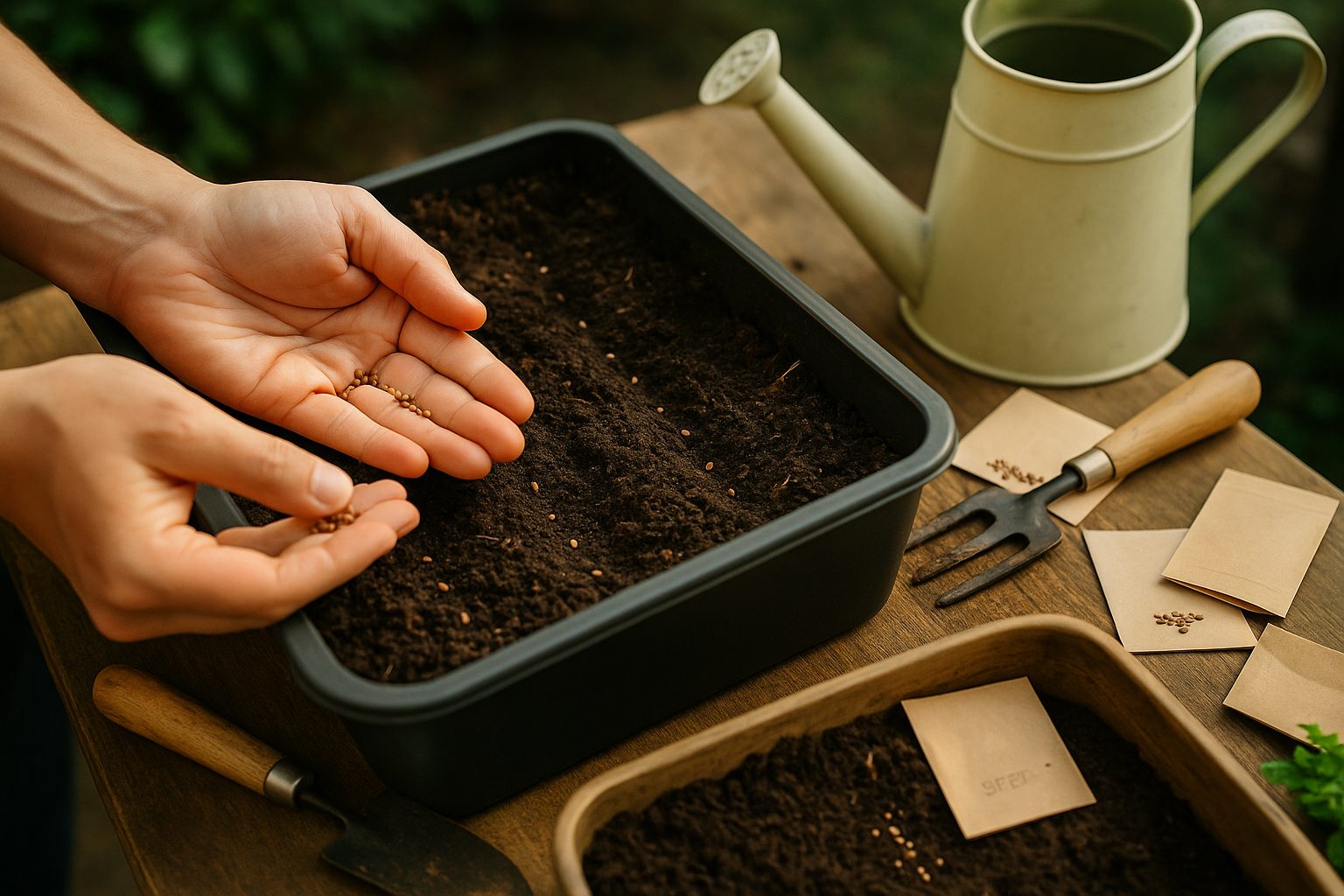
When temperatures start dropping and frost threatens, protecting your arugula crop is essential. While arugula has decent frost tolerance and can survive brief dips near 20°F (-6°C), prolonged exposure to cold can damage leaves and stunt growth. Using protective measures like row covers is a practical first step. Lightweight floating row covers allow light and moisture through while trapping warmth, creating a microclimate several degrees warmer than the outside air. Simply drape the cover over hoops or stakes above your arugula to avoid direct contact with delicate leaves, securing the edges with stones or soil.
For a sturdier, long-term solution, consider cold frames—boxlike structures with transparent lids that trap sun heat during the day and insulate plants at night. Position your cold frame facing south to maximize sunlight, and open the lid on milder days to prevent overheating. Another useful method is mulching: apply a thick layer (2–3 inches) of straw, shredded leaves, or grass clippings around—but not directly on—your plants. This mulch insulates the soil, retaining warmth and protecting arugula’s shallow roots from freeze-thaw cycles.
Timing is key for success. As soon as weather forecasts predict frost (often when autumn nights begin dipping below 32°F/0°C), put covers and mulch in place by late afternoon to trap residual ground heat from the day. Site selection is also crucial. Choose garden spots with ample sun exposure and wind protection, such as against a south-facing fence or wall that radiates heat after sundown. Avoid low-lying “frost pockets” where cold air settles.
By combining timely installation of row covers, cold frames, thoughtful mulching, and smart site selection, you can extend your arugula harvest well into the colder months, ensuring tender, peppery leaves despite chilly nights.
Indoor and Container Growing Options
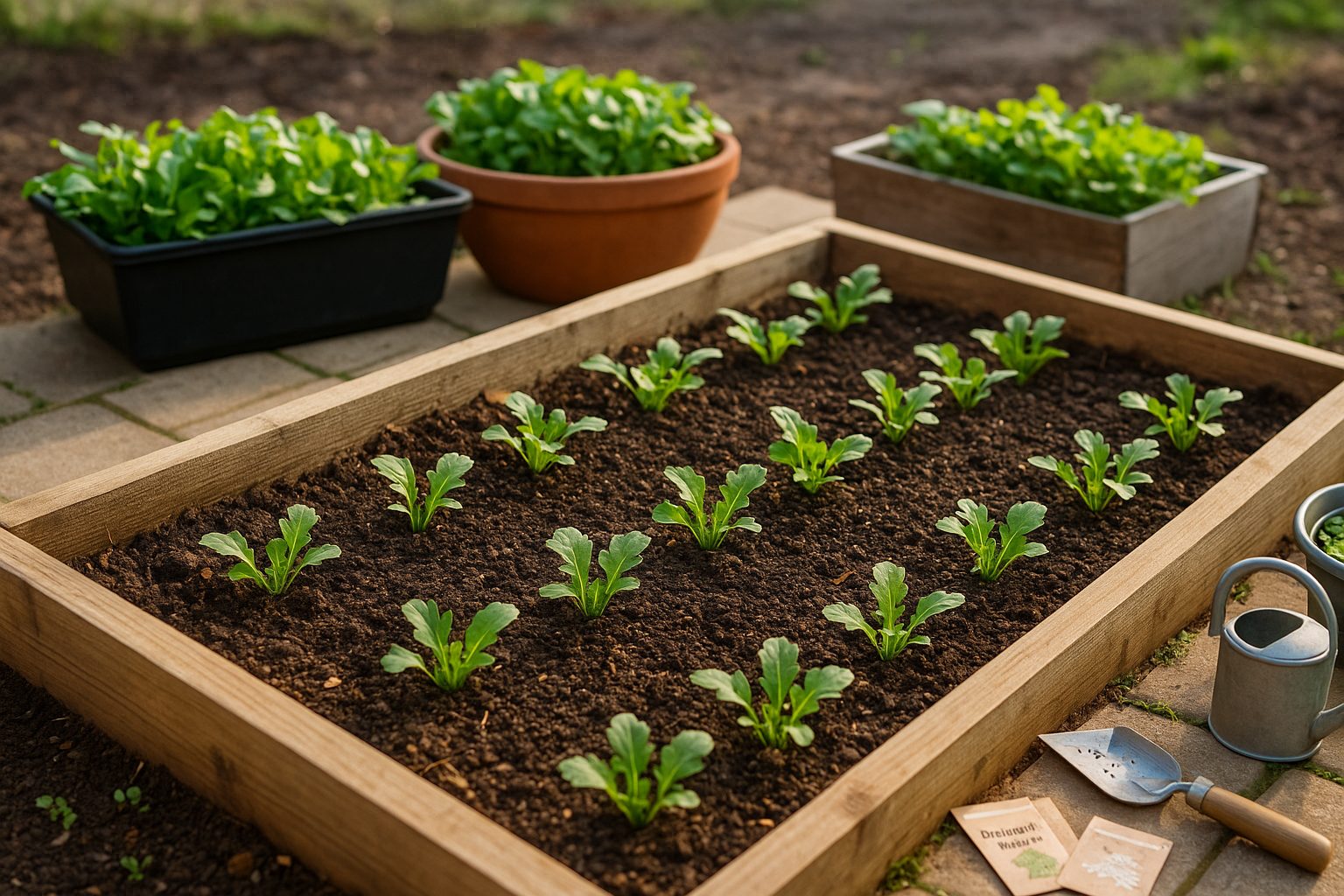
For gardeners dealing with chilly falls or unpredictable frosts, growing arugula indoors or in containers is an easy way to bypass temperature challenges and take advantage of arugula frost tolerance. Moving arugula inside—whether on a sunny windowsill, under grow lights, or in a greenhouse—allows you to control the temperature, keeping plants comfortably above their minimum of about 40°F (4°C) and preventing freezing.
Supplementing natural light with LED grow lights helps arugula thrive even during shorter, cloudier days. Maintaining indoor temperatures between 60°F and 70°F (16°C and 21°C) produces the tender, peppery leaves you love, no matter the weather outside.
If you prefer container growing, opt for lightweight pots with drainage holes so you can easily move your arugula from outdoors to a sheltered porch or garage on especially cold nights. Rolling plant caddies or portable shelves make this even more convenient. Be prepared to cover your pots with a frost blanket or an old bedsheet if a sudden frost is forecast.
This flexible approach lets you start growing arugula earlier in spring and continue well into late fall—sometimes year-round—regardless of outdoor conditions, ensuring a steady supply of fresh greens whenever you want.
Conclusion and Best Practices
When it comes to arugula frost tolerance, understanding your temperature limits is key to a successful crop. Arugula can withstand temperatures down to about 28°F (-2°C), but repeated exposure below this—especially in heavy frost or prolonged freezes—can stunt growth or kill young plants. To avoid cold damage, plant arugula in early spring or fall, timing your sowing so the most vulnerable stages avoid the harshest cold.
On frosty nights, using floating row covers or old bedsheets provides quick, affordable protection. Even a lightweight plastic tunnel can help shield plants from sudden temperature drops. Watering the soil before a cold front arrives can also insulate roots and lessen frost impact.
If unexpected cold weather hits, you can often trim away damaged outer leaves to allow healthy inner growth to recover. One of the best ways to optimize arugula success in your climate is to keep a simple garden journal—record temperatures, coverings used, and outcomes each season. Embracing a bit of experimentation builds gardening knowledge and often results in earlier springs and later harvests year after year, helping you discover exactly how much cold your arugula patch can handle.