Introduction
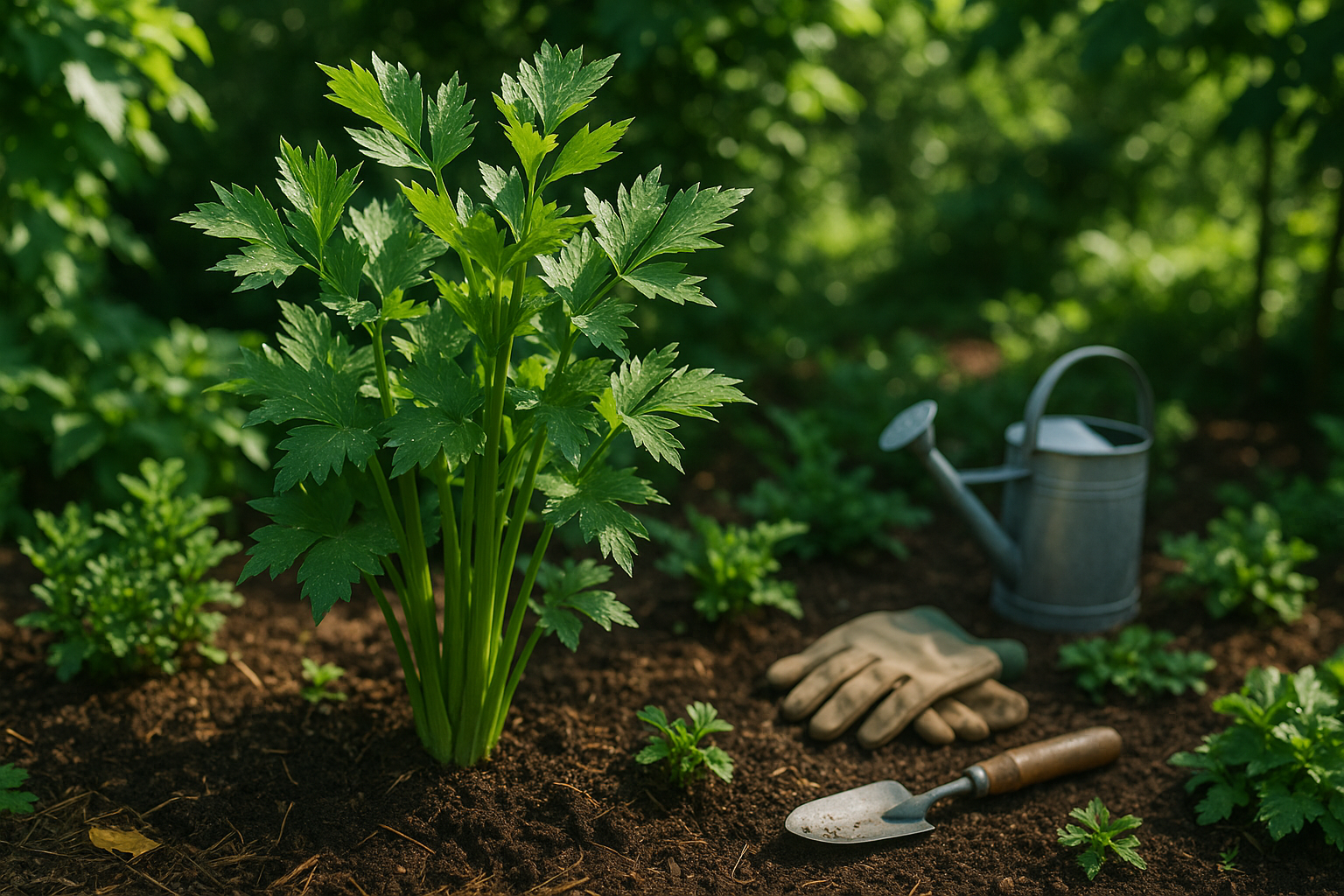
Growing lovage in hot weather can seem challenging, but with the right approach, this hardy perennial herb can thrive even when temperatures soar. Typically, lovage prefers cooler, temperate climates and well-drained soil, making it a versatile addition to many gardens.
However, if you’re dealing with sizzling summer days, you might notice wilting leaves, slower growth, or even plant stress. The key to successful lovage cultivation in hot weather lies in thoughtful water management and providing some afternoon shade—simple changes that make a big difference.
Mulching around the base helps retain soil moisture, and watering early in the day keeps the roots cool and hydrated. With a few practical adjustments and a keen eye on your plant’s needs, you can enjoy fresh, aromatic lovage throughout the season, adding unique flavor to your meals even in the heat of summer.
Understanding Lovage
Lovage is a tall, perennial herb with a celery-like flavor, prized for its aromatic leaves and hollow stems that add depth to soups, salads, and broths. Typically growing up to six feet tall, lovage prefers rich, well-drained soil and thrives in full sun to partial shade.
It is generally low-maintenance, requiring only regular watering and occasional fertilization. Compared to other common herbs like basil or cilantro, lovage is quite hardy, but it does have limits when it comes to heat.
Naturally, lovage is cool-season in temperament; it performs best in temperatures between 55°F and 75°F (13°C to 24°C). When exposed to prolonged high temperatures—especially above 85°F (29°C)—lovage may bolt, sending up flower stalks prematurely and causing the leaves to become tough and bitter. The plant can also show signs of wilting and leaf scorch if the soil dries out too quickly under intense heat.
One trait that helps lovage cope is its deep root system, which can pull moisture from lower soil layers, giving it a slight advantage over shallow-rooted herbs in dry spells. Still, without consistent moisture and partial afternoon shade, lovage is more likely to struggle than heat-loving Mediterranean herbs like rosemary or thyme.
For best results during heat waves, mulch around the base and water deeply to keep the plant cool and vigorous.
Soil and Site Selection for Hot Climates
Choosing the right soil and site is crucial for gardening in hot climates, where excessive heat can stress plants and threaten root health. Aim for well-draining soil, like sandy loam or a mix with plenty of organic matter, to keep roots from standing in water—these pools can trap heat and encourage root rot.
If your native soil is heavy clay, amend it with compost, coarse sand, or coconut coir to improve drainage and soil structure.
When selecting a location, look for a spot that receives good morning sun but is sheltered from intense afternoon rays. This could be on the east or northeast side of a building or shaded by taller plants or a pergola. This positioning helps prevent foliage scald and keeps soil temperatures from soaring.
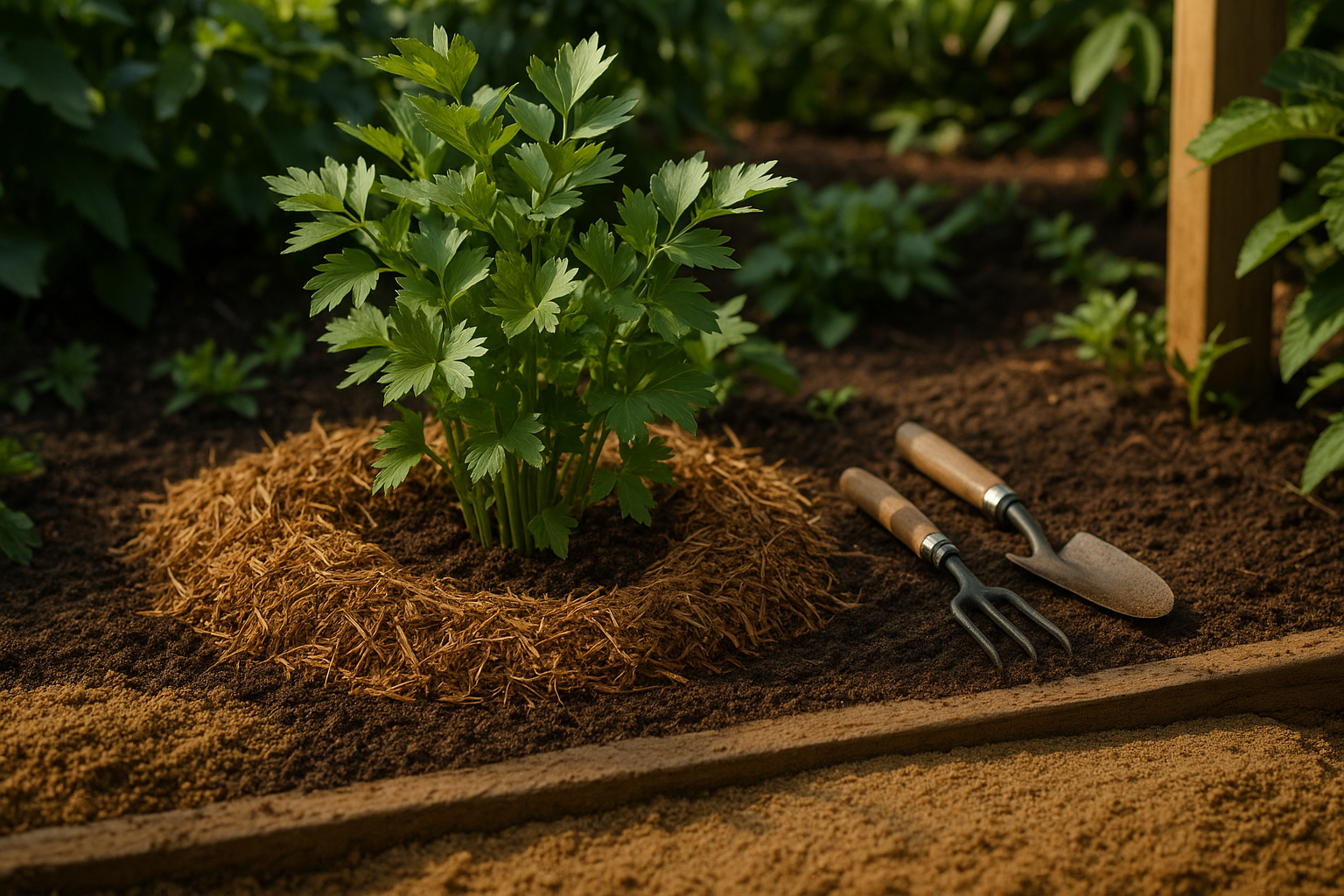
Mulching is another smart move: spread a thick two- to three-inch layer of organic mulch such as wood chips, straw, or shredded bark around your plants. Mulch acts as a natural insulator, keeping the soil moist and cooler during scorching afternoons, and reducing the need for frequent watering.
Remember, healthy roots are the foundation of resilient plants, so thoughtful site selection and soil preparation pay off all season long.
Watering Strategies in High Heat
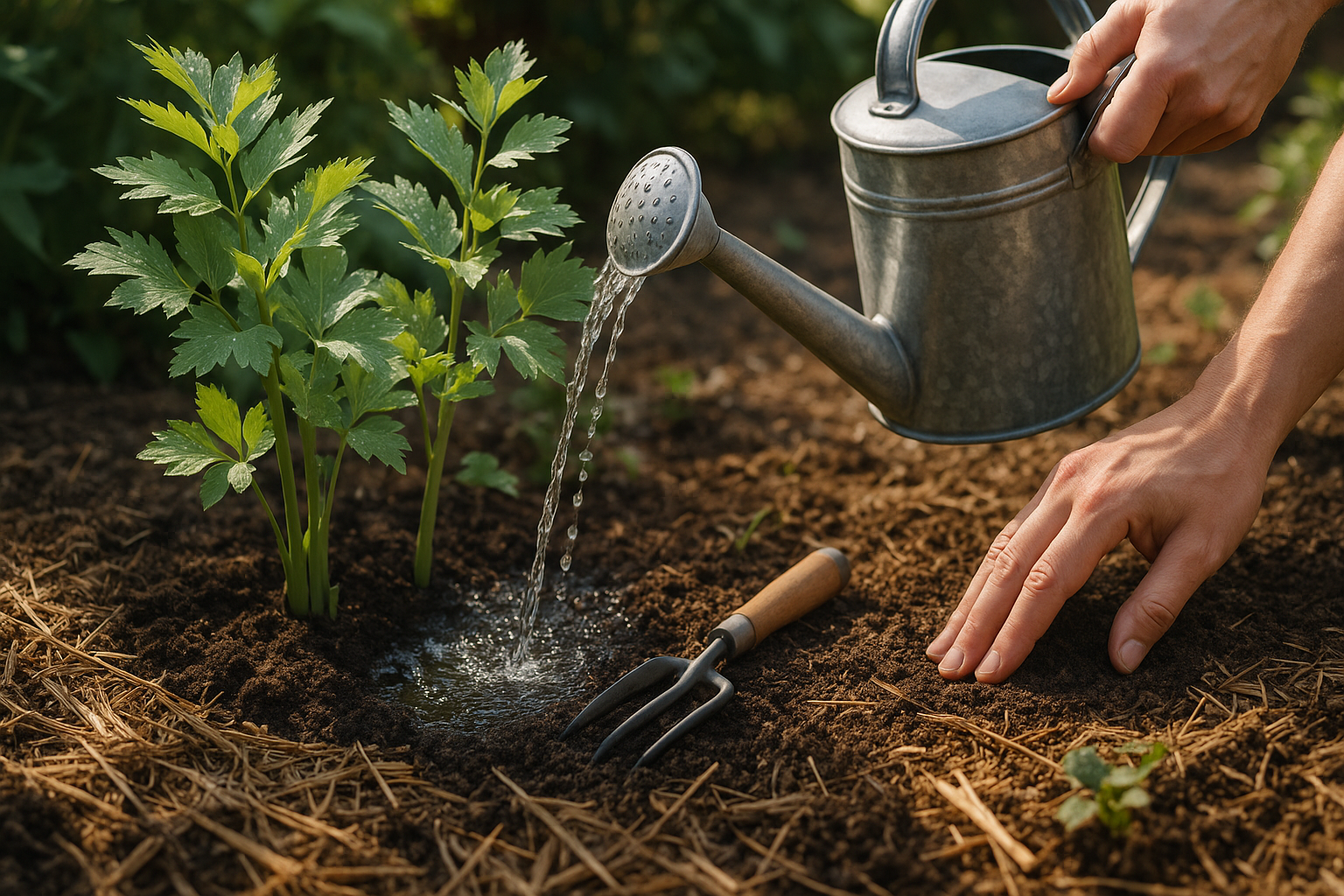
When summer temperatures soar, your watering strategy can make or break your garden’s health. During heat spells, it’s best to water deeply but less frequently—about two to three times a week—allowing moisture to soak down to the roots instead of just wetting the surface. Early morning is ideal, minimizing evaporation before the sun is too strong.
Shallow, daily watering can encourage weak roots and leave plants vulnerable to wilting, while overwatering in hot weather can suffocate roots and spur disease, especially in heavy soils. A good rule of thumb is to check soil moisture by pushing your finger a couple of inches into the soil; if it feels dry at that depth, it’s time to water.
Mulching around plants with straw, bark, or compost helps keep soil cool and locks in moisture, while amendments like compost or coconut coir improve the soil’s water-holding capacity over time.
Keep a close eye out for early signs of heat and drought stress such as drooping leaves, scorched edges, or dull, limp foliage. Acting quickly with a deep soak can prevent long-term damage.
By matching your watering routine to weather conditions and watching for stress signals, you’ll give your plants the best chance to thrive, even in extreme heat.
Protecting Lovage from Heat Stress
Protecting lovage from heat stress starts with providing reliable shade. Simple solutions like lightweight row covers or garden shading cloth can reduce direct sun exposure without blocking airflow, keeping your plants cooler on scorching days.
Another smart tactic is companion planting—tuck lovage next to taller vegetables or sunflowers, which act as living umbrellas to filter harsh midday rays.
Adjust your care routine when temperatures peak:
- Avoid heavy pruning, since leaves help shade roots and keep soil cooler.
- Hold off on fertilizing, particularly with nitrogen-rich feeds, as this can encourage tender growth that struggles in the heat.
- Instead, apply a light layer of compost early in the season, then pause until temperatures cool down.
Manage your garden’s microclimate by clustering heat-sensitive herbs together and mulching generously to maintain cool, moist soil. Water lovage in the early morning or late evening to prevent evaporation and avoid splashing foliage, which can stress the plant further in direct sun. Finally, steer clear of using dark plastic mulch, which can intensify soil heat.
By combining clever shading, gentle maintenance, and thoughtful microclimate tweaks, you’ll help your lovage thrive even during the summer’s harshest spells.
Common Problems and Solutions for Lovage in Hot Weather
Hot weather can create several challenges for lovage, a cool-loving herb prone to bolting (flowering too soon), wilting, leaf scorch, and increased pest activity. If your lovage bolts quickly and sends up a flower stalk, it’s often a response to excessive heat or too much direct sun.
Cut flower stalks promptly to redirect energy to the leaves, and provide afternoon shade using garden cloth or by placing taller companion plants nearby.
Wilting and scorched leaves usually signal underwatering or sunburn—check soil moisture daily and mulch thickly to keep roots cool and moist. Leaf edges turning brown are a telltale sign of scorch, prompting you to water early in the day to reduce evaporation.
Hot weather also invites pests like aphids and spider mites. You can hose off bugs with a strong water spray and introduce beneficial insects like ladybugs for natural pest control. Neem oil or insecticidal soap offers safe, organic protection if infestations get out of hand.
If your lovage continues to experience stress despite these measures, its location might not be ideal. Consider moving the plant to a spot with morning sun and afternoon shade, or potting it so you can relocate it as needed for better temperature management.
Harvesting and Using Lovage in Hot Seasons
During the peak of the hot season, harvest lovage early in the morning when the volatile oils are most concentrated for the best flavor. Use clean, sharp scissors to snip stems just above a leaf node, selecting healthy, vibrant stalks while leaving enough growth for the plant to recover.
If the weather is particularly hot and dry, frequent but conservative harvesting helps prevent bolting.
For fresh use, place cut stems in a glass of water in the fridge, covering them with a loose plastic bag to keep the leaves crisp.
To dry lovage, bundle stems and hang them upside down in a cool, breezy spot out of direct sunlight. Once dried, crumble the leaves and store them in airtight containers.
For freezing, chop washed lovage and freeze it in ice cube trays with a little water or oil.
Add lovage to soups, potato salads, or homemade stocks at the end of cooking to maximize its bold, celery-like flavor.
Conclusion
Growing lovage in warm climates can be a rewarding addition to your garden, offering robust flavor and lush greenery with the right care. Remember to provide ample shade during the hottest part of the day, keep the soil consistently moist, and use mulch to help the plant thrive.
Even in regions with intense heat, gardeners have found success by experimenting with partial sun or container planting for better control.
Have you tried growing lovage in your area, or do you have questions about giving it a go? Share your experiences or ask for advice in the comments below—we’d love to hear from you!